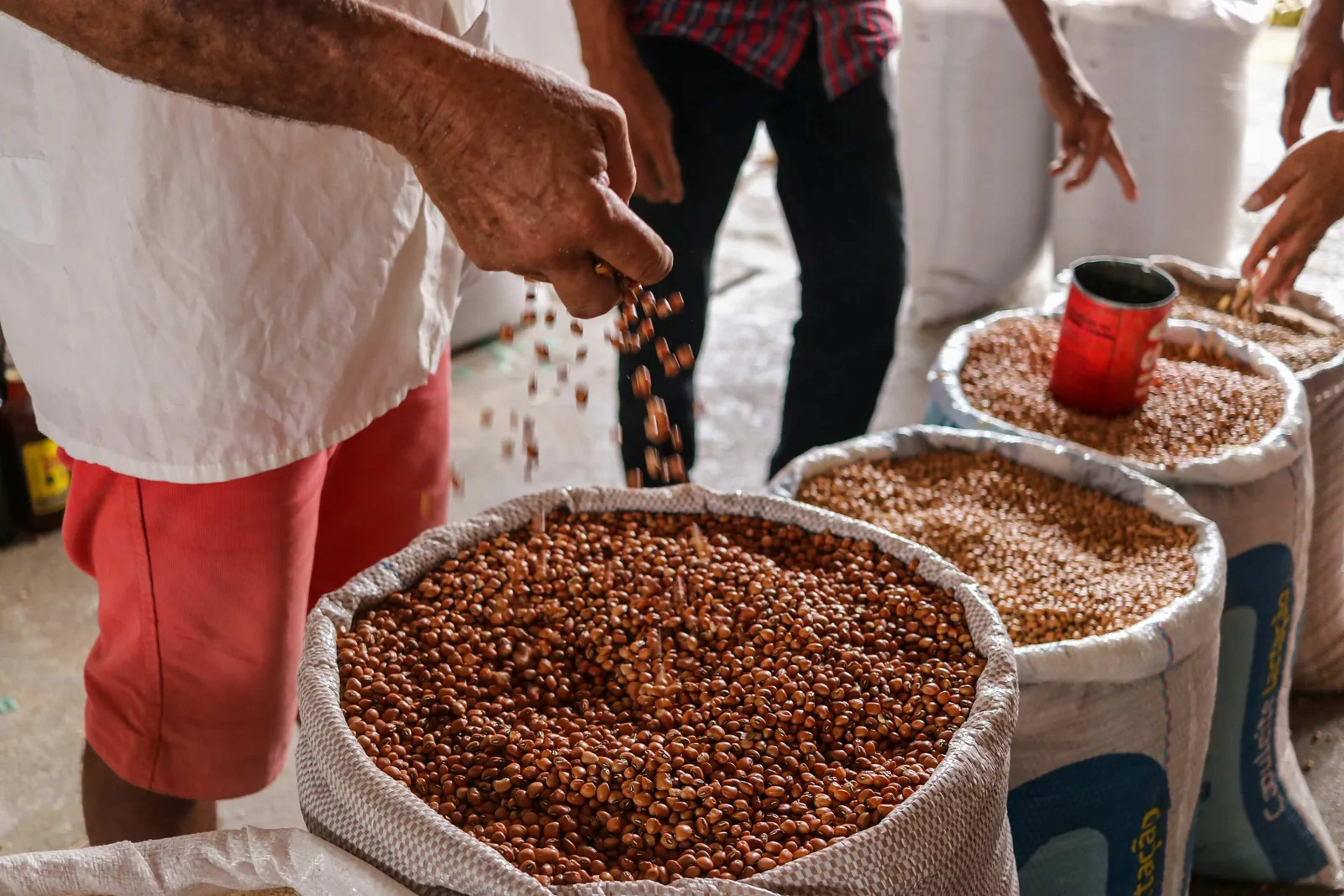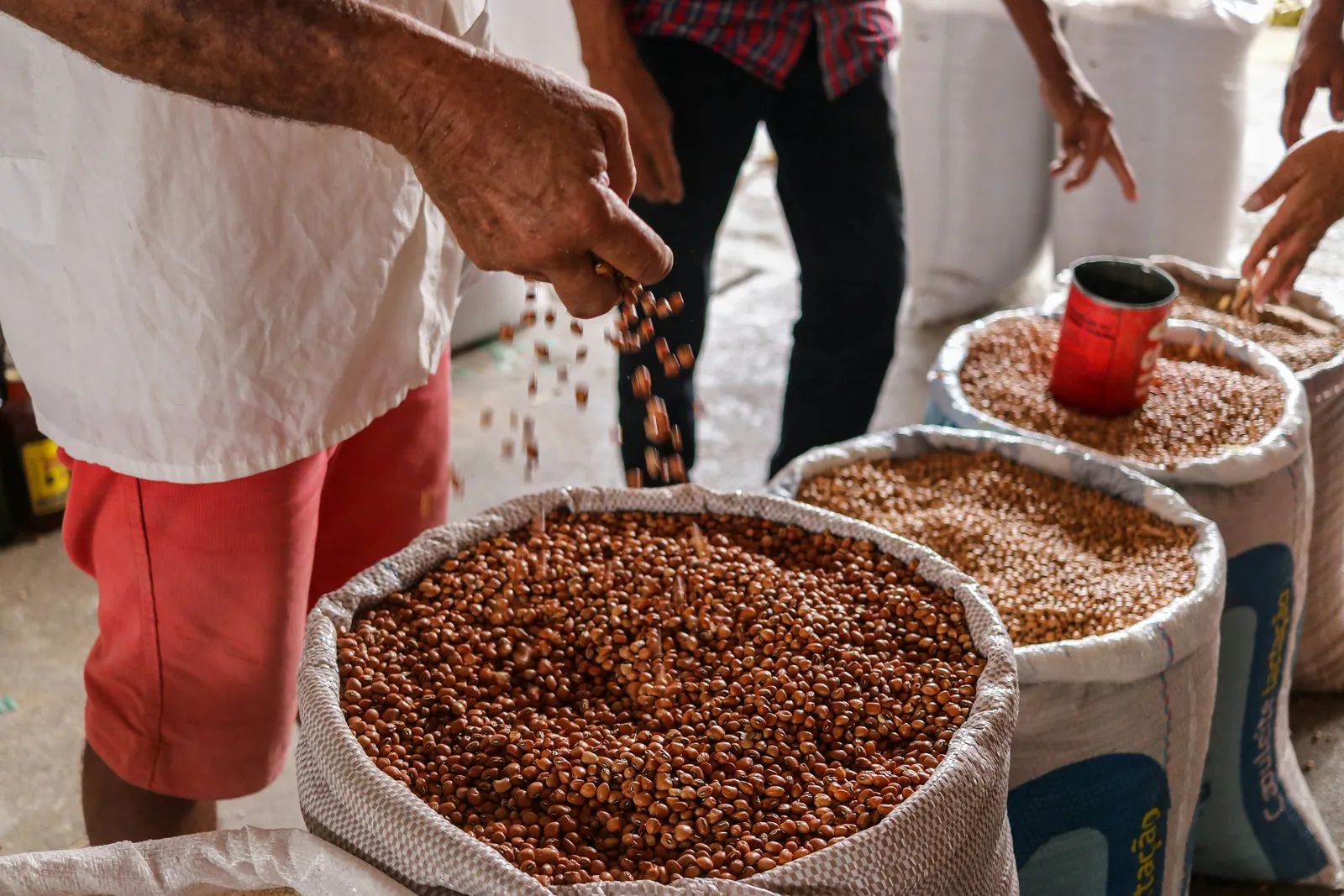
Pará state in northern Brazil has seen its cacao area expand sharply in recent years, yet the increase has occurred almost entirely on land cleared long before the current planting surge. Satellite analysis by the national agricultural research agency Embrapa shows the crop covering 116,436 hectares in 2024, up one-third from 2022 levels. Nearly all of the new plantings sit on former pasture or other previously deforested ground, a pattern that stands in contrast to ongoing forest clearing tied to cocoa production in West Africa.
Clear Contrast With West African Trends
Global cocoa prices have reached record highs, prompting farmers in Ivory Coast and Ghana to push into remaining rainforest. Brazilian producers, by comparison, appear to be reviving already degraded land. The Embrapa study found 96 percent of mapped cacao in Pará and 98 percent in neighboring Rondônia on areas deforested before 2020. This timing places the expansion well ahead of the European Union’s deforestation-free import rules that take effect in the coming years. The finding strengthens Brazil’s case as a reliable supplier for chocolate makers seeking compliant beans. It also highlights how land-use history can shape different outcomes even for the same crop under similar market pressures.
How the Mapping Was Done
Researchers built on the long-running TerraClass program, a joint effort between Embrapa and Brazil’s space agency INPE that tracks what happens to cleared Amazon land. Remote-sensing specialist Adriano Venturieri and colleagues combined high-resolution imagery with field checks to identify cacao stands across the two states. The work updates earlier surveys that had shown cacao confined to shaded agroforestry systems. The latest round captured a clear shift in planting style. Until 2022, every cacao area identified in Pará used traditional agroforestry, with trees grown under a canopy of other species. By 2024, almost two-thirds of the new area consisted of full-sun monocultures planted in open fields.
Trade-offs in the New Approach
Full-sun systems produce higher yields per tree and allow faster scaling. They also expose farmers to greater risk when pests or disease strike, since there is no diversity of surrounding plants to buffer outbreaks. Dependence on a single crop can leave households more vulnerable to price swings or weather shocks. Agroforestry, while slower to establish, often supports steadier production over time and provides additional income from timber, fruit, or other shade species. The study does not yet show whether the monoculture trend will persist or whether some growers will return to mixed systems as experience with the new plantings grows.
What Comes Next
The data offer a snapshot rather than a forecast. Continued monitoring will be needed to confirm that expansion stays on already cleared land and to track how the two planting systems perform under changing climate conditions. For now, the mapping supplies concrete evidence that cacao can expand in the Amazon without adding to deforestation pressures. Brazilian authorities and industry groups are likely to cite the results when discussing supply-chain compliance with international buyers. The pattern also suggests that degraded pasturelands, once written off, can still support high-value crops when market signals align.