Have you ever wondered what it takes to own a home in some of the world’s most expensive real estate markets? For many people across the globe, the dream of homeownership has slipped further and further away, turning into something that feels almost unattainable. Housing prices have skyrocketed in certain countries, creating barriers that even middle-class families with steady incomes simply can’t overcome.
The gap between what people earn and what homes actually cost has widened dramatically over the past few years. In some places, you’d need to save your entire household income for more than a decade just to afford a modest apartment. It’s not just about luxury penthouses or beachfront villas anymore. We’re talking about basic housing that ordinary families need.
Let’s explore five countries where the housing crisis has reached critical levels, making homeownership nearly impossible for the average person. The statistics might shock you, honestly. These aren’t just numbers on a page – they represent real struggles faced by millions of people every single day.
Hong Kong: Where Apartments Cost 14 Years of Income

Hong Kong tops the global list with a staggering house price-to-income ratio of 14.4, according to the Demographia International Housing Affordability Report. Think about that for a moment. The typical home costs more than 14 years’ worth of household income, which makes it the most unaffordable housing market on the planet for the fourteenth consecutive year.
The 2025 UBS Global Real Estate Bubble Index ranked Hong Kong as the least affordable city, with approximately 14 years of income needed to purchase a 60 sqm apartment. What’s driving these impossible prices? Limited land supply and strong demand from global capital continue to keep prices out of reach for most residents. The city’s geography severely constrains development, with mountains and protected areas limiting where people can actually build homes.
Only about 7% of Hong Kong’s land is usable for housing; the rest is rural or protected. Over 7.3 million residents live mostly within 78 km², squeezing housing supply. The government has tried various interventions, but the fundamental problem remains. Even though property prices have declined slightly from their peak, they’re still astronomically high by any reasonable measure.
Switzerland: Stability Comes with a Steep Price Tag

Switzerland might be known for its political stability and high quality of life, but those benefits come at a significant cost when it comes to housing. The average house price in Switzerland stands at CHF 1,220,000 for a single-family home, while apartments average CHF 801,000 for a 3-room unit. These national averages mask enormous regional variations – a house in Zurich costs CHF 4,277,000 on average.
Let’s be real here. Those figures translate to well over a million US dollars for what many would consider a modest home. Apartments nationwide increased by 4.4% year-on-year, reaching an average price of CHF 9,224 per square meter. Single-family homes performed even better with a 4.7% annual increase, as reported in September 2025. The market shows no signs of cooling down despite already elevated price levels.
The strongest growth is concentrated in Western and Southern Switzerland, particularly in cities like Zurich, Zug, and Lucerne, driven by chronic housing shortages, historically low mortgage rates averaging 1.4-1.9%, and continued foreign buyer interest. The Lex Koller law restricts foreign purchases, yet demand remains intense. Swiss wages are high, sure, but housing costs consume a massive portion of household budgets.
Singapore: Controlled Markets Still Squeeze Buyers
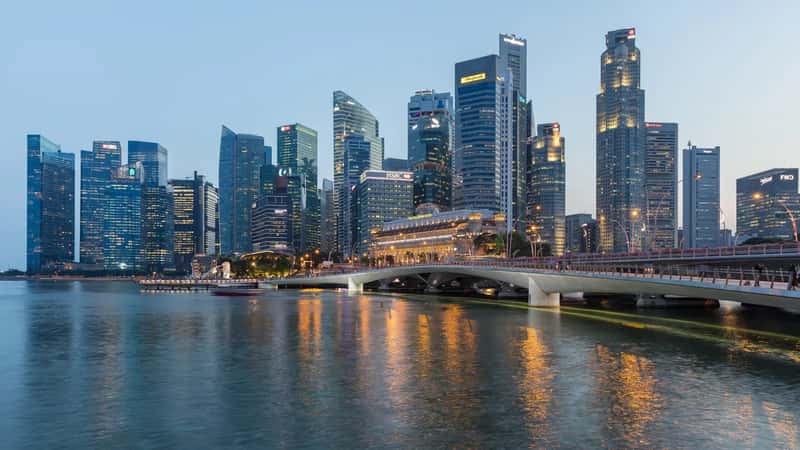
Singapore’s government takes an active role in managing housing through public programs, yet private property remains shockingly expensive. The Singapore real estate market in early 2026 is experiencing moderate price growth, with private home prices expected to rise between 1% and 2% for the year, aligning closely with inflation. That might sound modest, but it builds on years of rapid appreciation.
The average price-to-income ratio was 13.4x between 2000 and 2023. However, this has increased to 14.1x in 2023 and is approaching 14.6x in 2024, reaching the upper bound of historical affordability levels, according to DBS Bank analysis. Here’s the thing – roughly about nine out of every ten Singaporeans live in government-built public housing because private property simply isn’t accessible to most families.
The average price of a condo, which at $1,989,082 is 3.2 times higher than HDB flats. Meanwhile, the median price of condos, at $1,780,000, is almost 3 times higher than that of HDB flats. Despite government cooling measures including additional buyer stamp duties, prices keep climbing. The city-state’s limited land area creates intense competition for every available property.
Australia: The Dream Slips Away Down Under
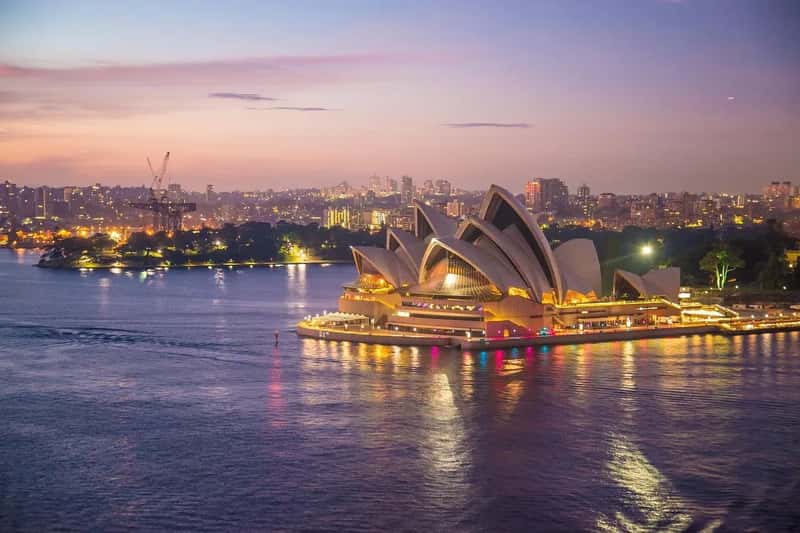
Australia has multiple cities featuring in the top tier of global housing unaffordability. Metropolitan areas of Sydney, Adelaide and Melbourne were all in the top 10 most unaffordable markets worldwide, according to research from Chapman University. Sydney particularly stands out as one of the most challenging markets for first-time buyers anywhere on Earth.
Australia is the only other country besides the US to dominate the “impossibly unaffordable” list, led by Sydney and the southern cities of Melbourne in Victoria and Adelaide in South Australia. The problem has gotten worse, not better, over recent years. What used to be achievable for middle-income families now requires extraordinary financial resources or multi-generational wealth.
These high prices are largely the product of policies that seek to limit growth on the periphery, which has been the usual way that cities have grown. However, increasing housing density won’t necessarily fix the affordable housing crisis because newly constructed units – often small and expensive – rarely meet the needs or preferences of many middle-income buyers. Australia’s housing challenge reflects deep structural issues that won’t resolve quickly.
United States: California and Hawaii Lead the Crisis

While the US housing market varies enormously by location, certain American cities rank among the absolute worst globally. It’s “impossibly unaffordable” to buy a home in four major California metropolitan areas – San Jose, Los Angeles, San Francisco, and San Diego, according to the Chapman University study from 2025. These aren’t fringe markets – they’re major economic hubs where millions of people work and live.
In Los Angeles, the ratio stands at 11.2, making homeownership nearly impossible for middle-class families. San Jose actually ranks even worse, with tech industry wages paradoxically driving up costs faster than even those high salaries can keep pace with. The Honolulu area, where the median home price is 10 times the median income, also made the top 10 list of unaffordable housing markets.
Conclusion: A Global Crisis Without Easy Solutions
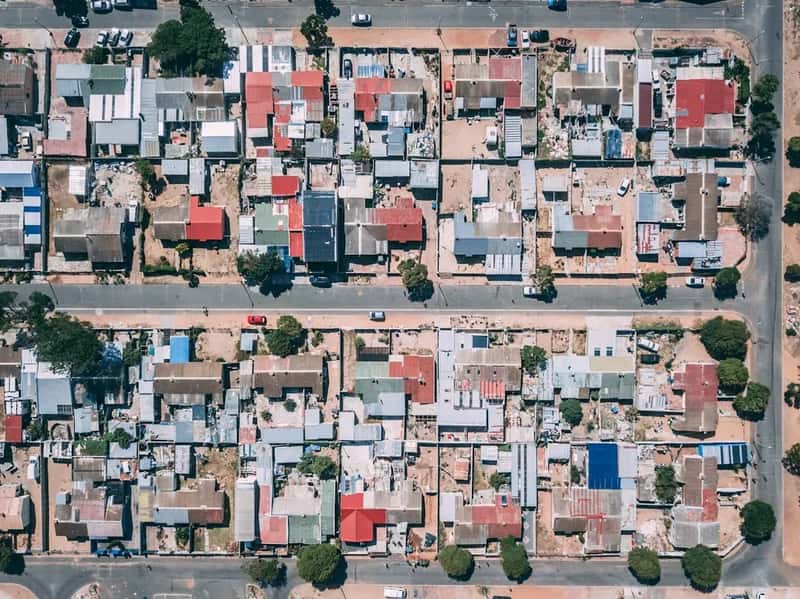
The housing affordability crisis isn’t confined to one region or caused by a single factor. From Hong Kong’s land constraints to Switzerland’s wealth concentration, from Singapore’s supply limitations to Australia’s planning policies and America’s coastal markets, the pattern repeats: prices have outpaced incomes to levels that previous generations would find incomprehensible.
Countries where housing is the hardest to afford include Australia, Canada, the United States, China, New Zealand, and the United Kingdom, with multiple cities in these nations facing severe affordability challenges. The traditional metric that housing should cost roughly three to four times annual household income has become almost laughable in these markets. When you’re looking at ratios of ten, twelve, or even fourteen times income, homeownership shifts from challenging to virtually impossible for ordinary families.
What’s particularly concerning is that this isn’t just affecting low-income households anymore. The percentage of renters who are cost-burdened with an income range of $45,000 to $74,999 has doubled to 45% since 2001, showing that middle-income families now struggle with housing costs that previous generations navigated more easily. The social implications are profound – delayed family formation, reduced mobility, increased wealth inequality, and fundamental questions about economic opportunity.
So what do you think – will the next generation ever experience the same possibility of homeownership that their parents and grandparents took for granted?