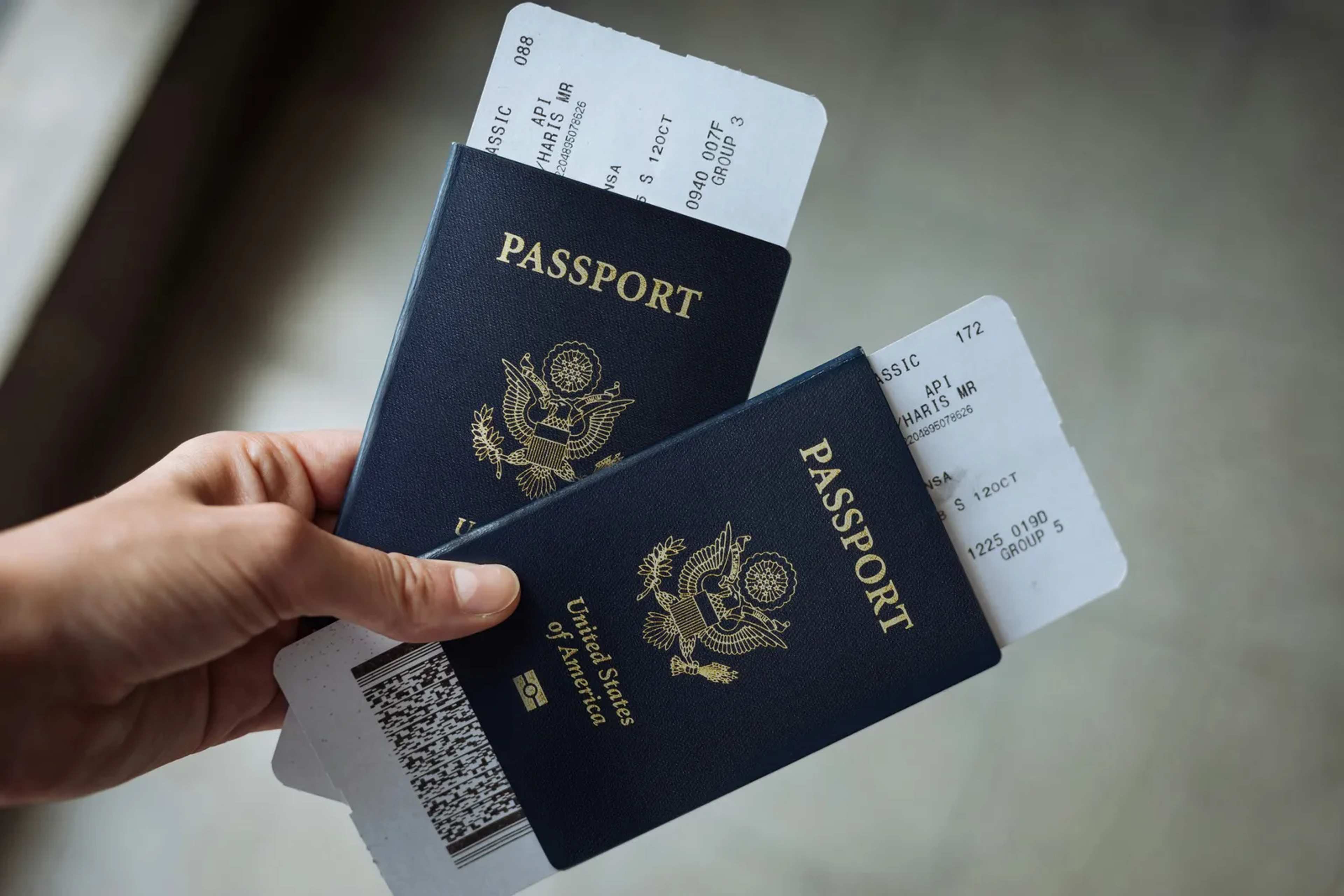
For a lot of Americans nearing retirement, the scariest line item isn’t rent or groceries. It’s the doctor’s bill. Rising premiums, surprise co-pays, and the general unpredictability of the U.S. system have pushed a growing number of retirees to look overseas, not just for sunshine and a slower pace of life, but for medical care that doesn’t require a second mortgage.
The countries below aren’t chosen because they’re trendy or scenic, though most happen to be both. They made this list because their healthcare systems, whether public, private, or a blend of the two, consistently deliver quality care at prices that make American retirees do a double take. Here’s a closer look at five places where getting sick abroad is far less financially terrifying than getting sick at home.
1. Portugal

Portugal’s national health service, the Serviço Nacional de Saúde, is the backbone of why this country keeps topping retirement lists. The country’s healthcare system, the Serviço Nacional de Saúde (SNS), is highly regarded and accessible to legal residents, often at little to no cost. Once you’re registered, many Portuguese residents pay €0 or very small fees for GP consultations, emergency care, hospital treatment, specialist consultations, and diagnostic tests via an SNS referral. Even outside the public system, costs stay remarkably reasonable, with a high-end private hospital charging around €50 to see a general practitioner or €90 to see a specialist.
What really separates Portugal from the pack is how affordable private coverage remains for people who want faster appointments or English-speaking doctors. Comprehensive private insurance typically costs between €100 and €250 per month per person, depending on age and coverage. That’s a fraction of what a comparable U.S. marketplace plan runs. Combine that with a life expectancy that keeps climbing and a healthcare system that patients rate highly for quality, and it’s easy to see why so many retirees choose Portugal as their landing spot.
2. Panama

Panama built its reputation on the Pensionado visa, a program that’s been rewarding retirees for decades. Panama’s Pensionado Visa is a permanent residency program for retirees with a verifiable lifetime pension of at least $1,000/month, and it offers lifetime discounts of 20 to 50 percent on healthcare, travel, dining, and entertainment. Those discounts stack on top of prices that are already low by American standards. A specialist consultation runs $50 to $100, while an MRI costs $300 to $500.
Private insurance in Panama also stays within reach for most retirees. Private health insurance for a 65-year-old retiree runs $250 to $500 a month depending on coverage, pre-existing conditions, and the insurer, roughly 40 to 60 percent of equivalent U.S. costs. For those willing to enroll in the public system, Panama’s public health system, universally called “the Caja,” is available to Pensionado holders who register and make monthly contributions of around $80 a month. With JCI-accredited hospitals in Panama City and a dollarized economy that removes currency risk entirely, it’s a combination that’s hard to beat.
3. Costa Rica

Costa Rica earns its spot on this list through CAJA, the country’s national social security and healthcare system. Healthcare through CAJA, the national social security system, is accessible to legal residents at low cost, making it one of the few countries where retirees can access a functioning public healthcare system. Retirees who qualify for residency, often through the Pensionado or Rentista routes, pay into the system based on income, and in exchange get access to hospitals, specialists, and prescriptions without the sticker shock familiar to American patients.
Beyond the public option, Costa Rica’s private healthcare sector has grown steadily to serve the country’s expanding expat community. Costa Rica rounds out many rankings with its dual public-private system and growing access in popular expat areas. Retirees typically use CAJA for routine and ongoing care while keeping private insurance or cash reserves for specialist visits or elective procedures. Monthly living costs, healthcare included, tend to land in a range that most retirees on a modest fixed income can manage comfortably.
4. Malaysia

Malaysia doesn’t get the same buzz as Thailand or Bali, but its healthcare system quietly outperforms both for retirees. Malaysia offers widespread English proficiency, a legacy of British colonial education, and world-class private hospitals at a fraction of Western costs. Kuala Lumpur and Penang, in particular, have built reputations as medical tourism hubs, and Malaysia’s medical tourism destinations like Kuala Lumpur and Penang attract patients from around the globe for everything from routine checkups to complex surgery.
Day-to-day living costs reinforce the appeal. A couple can live comfortably in Malaysia on 2,000 to 2,500 U.S. dollars per month, including a modern condo, mixed local and Western dining, private healthcare, and regular entertainment, roughly half what the same lifestyle costs in most U.S. or U.K. cities. The Malaysia My Second Home program provides long-term residency for retirees, and while the visa itself requires meaningful upfront capital, the ongoing cost of staying healthy in Malaysia remains genuinely modest compared to home.
5. France

France’s healthcare system has long been considered one of the best in the world, and for good reason. France’s healthcare is world-renowned for its quality and low cost to patients, and retirees in France enjoy access to a system where doctor visits are around €25, mostly reimbursed, while serious illnesses are treated for free. That combination of quality and affordability is why France topped International Living’s 2026 list for expat healthcare, according to multiple retirement guides.
It’s worth noting that France’s rules for non-EU retirees are shifting slightly. A new law requires non-EU nationals on long-stay visitor visas to pay a mandatory annual flat contribution before they can access the public health system and be issued a Carte Vitale, a measure that specifically targets inactive residents including retirees. Even so, the fee is expected to land in the €300 to €600 per year range, which remains modest next to typical American insurance premiums. Retirees who qualify for exemptions, including those covered by certain bilateral agreements, may avoid the fee altogether, and either way France’s overall cost of care stays far below what most Americans are used to paying.
None of these five countries offer truly “free” healthcare to foreign retirees in the strictest sense. Residency requirements, contribution periods, and paperwork are all part of the deal. What they do offer is something almost as valuable: predictability. A doctor’s visit that costs twenty euros instead of two hundred dollars, a hospital stay that doesn’t threaten a life’s worth of savings, and public or private systems that actually function as advertised.
Choosing where to retire is never just about medical costs, of course. Climate, community, language, and proximity to family all matter. Still, for retirees who’ve watched U.S. healthcare costs climb year after year, these five countries prove that quality care and financial peace of mind aren’t mutually exclusive. Sometimes the best insurance policy is simply picking the right country to grow old in.