As travelers book flights for Thanksgiving and the December holiday rush, seat selection often determines whether the journey feels steady or turbulent. Guidance from aviation sources highlights practical choices that improve comfort without promising perfection. The original analysis draws on regulator reports, university studies, and airline policies to identify patterns that hold up across many aircraft types.
Center of Gravity for Less Bumping
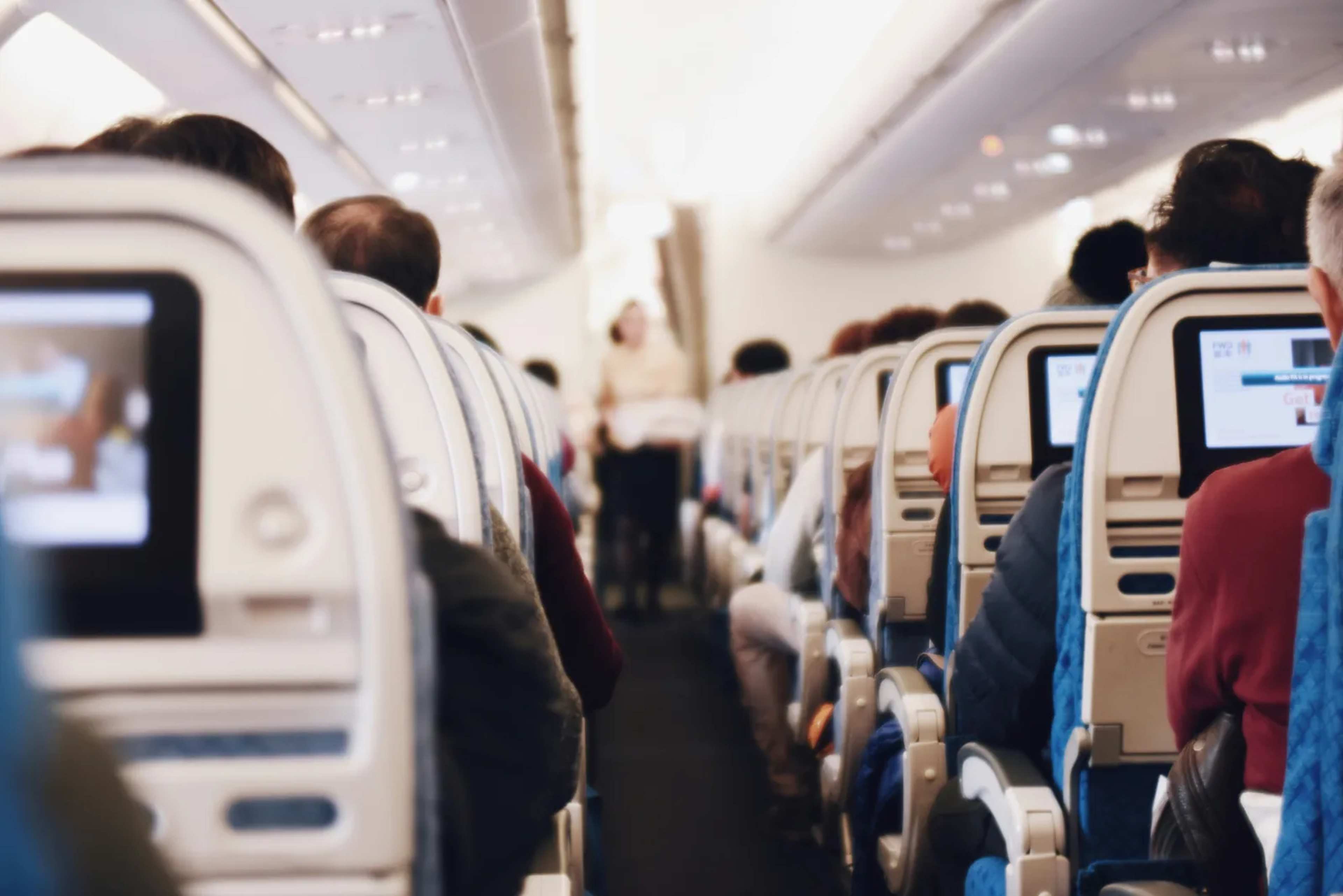
Seats positioned over the wings, near the middle of the cabin, align with the aircraft’s center of gravity and tend to experience milder motion during turbulence. Aviation writers compare the effect to sitting in the middle of a seesaw, where movement registers less intensely than at the front or rear. Larger planes generally provide a steadier ride than smaller regional jets, though route and weather remain the dominant factors. Passengers prone to motion sickness may prefer an aisle seat in this section because a window view can amplify the visual sense of movement. No regulator guarantees any single row as turbulence-free, yet the over-wing area consistently ranks as a reasonable default for those prioritizing stability. Checking the aircraft type before booking adds another layer of preparation when options exist between itineraries.
Distance From Engines and Service Areas
Cabin noise levels rise noticeably closer to the engines, according to a Boise State University study that measured sound across hundreds of flights. Wing-mounted or fuselage-mounted engines create different noise profiles, so reviewing the specific aircraft layout helps identify quieter rows farther forward or aft of the power plants. Rows adjacent to galleys and lavatories bring extra foot traffic and door activity that can disrupt rest. Noise-canceling headphones offer a reliable backup regardless of location. The same study found measurable differences by proximity, reinforcing the value of checking seat maps for engine placement before finalizing a reservation.
Exit Rows Carry Added Duties
Extra legroom in exit rows appeals to many travelers, yet federal rules under 14 CFR 121.585 restrict who may occupy them. Passengers under 15, those lacking sufficient mobility or strength in arms and legs, or anyone unable to understand the instructions are ineligible. Airlines retain final authority on suitability and may reseat individuals who do not meet the criteria. Travelers with pets or young children often face additional restrictions. The extra space comes with the possibility of assisting during an emergency if crew members are unavailable. Reviewing the airline’s seat map clarifies any limits on recline or storage in those specific rows.
Window Versus Aisle for Long Journeys
An Emory University and Georgia Tech study tracking movement on cross-country flights found that roughly 80 percent of aisle passengers stood up at least once, compared with 43 percent seated by the window. The Centers for Disease Control and Prevention notes that extended immobility on flights longer than four hours carries a small risk of blood clots and recommends periodic leg movement. An aisle seat simplifies getting up without disturbing others, while a window seat reduces interruptions for those hoping to sleep. Neither choice replaces medical advice for individuals with health concerns. The study underscores that personal habits during the flight matter more than any single seat assignment.
Family Seating and Accessibility Needs
The Department of Transportation advises booking early and keeping adults and children on the same reservation to improve chances of adjacent seats. Basic economy fares sometimes limit advance selection, and aircraft changes can alter assignments, so confirming placements close to departure helps avoid last-minute issues. Airlines generally prioritize families traveling together when assigning seats. Passengers with mobility or medical requirements should contact the airline well in advance. Regulations prohibit denying specific seats solely on the basis of disability except where safety rules apply, and newer aircraft must include movable aisle armrests on half the aisle seats. Early outreach allows time to arrange suitable accommodations during peak holiday periods. A short list of last-minute checks can help any traveler: review the seat map in the airline app a few days before departure, keep essentials within reach, and fasten the seat belt whenever seated. These steps align with the broader recommendation to match the seat to personal priorities while staying prepared for the realities of air travel.