Cruise planning used to feel like a slow, relaxed process. You picked a destination, watched for a sale, and booked when the price looked right. That approach is getting harder to pull off, because the market around cruising has changed noticeably over the past few years.
Before you put down a deposit for a 2027 sailing, a handful of details are worth understanding. Some affect what you pay, some affect where your ship can actually dock, and others affect how the week feels once you’re on board.
Demand Is Heading for Another Record
AAA projects that a record 22.4 million Americans will take ocean cruises in 2027, a rise of about 3.6 percent over 2026 and the fifth straight year of record passenger volume.[1] That figure sits roughly 57 percent above the 14.2 million Americans who cruised in 2019.[2] In other words, cruising isn’t a niche pastime recovering from a slump anymore.
Globally, the picture looks similar. CLIA reported that 37.2 million passengers sailed worldwide in 2025, a historic high.[3] More people competing for the same cabins means popular dates, ship sizes and itineraries can fill up well before departure.
Waiting for a Last Minute Bargain Is Riskier Than It Used to Be
The old advice to hold out for a discount on unsold cabins doesn’t hold up as well right now. Royal Caribbean Group says its 2027 bookings are ahead of historical levels and coming in at higher rates.[4] It has also seen stronger than expected close in demand, which makes discounts on unsold cabins look less likely.[4]
Carnival points the same way. TheStreet noted that Carnival’s strong booking position could make waiting for last minute deals risky.[5] If you have firm dates and a specific ship in mind, locking in earlier is the safer play.
Prices Are Mixed, So Compare Cruise Lines
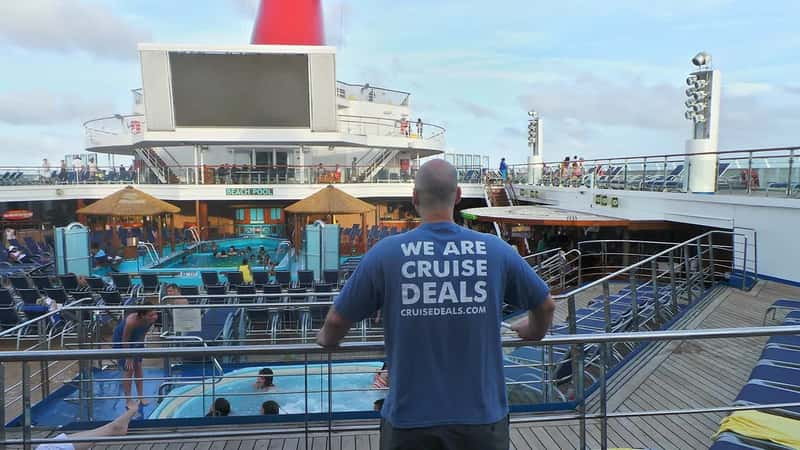
The pricing story isn’t the same everywhere. Cruise Critic figures cited by the Financial Times put the average starting price for an inside cabin on a five to seven night January 2027 cruise at $748 in September, down from $846 a year earlier, a drop of roughly one eighth.[6] That’s good news for Caribbean shoppers, though not every cruise line is discounting.[6]
Norwegian looks like the line pushing hardest on deals. UBS says Norwegian Cruise Line has been offering unusually aggressive promotions on 2027 sailings compared with its competitors.[5] Checking two or three brands for the same week and region can show a real gap.
Gratuities Are Rising and Often Missing From the Headline Fare
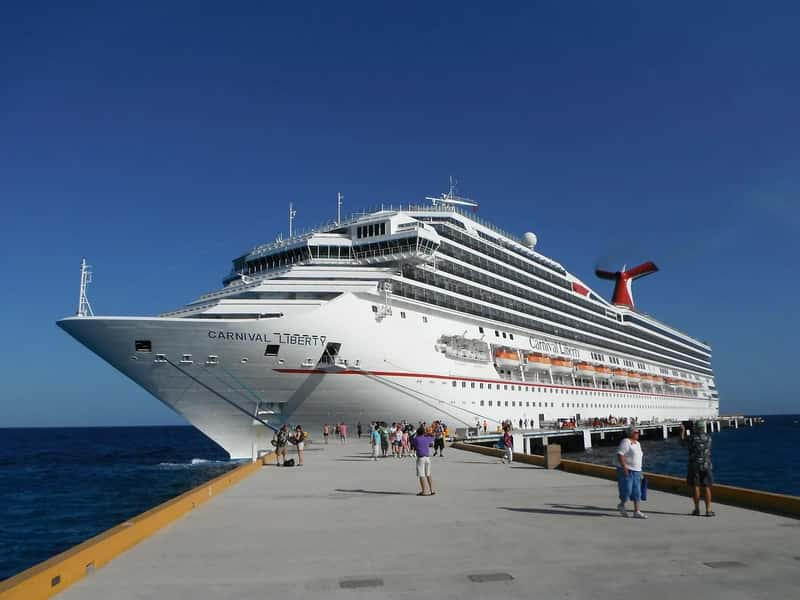
Daily service charges have crept up across the industry in 2026. Margaritaville at Sea, Princess, Carnival, MSC, Holland America and Celebrity all raised their automatic daily gratuities this year, while Royal Caribbean last changed its rate in autumn 2024 and sits at $18.50 for standard cabins.[7] Standard cabin rates now run from $16 per person per night on Disney up to $22 on Margaritaville at Sea, with most big mainstream lines between $17 and $20.[7]
It adds up quickly. A couple on a standard seven night sailing pays between $224 and $280 in automatic daily gratuities depending on the line, and that cost doesn’t appear in the headline fare.[8] Some luxury lines, including Regent Seven Seas, Silversea, Seabourn, Oceania and Explora Journeys, include gratuities in the fare.[8] Also, if you’ve already booked, many lines let you prepay gratuities to lock in the current rate.[9]
European Ports Are Adding Fees and Limits
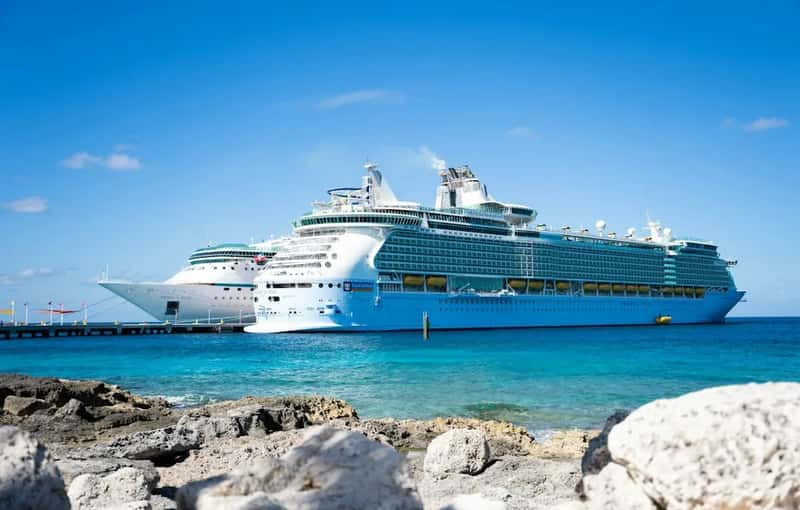
If a Mediterranean or Northern Europe itinerary is on your list, the rules on land are shifting. Amsterdam has capped sea cruise calls at 100 per year from 2026 and charges cruise passengers a day tourist tax of €15.[10] In Barcelona, Catalonia’s published cruise tax tariff for April 2026 through March 2027 is €11 for calls of 12 hours or less and €9 for longer calls.[11]
More could follow. Barcelona City Council gave initial approval in September 2026 to a phased increase that could bring the municipal charge for short stay cruise visitors to €24 by 2030.[12] That proposal had not been confirmed as implemented at the time of reporting.[12] Cruise lines may fold such costs into fares or pass them along through taxes and fees, so it’s worth reading the fare breakdown carefully.
Ships Are Full, and Many Passengers Are Seasoned Repeat Cruisers
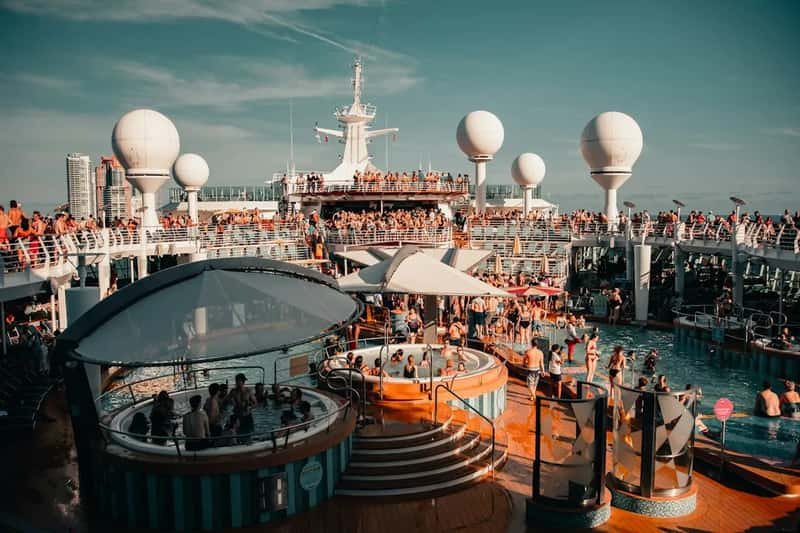
Expect company on board. Royal Caribbean Group reported that its ships sailed at a load factor well above full capacity in the third quarter, meaning many cabins carried a third or fourth passenger.[4] Busy ships can mean more competition for specialty dining slots, shore excursions and pool chairs on sea days.
The crowd is also experienced. Nearly 90 percent of passengers surveyed by CLIA said they intend to sail again, while nearly one third of cruisers were first timers.[13] Newcomers may want to read up on how a line’s onboard systems work, and a few quiet corners of the ship can be worth scouting early.