Fall doesn’t mean the same thing everywhere in South America. South of the tropics, October and November are spring, and the trees and vineyards are waking up. Closer to the equator, the seasons come down to wet and dry months, and the shoulder weeks between them often bring fewer crowds and softer prices.
The cities below sit outside the usual circuit of Rio, Buenos Aires, Cusco and Cartagena. Some are colonial gems, a couple are student towns, and one is a beach city with sand dunes. Each rewards a slower visit than most itineraries give it.
Cuenca, Ecuador: Blue Domes in the Southern Andes
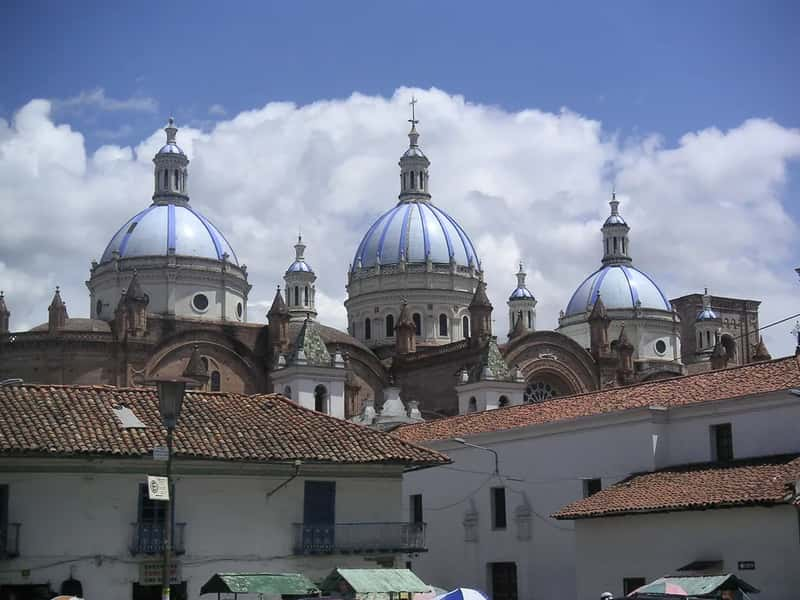
Cuenca is the third biggest city in Ecuador[1], and its historic center has been a UNESCO World Heritage Site since 1999[1]. The city sits at roughly 2,560 metres in the southern Andes[1], which keeps the days mild. The old town is compact and easy to cover on foot, and Cajas National Park is less than an hour’s drive away[1].
Early November is a good moment to be here. Local guides point to independence festivities with parades, live music and traditional foods in the historic center[2]. All Souls Day on November 2 brings colada morada and guaguas de pan[3], a seasonal drink and bread that you’ll see in bakeries across town.
Expect some rain. October is a transition month, and November sees more rain returning[4]. The upside is that crowds thin and bargaining at markets is easier[4] in the shoulder months, so a waterproof layer is a fair trade.
Salta, Argentina: Colonial Charm and High Desert Wine
Salta sits at 1,187 metres in Argentina’s northwest[5]. The city is known for neoclassical architecture and peñas, venues that play traditional Andean music[6]. The Museo de Arqueología de Alta Montaña is also worth an afternoon, since it holds three frozen Inca mummies found at the top of the Llullaillaco volcano[7].
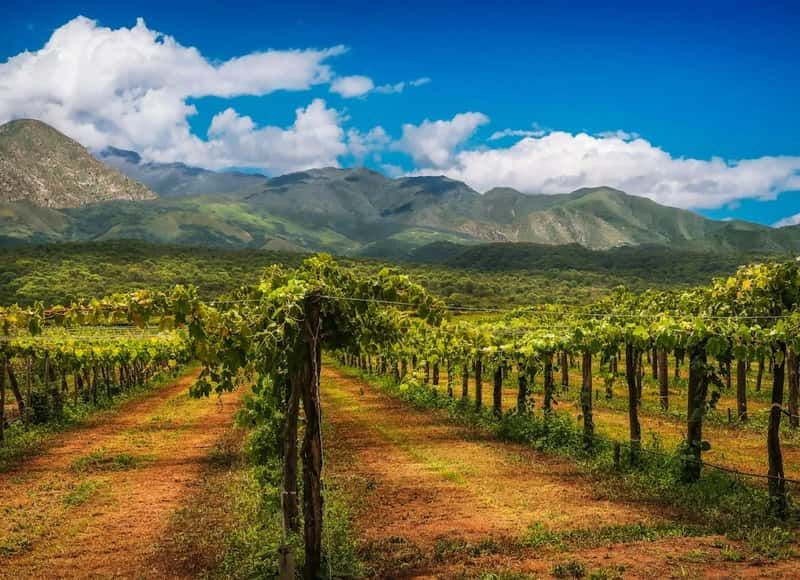
Most visitors treat Salta as a base. Cafayate is 186 km south through the red Quebrada de las Conchas, about four hours by bus[8], and it sits on a wine route with vineyards from 1,600 to 3,100 meters[8]. The grape to look for is Torrontés[8].
The famous Train to the Clouds works a little differently now. You don’t board a train in Salta, because the excursion starts with a bus ride to San Antonio de los Cobres[8]. In 2026 it also costs foreigners more than locals[8], so check current prices before you commit.
Sucre, Bolivia: The White City Most People Rush Through
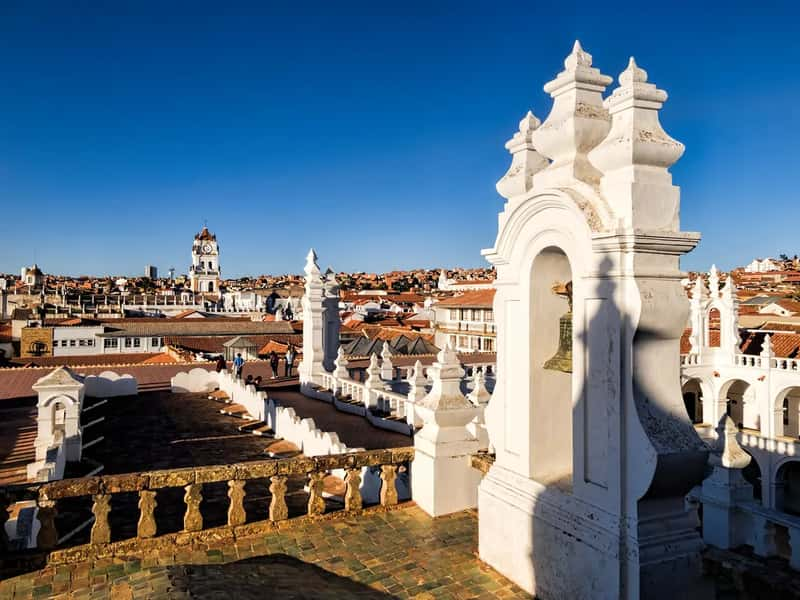
Sucre is Bolivia’s constitutional capital, and its entire historic center joined the UNESCO World Heritage List in 1991[9]. That status is why the central buildings share the same bright white paint. At a forgiving 2,750 metres[10], it’s also a gentler stop than the altiplano.
The Casa de la Libertad is the history stop, because the Declaration of Independence was signed there in 1825[9]. Just outside town, Cretaceous Park holds more than 5,000 dinosaur footprints from at least 15 species[9]. Most travellers give Sucre a single night on the way to Uyuni or Santa Cruz[10].
One local guide argues that three to five days is a more honest figure[10], and that seems fair. The museums, markets and cafés take a while, and the Spanish school scene keeps some people for weeks.
Valparaíso, Chile: Hillside Color by the Pacific
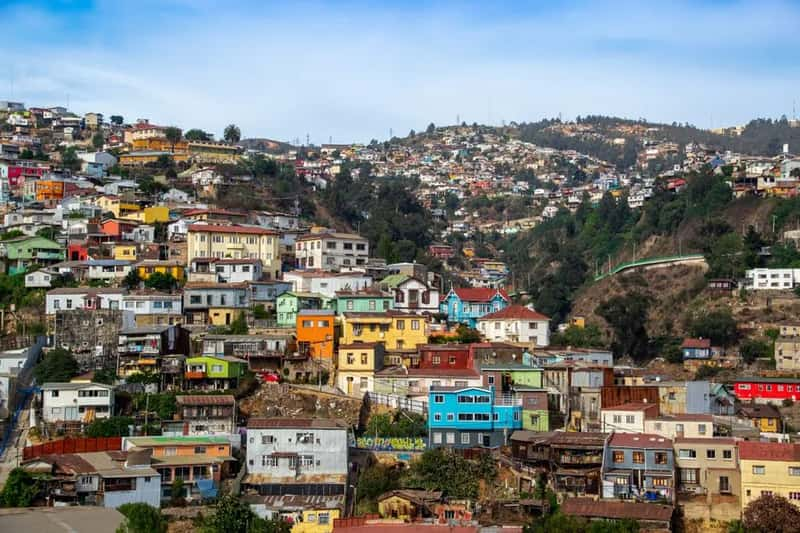
Valparaíso is a two hour drive from Santiago, a bohemian coastal city with multicoloured hillside houses, zigzagging cobblestone streets and a renowned art scene[11]. Those streets and that architecture earned it UNESCO World Heritage status[11]. Most travelers still treat it as a day trip from the capital.
Staying overnight changes the experience. The old funicular lifts, called ascensores, still carry people up the steep hills, and the murals look best in early or late light. Bring sturdy shoes, because the staircases are part of the charm and part of the workout.
November is spring on this coast, which makes a good window for walking the hills before the summer crowds. Viña del Mar is next door if you want a wider beach and a more polished promenade. Valparaíso is the grittier, more characterful half of the pair.
Arequipa, Peru: A Food Capital Under a Volcano
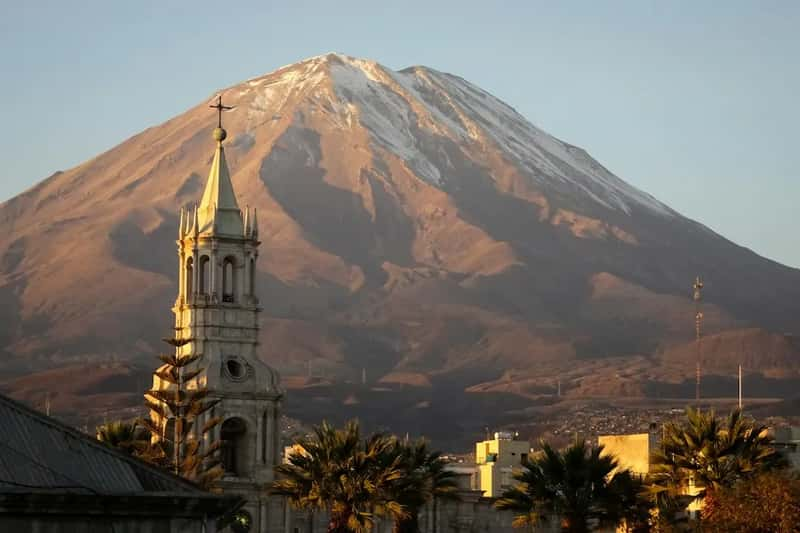
Arequipa is nicknamed the White City, and nowhere does the heart of Peruvian gastronomy beat faster than here[11]. Its center is built largely from pale volcanic stone called sillar, with the Misti volcano rising behind the rooftops. The historic center is a UNESCO World Heritage Site, listed in 2000.
The Santa Catalina Monastery, founded in 1579, is the headline sight. It’s almost a small city of its own, with narrow colored lanes and quiet courtyards. For lunch, look for a picantería, the traditional local restaurants that serve dishes like rocoto relleno.
The city sits at roughly 2,300 metres, so the altitude is manageable compared with Cusco. Colca Canyon is the usual excursion, and it works better as an overnight trip than a rushed single day. Arequipa’s dry, sunny climate makes it an easy choice for a shoulder season visit.
Córdoba, Argentina: A Student City With Jesuit Roots
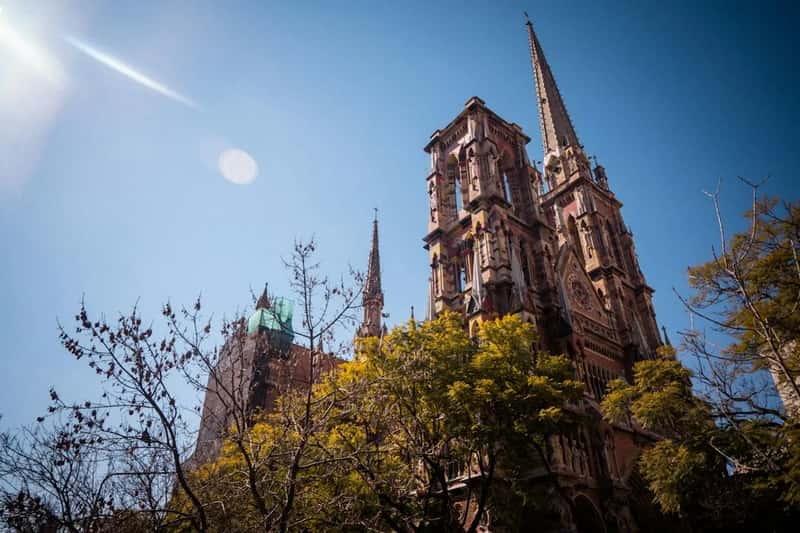
Córdoba was crowned Cultural Capital of the Americas in 2006[12], and it’s still dominated by students[12]. Its university dates to 1613, which gives the center a layered feel. Old colonial buildings share the same streets with cafés, bookshops and late night bars.
The Jesuit Block, or Manzana Jesuítica, is the core of the historic center and part of a UNESCO listing that also covers several Jesuit estancias in the province. You can walk past the cathedral, the Cabildo and the old university buildings in a single afternoon. Many visitors then head to Alta Gracia, where one of those estancias sits in a small town about an hour away.
Spring brings milder days, which suits wandering the Nueva Córdoba neighborhood and the green hills of the surrounding sierras. Prices are generally easier on the wallet than in Buenos Aires. It’s a city that feels lived in rather than staged for visitors.
Tarija, Bolivia: The Wine Country Few Visitors Reach
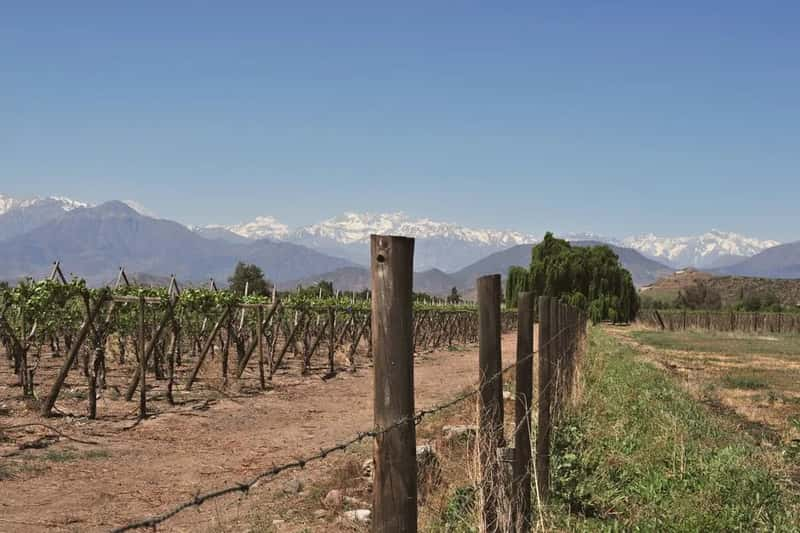
Tarija is in Bolivia’s far south, and Rough Guides notes that few tourists venture this far, though it is the epicentre of Bolivian wine[12]. The setting is warmer and softer than the high Andes, at a lower elevation than La Paz or Sucre. That makes it a relief for anyone who has been struggling with the altitude elsewhere in the country.
Vineyards surround the city, and several bodegas welcome visitors for tastings. Look for singani too, a grape spirit that’s very much a Bolivian specialty. The city center is relaxed, with palm lined plazas and an easygoing local culture.
Tarija works best as a gentle add on to a Bolivian circuit, or as a flight from La Paz or Santa Cruz. Spring is a pleasant time to go, with vines greening up and fewer travelers than in the main hubs. It’s one of the quieter corners of the continent for wine and good food.
Natal, Brazil: Dunes and Sun in the Northeast
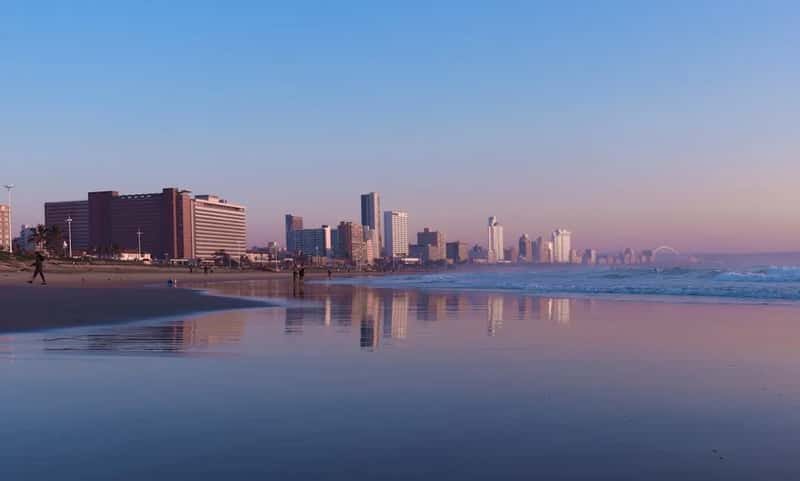
Amex Essentials describes Natal as a coastal city that checks all the boxes for natural beauty, enticing culture and bustling city vibrancy, yet is far less visited than other major cities[11]. It’s the capital of Rio Grande do Norte, and it’s known for plenty of sunshine. The star-shaped Forte dos Reis Magos, dating from 1598, gives the city a historical anchor beyond the beach.
The coastline is the draw. Ponta Negra has the Morro do Careca, a large dune that overlooks the beach, and buggy rides run along the dunes at Genipabu. In the city, look for tapioca stands and carne de sol on local menus.
The rainy season in this part of Brazil generally falls earlier in the year, so October and November tend to be drier. That makes Natal a good option for travelers who want warm weather during a northern hemisphere autumn. Flights from the south are often easy to find, and the beaches are far less crowded than in Rio.