Travel brochures love to promise warmth and welcome, but the truth on the ground can look very different depending on where you land. Some places seem to genuinely enjoy having strangers wander their streets, ask for directions, and butcher the local language while trying to order coffee. Others have reached a breaking point, and the friction between residents and visitors has spilled out into protests, new taxes, and tighter rules that reshape how a trip actually feels.
This isn’t about picking winners or losers in some tourism popularity contest. It’s about paying attention to a pattern that’s become impossible to ignore over the past two years, as some nations lean further into hospitality while others quietly, or not so quietly, push back.
New Zealand

New Zealand keeps showing up near the top of global friendliness rankings, and it’s not just marketing gloss. New Zealand shares the top spot with Iceland in the World Economic Forum rankings for tourist friendliness, with both nations ranked the world’s most welcoming for visitors.[1] That’s a notable distinction in a survey covering dozens of countries.
What stands out is how consistent this reputation is across the country, not just in tourist hotspots. The country’s reputation for “Kiwi hospitality” isn’t just marketing speak but reflects genuine cultural values, with local communities across both islands showing remarkable openness to sharing their landscapes and Maori heritage with visitors.[1] Ask a Kiwi for a recommendation and you’ll likely get an actual conversation, not a rehearsed answer.
Portugal
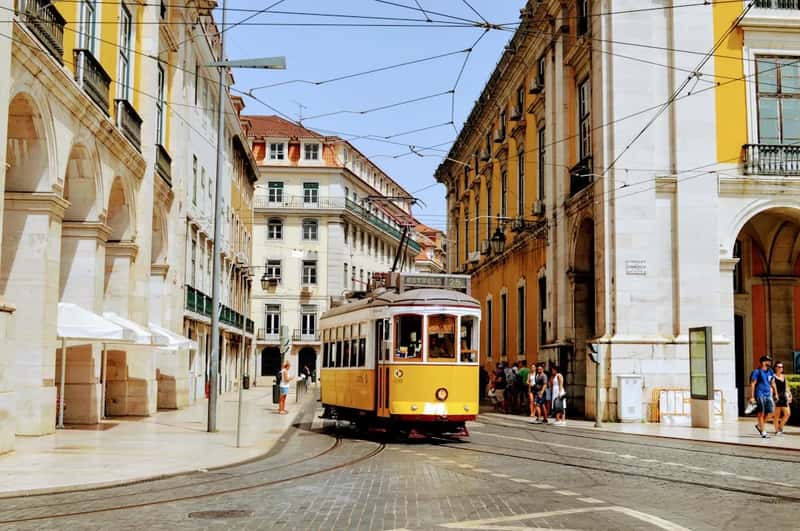
Portugal has quietly become one of the most requested destinations for American travelers, and locals seem largely unbothered by the surge. In Portugal, the people’s warmth and eagerness to assist enhance the country’s charm, and the Portuguese take pride in their hospitality and cultural heritage.[2] That pride shows up in small moments, like a shopkeeper walking you halfway to a restaurant instead of just pointing.
The numbers back up the sentiment rather than contradicting it. Portugal welcomed an estimated 29.9 million international tourists in 2025, with foreign visitor numbers increasing by roughly one thirtieth compared with 2024.[3] Despite that growth, there’s been nothing resembling the visible tourist fatigue seen elsewhere in southern Europe, which says something about how the country has managed its own popularity.
Ireland

Ireland’s reputation for friendliness isn’t a recent invention, but it’s held up remarkably well even as visitor numbers climb. Ireland is known for its emphasis on friendliness and community spirit.[2] That community feel tends to extend naturally to outsiders rather than closing ranks against them.
One list even put the country at the very top, ahead of destinations with far bigger tourism budgets. Ireland stands as both the friendliest country in the world and one that consistently earns the number one ranking on lists of hospitable nations.[4] Pub culture plays a part here too. Striking up a conversation with strangers isn’t seen as an imposition, it’s practically expected.
Costa Rica
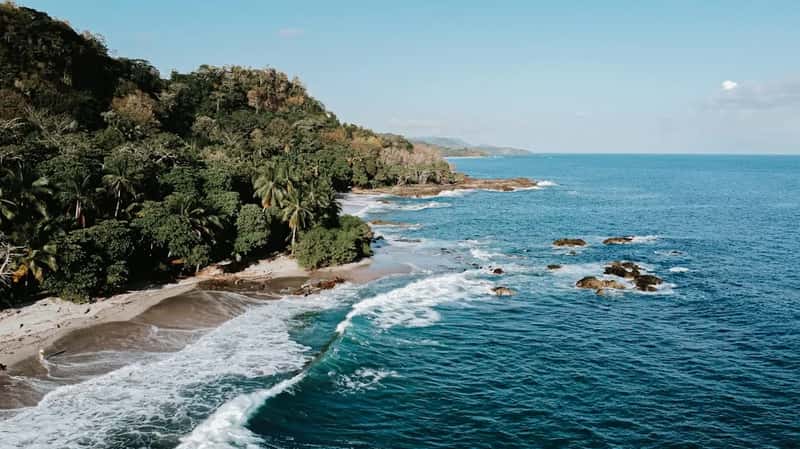
Costa Rica built an entire national identity around a phrase, and it genuinely shapes how visitors get treated. Costa Rica is known for its “pura vida” lifestyle, showcasing a relaxed and friendly culture.[2] That laid back attitude isn’t performative for tourists, it’s how locals talk to each other too.
The country’s appeal goes beyond rainforests and beaches, though those certainly help. Costa Rica offers a variety of beautiful things to see that remain accessible to even the most out of place traveler, making it clear why it’s considered a gem of hospitality in Central America.[1] Visitors often mention how little effort it takes to feel like they belong there, even for a short trip.
Kenya

Kenya’s rise to the top of one major friendliness ranking surprised some travel editors, but not anyone who’d actually visited recently. Kenya took the top spot in Condé Nast Traveller’s 2025 Readers’ Choice Awards for the world’s friendliest countries.[5] That’s a meaningful shift for a country often discussed mainly in terms of safari tourism.
Readers pointed to something beyond the wildlife when explaining why Kenya stood out. While famed for its wildlife and safari experiences, readers highlighted that much of the country’s appeal comes from the people, with attentive guides, vibrant urban scenes, and welcoming coastal resorts creating an overall sense of hospitality.[5] It’s a reminder that the human element often outweighs the scenery, even in a place known for dramatic landscapes.
Spain

Spain tells a very different story, and the shift has been sharp enough to make international headlines repeatedly since 2024. In July of 2024, protestors in Barcelona threw items, sprayed travelers with water guns and canned drinks, blocked hotel entrances with police style tape, and chanted messages like “Tourists go home.”[6] That wasn’t an isolated flare up either.
The frustration returned the following summer, and it wasn’t confined to one city. Protests against overtourism spread with residents shooting water at visitors during demonstrations in Barcelona in June 2025.[7] Meanwhile, the scale of the underlying pressure helps explain why tempers keep flaring. Spain, with a population of around 48 million, hosted a record 94 million tourists.[8] Housing costs and daily life have become genuine flashpoints, not just background grumbling.
Netherlands
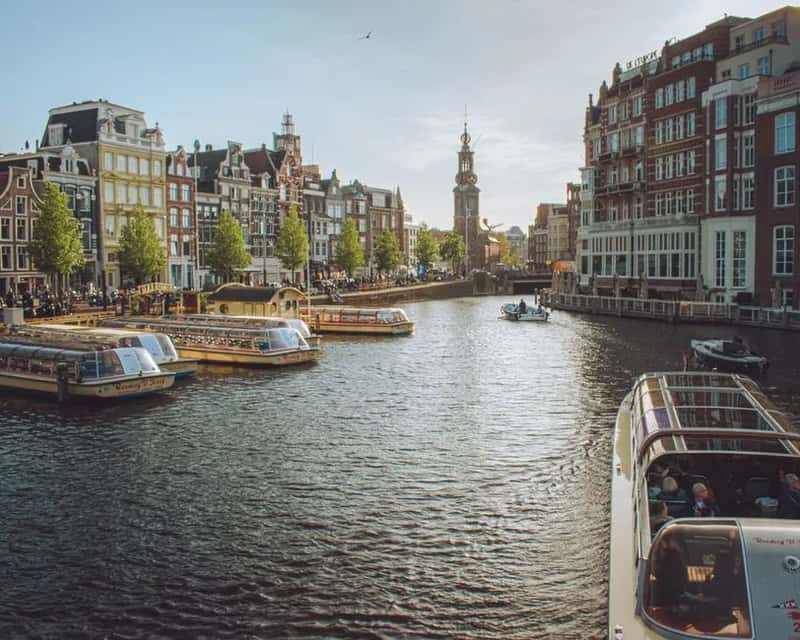
Amsterdam has moved past complaining and into actual policy, which tells you how serious the friction has become. Amsterdam has been steadily tightening rules on nuisance heavy tourism, including a ban on new tourist shops, restrictions on holiday rentals, and a rule that no longer allows new hotel buildings except in replacement cases with no net increase in sleeping capacity.[9] Those aren’t symbolic gestures, they directly limit how the tourism industry can grow.
The city has also gone further on short term rentals specifically, targeting the neighborhoods residents say feel most overrun. From April 2026, in some central neighborhoods and the Oude Pijp area, homes may only be rented to tourists for up to 15 nights per year instead of 30.[10] Residents have even taken legal action to push enforcement further. Local reporting in 2026 noted that residents and entrepreneurs had taken the city to court over its long promised 20 million overnight stay cap, arguing the rules on tourism growth weren’t being enforced strongly enough.[11]
Italy
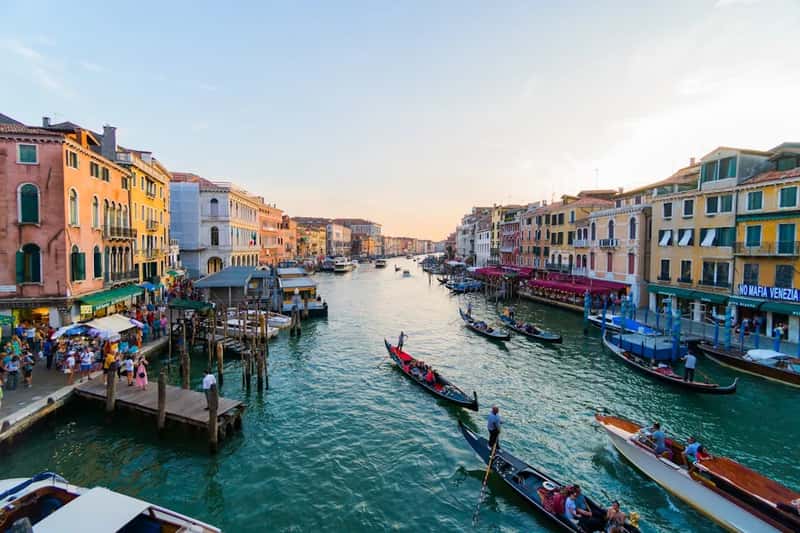
Venice has become something of a symbol for what happens when a destination gets loved a little too hard, for a little too long. Venice remains one of the strongest symbols of overtourism because entry itself is now managed.[12] That’s not a small shift for a city that spent centuries simply welcoming whoever showed up at its docks.
The fee structure keeps expanding rather than easing off. Venice doubled its tourist tax to 10 euros for last minute day trippers and expanded fee days from 29 in 2024 to 54 in 2025.[13] Group tours have also been reined in as part of the same effort, with new caps on tour group sizes and restrictions on amplified guide announcements in the historic center. For a city built on tourism revenue, the willingness to turn away casual day visitors says a lot about how far patience has worn thin.
Japan

Japan’s situation is a little more complicated, since the country still ranks well for general friendliness even as certain hotspots buckle under the weight of visitors. Japan’s overtourism battle is no longer a niche Kyoto argument or a social media fight over photo spots.[9] It’s become a genuine national policy issue rather than a local nuisance.
The scale of the surge explains why. Japan recorded a record 42.68 million international visitors in 2025, a nearly one sixth year on year increase, and is now actively redirecting tourists away from its most crowded cities.[14] Kyoto in particular has drawn friction over crowding in geisha districts and popular temple routes, prompting local restrictions that would have seemed unthinkable a decade ago. It’s less that locals have turned cold and more that certain neighborhoods simply cannot absorb the volume anymore.
What emerges from all this isn’t a simple story of nice countries versus rude ones. It’s closer to a question of scale and timing. Places like New Zealand, Portugal, Ireland, Costa Rica, and Kenya haven’t necessarily avoided tourism growth, they’ve just managed to keep the relationship between visitors and residents feeling reciprocal rather than extractive.
Spain, the Netherlands, Italy, and Japan tell the other half of the story, one where sheer numbers eventually outpaced infrastructure, housing, and patience, regardless of how warm the culture once felt. The line between the two groups isn’t really about hospitality as a national trait. It’s about whether a place has been given room to breathe.