Some destinations around the world draw millions of visitors each year, creating loyal fans who return repeatedly to experience their charms. Yet other places, despite offering unique experiences and remarkable histories, find themselves on tourists’ “once is enough” lists. Recent travel industry surveys and data analysis reveal fascinating patterns about which countries struggle to attract repeat visitors.
The reasons vary dramatically from safety concerns and political instability to accessibility challenges and infrastructure limitations. These destinations might provide transformative experiences, memorable encounters, or even life-changing perspectives, though the conditions that make them remarkable often prevent tourists from planning return trips.
Afghanistan: Ancient History Meets Modern Dangers

Afghanistan currently holds a Level 4 “Do not travel” designation due to terrorism, civil unrest, armed conflict, crime, and kidnapping, with the State Department noting that the South Asian country is wrestling with “terrorism, risk of wrongful detention, kidnapping, and crime.” U.S. citizens face specific risks for wrongful detention and kidnapping, while the return of Taliban control has led to increased violence and uncertainty. Afghanistan is considered one of the unsafe countries to visit in 2025 due to a combination of ongoing conflicts, high terrorism rates, inadequate infrastructure, challenging living conditions, and limited personal freedoms. The situation is so perilous that travel experts strongly advise only visiting Afghanistan if it is essential.
Somalia: Where Piracy Meets Political Chaos
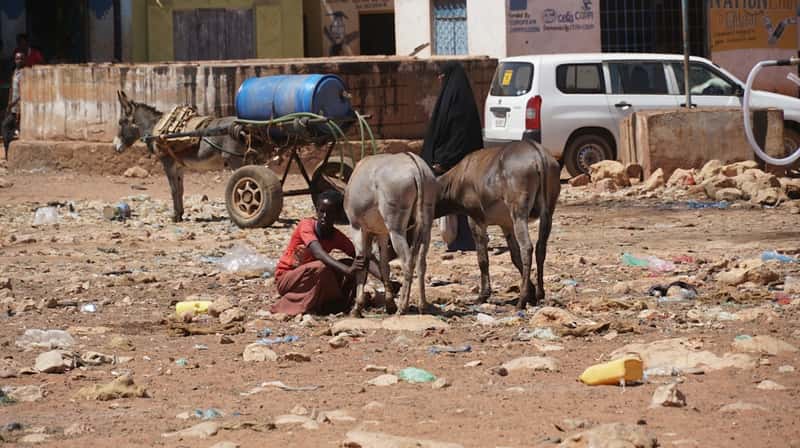
Somalia’s entire territory is currently designated as Level 4 “Do not travel” by many international travel advisory bodies due to extremely dangerous conditions for foreign travelers, including frequent terrorism, kidnapping, clan conflicts, and general crime. Pirates frequent Somalia’s coast off the Horn of Africa, medical facilities have limited capacity where they exist, and crime, terrorism, civil unrest, health and kidnapping are all risk factors. For years, Somalia has been among the most dangerous countries in the world, a negative trend that remains in 2025, as Somalia has been in the midst of a civil war since the 90s, which incapacitated all levels of its society. The country presents such severe risks that most travelers who do manage to visit once rarely consider returning, if they safely make it home at all.
Yemen: Paradise Lost to War

Yemen, located in the southwestern Arabian Peninsula and known for its architectural heritage, is currently designated as Level 4 “Do not travel” due to ongoing civil war, terrorism, and kidnapping risks. Despite having remarkable natural beauty and archaeological treasures, Yemen’s ongoing conflict has made it virtually impossible for normal tourism to occur, and while the few travelers who managed to visit Yemen before the current conflict often speak of its incredible hospitality and stunning landscapes, the deteriorating security situation means that those memories remain frozen in time, with no realistic possibility for return visits in the foreseeable future. It is considered the most humanitarian crisis in the world right now according to the United Nations, having experienced years of ongoing conflict, resulting in more than 21 million people in need of humanitarian assistance and disease while displacing more than four million residents in the process.
North Korea: The Ultimate One-Visit Destination

Known for its secrecy and its third-generation dictator, Kim Jong-un, North Korea is considered an extremely risky destination for international travelers, as the lives of people in North Korea are very tightly controlled and policed, and once a tourist enters the country, there is no guarantee they will be allowed to leave again. US citizens are currently banned from traveling to North Korea, with the US government having instituted the ban in 2017 after an American student named Otto Warmbier, who had been detained in North Korea and imprisoned for 17 months, was returned to the United States in a coma and died about six days later, with the ban being renewed 12 months at a time. The lack of freedom, combined with the significant expense and diplomatic complications involved in visiting, makes North Korea perhaps the ultimate one-visit destination.
Central African Republic: Beauty Overshadowed by Instability

Although Westerners are not believed to be specific targets, violent crimes such as armed robbery, aggravated battery, and homicide are common in the Central African Republic, with additional dangers including civil unrest, demonstrations, and election-related violence. Travelers report that while the natural beauty can be breathtaking, the constant security concerns and logistical challenges make it feel more like a relief mission than a tourist destination, as the lack of basic tourist infrastructure means that even positive experiences are overshadowed by practical difficulties that discourage return visits. The irony is that many of these nations desperately need tourism revenue, though the conditions that make them unsafe or difficult to visit are precisely what prevent the development of sustainable, repeat tourism.
The pattern emerges clearly when examining these destinations. What unites these countries isn’t necessarily poor experiences, but rather circumstances that make repeat visits unlikely or impossible, reminding us that travel isn’t just about collecting passport stamps or bragging rights, as sometimes the most profound travel experiences are also the most sobering, leaving visitors with deep appreciation for both the places they’ve seen and the stability they have at home.
What aspects of these challenging destinations fascinate travelers despite knowing they probably won’t return? Tell us your thoughts in the comments.