Travelers today are ditching the rental car keys and embracing metro cards, train passes, and bus routes instead. Recent data shows a remarkable shift in tourist behavior across several nations where public transportation has reached such excellence that visitors actively choose it over private vehicles. This isn’t just about convenience anymore – it’s about experiencing a destination the way locals do, while often saving money and reducing stress.
Singapore’s Driverless Transit Paradise

Singapore claimed the top spot for public transit in the 2024 Urban Mobility City Ranking, reaching 93.5% of pre-pandemic ridership levels in 2024. With fares starting at roughly eighty cents per trip, the MRT East-West Line directly connects Changi Airport to central Singapore, making it practically foolish to grab a taxi upon arrival.
Singapore’s MRT ranks among Asia’s best public transportation systems, offering clean, efficient, and driverless service that feels like stepping into the future. As of 2024, an average of approximately 7.2 million passengers used public transportation daily in Singapore, and a significant portion are international visitors who quickly discover the system’s reliability.
At the heart of Singapore’s success is its extensive Mass Rapid Transit (MRT) network, which has been a global leader in automation since 2003. Singapore introduced one of the world’s early automatic railway systems, with fully automated lines developing over several years, combining low fares with walking-distance accessibility while implementing congestion tolls to minimize car traffic.
Switzerland’s Precision Railway Network
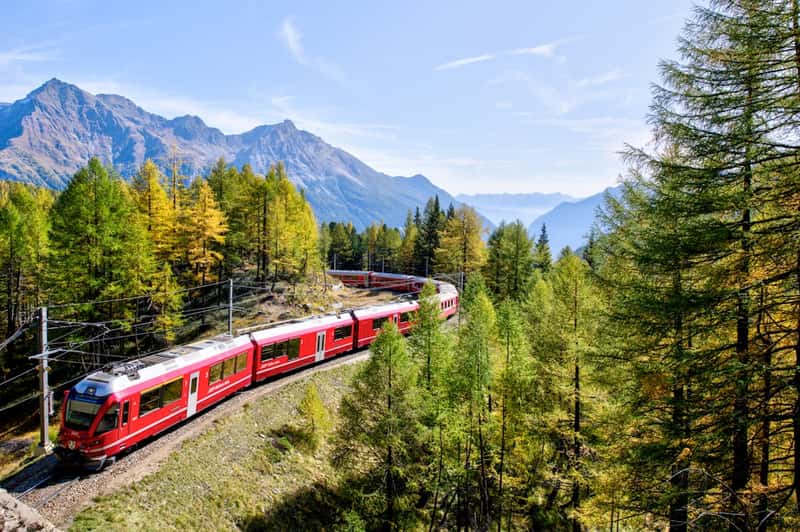
The people of Switzerland travel by train more than any other nation, with a total distance of 2,400km per person per year, with one-third of the population living within five kilometres of the country’s main rail line. The modal split for public transportation is one of the highest in Europe, standing at 21.3% in 2010, with many cities above 100,000 population having modal splits for public transportation above 50%.
Zurich’s public transportation system benefits from Switzerland’s great rail network, operated by the Swiss Federal Railways (SBB), one of the best train systems in the world. Zurich Main Station serves around 470,000 passengers and nearly 3,000 trains every day, creating a transportation hub that handles tourist flows with remarkable efficiency.
Naturally, with such high ridership, the Swiss have relatively low cars per 1000 people at 590, matching Japan, while the U.S has about 800 cars per 1000 people. The country of Switzerland has one of the most well-integrated public transport networks in the world.
Germany’s Deutschland Ticket Revolution
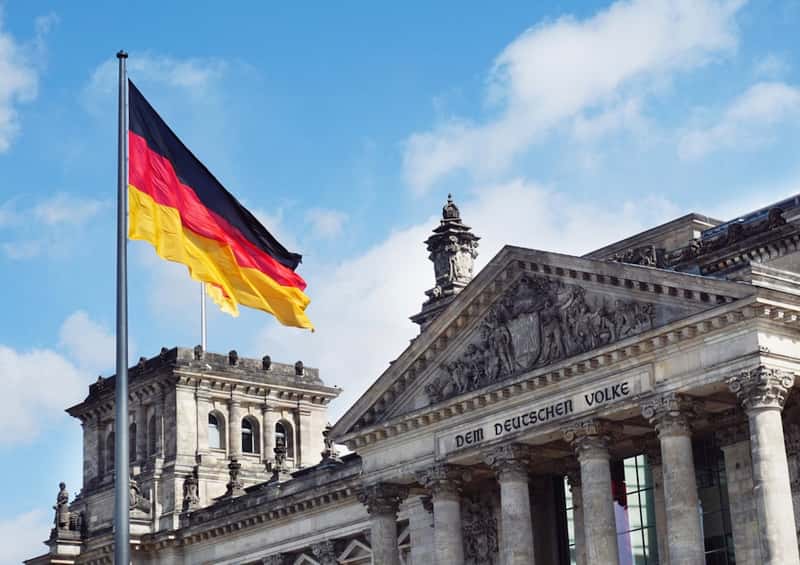
The introduction of Germany’s unified ticket system in May 2023 transformed public transport accessibility, offering passengers a discounted monthly pass covering all public bus and rail transport nationwide for forty-nine euros, having enormous effects on transport possibilities across the country. This innovation has been a game-changer for tourists exploring multiple German cities.
Germany leads public transport innovation with vast, diverse systems including trains, buses, trams, metros, light rail, and regional express services, all covered by the Deutschland Ticket. Germany ranks fourth among European countries for public transport ticket offerings, following Luxembourg, Malta, and Austria, with its comprehensive approach making it increasingly attractive to budget-conscious tourists who can explore multiple cities affordably.
The system’s integration means tourists can seamlessly travel from Berlin’s extensive U-Bahn network to Munich’s punctual S-Bahn system, all on a single ticket. The German city may be easily explored without a car thanks to the U-Bahn, which runs primarily underground, with Germany’s transport system also renowned for being one of the most accessible in the world, designed carefully to ensure travellers with disabilities can use it with ease.
Japan’s Punctual Excellence

Japan emerged as one of the most popular destinations for international travelers in 2024, setting a new record with 36.87 million foreign visitors, claiming the top spot as the world’s trending destination in 2024, welcoming over three million visitors in March alone. The country’s transport reputation plays a crucial role in this tourism success.
An astonishing 8.66 million passengers use the rail transport daily, with the Tokyo metro system known for its efficiency and ability to run on time. It is used by more than 3.5 billion people annually and has one of the best rail systems in the world.
Japan’s Shinkansen bullet trains and expansive metro networks provide unmatched convenience, with first-time riders describing the high-speed rail experience as “flying low over the countryside”. Clear English signage in metro systems and bilingual stop announcements ensure tourists never feel lost, with metro fares starting at around one dollar in major cities, making it incredibly affordable for budget-conscious travelers.
South Korea’s Tourist-Friendly Networks

South Korea welcomed approximately eleven million international visitors in 2024, marking a strong rebound. The country’s public transportation infrastructure has become a major draw for international tourists who discover they can navigate the entire country efficiently without renting a car.
With about 3.4 billion riders per year at the cost of $1.01 per ride, one might assume it’s overused and undermaintained, but the KoRail, or subway system, in South Korea is described by former residents as something they miss most about living there. The affordability combined with reliability creates an irresistible combination for tourists.
Seoul’s well-developed transport system has made it Asia’s transportation hub, with the subway system serving approximately 8 million passengers per day. For tourists, this means never waiting long for the next train and having access to virtually every corner of the metropolitan area through integrated systems.
The Numbers Behind Tourist Transit Choices

These remarkable public transportation systems have fundamentally changed how tourists experience destinations. Instead of being isolated in rental cars, visitors now move through cities alongside locals, discovering neighborhoods they might never have found otherwise. The combination of affordability, efficiency, and environmental consciousness makes these transit networks increasingly attractive to a new generation of travelers who value authentic experiences over convenience. What’s your preferred way to explore a new city – would you choose the metro over a taxi?