Every summer the same postcard images flood social media: gondolas stuck in canal traffic, cruise ship crowds swallowing whitewashed villages, and long queues snaking around ancient ruins. The truth is that some of Europe’s most beloved destinations have become victims of their own popularity, and 2026 is shaping up to be another record year for both visitor numbers and local pushback. Cities and islands across the continent are now rolling out entry fees, cruise caps, and traffic restrictions just to keep things manageable.
If you’re planning a European getaway this summer, it pays to know which spots are groaning under the weight of tourism and which nearby alternatives offer the same charm without the elbow-to-elbow crowds. Here are five places worth reconsidering, along with quieter destinations that deserve a spot on your itinerary instead.
1. Venice, Italy
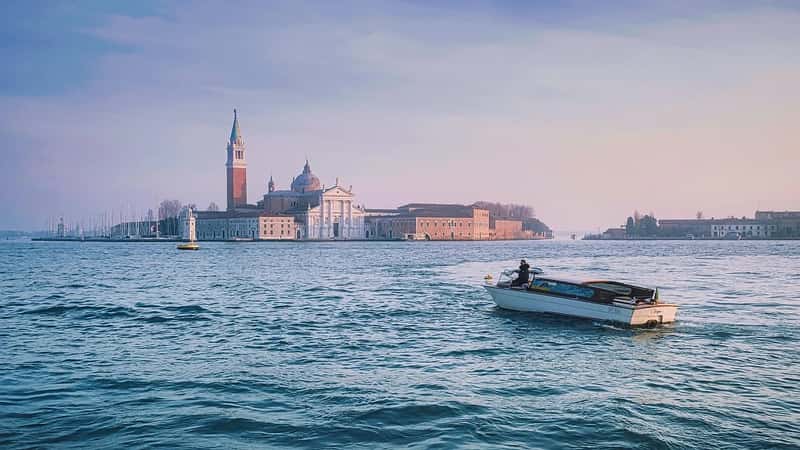
Venice has become something of a poster child for overtourism, and the numbers explain why. The lagoon city typically draws around 30 million visitors a year, yet seven in 10 only stay for the day, contributing little to the local economy while straining bridges, water taxis, and narrow calli. In response, the city has doubled down on its day-tripper entry fee, and for 2026 the number of days the levy will be in place has been extended to 60, applicable on certain dates mainly weekends between 3 April and 26 July.
Day visitors now need to book ahead, since the tax to enter Venice has been set at 5 euros for anyone over 14, provided you pay before the fourth day of arrival, after which the rate rises to 10 euros. Rather than fighting the crowds around San Marco, consider Bologna or Ferrara instead. Both are an easy train ride from Venice, packed with medieval architecture and outstanding food, and largely ignored by the cruise ship crowds that overwhelm the lagoon every afternoon.
2. Santorini, Greece
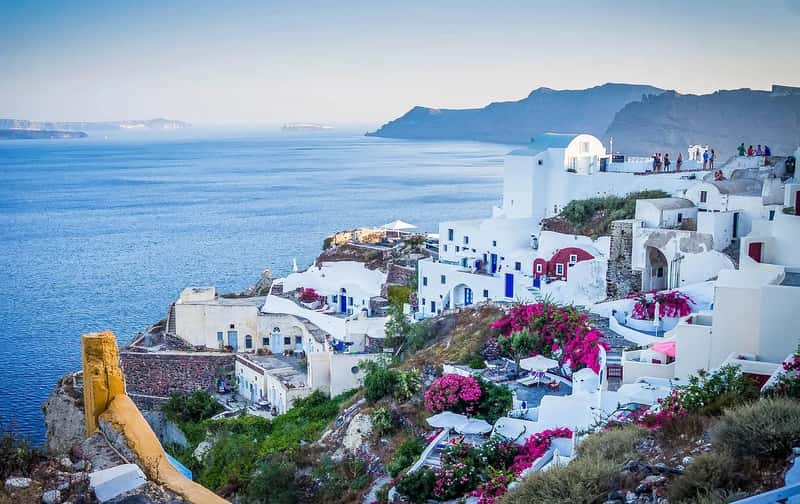
Santorini’s caldera views are stunning, but so are the crowds that come to photograph them. Before regulations kicked in, day-visitor surges on the island reached 11,000 to 17,000 on some days, turning Oia’s famous sunset spot into a shoulder-to-shoulder scrum. Greek authorities responded with one of Europe’s most aggressive tourism interventions, capping cruise arrivals and tightening the rules further for this year.
For the 2026 season, the island enforces a daily cap of 8,000 cruise visitors, run by the Municipal Port Fund of Thira through a berth-allocation system that ranks and schedules ship calls long in advance. The calculation method also got stricter, since a cruise ship with 3,000 berths was previously counted as 2,400 passengers, but now it counts as 3,000, effectively shrinking how many large vessels can dock each day. Rather than fighting the crowds at Oia’s clifftop viewpoint, try Milos or Folegandros. Both islands offer the same Cycladic architecture and turquoise water without the tour bus traffic jams, and they’re only a short ferry hop away from the more famous islands.
3. Barcelona, Spain
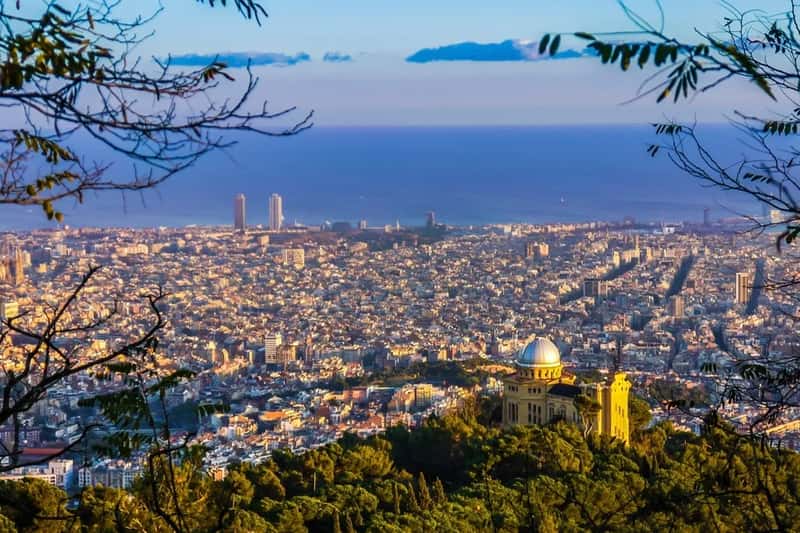
Barcelona’s tourism troubles go beyond crowded plazas. The Catalan capital hosted roughly 15.5 million visitors last year eager to see Antoni Gaudí’s La Sagrada Familia basilica and the Las Ramblas promenade, and locals have grown increasingly frustrated as rents climb and neighborhoods fill with short-term rentals. In June 2025 the tension boiled over when demonstrators marked their frustration by spraying tourists with water pistols along the city’s main tourist strip, and organizers have signaled more protests could return this summer.
The backlash isn’t just symbolic. Barcelona’s mayor announced plans to stop renewing the thousands of tourist licenses that permit landlords to rent out accommodation to foreign visitors by 2028, and the local tourism board has even dropped “Visit” from its promotional slogan to shift focus away from mass tourism. If you want Catalan culture without the friction, Girona makes an excellent substitute. It has its own Gothic quarter, a stunning cathedral, and a fraction of the visitor volume, all within an hour of Barcelona by train.
4. The Amalfi Coast, Italy
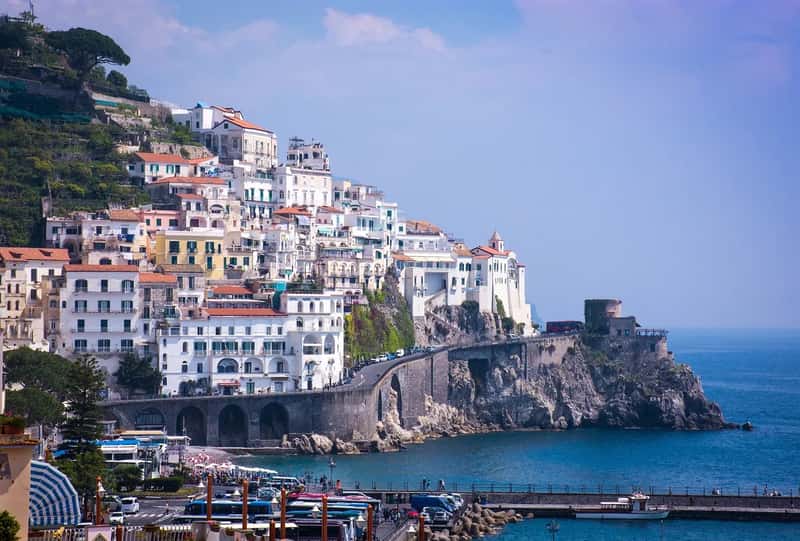
The Amalfi Coast’s cliffside villages are gorgeous from a distance, but up close the reality is often a two-hour traffic jam on a road built long before mass tourism arrived. To manage the gridlock, authorities have kept the coast’s long-running alternate license plate system in place for 2026, with rules that get stricter as summer peaks. From August 1st to September 30th, restrictions apply daily, meaning cars with the wrong plate ending simply cannot drive the SS163 coastal road during those windows.
Some towns have gone even further. In Positano, private vehicles are banned from entering the town centre between 6:30am and midnight during summer, with cameras enforcing the rule and steep fines for anyone who ignores it. Skip the coastal chaos and head instead to the Cilento Coast just south of Salerno. It has the same dramatic cliffs and clear water, plus fewer tour buses and a noticeably slower pace of life.
5. Dubrovnik, Croatia
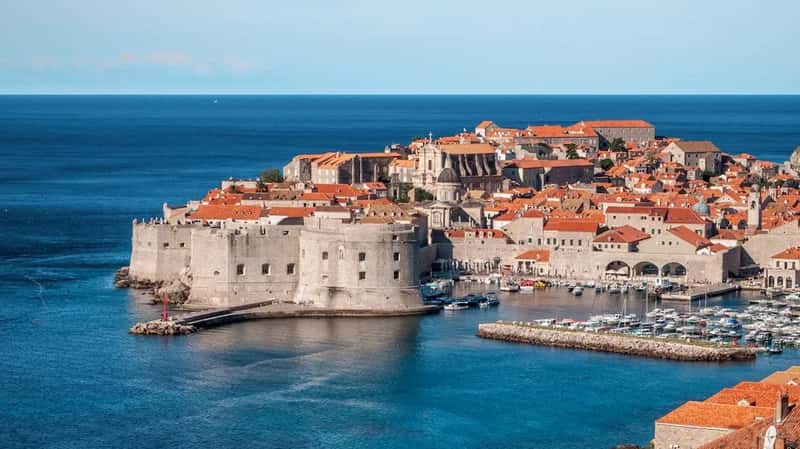
Dubrovnik’s fortified old town became a global sensation after appearing as a filming location in a hit fantasy series, and the tourism surge that followed has been relentless ever since. Cruise ships regularly dump thousands of passengers into the compact medieval core within a matter of hours, creating bottlenecks along the city’s narrow stone streets and stairways that were never designed for such volume. UNESCO pressure eventually pushed local authorities to limit cruise ship dockings and cap the number of vendors allowed within the old walls, though peak summer days still feel intensely crowded.
The good news is that Croatia’s coastline offers plenty of quieter alternatives with similar charm. Zadar, with its Roman ruins and unique sea organ built into the waterfront, gets a fraction of Dubrovnik’s crowds. Alternatively, the island of Vis, once a closed military zone and now a favorite among in-the-know travelers, delivers the same turquoise Adriatic waters without the cruise ship bottlenecks.
Overtourism isn’t going away this summer, and if anything, the measures now being rolled out across Venice, Santorini, Barcelona, the Amalfi Coast, and Dubrovnik confirm just how serious the strain has become. The silver lining is that Europe is full of destinations offering comparable beauty, history, and food without the queues, the fees, or the frustration of feeling like just another face in a very large crowd. Sometimes the best trip isn’t the one everyone else is taking.