For a lot of Americans nearing retirement, the number that keeps them up at night isn’t just how much they’ve saved, it’s how far that money will actually stretch. The good news is that geography still matters enormously in 2026, and a handful of states let retirees live well on a budget that would barely cover rent in places like California or Hawaii. These five states combine low housing costs, favorable tax treatment of Social Security, and everyday expenses that stay well under national averages.
Each of these states shows up repeatedly in national affordability rankings, and for good reason. They pair cheap real estate with tax codes that don’t punish retirees for collecting a pension or Social Security check, and that combination is exactly what makes a sub-$40,000 annual budget realistic rather than aspirational.
1. Mississippi

Mississippi consistently ranks near the very top of affordability lists, and the numbers back it up. The annual cost to retire ranges from $40,000 in Mississippi to $99,000 in Hawaii, with housing being the primary driver of this $59,000 difference. That single figure tells you almost everything you need to know about why so many retirees are looking at the Magnolia State.
Housing is the biggest reason costs stay low here. The Magnolia State ranks strongly for low housing costs, with the median home sale price in March 2026 at $260,430, the third lowest in the nation, and it ranks fourth lowest for cost of living. Add in a mild climate and a genuinely low overall cost of living, and it’s easy to see why Mississippi has held its affordability ranking for another year running.
2. West Virginia
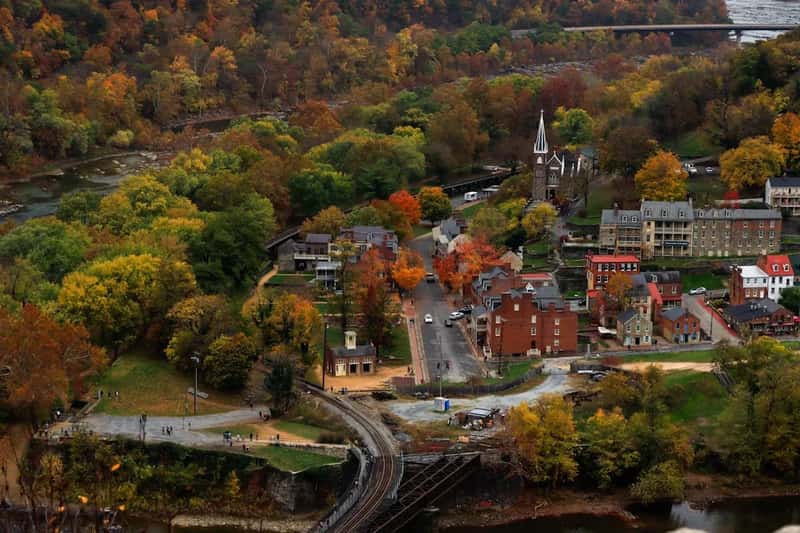
West Virginia has quietly become one of the most talked-about retirement states in 2026, and the tax change behind it is significant. As of the 2026 tax year, West Virginia no longer taxes Social Security benefits for anyone, completing a three-year phase-out that started in 2024. That’s a meaningful shift for retirees living mostly off fixed benefit checks, since every dollar kept out of state tax is a dollar that stretches the household budget further.
Beyond taxes, West Virginia simply has the cheapest housing in the country. West Virginia is the most affordable state for retirees, with the lowest housing costs in the nation, just $643 per month for a one-bedroom apartment. It has a median monthly rent of $643 for a one-bedroom apartment, and monthly grocery spend per capita is only $205, both the lowest in the U.S. Combine cheap rent, cheap groceries, and zero state tax on Social Security, and a $40,000 annual budget goes a long way in the Mountain State.
3. Oklahoma

Oklahoma routinely tops the “cheapest state to retire” lists, and it’s not just hype. Oklahoma and Arkansas stand out as the cheapest states to retire in 2026, with Alabama, Mississippi, and West Virginia rounding out the top five most budget-friendly options. Housing is a huge part of the equation, with typical home values sitting well below the national median in most parts of the state.
Healthcare costs also stay manageable, which matters more with each passing year of retirement. Oklahoma is a budget-friendly choice for retirees, offering affordable housing and low monthly homeowner costs, with a median home cost of $115,000, Medicare Advantage monthly cost of $59.75, and cost of living of $44,823. Pair that with the fact that Oklahoma consistently ranks among the states where a nest egg lasts the longest, and it becomes a serious contender for anyone trying to keep annual spending in check.
4. Arkansas

Arkansas often edges out its neighbors on pure dollar-and-cents affordability. By raw annual cost, Arkansas is the cheapest state to retire in 2026 at approximately $46,200 a year for a retiree aged 65 and older. While that figure sits a bit above $40,000 on a statewide average, costs in many of the state’s smaller cities and rural communities run noticeably lower than that number, especially once housing is factored separately from groceries and healthcare.
The cost-of-living data across Arkansas’s largest cities backs up its reputation for being easy on a retirement budget. The cost-of-living index in the five largest cities in Arkansas ranges from 76.6 to 89.8, with annual costs for groceries spanning $4,917 to $5,248 and annual housing costs ranging from $5,931 to $12,020. For retirees willing to settle outside the biggest metro areas, that combination of cheap housing and modest grocery bills makes a $40,000 lifestyle genuinely achievable.
5. Alabama

Alabama rounds out this list thanks to a tax structure that’s unusually kind to retirees. One of several Sunbelt states on the list, Alabama retirees benefit from no state income tax on Social Security and pension income, the lowest median property taxes, and no estate or inheritance tax. That trio of tax breaks means more of a fixed income stays in the retiree’s pocket rather than heading to the state treasury.
Alabama also shows up repeatedly in savings-longevity studies, which matters as much as the sticker price of daily living. Among the states where retirees can make $1 million last the longest, Oklahoma ranks first, followed by Mississippi second, Alabama third, and West Virginia fourth. A modest cost of living combined with genuinely favorable tax treatment is exactly the kind of one-two punch that keeps Alabama near the top of affordability rankings year after year.
None of these states will feel like a luxury retirement destination, and that’s sort of the point. What they offer instead is predictability: housing that doesn’t eat half a fixed income, grocery bills that stay reasonable, and tax codes that don’t claw back money already earned over a working lifetime. Healthcare access and quality do vary across this group, so anyone seriously considering a move should look closely at local hospital systems and specialist availability before packing boxes.
Retirement affordability isn’t only about the sticker price of a home or the state income tax rate. It’s the sum of small, recurring costs, groceries, utilities, insurance, that either quietly drain a fixed income or leave room for the things that actually make retirement enjoyable. For retirees willing to trade coastal glamour for genuine financial breathing room, Mississippi, West Virginia, Oklahoma, Arkansas, and Alabama remain five of the most realistic places in the country to make a retirement budget under $40,000 actually work.