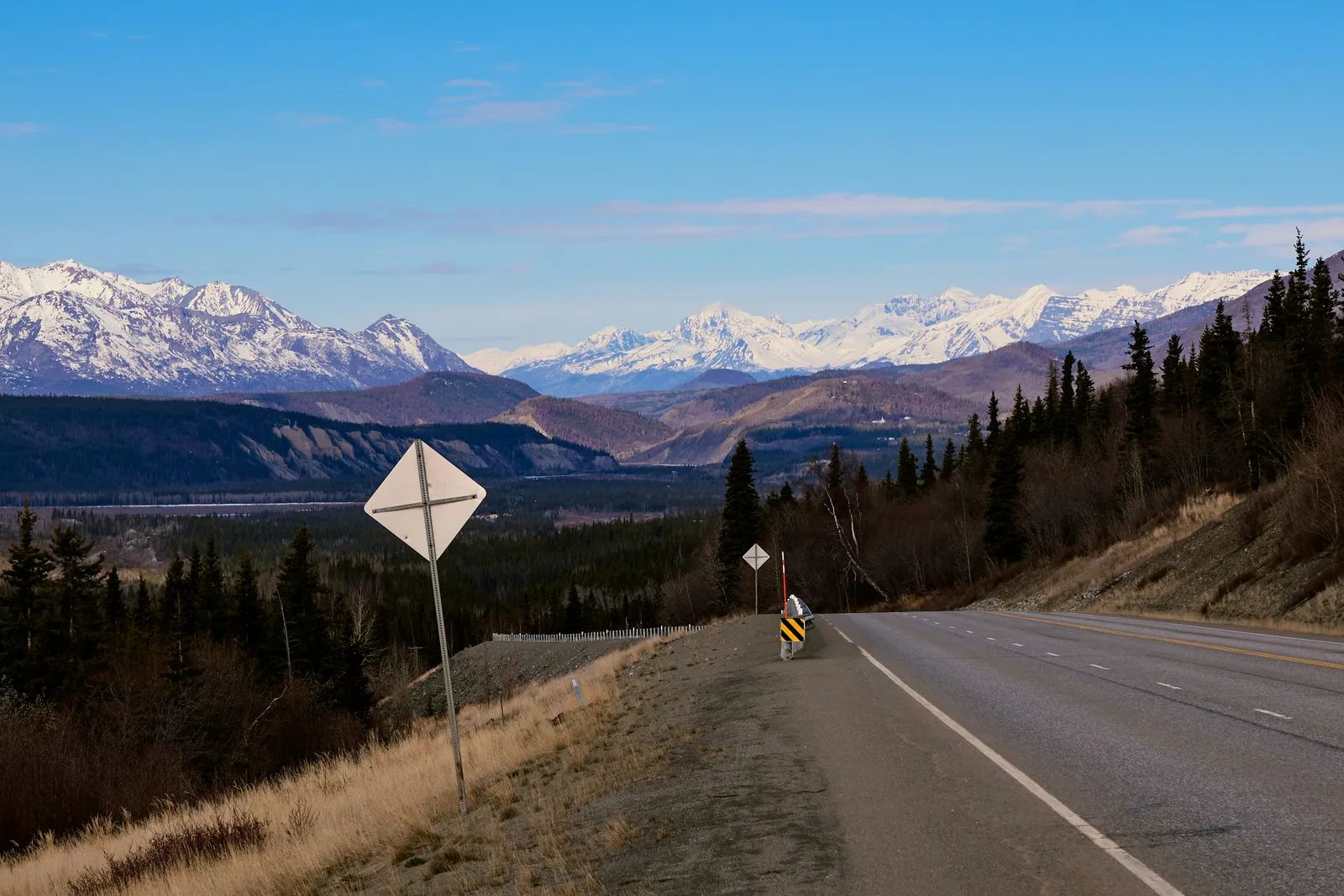
San Francisco greeted the Wings of Survival team with clear skies as Leanna Carriere and Timm Döbert rolled across the Golden Gate Bridge. The pair had covered roughly 6,000 kilometers, or about 3,700 miles, in 58 days since leaving northern Alaska. Their route traces the path of a tagged whimbrel, a shorebird whose annual flight spans continents, and the cyclists are using the journey to draw attention to the connected habitats these birds require.
The Distance That Changes Perspective
Reaching one-fifth of their planned 30,000-kilometer expedition already places the effort in rare company. Most travelers experience landscapes from fixed points or short segments. Carriere and Döbert instead move at the pace of migration itself, passing through coastal ranges, river valleys, and urban corridors that together form the living network the birds must navigate each year. The physical scale quickly becomes personal. Riders who have covered thousands of miles in under two months develop an instinctive sense of how far a small bird travels on its own power. What once appeared as simple lines on a map now registers as repeated crossings of mountains, deserts, and open water, all completed without rest stops or mechanical assistance.
Two Riders, Complementary Views
Carriere and Döbert share the same route and the same daily demands, yet their observations diverge in useful ways. Carriere tends to focus on the people encountered along the way, noting how local creativity and commitment translate into practical conservation steps. Döbert returns more often to the tagged birds and the scientific questions their movements raise about habitat needs across entire flyways. The combination proves effective. One perspective keeps the expedition grounded in human stories and community action. The other maintains a clear line to the ecological data that justifies the effort. Together they present migration not as an abstract concept but as a series of real challenges that require both scientific insight and public support.
Why the Journey Matters Beyond the Miles
Wings of Survival was launched to highlight wildlife conservation, habitat protection, and the value of direct contact with nature. Every kilometer offers fresh chances to speak with residents, students, and outdoor groups about the corridors that link distant breeding and wintering grounds. The expedition’s progress through the United States has already sparked conversations that extend well past the cyclists themselves. Artist Tora Benzeyen contributes monthly sketches that mark milestones, beginning with a whimbrel portrait that underscores the focal species. These visual updates help translate the long-distance effort into images that resonate with audiences who may never pedal the same roads. The broader lesson is straightforward. Migratory species succeed only when the full chain of habitats remains intact. By experiencing that chain at human speed, Carriere and Döbert make the connections visible in a way static reports rarely achieve.
Looking Ahead on the Pacific Route
With San Francisco behind them, the team continues south toward the tip of Patagonia. The remaining distance will test endurance further, yet the same mix of determination and purpose that carried them this far remains evident. Communities along the way continue to respond with interest, whether through local events or simple conversations at roadside stops. The expedition demonstrates that conservation stories gain power when they are lived rather than only described. As the riders press onward, they carry both the data from tagged birds and the human connections formed along the route, two threads that together strengthen the case for protecting migratory pathways. The journey is far from complete, but the first major segment already shows how movement itself can reshape understanding of the landscapes wildlife must cross year after year.