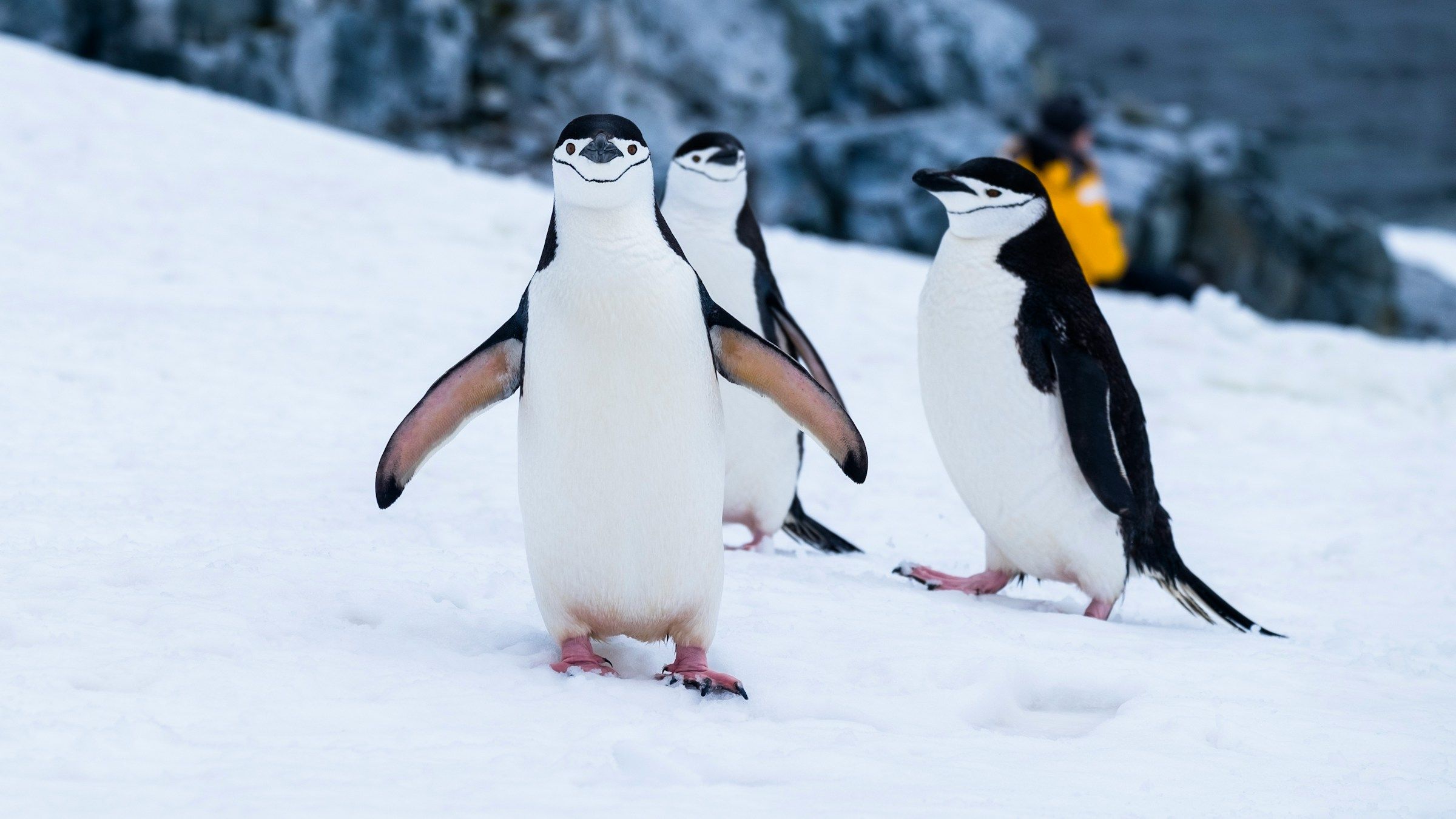
Every winter, the ocean around Antarctica freezes over on a scale that’s hard to picture. In 2026, it expanded from a late summer low of roughly 2.6 million square kilometers to a September peak of about 17.6 million. Headlines about growing ice can sound like good news for anyone planning a trip south.
The real picture is more textured than that. Seasonal growth, long term trends, wildlife health and crowded landing sites all shape what a visit looks like. Here are five points worth understanding before you book.
Seasonal Growth Is Normal, but the Recent Pattern Is Not
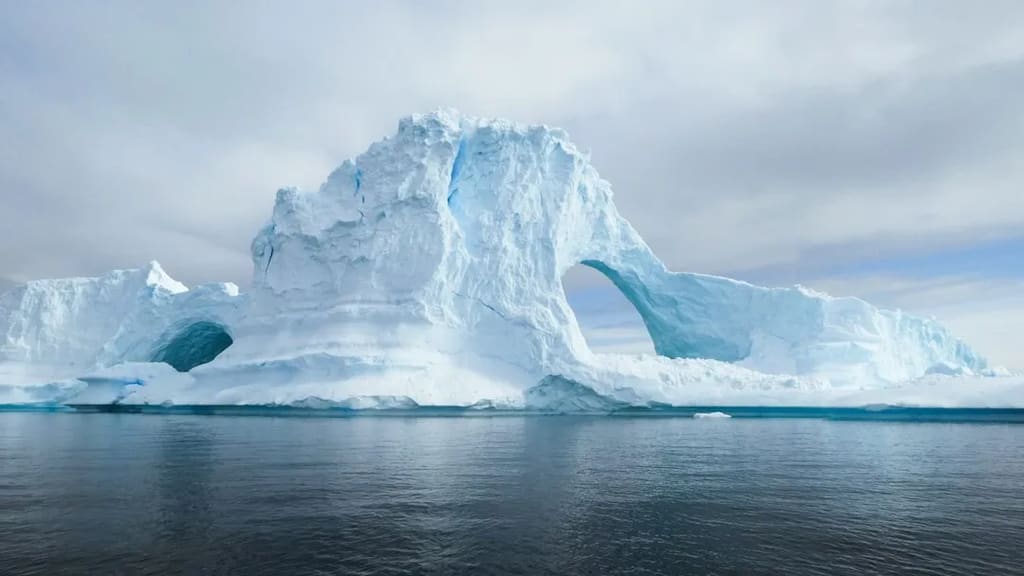
Antarctic sea ice most likely reached its 2026 maximum on September 14 at 17.59 million square kilometers, which would be the third lowest maximum on record.[1] Only 2024 and 2023, the record low, came in lower, and the last four years have produced the four lowest winter maximums on record.[2]
The summer low looked a little healthier. Sea ice extent on February 26, 2026 averaged 2.58 million square kilometers, the sixteenth lowest in the 48 year satellite record.[3] That was closer to average than the past four years and 730,000 square kilometers above the record low set in February 2023.[4] It still sat 260,000 square kilometers below the 1981 to 2010 average[4], so “growing” is a relative word here.
Ice Conditions Can Change Faster Than You’d Expect
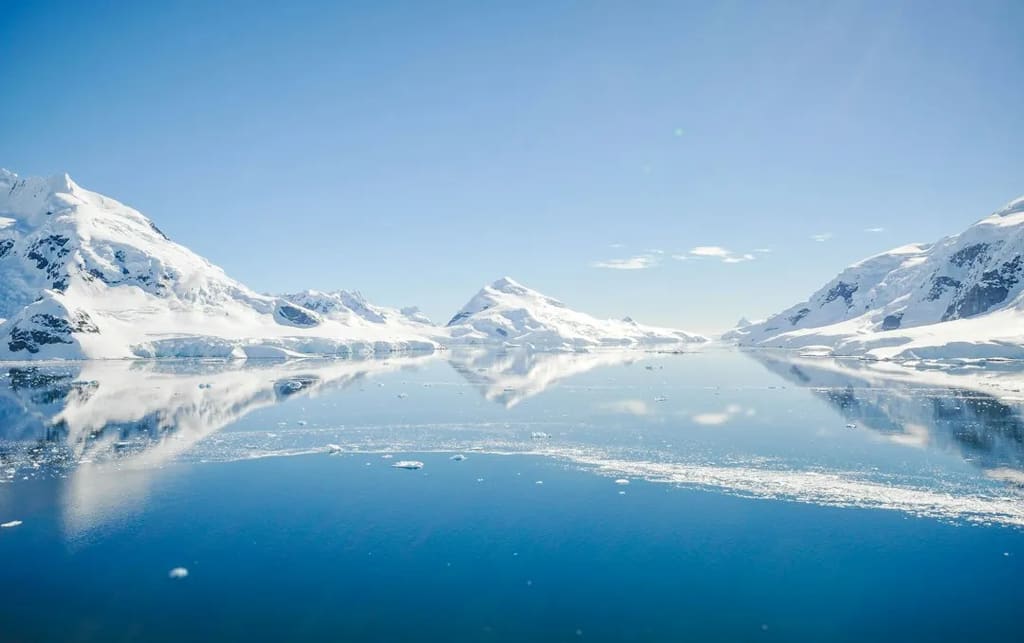
Antarctic sea ice swings a lot from one year to the next, and sometimes within a few days. In August 2026, the ice underwent an unusually large midwinter decline over the course of a week.[5] After the September peak, it melted so quickly that by early October extent hit a record low for that time of year in the satellite record.[2]
That’s useful context if you’re thinking about the austral spring shoulder season. The ice edge isn’t a fixed line, and regional differences are real. In late winter, the Amundsen Sea and much of East Antarctica had low sea ice extent[5] even as other areas recovered. Researchers are also careful about the cause: one NSIDC contributor cautions against tying recent downturns directly to climate change[2], since the science is still unsettled.
The Travel Season Is Short and Centered on the Peninsula
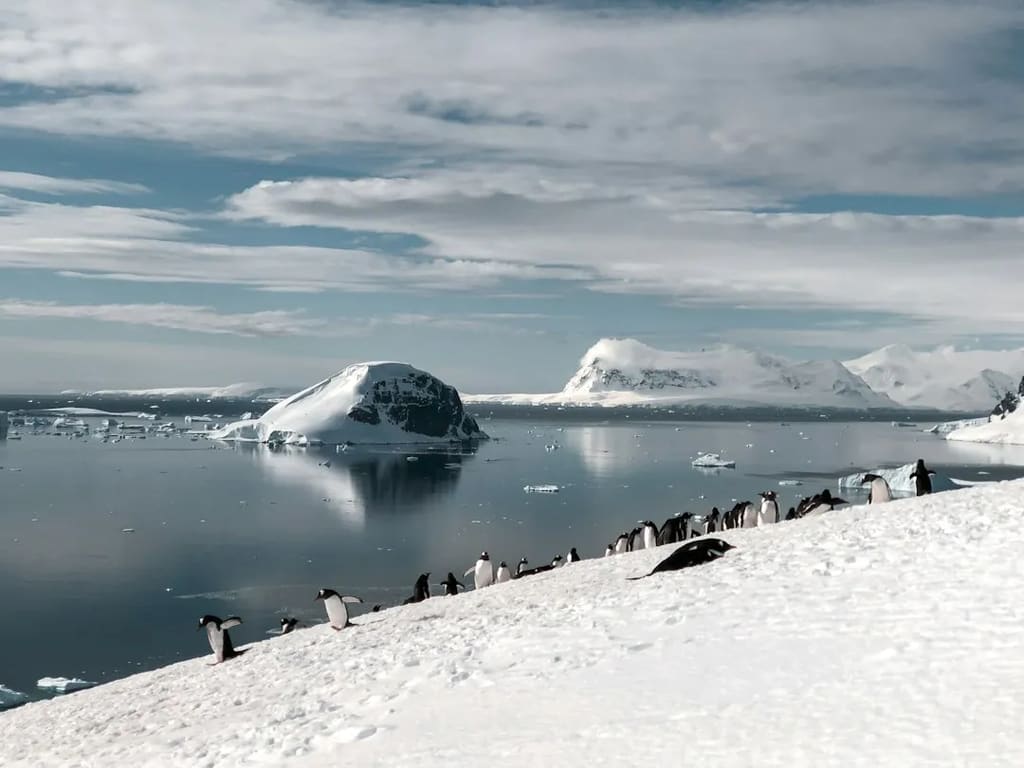
The summer tour season runs from November to March.[6] Nearly all of it happens in one place: the Antarctic Peninsula is the destination for 98 percent of tourist vessels.[6] It’s the easiest part of the continent to reach from South America, so it absorbs most ship based tourism.[7]
Numbers for the 2025 to 2026 season have settled. The International Association of Antarctica Tour Operators (IAATO) counted 113,518 visitors by sea and deep field.[8] That’s about four percent below the 2024 to 2025 season.[8] The previous season had recorded 118,162 people traveling with IAATO members.[9]
Landing Sites Are Crowded, and Rules Decide Your Shore Time
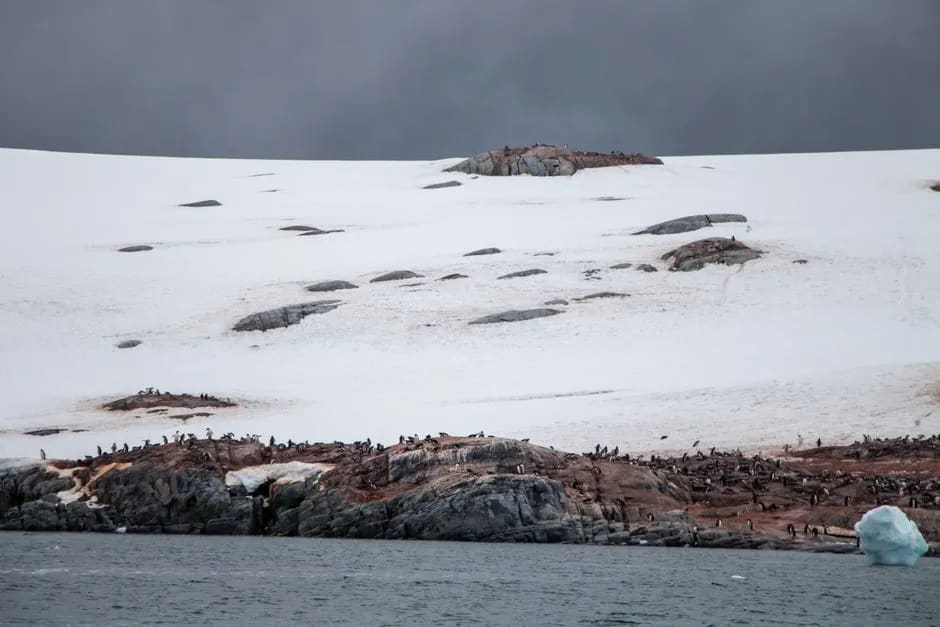
A small group of places receives most of the footsteps. The five busiest landing sites by vessels in 2025 to 2026 were Neko Harbour, Whaler’s Bay, Portal Point, Cuverville Island, and Damoy Point/Dorian Bay.[10] Together they account for approximately 26.5 percent of all landed visits[10], which is roughly one quarter.
Related Stories From Travelbinger


Management rules help spread the load, though they have limits. IAATO sets controls for the forty two most popular landing sites but doesn’t cap the number of tourists in a season.[11] The mix of travelers is shifting too. Landed visits increased about six percent, from 80,455 to 85,195.[8] Meanwhile, cruise only visitors, who never set foot on the continent, numbered 36,769 the season before[9], and that figure fell to 27,217 in 2025 to 2026.[8]
Bird Flu Has Changed How Visitors Behave on Shore
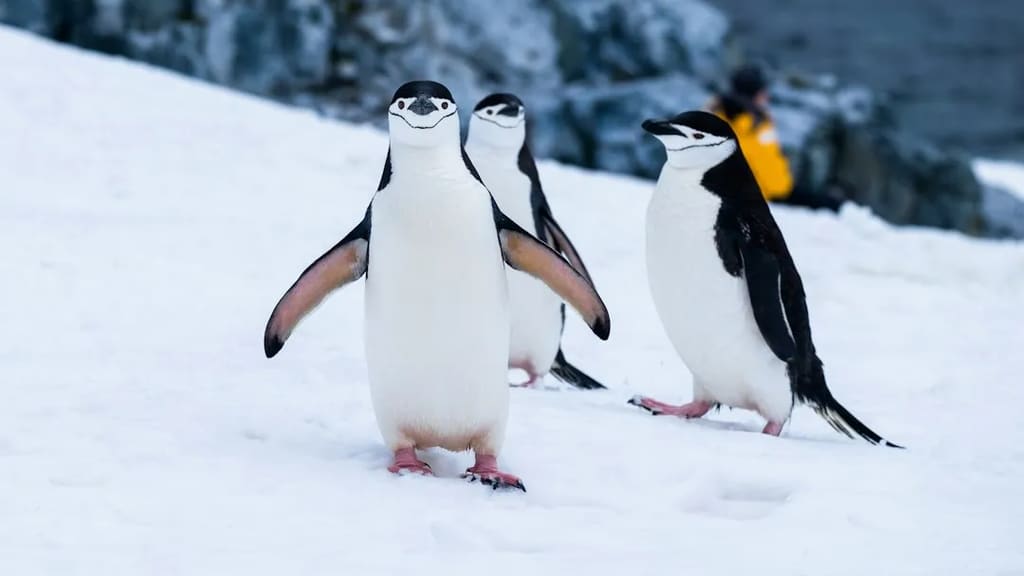
Highly pathogenic avian influenza (H5N1) was first detected in the Antarctic Peninsula region in December 2023, with outbreaks confirmed through the 2025 to 2026 summer.[12] Outbreaks were also confirmed in East Antarctica that season.[12] In early 2026, the Uruguay Antarctic Institute reported suspected mass mortality of gentoo penguin chicks on Ardley Island.[13] The U.S. Antarctic Program’s September 2026 guidance describes an ongoing high risk that the virus will keep spreading in the 2026 to 2027 season.[12]
For travelers, that means more procedures than in the past. Operators require boot washing between landings and ban sitting or setting equipment directly on the ground.[14] Scientific guidance also advises keeping minimum approach distances to all wildlife and staying clear of carcasses and any animal showing signs of disease.[15] Expect briefings to be firm, and expect itineraries to adapt if a site is closed.