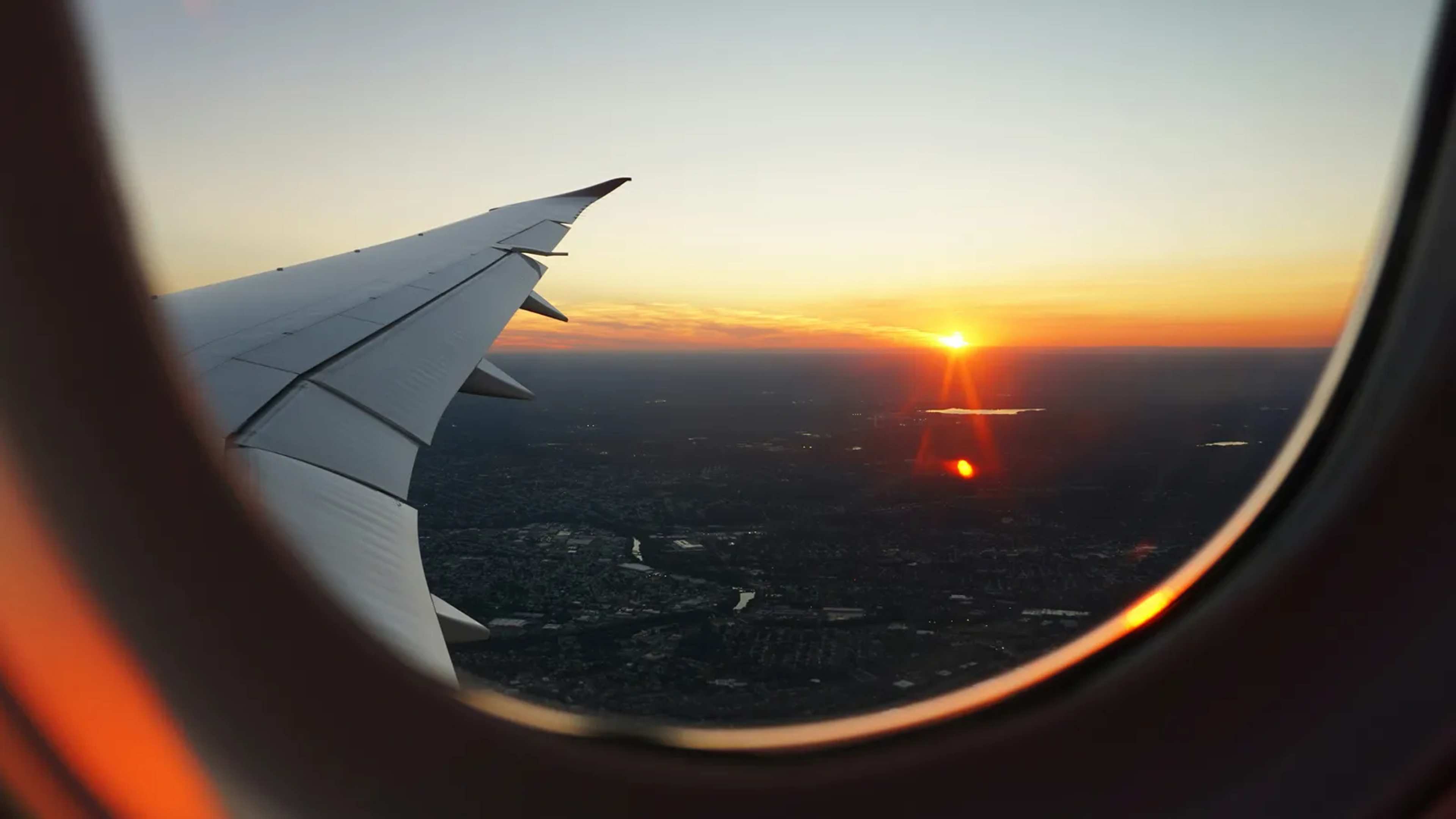
International travel from the United States has bounced back strongly in recent years, with millions of Americans boarding flights to Europe, Asia, and Latin America every single year. Yet along with that wanderlust comes a familiar pattern of avoidable errors, the kind that do not just cause minor embarrassment but can lead to real financial loss, medical trouble, or legal headaches. Some of these mistakes are so ingrained in how Americans travel domestically that they barely register as risky until something goes wrong overseas.
What makes this list different from a typical “cultural faux pas” roundup is that these five mistakes carry consequences beyond an awkward moment at a café. They touch on money, health, legal status, and personal safety, areas where a small oversight before departure can turn into a very expensive or very stressful problem abroad.
1. Assuming U.S. Health Insurance or Medicare Covers Them Overseas

One of the most dangerous assumptions American travelers carry abroad is that their domestic health coverage simply follows them across borders. It does not, at least not automatically. The U.S. government does not pay medical costs for U.S. citizens traveling abroad, so travelers need to plan ahead in case of any hospital visits, emergencies, or other unexpected expenses during a trip.[1] This gap catches retirees especially off guard, since U.S. Medicare and Medicaid do not pay for medical care outside the United States.[1]
The fix is straightforward but frequently skipped: it’s recommended that travelers buy travel health insurance before their trip[1], and it’s worth checking with a regular provider first, since travelers should check with their U.S. health insurance provider and ask if they cover emergency and routine medical care while abroad[1]. If the answer is no, a short-term travel medical policy fills that gap for a fraction of what an overseas hospital stay could cost out of pocket. Skipping this step is one of those mistakes that feels harmless until an ankle sprain on cobblestones turns into a four-figure bill in a currency you don’t recognize.
2. Ignoring State Department Travel Advisories and Enrollment Programs

Plenty of Americans book a flight, pack a bag, and never once glance at the destination’s official risk rating. That is a mistake worth correcting, because a Travel Advisory is a report from the U.S. Department of State that describes the risks and recommended precautions for U.S. citizens in a foreign destination, and the Department of State has no higher priority than the safety and security of U.S. citizens abroad.[2] These advisories are not static documents either; the levels are reviewed every twelve months for lower-risk destinations, at least every six months for higher-risk ones, and updated any time conditions change substantially.[2]
Understanding the four-tier system matters too, since the term “travel advisory” typically refers to U.S. travel alerts at levels 1 to 3, while “travel warning” refers to a level 4 travel status of “Do not travel.”[3] Beyond simply checking the level, travelers should sign up for the Smart Traveler Enrollment Program (STEP) to receive email updates from the local U.S. embassy[2] before departure. It takes five minutes and it is the closest thing to a safety net if unrest, a natural disaster, or a health emergency erupts while you are on the ground.
3. Skipping Visa and Entry Paperwork Because “It Wasn’t Needed Last Time”

A surprising number of seasoned travelers get tripped up by entry requirements precisely because they assume experience protects them. Consider what happened to one Honolulu attorney who had traveled to Europe many times and figured the same rules applied everywhere. She tried to fly to New Zealand and, being so used to traveling to Europe, assumed she didn’t need a visa to enter.[4] She was wrong, and the consequences were immediate. She couldn’t check in for her flight, and the agent waved her away and said she had to get a visa online.[4]
This kind of paperwork mistake is becoming more common rather than less, partly because travel rules keep shifting. Travelers are making all kinds of new mistakes, including failing to do research, or worse, outsourcing it to an AI, and not giving themselves enough time to make a flight connection.[4] Europe itself is adding a new layer soon, since the European Travel Information and Authorization System, or ETIAS, is a pre-entry requirement scheduled to go into effect at the end of 2026[4], meaning even visa-free travel to the EU will soon require advance online authorization. The lesson holds regardless of destination: never assume last year’s entry rules still apply this year.
4. Losing Money to Dynamic Currency Conversion and Hidden ATM Fees

Few travel mistakes are as quietly expensive as agreeing to pay in U.S. dollars when a foreign card terminal or ATM offers the choice. That “convenient” option, known as dynamic currency conversion, almost always costs more than it looks. Dynamic currency conversion gives travelers the option of paying in U.S. dollars instead of the local currency, but there’s usually a sizable markup for this service, with one investigation finding that prices increased by 2.6% to 12.0% when using it.[5] Some cases run even higher, since there have also been reports of more extreme examples, including DCC rates as high as 18.0 percent.[5]
ATMs compound the problem in other ways too. Withdrawing cash abroad can trigger several charges stacked on top of each other, because pulling out local cash abroad can trigger up to three separate charges, including the bank’s foreign-transaction percentage, a flat issuer fee, and a surcharge set by whoever owns the machine.[6] The fix is simple and costs nothing: whenever a terminal or ATM abroad asks whether to charge in home currency or local currency, always choose the local currency, since letting your own bank do the conversion is almost always cheaper, and saying no to DCC is the single highest-value habit for cutting travel costs.[6]
5. Assuming Local Laws, Customs, and Norms Mirror the United States

Perhaps the broadest and most underestimated mistake is walking into a foreign country with an American mental map and expecting it to work everywhere else. Even trips to culturally familiar places carry hidden pitfalls, and travel experts consistently point to this same blind spot. Travel experts say most mistakes stem from Americans underestimating how different European norms can feel, despite Western cultural similarities.[7] That underestimation stretches from small daily habits to bigger legal and safety questions, since small behaviors surrounding clothing, dining, transportation, personal safety, and communication can shape how travelers are perceived abroad.[7]
This applies even to countries Americans think they already know well, whether it’s a neighboring country or a familiar tourist hub. Security professionals stress the same basic advice regardless of destination: “Always research the destination thoroughly, including local customs, laws, and cultural norms.”[4] Skipping that step, or assuming a place hasn’t changed since a previous visit, is exactly how travelers end up blindsided by rules, risks, or social expectations they never saw coming.
None of these five mistakes require exotic circumstances to cause damage. They happen on ordinary trips to ordinary destinations, often to travelers who consider themselves experienced. The good news is that every one of them is preventable with a bit of homework done before departure, whether that means calling a health insurer, checking the State Department’s advisory page, confirming visa rules, memorizing one simple ATM habit, or spending twenty minutes reading up on local norms. Travel is supposed to be the reward after the planning, not a lesson learned the hard way.