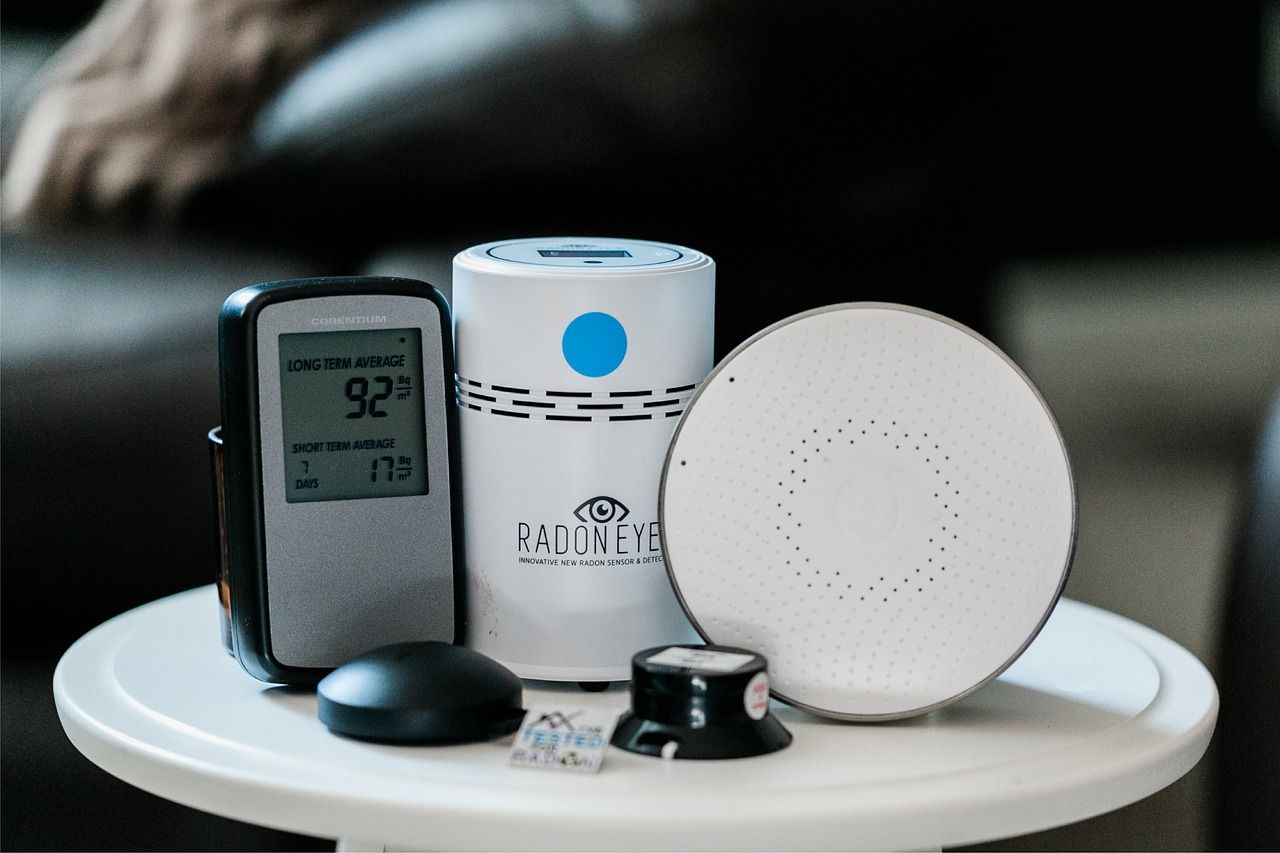
Radon rarely makes it onto anyone’s travel bucket list, mostly because you can’t see it, smell it, or taste it. Yet this odorless radioactive gas is quietly becoming a bigger part of the conversation in some of the most visited landscapes in North America and Europe, from ski towns to coastal cliffs.
Newer testing programs, updated government mapping, and a handful of 2025 and 2026 studies have started to fill in gaps that used to leave whole regions in the dark. What they’re finding is not always comforting, especially in places people associate with clean mountain air or dramatic scenery.
Alaska’s Wilderness Comes With an Invisible Catch
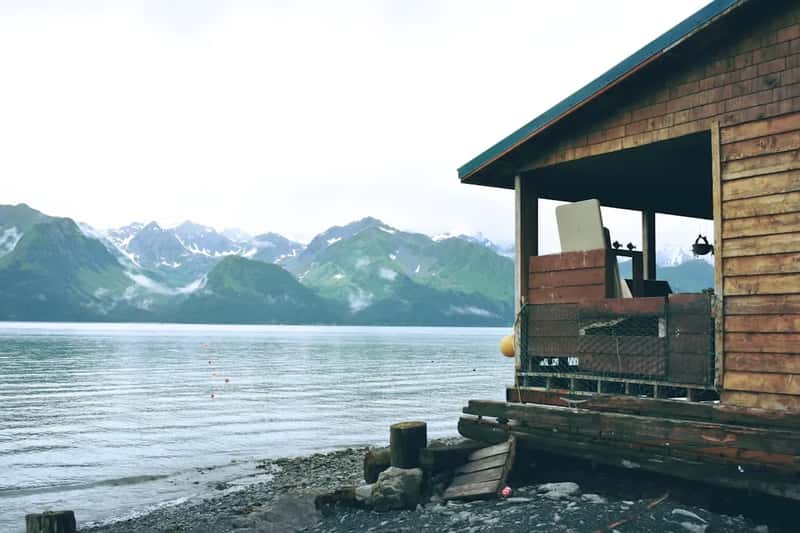
Alaska draws travelers with glaciers, wildlife, and the northern lights, but it also holds a less scenic distinction. Alaska is one of the most spectacular travel destinations on Earth, and it is also, verified by state-level data, the most radon-intense location in the entire United States, with an average of 10.7 pCi/L.[1] That number is worth pausing on, since the EPA’s own guidance sets the action threshold far lower.
To put that in perspective, the EPA’s recommended action level is 4 pCi/L.[1] Anyone spending a week in a remote lodge or a basement level cabin room is, in effect, breathing air that would trigger a mandatory fix if it showed up in a permanent residence. Visitors spending extended time in lodges, cabins, or basement-level hotel rooms in Alaska are exposed to levels that would trigger mandatory mitigation if this were someone’s permanent home.[1] It’s not a reason to skip the trip, but it is a reason to ask about ventilation before booking a stay of any length.
Colorado’s Summit County Ski Towns Sit on a Radon Hot Spot
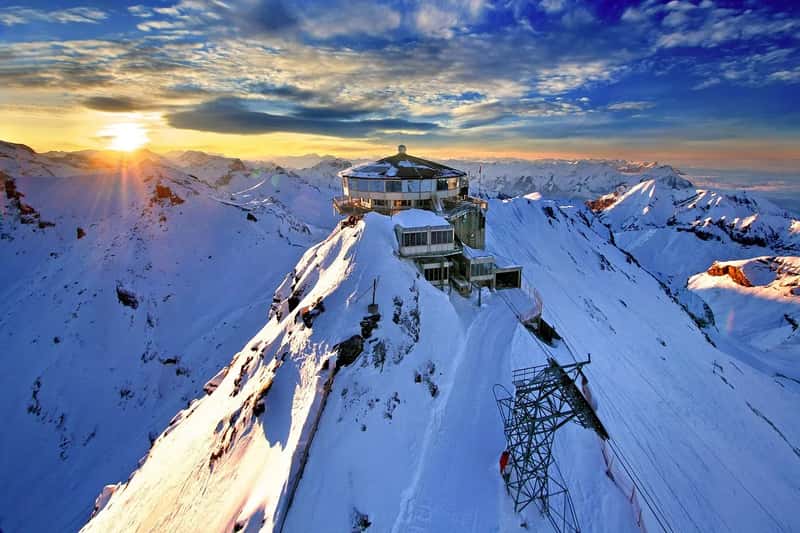
Breckenridge, Keystone, Frisco, Dillon, Silverthorne, and Copper Mountain pull in millions of skiers and summer hikers every year, and all of them sit inside the same geological zone. Breckenridge is part of Summit County, which the EPA lists as a Zone 1 risk for radon exposure.[2] That classification isn’t a minor footnote either.
Zone 1 means that average households will have a radon level above 4 pCi/L.[2] Local health officials have gone further with their own measurements. Summit County Environmental Health has conducted its own research and found that indoor radon levels in the area have, on average, a radon level of 10 pCi/L.[2] That’s more than double the EPA’s action line, in condos and rental cabins that turn over guests every few days.
Idaho’s Panhandle Draws Visitors and Radon in Equal Measure
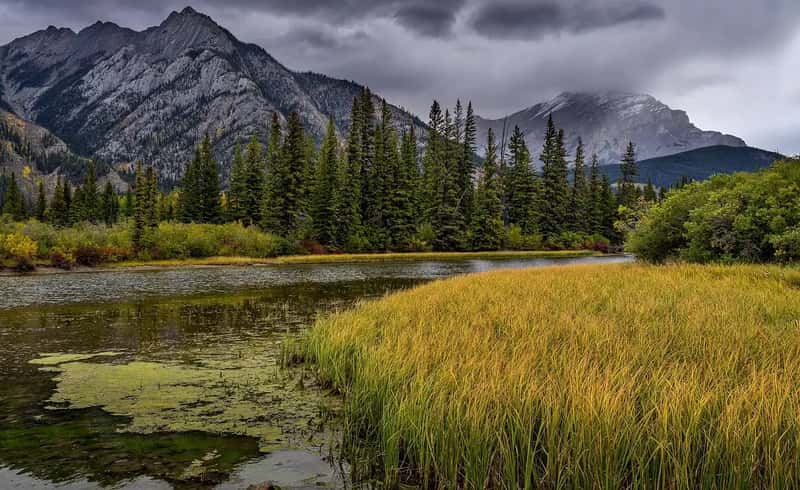
Idaho’s mountains and lakes have become a magnet for outdoor tourism over the past decade, but the same rock formations that make the scenery dramatic also produce a steady seep of radon. Idaho lands just behind Montana on recent rankings, with an average of 7.3 picocuries per liter and a long list of homes above the EPA danger line, especially in the panhandle and mountain regions.[3] That’s nearly double the federal action threshold on average.
Short-term vacation rentals in these areas rarely get tested the way a permanent home would before a sale. Long-term residents who buy a home usually order a radon inspection, but a family renting a cabin for a long weekend almost never thinks to ask. The gap between what homeowners know and what travelers know is part of why the risk stays under the radar in a place better known for lake views than lung health warnings.
Montana’s Big Sky Country Has a Complicated Radon Story
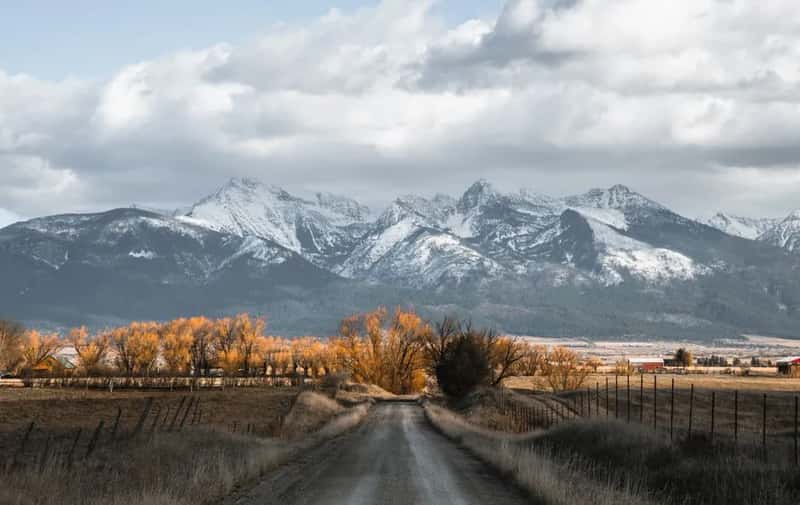
Montana markets itself on clean air and open space, which makes its radon numbers a little jarring by contrast. Montana advertises big sky and clean rivers, yet its average radon level of about 7.4 picocuries per liter undercuts the “pure air” image.[3] The irony deepens in one particular corner of the state, where radon isn’t hidden at all. It’s the main attraction.
Between the towns of Boulder and Basin, a cluster of old mines has turned radon exposure into a tourism draw rather than a warning label. A half-dozen defunct gold and uranium mines south of Helena, Montana, attract ailing tourists who bask in radioactive radon gas and drink radioactive water, with hundreds of visitors each summer coming to treat arthritis, lupus, asthma, and other chronic conditions.[4] Some of these mine shafts advertise radon concentrations that dwarf residential safety limits, which makes the whole practice controversial among health researchers even as loyal visitors keep coming back.
Ohio’s Newark Area Has the Nation’s Highest Predicted Concentration

Ohio doesn’t usually come up in conversations about radioactive risk, which makes its numbers all the more surprising. Areas around the city of Newark in Ohio were found to have the highest predicted average radon concentration in the entire nation at 246 Bq/m³, a stunning statistic given that it’s not a mountainous, uranium-rich western state but a mid-sized Ohio city.[5] Newark sits within driving distance of Columbus and draws a steady stream of visitors for its historic earthworks and small-town charm.
The broader picture backs up the local data. A 2025 Harvard School of Public Health study using predictive modeling found that almost a quarter of the US may be exposed to dangerous radon levels above 4.0 pCi/L, with Ohio figuring prominently in those high-risk zones, particularly in the central part of the state.[5] For a region that doesn’t fit the usual radon stereotype, that’s a hard number to ignore.
Washington State’s Glacial Past Still Shapes Its Present Risk
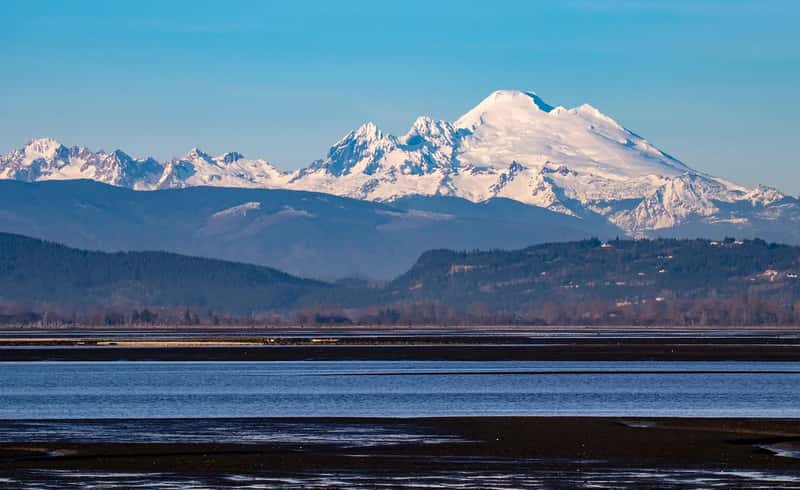
Coffee culture and rainforest scenery usually dominate the pitch for Washington State, and radon almost never enters the picture. Most people connect Washington State with rain, coffee, and tech campuses, and radon rarely makes the conversation.[5] That silence doesn’t match the underlying geology, though.
Glacial deposits left behind thousands of years ago carry the same radium-bearing sediment found in other high-radon states, and Washington’s average sits close to 7.5 pCi/L in several counties. Wine country day trips and Cascade mountain lodges built into hillsides can trap the gas in basements and lower floors, especially in older buildings without modern sealing. It’s the kind of risk that stays invisible until someone actually runs a test.
Iowa’s Farmland Carries a Hidden Ice Age Legacy
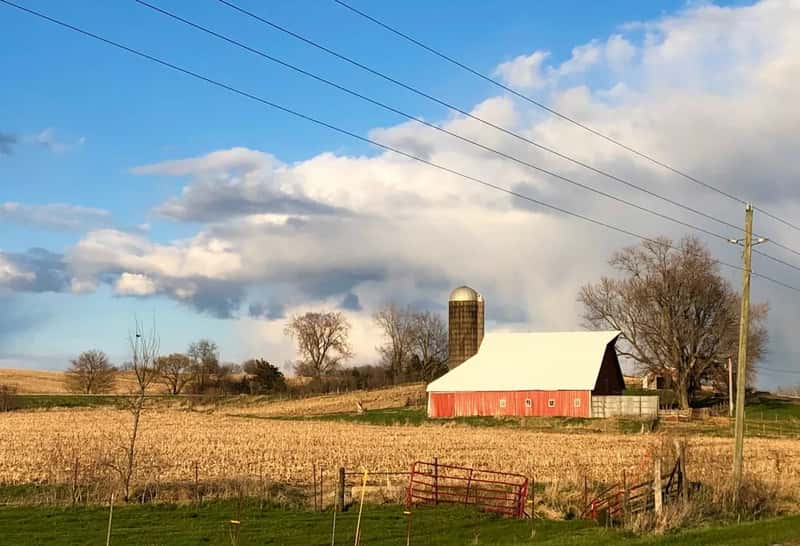
Iowa’s rolling farmland looks nothing like a radon hazard zone, but its geological history tells a different story. High levels of radon in Iowa may be attributed to the state’s glacial history, since the passage of glaciers over Iowa led to the deposition of finely ground rocks that contain radium, and that deposit constitutes a large surface area that emits radon gas.[6] Farm stays, wineries, and rural bed-and-breakfasts have grown as a tourism niche across the state, often in older farmhouses with the same basement exposure risks locals have lived with for generations.
State health officials have started responding more aggressively. In January 2025, the Iowa Department of Health and Human Services and the American Lung Association started an initiative to provide free radon test kits in Iowa.[6] It’s a practical step, though it mostly reaches residents rather than the tourists passing through for a weekend at a converted barn or lakeside cottage.
Cornwall’s Granite Coastline Draws Visitors and Radon Alike

Cornwall’s cliffs, beaches, and fishing villages pull in visitors from across the UK and beyond, and the same granite bedrock that gives the coastline its rugged character also happens to be a major radon source. In Cornwall, elevated levels of radon are prevalent compared to other regions in the UK, primarily due to the granite present in the landscape, which generates radon more rapidly than many other types of rock.[7] Cottage rentals scattered across the region, many of them older stone buildings, sit squarely in this geology.
UK health guidance treats this seriously, and the numbers explain why. Much of Cornwall is designated as a radon affected area, meaning at least 1% of domestic properties have a radon level at or above the action level of 200 Becquerels per cubic metre, which is ten times the national average for domestic properties.[8] The South West is the most affected area in the UK.[8] A short holiday cottage stay is unlikely to cause harm on its own, but longer stints in older rentals without ventilation upgrades add up over time.
The Bigger Picture Behind Rising Numbers
None of these eight destinations became radon hot spots overnight. The geology has been there for millions of years, quietly releasing gas from decaying uranium in granite, glacial till, and volcanic rock. What’s changing is detection, awareness, and in some cases, the conditions that let radon build up indoors.
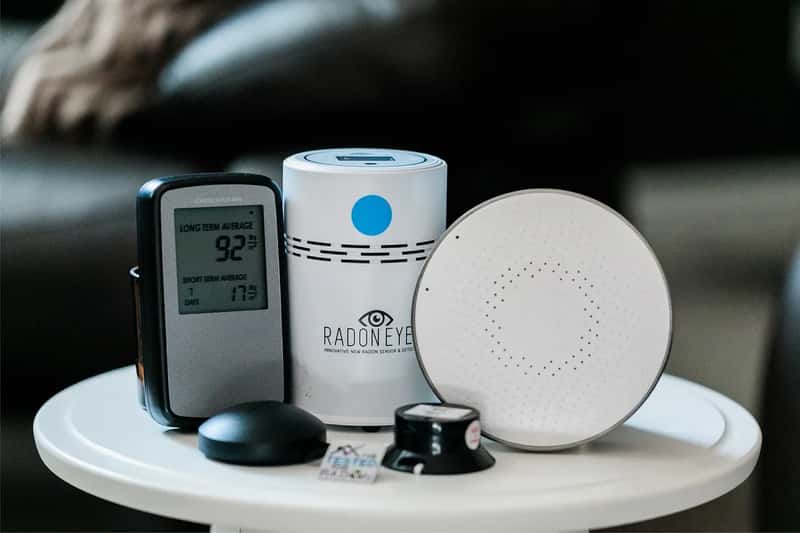
Climate change is expected to increase radon exposure in homes as thawing permafrost releases more radon gas into the atmosphere and buildings, while warmer temperatures lead to more frequent use of tightly sealed ventilation systems that reduce air exchange rates and increase radon concentrations.[9] Add in a national push for energy efficient, tightly sealed construction, and older buildings retrofitted with better insulation can trap more radon than they used to release naturally. Testing remains cheap and straightforward wherever you’re staying, whether that’s a Colorado ski condo or a Cornish stone cottage, and it’s still the only real way to know what’s actually in the air.