Florida’s reputation runs on theme parks and crowded beaches, and for good reason. Yet the state’s back roads hide small towns and wild corners that rarely make the highlight reel, places where the pace slows down and the scenery does something Florida isn’t usually known for: surprise you. These five spots won’t show up on most vacation itineraries, but they reward the traveler willing to take the long way around.
Micanopy, the town that time forgot
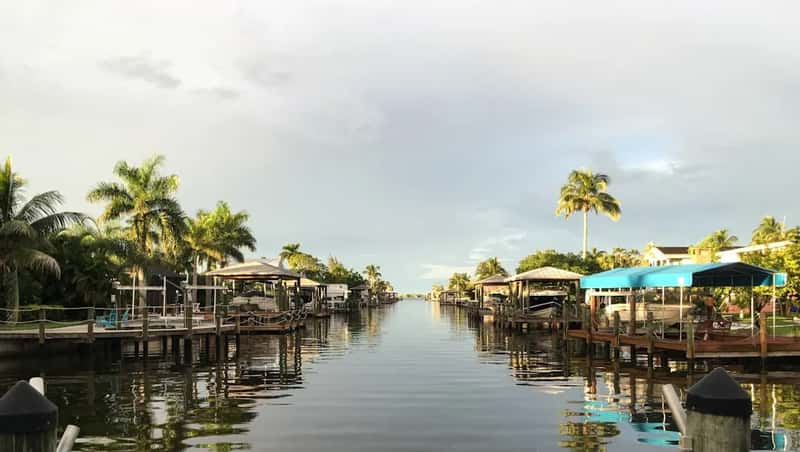
Just south of Gainesville, Micanopy is quintessential Old Florida, a small town where magnificent live oak trees draped in Spanish moss line the main street and visitors can ease into a slower pace of life.[1] Established in 1821, Micanopy is Florida’s oldest inland town, taking its unusual name from a Seminole Chief who lived in the area in the 1700s.[2] The whole downtown core, centered on Cholokka Boulevard, still feels frozen somewhere in the early 1900s.
Micanopy’s historic district, Cholokka Boulevard, is listed on the National Register of Historic Places, with Greek Revival homes and historic public buildings sharing the downtown core with locally owned boutiques, antique shops, and cozy cafes.[2] Film buffs might recognize the storefronts, since several scenes from the movie Doc Hollywood were shot right on Main Street. The Micanopy Historical Society Museum digs into two centuries of local history, with exhibits on the Second Seminole War and Florida’s colonial eras, plus a model fort and a replica 1800s general store.[2] It’s a slow half-day trip, and that’s exactly the point.
Apalachicola, where oyster boats meet 19th-century charm
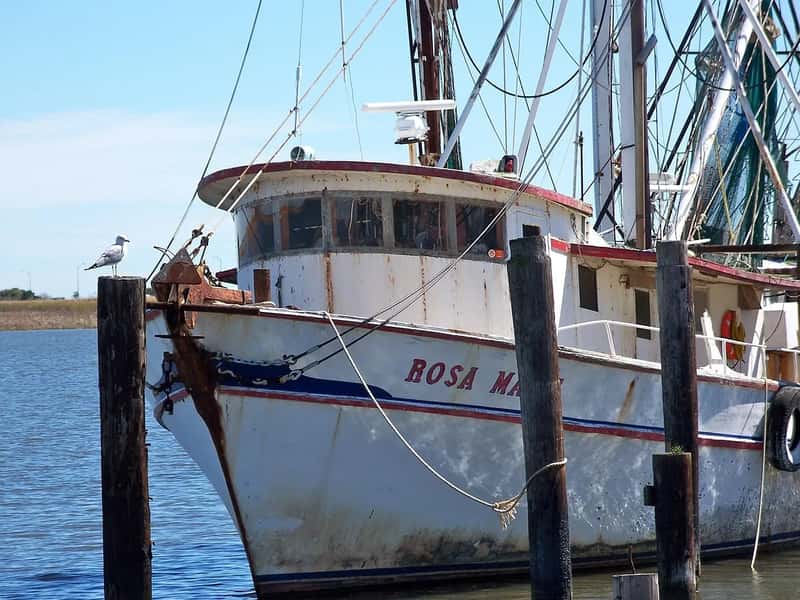
Tucked along the Florida Panhandle’s Forgotten Coast, Apalachicola built its reputation on seafood long before “farm to table” became a marketing phrase. The town’s rich history is reflected in its beautiful collection of 19th-century architecture, particularly in the historic waterfront district and at the John Gorrie Museum, which honors the inventor of mechanical refrigeration.[3] Wandering the grid of oak-lined streets downtown feels like stepping into a maritime museum that never closed.
Nature lovers have just as much reason to linger. The nearby Apalachicola National Estuarine Research Reserve is a must-visit, as it safeguards one of the most diverse coastal ecosystems in the nation.[3] Just south of town, the Cape St. George Island State Reserve boasts pristine barrier island beaches, offering miles of clean, uncrowded shoreline, a perfect destination for a peaceful day in the sun.[3] Between the oyster shacks downtown and the empty beaches a short drive away, it’s easy to spend three days here without ever feeling rushed.
Cedar Key, an old fishing town that never chased the boom
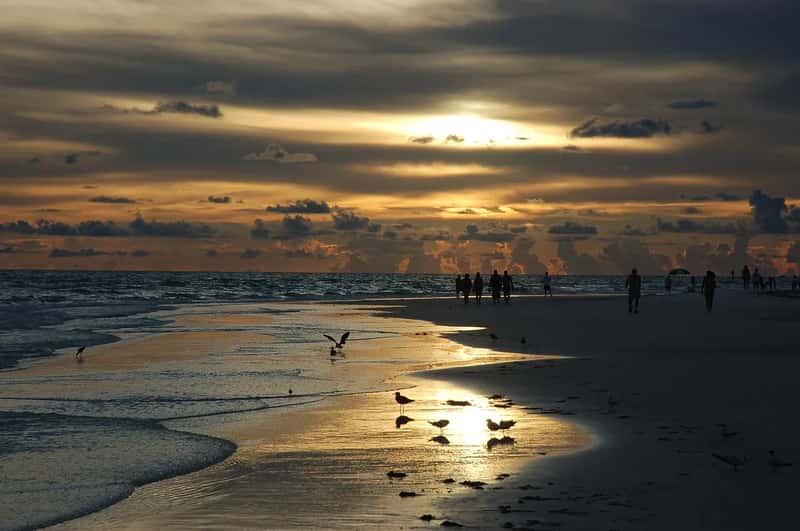
Cedar Key sits at the end of a single road on Florida’s Gulf Coast, and that geography alone has kept it small on purpose. Twice-cursed Cedar Key is probably Florida’s most impressive early failure as a town, an industrial center in the mid-1800s where the cedar trees that gave the town its name supplied a large pencil factory.[4] Decline set in when locals said no to a railroader who wanted to build a deepwater harbor and hotel, and the town simply never grew the way its neighbors did.[4] That refusal, oddly enough, is why Cedar Key still feels like a place from another era.
Today the town runs on clams, art, and slow afternoons. While the lumber industry was once a thriving business, tourism and fishing are now its claim to fame, and Cedar Key is a major producer of clams nationwide, raking in more than 34 million dollars annually.[5] Visitors can kayak out to a nearby ghost-town island, hike to a prehistoric shell mound, or just sit at the historic Island Hotel and watch the Gulf turn orange at sunset. There’s a local joke about wanting to post a sign reminding people to resume normal behavior once they leave, and after a weekend here, it makes perfect sense.
Everglades City, the quiet gateway to the Ten Thousand Islands
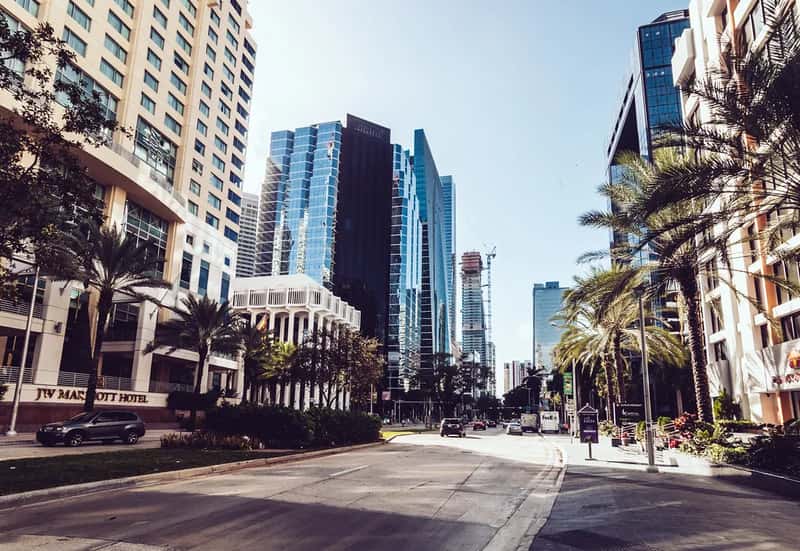
Located near Florida’s southern tip, Everglades City is known as the gateway to the Ten Thousand Islands.[6] Unlike the crowded boardwalks near Miami, this small Collier County town keeps things low-key, built around fishing boats, a handful of family-run inns, and a genuine sense of remoteness. A small town on the edge of Everglades National Park, Everglades City is the Stone Crab Capital of the world and gateway to the Ten Thousand Islands National Wildlife Refuge.[7]
The surrounding water is really the main attraction. The area consists of a maze of mangroves where the waters of the Everglades meet the Gulf Coast, forming a labyrinth of water that makes up the second-largest mangrove forest in the world, behind only Bangladesh.[7] Boat tours out of the Gulf Coast Visitor Center run several times a day, and paddlers with a bit of experience can chase the tides out toward the open Gulf on their own. Between the stone crab season each fall and the wildlife sightings on nearly every outing, it’s one of the few places in Florida where “off the beaten path” is still literally true.
Blue Spring State Park, a quiet manatee refuge near DeLand
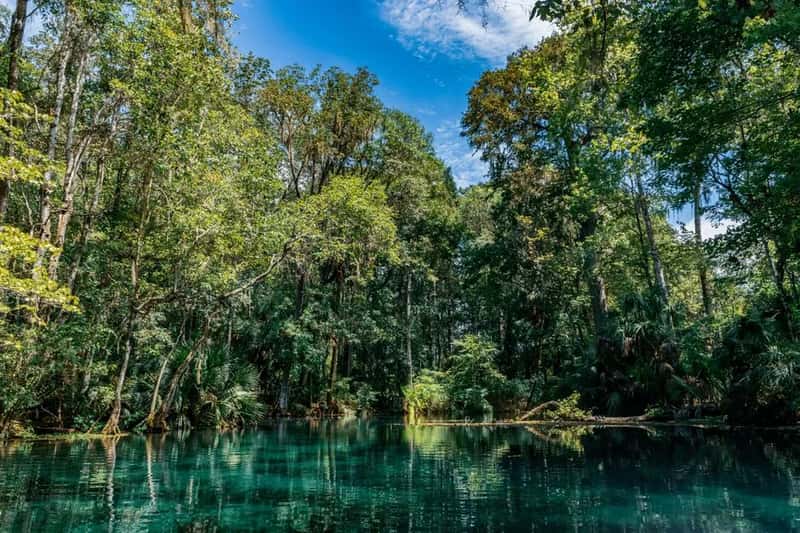
Just outside the small city of DeLand, Blue Spring State Park sits on the St. Johns River and rarely gets the attention of Florida’s more famous springs. The spring itself stays a constant seventy-two degrees year round, which makes it an irresistible winter refuge for manatees fleeing the colder river water. From November through March, dozens of manatees gather in the spring run, and rangers close the water to swimmers so the animals can rest undisturbed.
Outside of manatee season, the park opens back up for snorkeling and tubing in water so clear it looks almost unreal. The historic Thursby House, built in the 1870s, still stands on the property and gives a glimpse of the steamboat era when the St. Johns River was Florida’s main highway. It’s a modest park by Florida standards, no crowds, no gift shop sprawl, just a short boardwalk, a clear spring, and, in winter, more manatees than most visitors expect to see in one place.
Five very different corners of the state, and none of them require fighting through theme park traffic or beach parking lots to reach. What they share is a kind of patience, towns and parks that grew slowly, or in Cedar Key’s case, deliberately stayed small, and kept their character intact while the rest of Florida sprinted toward the next big development. That’s usually where the state’s best stories are still waiting to be found.