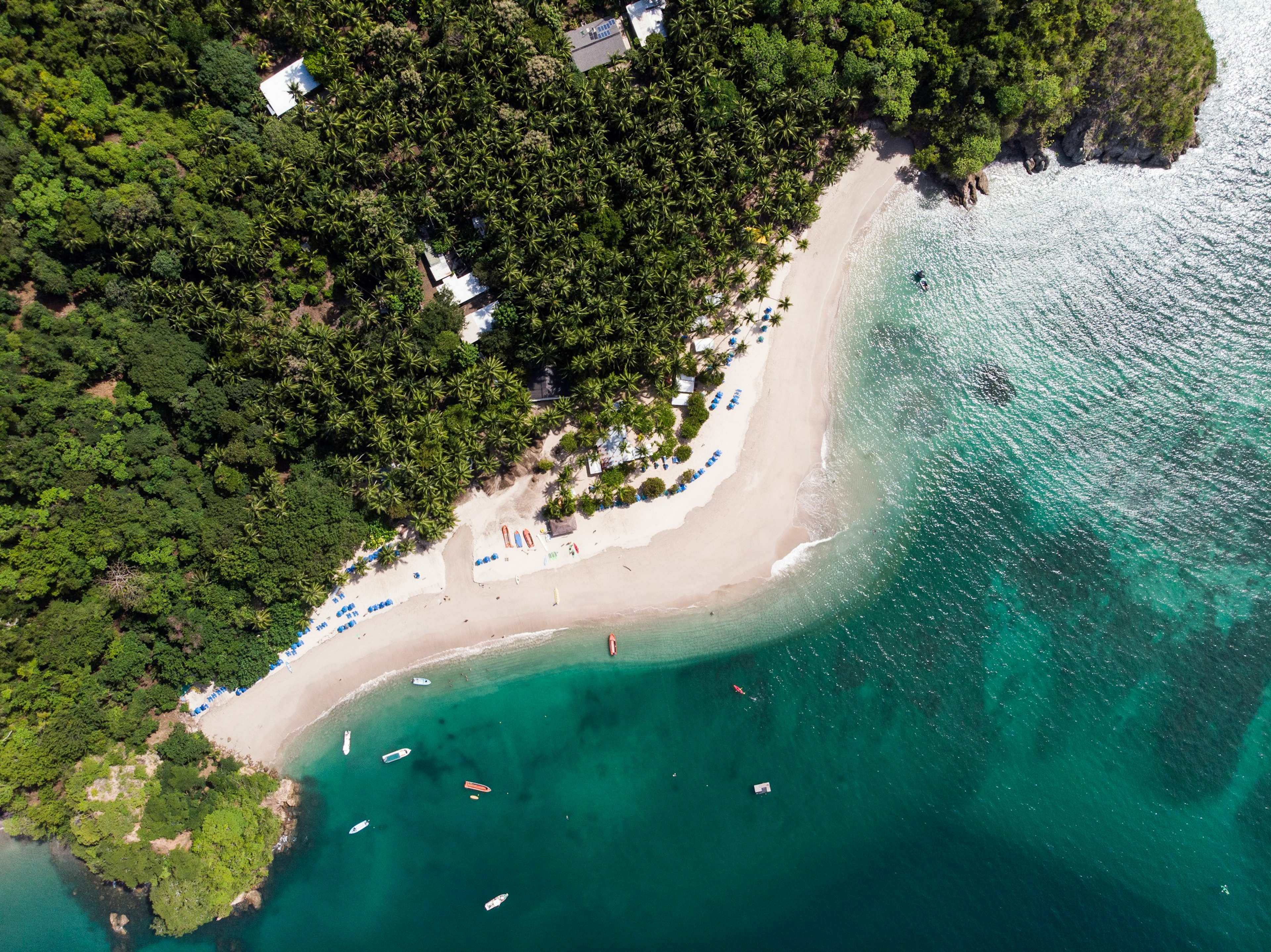
The postcard version of a beach vacation usually involves quiet sand, clear water, and a sense of escape. Reality often looks different once you actually land, especially at the destinations that dominate travel wish lists and Instagram feeds. Reviews, complaint data, and even local protests over the past couple of years point to a handful of famous coastal spots where the gap between expectation and experience has grown wide enough to notice.
1. Cancún, Mexico
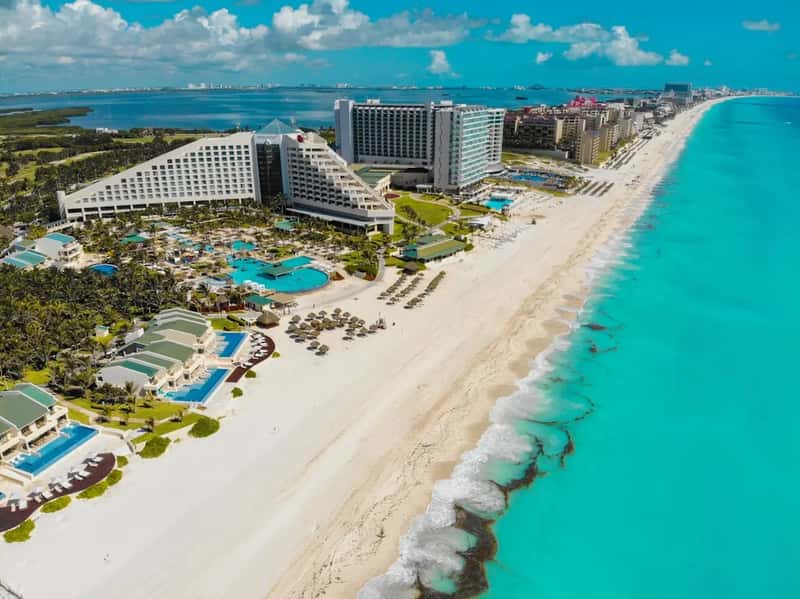
Cancún carries a reputation as one of the most disappointing destinations on the planet right now, and the numbers back that up. Cancún topped the 2025 ranking of the world’s most disappointing tourist destinations, compiled by international platform Radical Storage, which analyzed nearly 100,000 Google reviews across 100 of the world’s most visited cities.[1] That is not a small sample size, and it is not a fluke either.
Radical Storage found that 14.2% of Cancún’s reviews were negative, the highest of all cities analyzed, beating the second-worst-rated city, Antalya, Turkey, by two full percentage points.[1] The most common charges against Cancún were its marked-up prices, relentless souvenir hawkers, and a superficial, tourist-centric feel.[2] Even one of the beaches known for its scenic sign, Playa Delfines, drew complaints about long waits just to snap a photo, which says a lot about what the visit has become.
2. Waikiki Beach, Hawaii
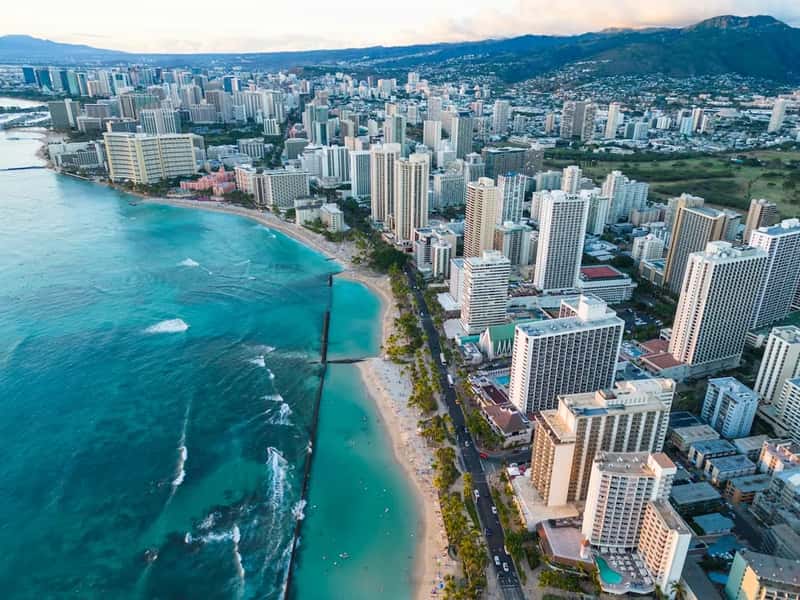
Waikiki still sells the fantasy of a relaxed island shoreline, but the actual data on visitor complaints tells a much noisier story. Waikiki Beach earned a perfect Complaint Score of 100 out of 100 in Cloudwards’ global beach study, with 67.3% of complaints mentioning extreme overcrowding.[1] That study looked at a huge pool of traveler feedback, not just a handful of angry posts.
This once-idyllic stretch in Honolulu is now swamped with tourists, high-rises, and surf schools crammed shoulder to shoulder, with noise from traffic and nightlife compounding the problem.[1] For someone picturing a quiet stretch of sand under palm trees, the actual scene, packed towels, constant foot traffic, and a wall of hotel towers, can feel like a different place entirely. It is still beautiful in patches, but solitude is not part of the package anymore.
3. Bondi Beach, Australia
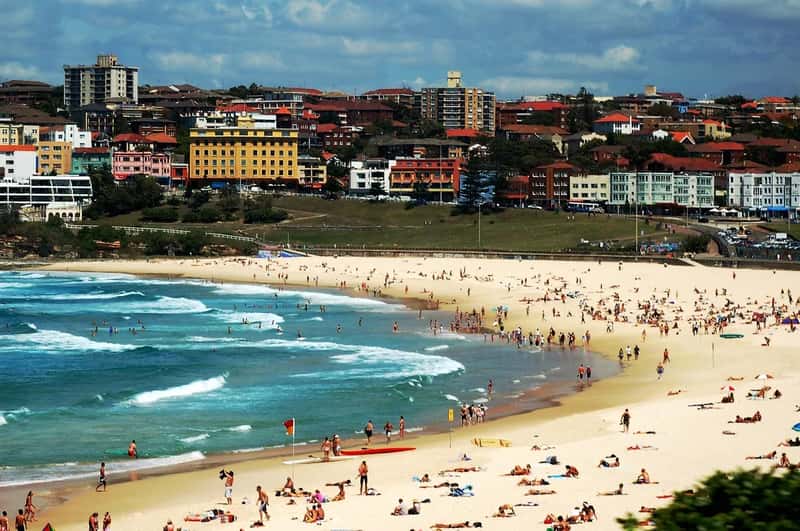
Bondi’s Instagram fame has outpaced what the beach can comfortably hold, and the complaint data reflects that mismatch clearly. Research that examined over 100 internationally celebrated beaches by analyzing tourist reviews, search engine data, social media interest, and environmental conditions found that Bondi Beach ranked at the top for disappointment.[3] Part of the reason is simple scale: the online hype has grown much faster than the physical beach.
Australia’s most famous beach faces significant overcrowding issues, with 75.9% of complaints mentioning the massive crowds that can make finding space extremely challenging.[3] Locals have not been shy about steering people elsewhere either, often pointing to quieter nearby beaches instead. The waves have a reputation of their own too, with visitors sometimes surprised by how rough conditions can get for casual swimmers.
4. Venice Beach, California
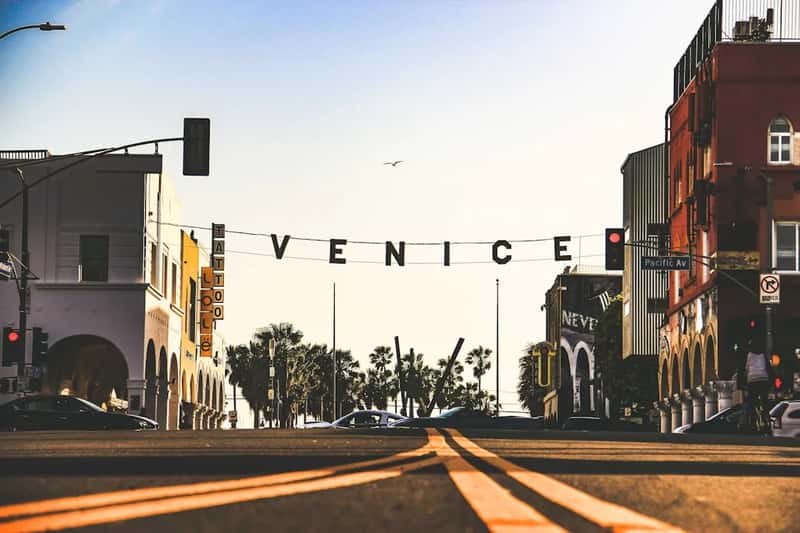
Venice never marketed itself as tranquil, but plenty of visitors still show up expecting a glossy California postcard rather than the gritty boardwalk scene that actually greets them. Cloudwards ranked Venice Beach second overall worldwide, and cleanliness was the dominant complaint theme.[4] That is a notable finding, since it suggests the issue is not really about crowd size so much as the condition of the place itself.
The boardwalk, once a hub of quirky creativity, now feels more like a chaotic flea market[5] to many who visit expecting the artsy, laid-back vibe of decades past. Add in ongoing homelessness challenges that local officials have struggled to manage, plus constant parking and traffic headaches, and the mismatch between reputation and reality becomes obvious fast. The beach itself is fine, but the surrounding experience rarely matches the imagery that draws people there in the first place.
5. Mallorca, Spain
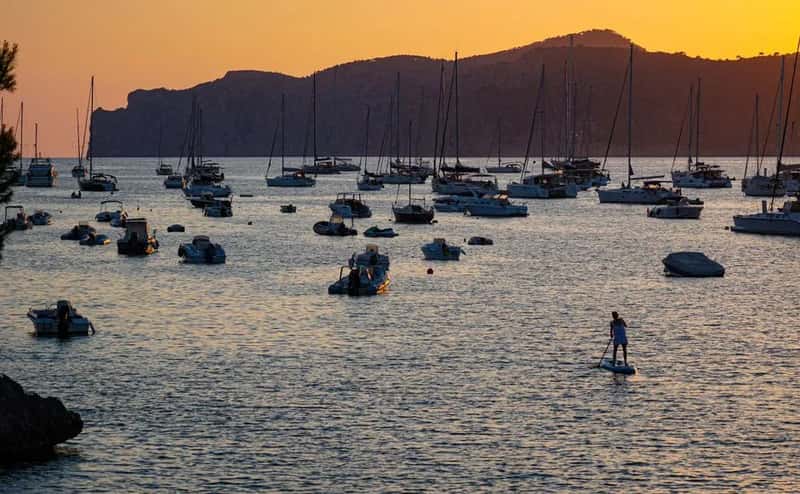
Mallorca’s beaches remain gorgeous, but the island around them has become a flashpoint for resident anger, and that tension has started spilling directly onto the sand. Members of the ‘Occupem Les Nostres Platges’ (‘Occupy Our Beaches’) movement gathered at the popular Balneario 6 area of S’Arenal beach in Palma, where more than 100 protesters laid out their towels and took a symbolic dip in the sea, calling for stricter limits on tourism.[6] That kind of direct action on a beach itself is a fairly unusual sign of how strained things have gotten.
The pressure has only intensified since then. The protest in Palma drew an estimated 25,000 participants, according to police, while organizers claimed as many as 70,000 people took part under the slogan “Less Tourism, More Life.”[7] For visitors, this often translates into crowded car parks near coastal towns, higher prices, and a noticeable undercurrent of frustration from residents who no longer feel welcoming toward outsiders during peak season.
6. Bali, Indonesia
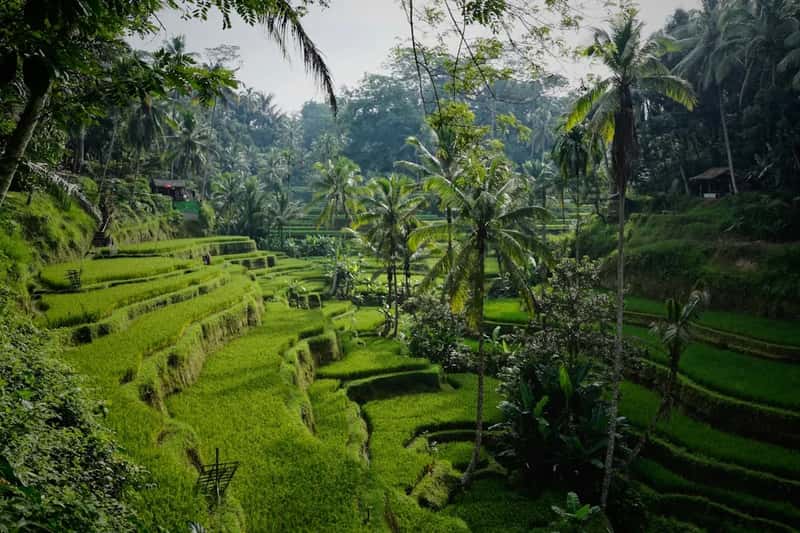
Bali still has genuine pockets of the calm, scenic escape that made it famous, but the popular beach zones have shifted dramatically. Overcrowding and litter have made it less enjoyable than it used to be, and tourist areas such as Canggu and Seminyak are overrun with influencers, which has caused them to lose some of their charm.[8] Visitors who arrive picturing quiet rice terraces and empty shorelines are often met with beach clubs, traffic jams, and construction instead.
Visitors in 2025 increasingly report disappointment with the crowded beaches and tourist-centric nightlife in areas like Kuta and Seminyak.[9] The version of Bali that lives on social media, all rice terraces and serene temples, still exists, but it’s just buried under layers of beach clubs, overpriced smoothie bowls, and tour groups.[9] That is not to say Bali has lost its appeal entirely, but the specific beach towns that first put it on the map now require far more patience and lower expectations than they used to.
The common thread across all six spots is not that they are bad places outright. It is that fame, heavy marketing, and social media exposure have outpaced the physical capacity of these beaches to handle the crowds arriving to see them. Anyone booking a trip to these destinations in 2026 would do well to research current conditions, travel during shoulder seasons where possible, and adjust expectations before stepping off the plane.