Travel expectations and travel reality do not always line up. A city can look flawless in a two-minute video, then feel crowded, pricey, or simply flat once you are standing in it with a suitcase and a schedule.
Several recent review-based studies have tried to quantify that gap by scanning tens of thousands of traveler comments for words like “overrated,” “disappointing,” or “not worth it.” The six cities below came up again and again in that data, and the reasons behind the frustration are more specific than simple bad luck.
Cancún, Mexico
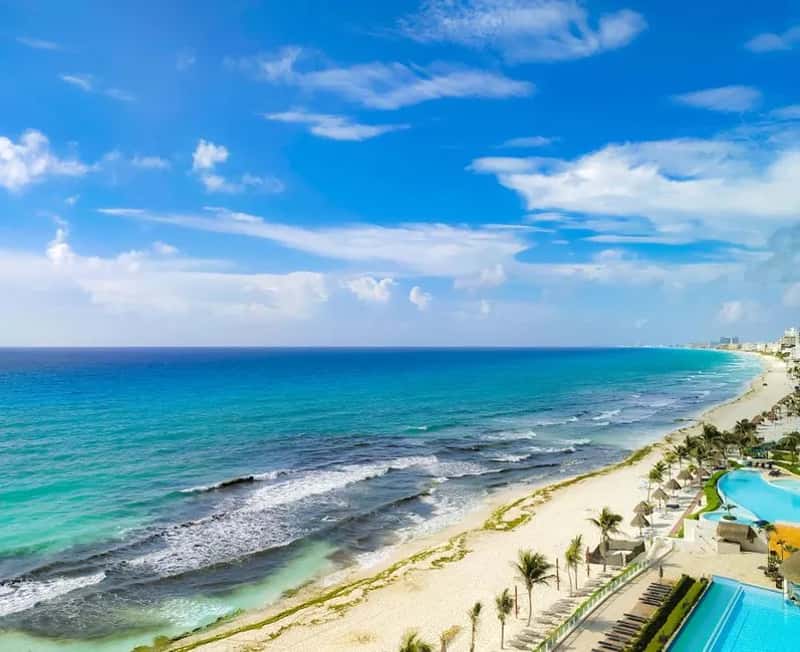
Cancún has landed at the very top of more than one disappointment ranking in recent years. Tourists in Cancún, Mexico are most likely to experience Paris syndrome, as the city had the highest proportion of visitors, at 14.2 percent, disappointed with their visit.[1] A separate analysis of city reviews reached a similar conclusion, finding that Cancún’s negative review rate was the highest of every city studied.
Radical Storage analyzed nearly 100,000 Google reviews of 100 of the world’s most-visited cities and found that 14.2 percent of Cancún’s reviews were negative, the highest of all cities analyzed.[2] Much of the frustration traces back to a mismatch between the polished resort marketing and the more commercialized, crowded version of the destination that many visitors actually encounter. Beach access issues, resort pricing, and heavy tourist saturation in the hotel zone are common threads in the complaints.
Antalya, Turkey
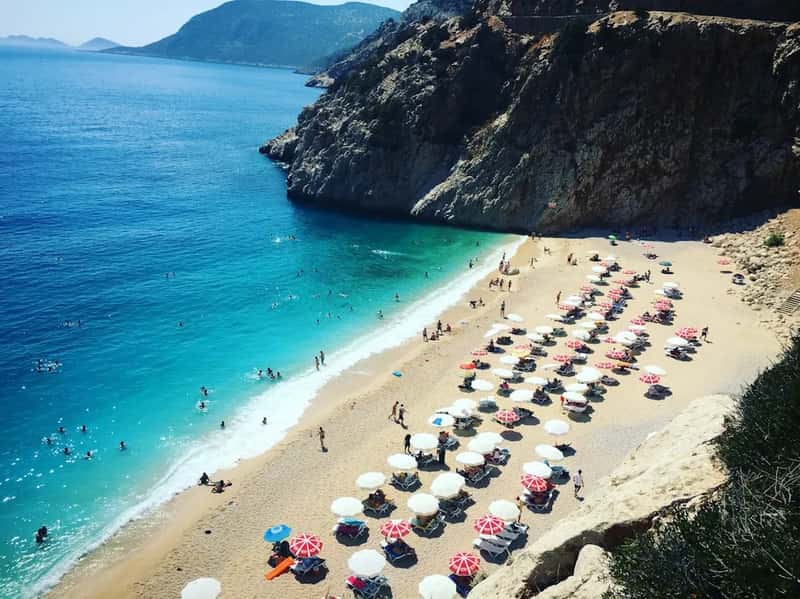
Antalya has grown into one of the busiest coastal destinations in the Mediterranean, and that popularity seems to be catching up with visitor satisfaction. In the city ranking, Antalya placed second at 12.2 percent negative reviews.[3] The scale of tourism here is genuinely enormous by regional standards.
Antalya closed 2025 with a record 17.12 million visitors, which is the kind of volume that can keep a destination booming while also wearing down the visitor experience.[3] Rising costs have compounded the issue, with reports noting that increased accommodation prices, driven by growing input costs, have made the country an expensive destination, and a five-day trip for a family of four to popular destinations like Antalya or Bodrum can now be more than 150,000 Turkish lira.[2] For travelers expecting a quieter, budget-friendly beach escape, the combination of crowds and climbing prices has been a common source of letdown.
Punta Cana, Dominican Republic
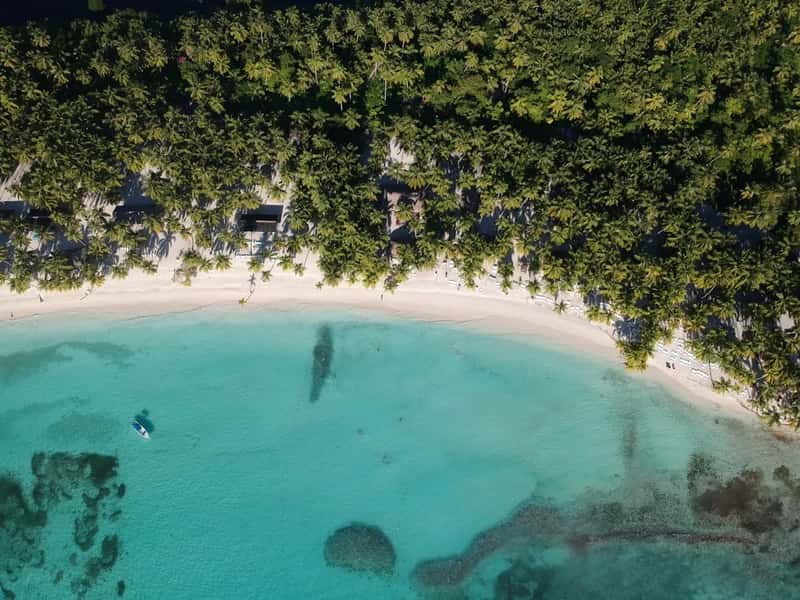
Punta Cana markets itself as an easy, all-inclusive escape, but that same formula appears to be wearing thin for a meaningful share of visitors. The Dominican Republic’s flagship resort zone appears here because Punta Cana ranked third in the city study, with 11.9 percent of reviews turning negative.[3] That places it just behind Antalya in the same dataset.
Complaints tend to center on the gap between what all-inclusive packages promise and what guests find once they arrive, including crowded beach areas, food quality that does not match the price tag, and aggressive upselling for excursions and premium resort areas. Because so much of the destination’s appeal rests on a single resort-driven experience, any shortfall in that formula tends to show up directly in the numbers. It is a reminder that heavy repeat-visitor volume does not always translate into consistently strong satisfaction.
Seattle, United States
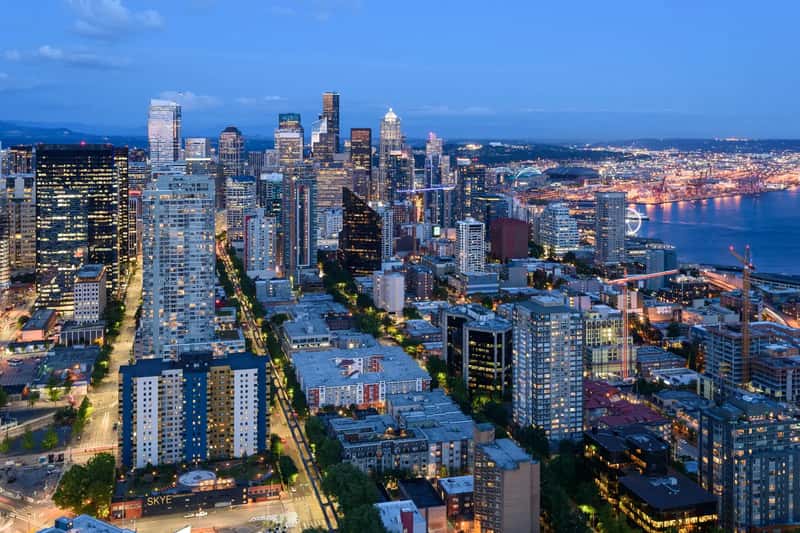
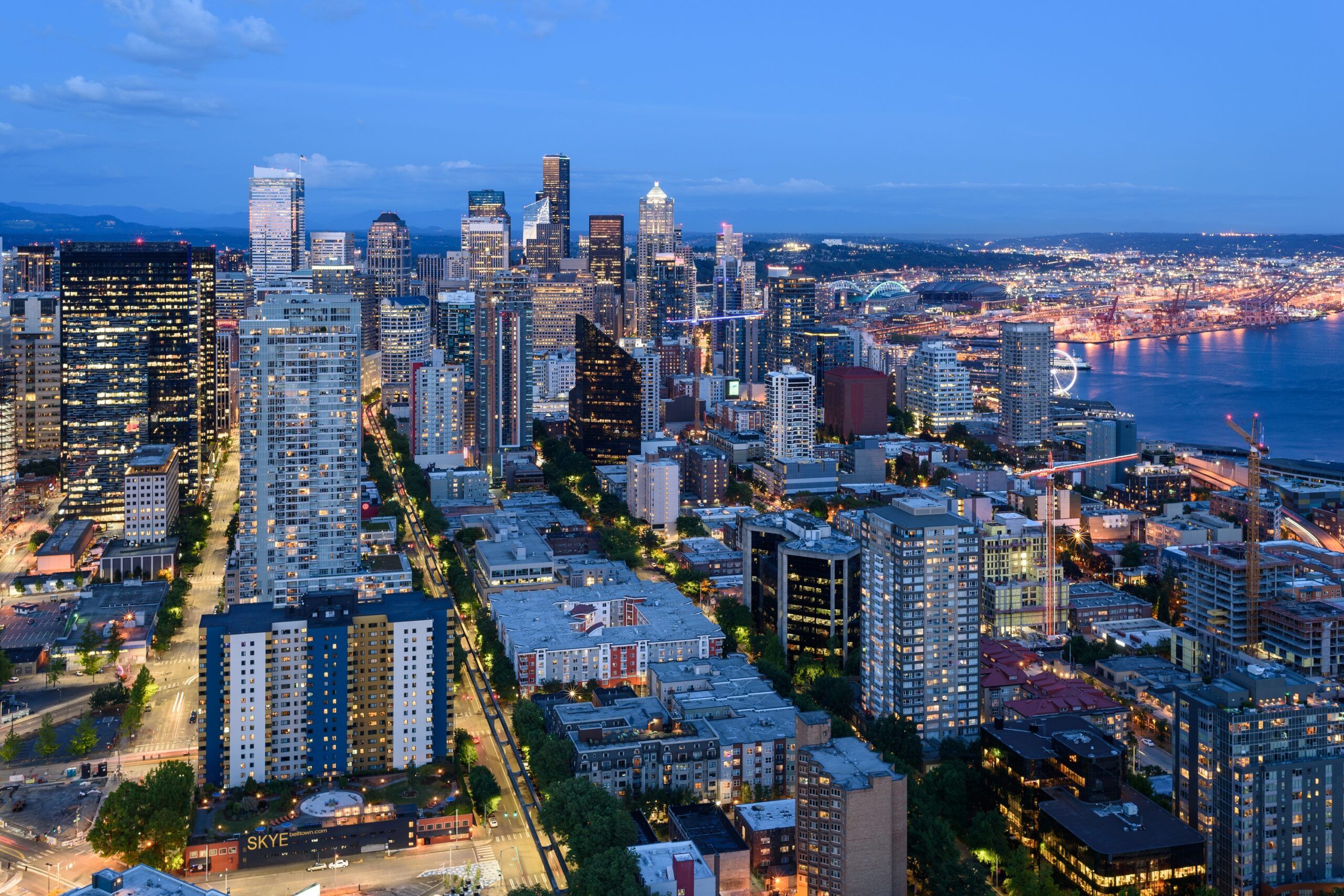
Seattle’s reputation took a noticeable hit in one of the more detailed attraction-level studies published in 2026. Considering the cities with three or more tourist attractions in the study, Seattle’s offering is the most likely to disappoint, with an 8.9 percent negative mention rate, and the most disappointing Seattle attraction in the study is the Space Needle.[4] That is a striking result for a landmark so closely tied to the city’s identity.
The broader pattern is worth noting too. The study demonstrates that six of the top ten most disappointing attractions globally are in North America.[5] For Seattle specifically, complaints tend to focus on high ticket prices relative to the actual time spent at the attraction, along with long queues that eat into a visit that many travelers expected to be quick and memorable.
Budapest, Hungary
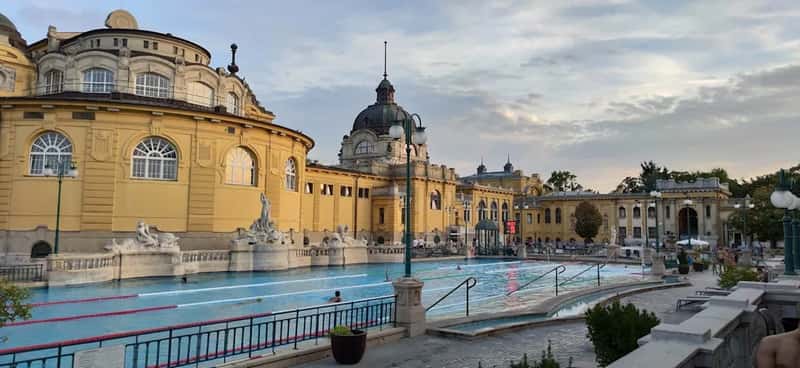
Budapest shows up on more than one disappointment list, and the reasons split between attractions and general city upkeep. Budapest has a negative review rate of 6.3 percent, with the Széchenyi Baths and Pool as the most disappointing Budapest attraction, drawing negative words and phrases in 16.6 percent of reviews.[4] For a city famous for its thermal bath culture, that is a notable weak spot.
Cleanliness has become a separate point of criticism entirely. Budapest tops the list as Europe’s dirtiest city, with more than 37.9 percent of cleanliness-related reviews describing dirt or poor upkeep, a far higher rate than any other European city in the study.[6] Researchers have linked this partly to tourism volume, noting that Hungary’s tourism industry jumped 8.3 percent in September 2025, with Budapest alone recording a 12 percent jump from the same month in 2024.[6] Rapid visitor growth combined with strained waste management appears to be the underlying issue rather than any single attraction.
Toronto, Canada
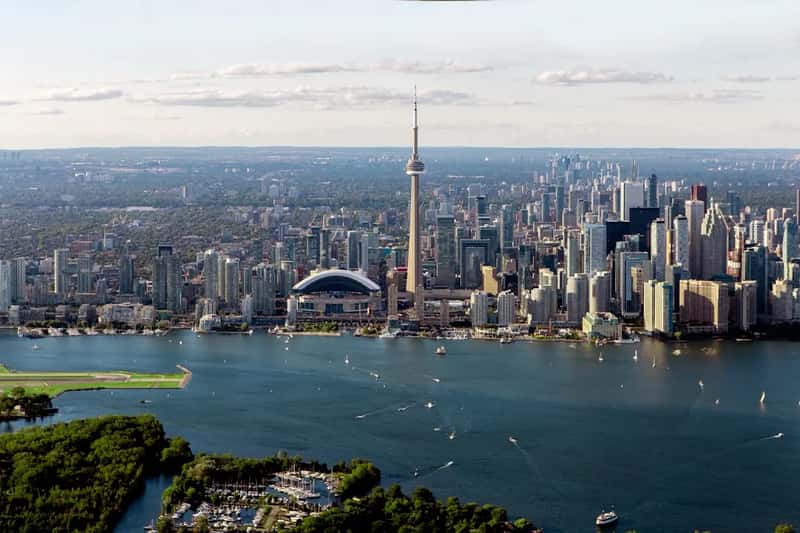
Toronto is a less obvious name on this kind of list, which makes its showing somewhat more surprising. Toronto had the highest percentage of reviews where tourists felt disappointed,[1] according to the same large-scale review analysis that flagged Cancún. That is a distinct metric from overall negative sentiment, focused specifically on the word disappointed itself.
Unlike beach destinations dealing with overcrowding or resort fatigue, Toronto’s issue seems tied more closely to expectation setting. Visitors drawn by the city’s reputation as a major North American cultural hub sometimes find the core attractions less distinctive than anticipated, particularly when compared against nearby cities on the same trip itinerary. It is a reminder that disappointment is not always about crowds or cost. Sometimes it is simply about a city not quite matching the picture travelers had built up beforehand.
Across all six cities, the underlying pattern is consistent rather than random. High visitor volume, rising prices, and a widening gap between social media expectations and on-the-ground reality show up repeatedly in the data. None of this means these destinations lack real appeal, but it does suggest that researching specific neighborhoods, attractions, and travel seasons ahead of time can make a meaningful difference in how a trip actually feels once you arrive.