Renters in a handful of American cities have watched their monthly bills climb at a pace that feels almost impossible to believe until you see the numbers side by side. What started as a pandemic-era scramble for space turned into a longer-term shift in where people want to live, and landlords in certain markets responded by pushing prices higher year after year. The following six cities show just how dramatic that climb has been, with figures pulled from recent housing data covering the period from around 2020 or 2021 through early 2026.
Miami, Florida
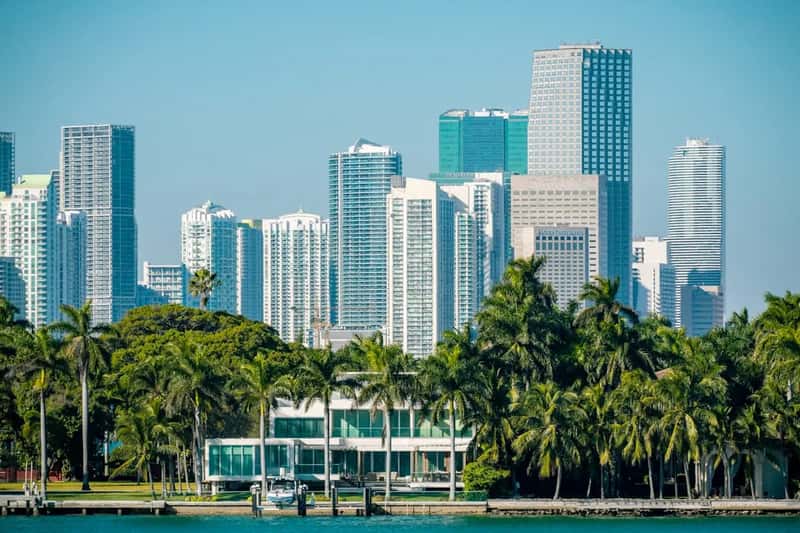
Since 2020, Miami has seen the fastest rent growth in the U.S., with prices soaring 53%, with typical rents costing $1,725 back in 2020, based on mid-market figures adjusted for the local housing mix. By January 2026, that figure had climbed to $2,645, putting Miami above rents in Seattle and Washington, DC. A separate analysis covering a slightly different window found much the same story.
Over a five-year timeline, rent increased most in Miami, and even though the city ranked only 67th this year with a relatively flat 0.3% increase, it still overtakes all cities in rent surges considering 2021 to 2026, with rent increasing nearly $1,000 from $1,958 to $2,955 over that period. Analysts point to a wave of new residents drawn by warm weather, no state income tax, and remote work flexibility, all landing on a housing stock that never expanded fast enough to absorb them.
Naples, Florida

Smaller and less discussed than Miami, Naples has quietly posted one of the steepest rent trajectories in the entire country. According to Rentec Direct’s 2025 State of Rent Report, which analyzed actual rent payments rather than advertised rents from 374,000 lease agreements, average monthly rent reached $1,302 in 2024, up 31% over five years nationally. Naples badly outpaced that national trend.
That 31% national figure includes both Naples, Florida, which was up 63.1%, and San Francisco, which was actually down 5.3% over the same stretch. A retirement and second-home destination with a tight coastline and strict building limits, Naples saw demand from wealthier transplants collide with a genuinely limited supply of rental units, a combination that tends to produce exactly this kind of runaway pricing.
St. Petersburg, Florida
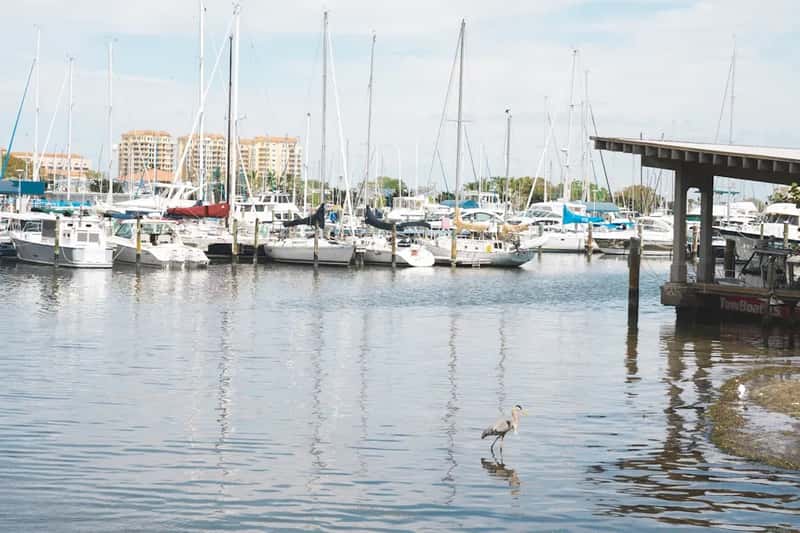
St. Petersburg has followed a similar script to its Gulf Coast neighbors, though the numbers here are just as striking. SmartAsset’s rent analysis of the 100 largest U.S. cities found dramatic divergence across markets, with St. Petersburg posting a five-year increase of 55.6%, pushing typical rent to $2,053 a month. That kind of jump reshaped the local rental market almost overnight.
The broader pattern researchers identified is that mid-sized cities with rapid population growth, limited housing supply, and no rent control laws are the ones seeing the largest rent increases. St. Petersburg checks every one of those boxes, sitting close enough to Tampa Bay’s job market to attract newcomers while lacking the zoning flexibility to build fast enough to keep pace with them.
New York City, New York
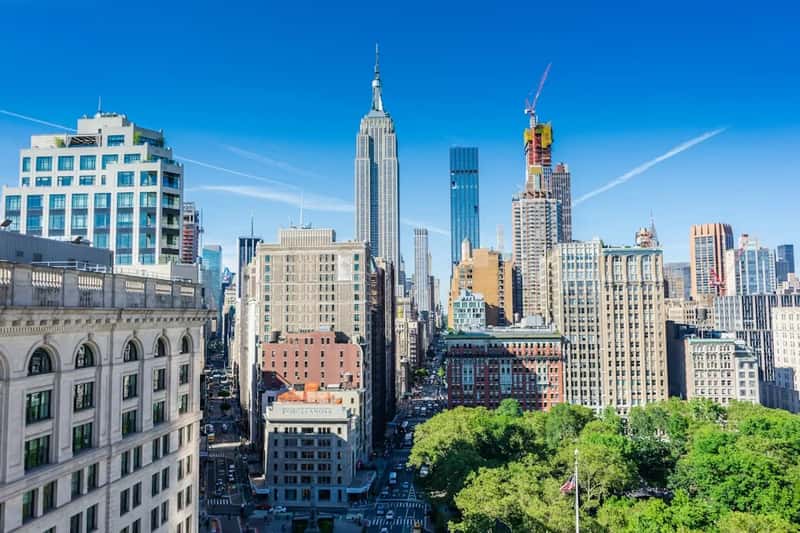
New York’s rental market never really cooled after its pandemic dip, and the five-year numbers reflect that. New York City has the second highest five-year increase among major cities tracked, at 49.8%. For a market that was already among the most expensive in the country, adding that much on top of an already high base has pushed affordability to a genuine breaking point for many households.
A separate LendingTree analysis found that New York, San Diego and Miami saw the largest monthly rental increases for both one-bedroom units, which rose $854, $817 and $764 in the three cities respectively since 2020, and two-bedroom units, which jumped $857, $877 and $885 respectively over the last five years. In New York and San Diego, the spike in rents is attributable mostly to demand for housing exceeding supply, with renters in those metro areas facing limited inventory and plenty of competition.
Riverside, California

Riverside might not have the name recognition of Miami or New York, but its rent trajectory tells a similar story of a once-affordable market getting reshaped by migration. Riverside rents boomed 48% as residents moved away from pricier coastal California cities in search of more space and lower costs. The irony is that Riverside itself stopped being the bargain it once was.
Its location within reach of Los Angeles and Orange County made it a natural landing spot once remote work untethered people from downtown offices. Riverside also placed among the top cities where one-bedroom rents rose the most over the last five years in LendingTree’s broader ranking of the 50 largest U.S. metro areas. What began as a relief valve for priced-out Southern Californians eventually became a market with its own affordability squeeze.
San Diego, California
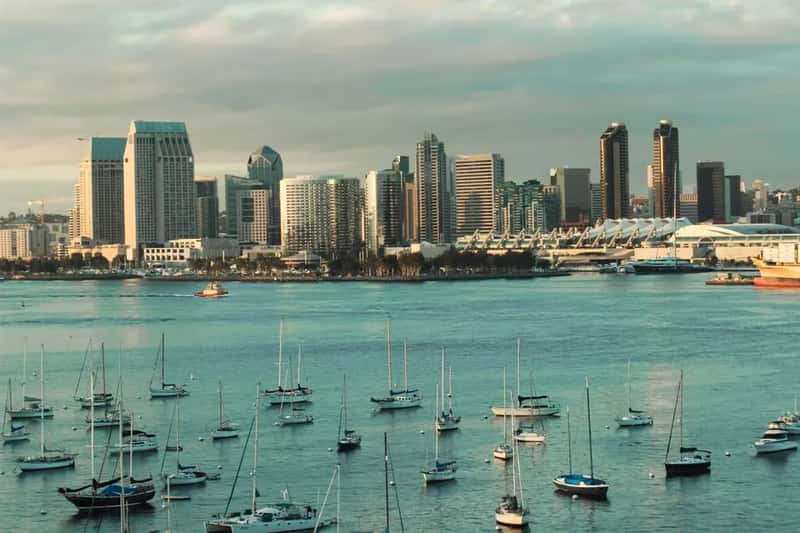
San Diego rounds out this list with one of the largest dollar-value rent increases anywhere in the country, even if its percentage growth is harder to pin down than some smaller markets. Monthly rent for a one-bedroom apartment there rose $817 since 2020, while two-bedroom units jumped $877 over the same five-year period, ranking among the steepest increases nationally alongside New York and Miami. For a city that was already expensive before the pandemic, that kind of dollar increase compounds quickly.
The spike is attributed mostly to demand for housing exceeding supply, with renters facing limited inventory and plenty of competition for what does come onto the market. San Diego’s geography, wedged between the ocean and the Mexican border with little room to sprawl outward, leaves builders with few easy options to add the kind of supply that might eventually ease the pressure.
None of these six markets have technically doubled in the strict sense of rent exactly hitting two hundred percent of its 2020 or 2021 level, and it’s worth being upfront about that. The real numbers, ranging from roughly the high forties to the low sixties in percentage terms, are still extraordinary on their own, representing some of the sharpest rental cost increases recorded in modern U.S. housing history. Whether framed as doubling or simply as an unprecedented five-year climb, the underlying reality for renters in Miami, Naples, St. Petersburg, New York, Riverside, and San Diego is the same: housing that used to be within reach now demands a much larger share of every paycheck, and there’s no clear sign that any of these markets are heading back toward their old baseline anytime soon.