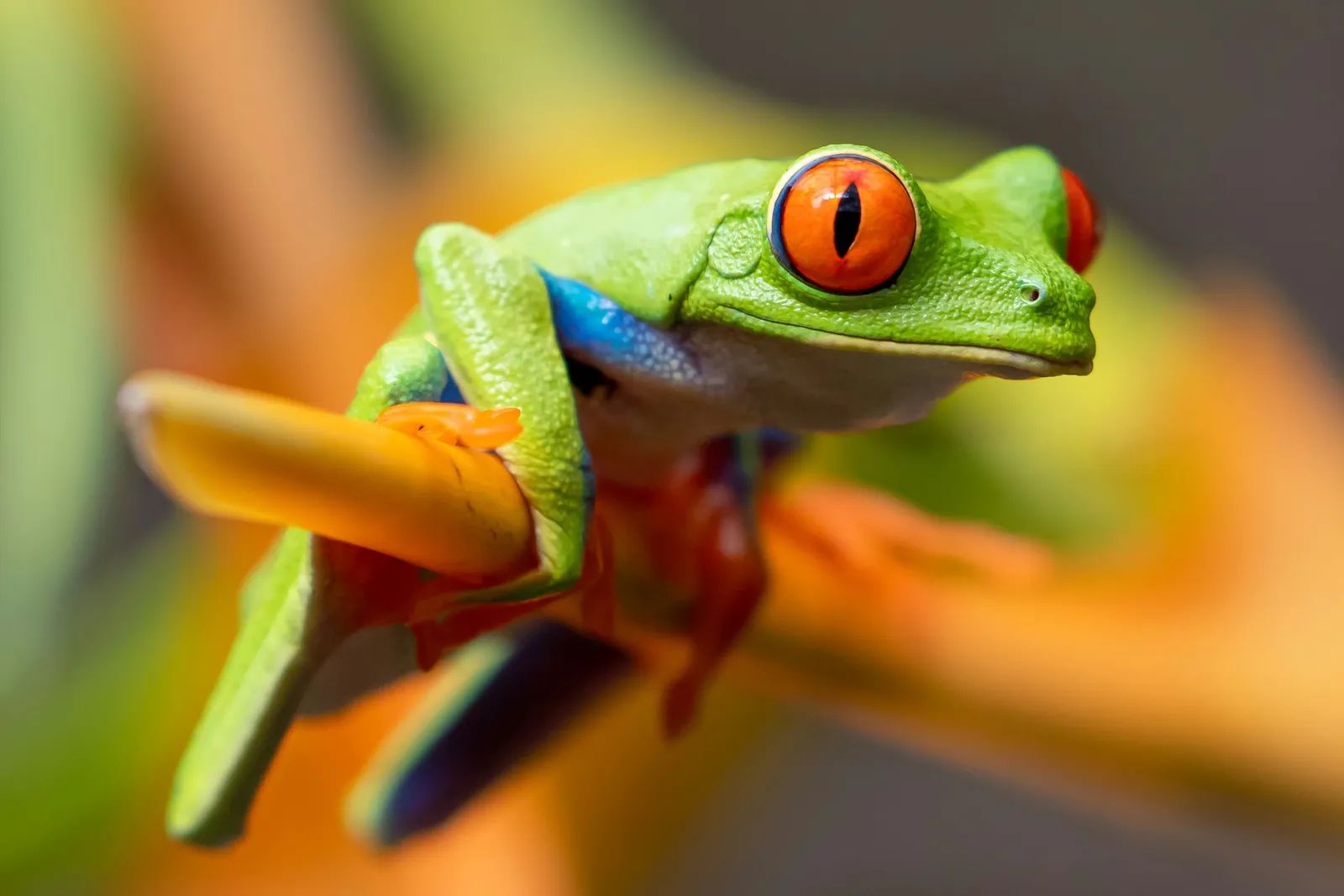
Southern California mornings can turn hot quickly, which is why teams working to restore an endangered amphibian begin their work well before sunrise. Staff at the Aquarium of the Pacific start frog release days around 4 a.m. so the animals can be moved while temperatures remain cool enough for safe handling. The effort centers on the southern mountain yellow-legged frog, a species listed as endangered by the IUCN Red List and the focus of a long-running recovery program across multiple agencies. ([1])
The Pre-Dawn Challenge of Collecting the Frogs
Erin Lundy, manager of conservation initiatives at the Aquarium of the Pacific, oversees the careful collection process each release day. Newly metamorphosed southern mountain yellow-legged frogs measure roughly an inch long and move quickly, often wedging themselves into narrow cracks inside the rearing tanks. Staff may spend two hours or more scooping every individual from the water, preferring gloved hands for precision though nets remain an option for some team members. The early start helps ensure the frogs stay calm and hydrated before transport to release sites in the mountains.
Head-Starting a Vanishing Species
The southern mountain yellow-legged frog once occupied streams and lakes across Southern California but has declined sharply due to habitat loss, introduced predators, and disease. Aquarium staff have reared the species since 2021 as part of a coordinated, multi-agency program that has run for more than two decades. By guiding tadpoles through metamorphosis in controlled conditions, the team improves survival odds compared with the variable one-to-five-year timeline typical in the wild. This year’s group arrived from the Los Angeles Zoo the previous summer as two-month-old tadpoles and completed their transformation by August.
Timing Releases for Maximum Survival
Only frogs that have fully absorbed their tails and developed functional limbs are released on the scheduled date. Individuals still completing metamorphosis are held at the aquarium and returned to the wild the following summer as larger, more resilient adults. The approach, known as head-starting, gives the animals a protected window during their most vulnerable early stages. Lundy noted that the method has become a reliable tool within the broader recovery effort.
Looking Ahead for the Species
Continued releases depend on steady supplies of healthy tadpoles from partner breeding facilities and suitable habitat conditions at the mountain sites. The work remains incremental, with each cohort adding to the small but growing presence of the frogs in their historic range. Observers expect the program to maintain its measured pace, focusing on incremental gains rather than rapid population rebounds. The early-morning routines underscore the steady, detail-oriented commitment required to support an endangered amphibian in a changing landscape.