Walk into a pharmacy in one country and you might walk out with antibiotics, sleep aids, or even steroids without anyone asking a single question. Walk into a pharmacy in another and a stamped prescription, a photo ID, and sometimes a phone call to your doctor might not even be enough. The gap between these two worlds is wider than most travelers realize, and it says a lot about how differently nations balance convenience against safety.
The following list looks at real, documented patterns rather than anecdotes. Some of these countries make headlines for the ease of buying medication that would require a specialist visit elsewhere. Others have built systems so tight that even a common painkiller can become a legal problem for an unprepared traveler.
1. India
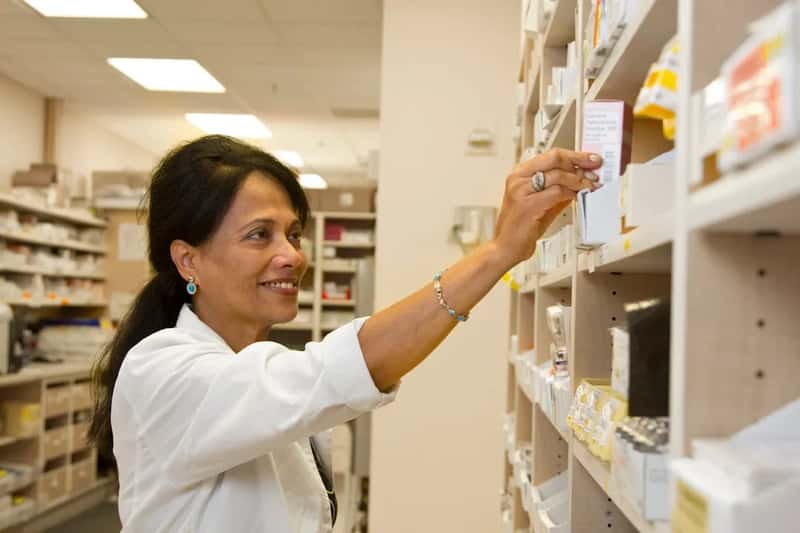
India’s pharmaceutical market is enormous, and enforcement of prescription rules has long lagged behind the law on paper. Though antibiotics are to be sold only with a valid prescription, this rule is not enforced, and in India, antibiotics are freely available without a prescription. Researchers interviewing pharmacists in Tamil Nadu found the same gap between regulation and reality across the board.
Pharmacists readily admitted to selling prescription drugs, including antibiotics without a valid prescription. Part of the problem is structural. India is one of the countries where implementation of the law has been very poor, and it is a well-known fact that prescription medicines are easily available without a prescription. Combined with a shortage of doctors in rural areas, pharmacists often become the default source of medical advice as well as medicine itself.
2. Mexico
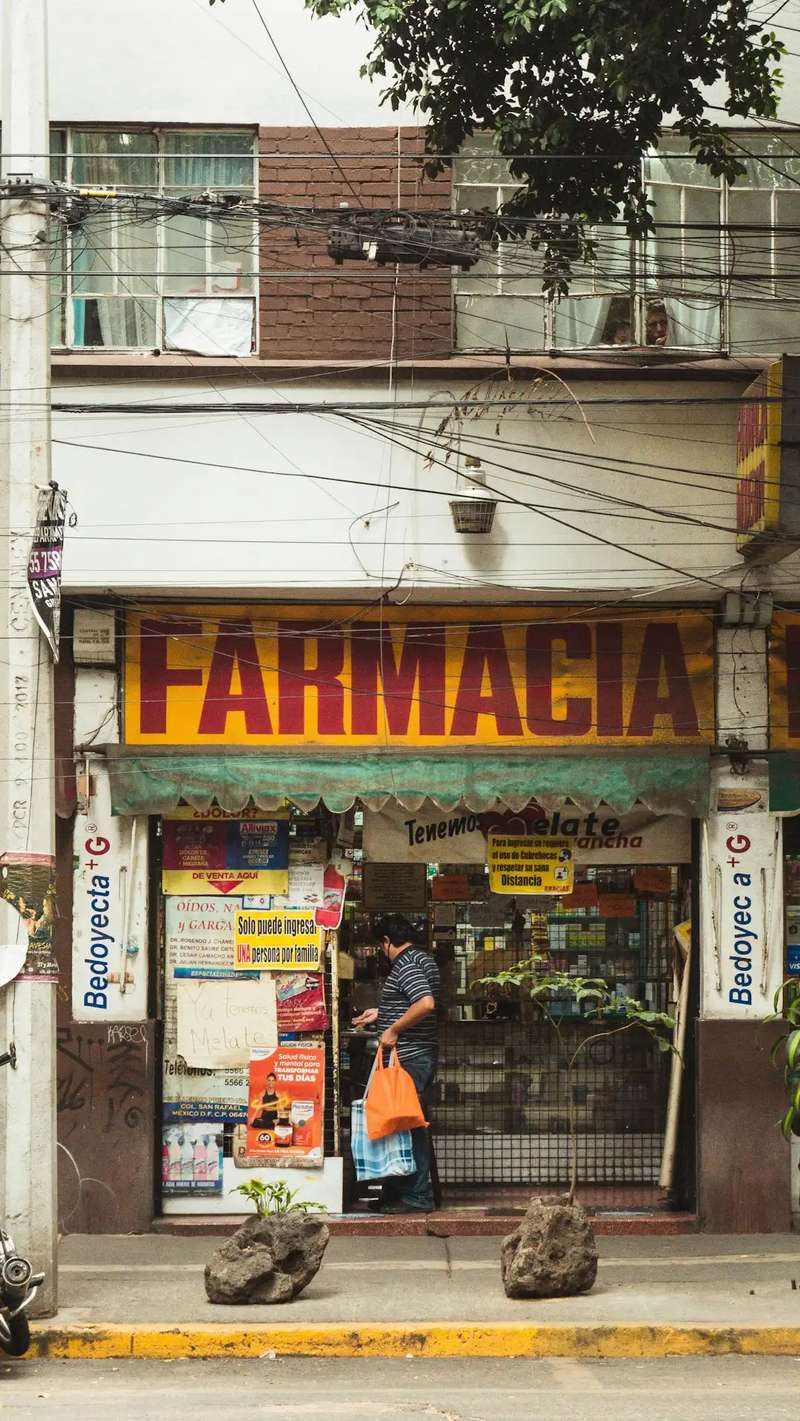
Mexico has built something of a reputation among American shoppers looking for cheaper medicine, and much of that reputation is earned. A study of patients crossing the border found more than 80% had purchased prescription-type medication at a pharmacy without a physician’s prescription. Everyday drugstores, often as common on street corners as convenience stores, keep this culture alive.
The legal picture has shifted somewhat in recent years. Under Mexico’s General Health Law, medications are sorted into categories called Fracciones, and antibiotics fall into Fraction IV, which strictly requires a prescription. Even so, enforcement varies by pharmacy size and location. Enforcement has noticeably tightened at franchise chains in recent years, with staff consistently asking for prescriptions even for common antibiotics such as amoxicillin, though independent pharmacies in smaller towns remain more flexible.
3. Egypt
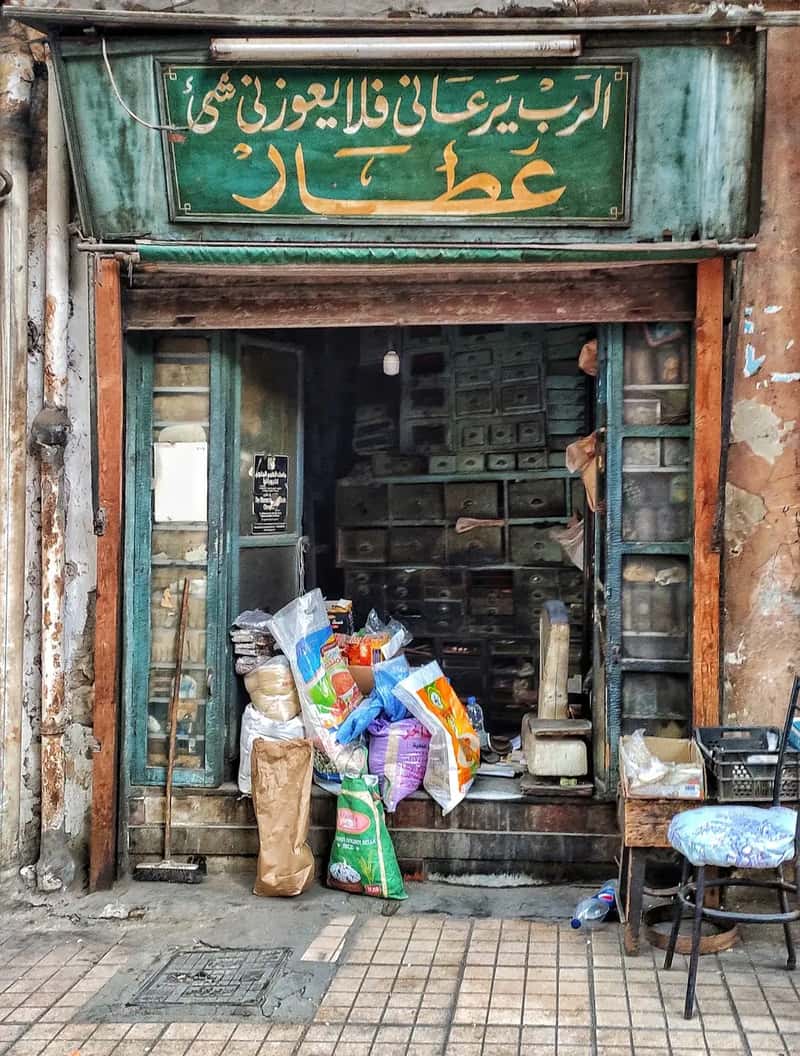
Egypt stands out even among countries known for loose pharmacy enforcement. In 2016, the prevalence of antibiotic sales without prescription in community pharmacies was over 95 percent in Egypt, compared with only 18.8 percent in Spain. That kind of gap illustrates just how differently the same medicine can be treated depending on where you happen to be standing.
This pattern fits within a broader regional trend. The issue of over-the-counter antibiotic availability is particularly pronounced in developing countries, such as South America, Africa, and some areas in Asia, where regulations governing the sale and distribution of medicines are either non-existent or inadequately enforced. For everyday shoppers in Egypt, that has meant a pharmacy counter that functions almost like a first line of medical care.
4. Vietnam
Vietnam consistently shows up near the top of studies measuring how often people obtain antibiotics without any prescription at all. Exit interviews with 8,214 customers who bought antibiotics from 140 suppliers showed that 35% had obtained them without a prescription, and that the proportion was highest in Vietnam at 55.2%. That figure outpaced every other country studied.
The habit extends beyond pharmacy transactions into everyday health decisions. In cases of mild illness, drug stores were the predominant first point of contact for household members in Vietnam, at 72.5%. Use of antibiotics without a prescription was most widespread in Vietnam and Bangladesh, and antibiotics in general were more widely available in the Asian countries studied.
5. Bangladesh
Bangladesh tells a similar story to its neighbor Vietnam, with drug stores acting less like regulated pharmacies and more like general practitioners’ offices. The proportion of antibiotics obtained without a prescription was found to be 45.7% in Bangladesh. That’s nearly half of all antibiotic purchases happening with no medical oversight whatsoever.
The reliance on pharmacies as a first stop runs deep in daily life there. Drug stores were the predominant first point of contact for household members in Bangladesh, chosen by 91% of respondents in cases of mild illness. Misunderstandings about how antibiotics actually work compound the issue, since household surveys revealed that misperceptions about antibiotics were common in Bangladesh, especially regarding what antibiotics do and when they should be taken.
6. Ghana

Ghana rounds out this list as another country where pharmacy counters function with a good deal of informal flexibility. The proportion of antibiotics obtained without a prescription was 36.1% in Ghana according to the same multi-country study, placing it among the higher-access nations studied. That’s a meaningful share of the population treating themselves without any clinical input.
Confusion about medication identity adds another layer to the issue. In all the sites studied, including Ghana, suppliers and consumers could not always distinguish antibiotics from other commonly sold medications, like pain relievers, with antibiotics often distinguished only by shape and color. It’s a small detail, but it captures how loosely defined the line between “medicine” and “prescription medicine” can become in practice.
7. Singapore
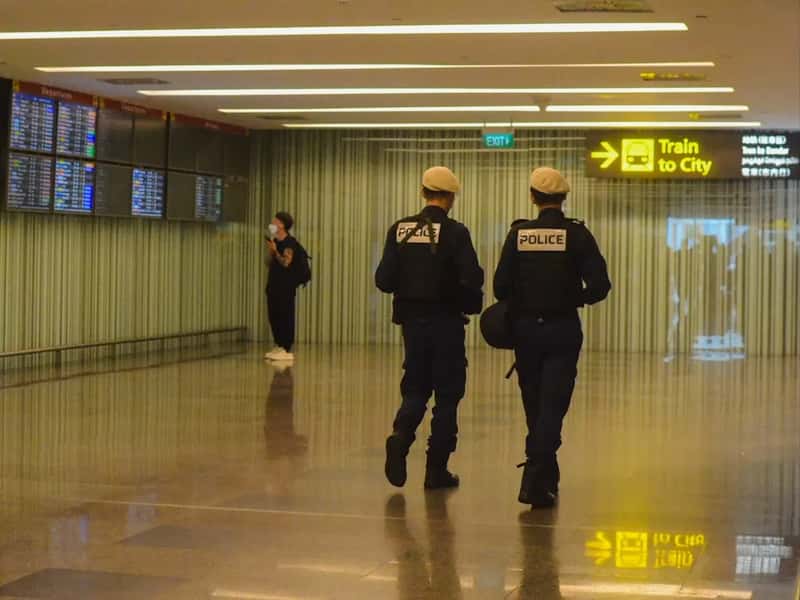
Singapore sits at the opposite end of the spectrum entirely, and its reputation for strict drug enforcement is not exaggerated. Singapore maintains a strict zero-tolerance policy against all drugs, and its Central Narcotics Bureau is highly vigilant, with punishments that are swift and non-negotiable. This extends well beyond illegal narcotics into medications that are perfectly normal elsewhere.
Travelers carrying certain prescriptions have been caught off guard by this rigor. Even foreigners arriving in Singapore can be subjected to drug tests, and if traces of illegal substances are found in their system, even if consumed outside the country, they can be prosecuted. The country’s approach treats ambiguity as a risk not worth taking, for residents and visitors alike.
8. Japan
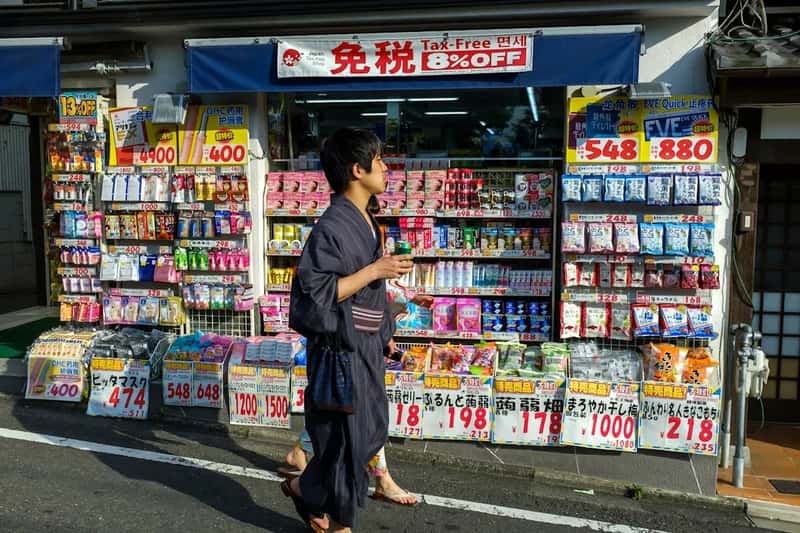
Japan surprises many first-time visitors because some ordinary cold medicines back home are treated as controlled substances there. Japan’s Pharmaceutical Affairs Law bans the production and sale of 68 types of drugs, and anti-allergy medicines, decongestants, and over-the-counter painkillers are all deemed as corruptive as heroin and ecstasy under the law’s broad reach. That framing catches plenty of travelers off guard.
There is some allowance for people who genuinely need medication during their stay. Japan has over 300 banned or controlled drugs on its list, though Japanese law allows up to one month’s supply of prescription medicine to be brought into the country. Even with that allowance, documentation matters enormously, since travelers should obtain a copy of their doctor’s prescription and a letter stating the purpose of the drug.
9. Saudi Arabia

Saudi Arabia’s drug laws are shaped heavily by religious and criminal law, and the penalties for missteps are severe. Saudi Arabia’s drug laws are among the strictest in the world, heavily influenced by Islamic law, with the government treating drug-related offenses as serious crimes against society. That framework applies broadly, not just to recreational substances.
Even unintentional violations can carry heavy consequences. Possession of tiny amounts is a crime, and even having microscopic traces of drugs in your system or belongings, such as prescription drugs without proper documentation, can result in a prison sentence. No leniency for foreigners exists either, as Saudi authorities do not make exceptions for foreigners caught with drugs.
10. United Arab Emirates
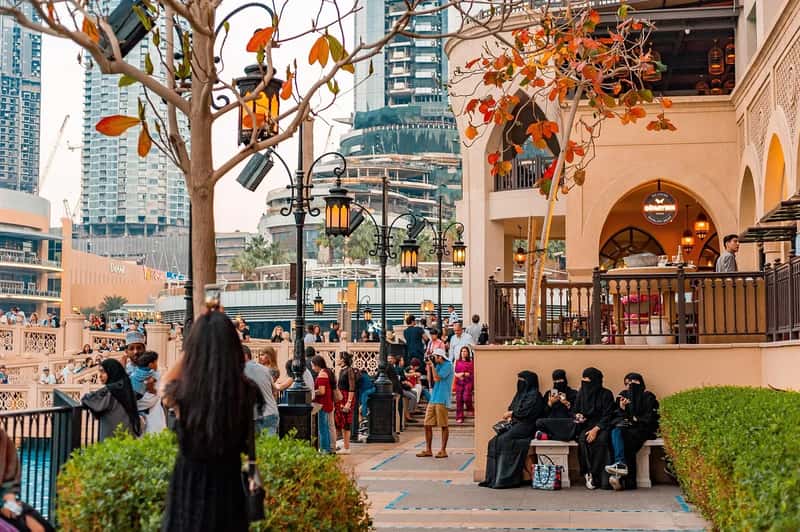
The UAE, and Dubai in particular, has built one of the most unforgiving reputations anywhere for prescription medication that travelers assume is harmless. Dubai is known to be very intolerant of drug abuse, and many prescription drugs that are legal in other parts of the world can get you put in jail there. Painkillers, sleep aids, and certain cough medicines have all landed travelers in trouble.
The country’s zero-tolerance stance extends to medications that require documentation few visitors think to carry. The UAE has a zero-tolerance policy towards illegal drug use as well as drug trafficking, and its strict approach is evident in its prohibition of medications that are legal in other countries with a prescription. Detention can follow even for people who genuinely didn’t realize their medicine cabinet was a legal liability.
11. United States
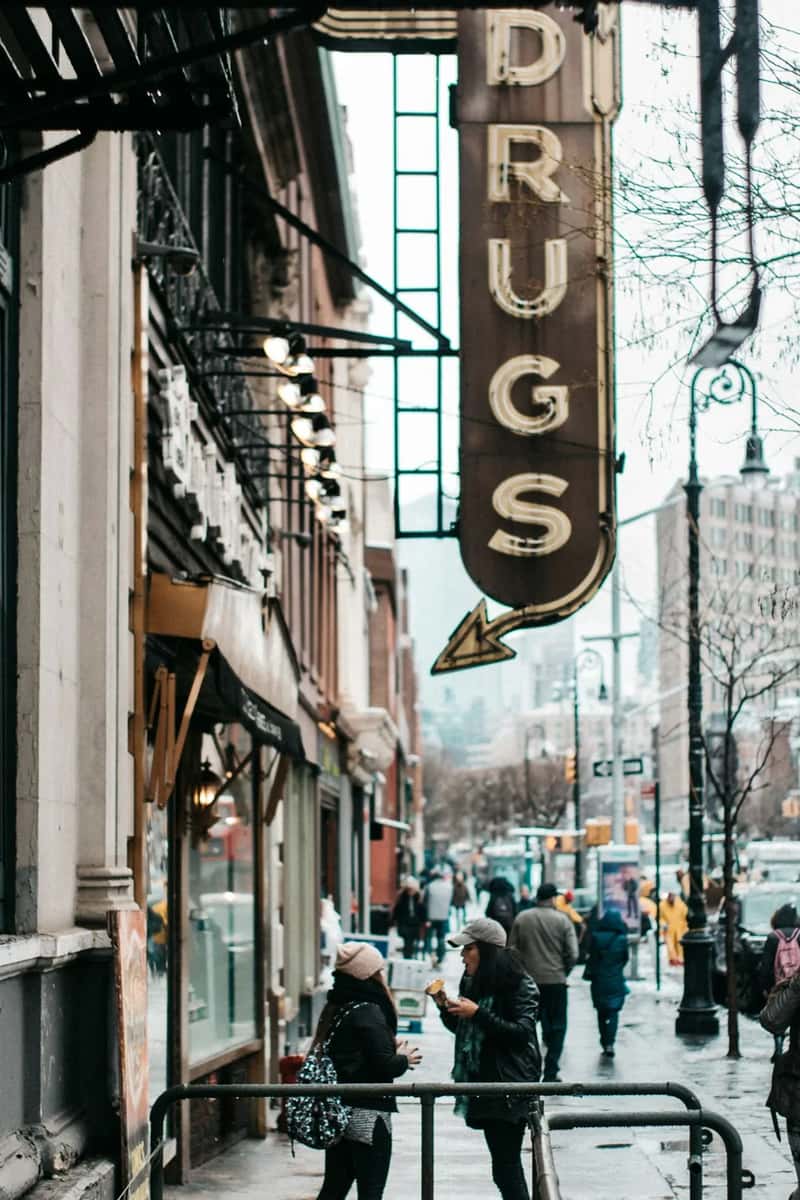
It might seem unusual to place the United States on a strict-access list given how commercialized its pharmacy chains are, but its controlled substance framework is genuinely expansive. The United States takes first place for countries with the most banned drugs, with 562 controlled substances on its ban list, officially released by the US Department of Justice. That list covers a wide range of everyday prescriptions, not just narcotics.
The scope includes medications many people carry routinely for chronic conditions. This includes common prescription drugs such as codeine, diazepam, and tramadol. For travelers arriving with these medications undeclared or without paperwork, US customs enforcement leaves little room for improvisation.
12. Germany

Germany’s pharmacy system runs on a strict prescription model that surprises many visitors from countries with looser rules. Germany follows behind with 464 banned or controlled drugs, including commonly used prescriptions such as amphetamines, phenobarbital, and zolpidem. That’s a substantial list for a country often associated with efficient, accessible healthcare.
Travelers are not left entirely without options, though the rules are specific. However, travelers may take appropriate quantities of medications with them that have been prescribed by their doctor and for their personal use during their travel period in the country. Outside of that narrow allowance, German pharmacies stick closely to prescription-only dispensing for anything on the controlled list.
13. Australia
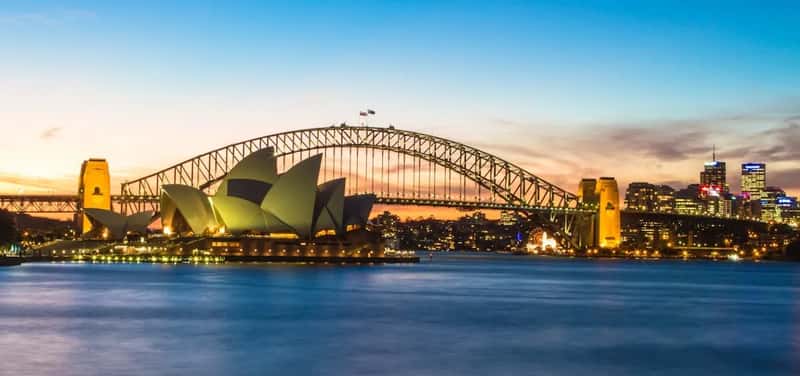
Australia’s Therapeutic Goods Administration keeps a tight rein on both prescription and over-the-counter medicine, with documentation requirements that catch some travelers unprepared. Australia’s Therapeutic Goods Administration has a strict policy, and travelers can carry up to three months’ supply of prescription or OTC drugs, provided they are declared and accompanied by a prescription. That declaration requirement is taken seriously at the border.
Even common medications elsewhere require formal prescriptions in Australia. Codeine is prescription-only, and violations can incur fines or seizure. The country’s approach reflects a broader public health push to reduce casual access to medications with dependency risks.
14. New Zealand

New Zealand mirrors much of Australia’s caution, restricting access to medications that are sold freely elsewhere. New Zealand permits a three-month supply of OTC and prescription drugs with proper documentation, and controlled substances must be declared. The paperwork burden falls squarely on the traveler.
Some substances that seem harmless abroad require formal prescriptions here. Medicines like melatonin are available only by prescription in New Zealand, a detail that surprises visitors from countries where it sits on an open shelf. The broader Pacific region often follows a similar template, with island nations tending to align their pharmacy rules closely with either Australian or New Zealand standards.
15. Sweden

Sweden’s current approach to drugs stands in sharp contrast to a more permissive period decades ago, and the shift shaped how the country treats controlled medications today. After decriminalizing methamphetamines so that doctors could prescribe the drug to addicted people, drug use in Sweden soared, and the country has since pulled a 180, now treating all drugs as illegal substances with stop and search laws. That history left a lasting mark on public policy.
The country’s current stance is built around consistency rather than exceptions. It’s all part of the country’s official “zero tolerance” approach which aims to foster a society that is completely free from illegal drugs. Prescription medications with abuse potential, including many sedatives, sit under close pharmacy control as a direct extension of that philosophy.
16. China
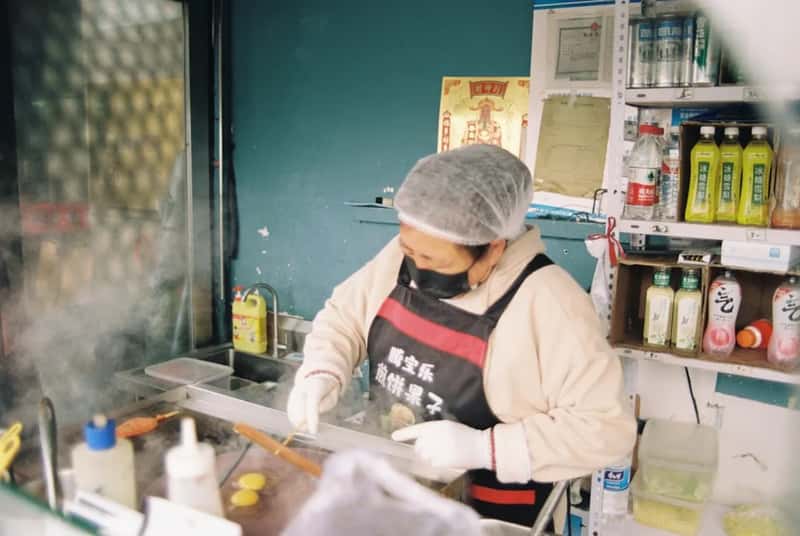
China presents an interesting case because official policy is strict even where practical enforcement has lagged. Apart from some topical antibiotics, such as chlortetracycline and erythromycin which are over-the-counter medicines, the law states that most antibiotics need to be purchased on prescription in China. The government has pushed hard to close enforcement gaps in recent years.
Beyond antibiotics, China’s broader drug law framework is genuinely severe. China’s Penal Code imposes severe punishments, including the death penalty, for drug-related crimes, particularly trafficking, and the country has conducted widespread anti-drug campaigns resulting in numerous arrests and executions. That combination of tightening pharmacy rules and harsh criminal penalties makes China one of the more complex entries on this list, caught between old habits and a clear policy push toward stricter control.
These sixteen countries make clear that “prescription drug” means something very different depending on where you happen to be standing. In some places, a pharmacist’s judgment fills the gap left by weak enforcement or a shortage of doctors. In others, a missing document or an unfamiliar ingredient can turn a routine medication into a legal problem. For anyone traveling internationally with medication, checking the destination country’s specific rules before departure remains the simplest way to avoid an unpleasant surprise at customs or a pharmacy counter.