Renting a storage unit in the United States has quietly become one of those expenses people forget to question. It just shows up on the credit card statement every month, holding onto old furniture or seasonal gear, while the bill creeps higher than most folks realize. Somewhere along the way, that modest metal box started costing more than an entire month’s housing does in other parts of the world.
That comparison sounds exaggerated until you actually look at the numbers side by side. A handful of countries have average rents so low that they undercut what an American pays just to store a mattress and a few boxes. Here is where that plays out, and why it happens.
Pakistan

In Pakistan, rent for a one-bedroom apartment in a city centre averages Rs36,088 a month, which converts to roughly 130 US dollars at current exchange rates. That figure covers a one-bedroom unit in a city center, not some remote village, meaning it applies to renters in Karachi, Lahore, or Islamabad who want an urban address. It already sits right around what a standard American storage unit costs, and that is before accounting for cheaper neighborhoods or smaller cities.
Pakistan shows up again and again on lists of the world’s most affordable places to live. Egypt, Pakistan, Libya, Bangladesh, India, Nepal, and Tunisia appear on both Living Cost’s and Numbeo’s lists of the least expensive countries to live in. Wages are low too, so the affordability is relative rather than luxurious, but for anyone earning income from abroad, it stretches remarkably far.
Egypt
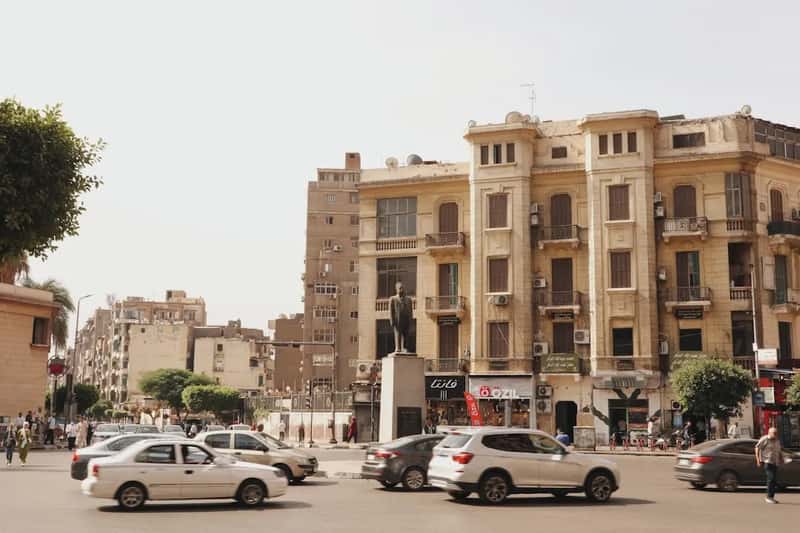
Egypt sits comfortably among the cheapest countries on earth to rent a place to live. The cheapest countries to live in are Pakistan, Egypt, Nepal, Bhutan, and Burundi. Cairo and Alexandria both offer neighborhoods where a modest apartment goes for a fraction of what renters pay in most American cities, let alone what they pay just to warehouse extra belongings back home.
The overall cost of living backs this up in a bigger way. In these states, a person needs less than $430 per month to live comfortably. Once rent, groceries, transportation, and utilities all fit inside that number, rent alone is almost certainly landing well under the price of a U.S. storage unit, sometimes by a wide margin.
Nepal
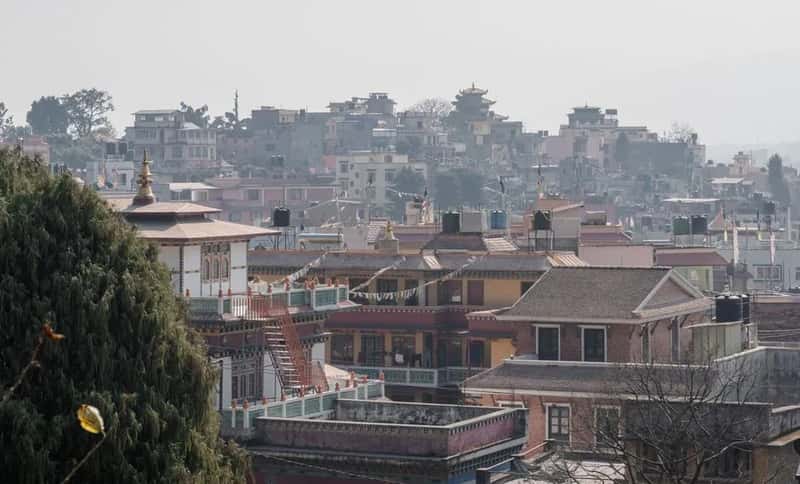
Nepal is one of those places that surprises people once they actually price it out. It appears alongside Egypt, Pakistan, Bhutan, and Burundi as one of the cheapest countries anywhere, with monthly living costs staying under 430 dollars for a single person. Kathmandu, the capital, still offers modest one-bedroom apartments for a small slice of that total budget.
Separate research backs up how low the bar goes here. The cheapest countries to live in 2026 are Vietnam ($800/month), Cambodia ($700/month), Indonesia ($900/month), and Thailand ($1,000/month) in Southeast Asia, Nepal ($600/month) in South Asia, and that six hundred dollar figure covers everything, not just a roof overhead. Rent typically makes up a modest portion of that total, which puts it in the same range as, or noticeably below, what Americans pay to keep a storage unit running.
Bangladesh
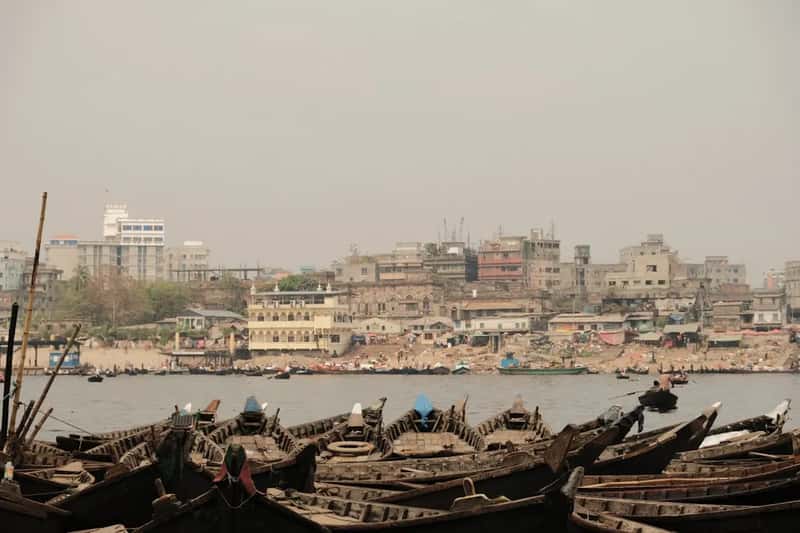
Bangladesh rarely gets mentioned in casual conversations about cheap places to live abroad, yet it consistently ranks among the most affordable nations on formal cost-of-living indexes. Egypt, Pakistan, Libya, Bangladesh, India, Nepal, and Tunisia appear on both Living Cost’s and Numbeo’s lists of the least expensive countries to live in. Dhaka has its expensive pockets, but plenty of neighborhoods offer straightforward one-bedroom apartments at prices that would look like a rounding error on a typical American budget.
Part of the reason Bangladesh stays so affordable comes down to how local wages and rental markets are structured, keeping prices anchored well below Western norms. For anyone earning in dollars, euros, or pounds while living there, the math works heavily in their favor. Housing costs that would barely cover a storage locker back home can instead cover a full month of rent.
India

India’s sheer size means rental prices vary enormously from one city to the next, but the country as a whole still lands firmly on the list of the world’s cheapest places to rent. Egypt, Pakistan, Libya, Bangladesh, India, Nepal, and Tunisia appear on both Living Cost’s and Numbeo’s lists of the least expensive countries to live in. Smaller cities and towns, in particular, offer one-bedroom apartments at prices that barely register compared to typical Western rents.
Even in larger metros like Pune or Ahmedabad, renters can often find comfortable apartments for well under what Americans pay monthly just to keep a storage unit rented. Mumbai and parts of Delhi push prices higher, closer to what a small American city might charge, but plenty of the country still offers rents that would strike most Americans as almost implausibly low.
Cambodia
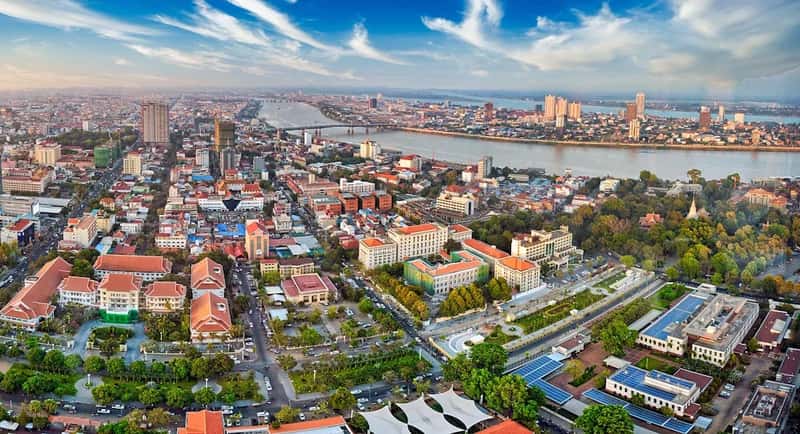
Cambodia has built a reputation among long-term travelers and remote workers as one of the more livable, budget-friendly countries in Southeast Asia. The cheapest countries to live in 2026 are Vietnam ($800/month), Cambodia ($700/month), and that seven hundred dollar monthly figure includes rent, food, transportation, and healthcare combined. Phnom Penh has some pricier expat-favored buildings, but plenty of standard local apartments sit well below what that overall budget suggests.
Outside the capital, in cities like Siem Reap or Battambang, rents drop even further. A single renter focused purely on housing costs can often find something comfortable for a fraction of Cambodia’s already modest monthly average. That kind of pricing puts local rent squarely below the typical American storage unit bill, sometimes by a significant margin.
None of this means American storage units are overpriced by accident. Land, labor, insurance, and climate control all cost real money, and facility operators pass those costs along the way any business does. Still, seeing rent in Karachi, Cairo, Kathmandu, Dhaka, smaller Indian cities, and Phnom Penh line up below a simple storage bill puts American housing and storage costs into a different kind of perspective, one that a spreadsheet full of square footage numbers rarely captures on its own.