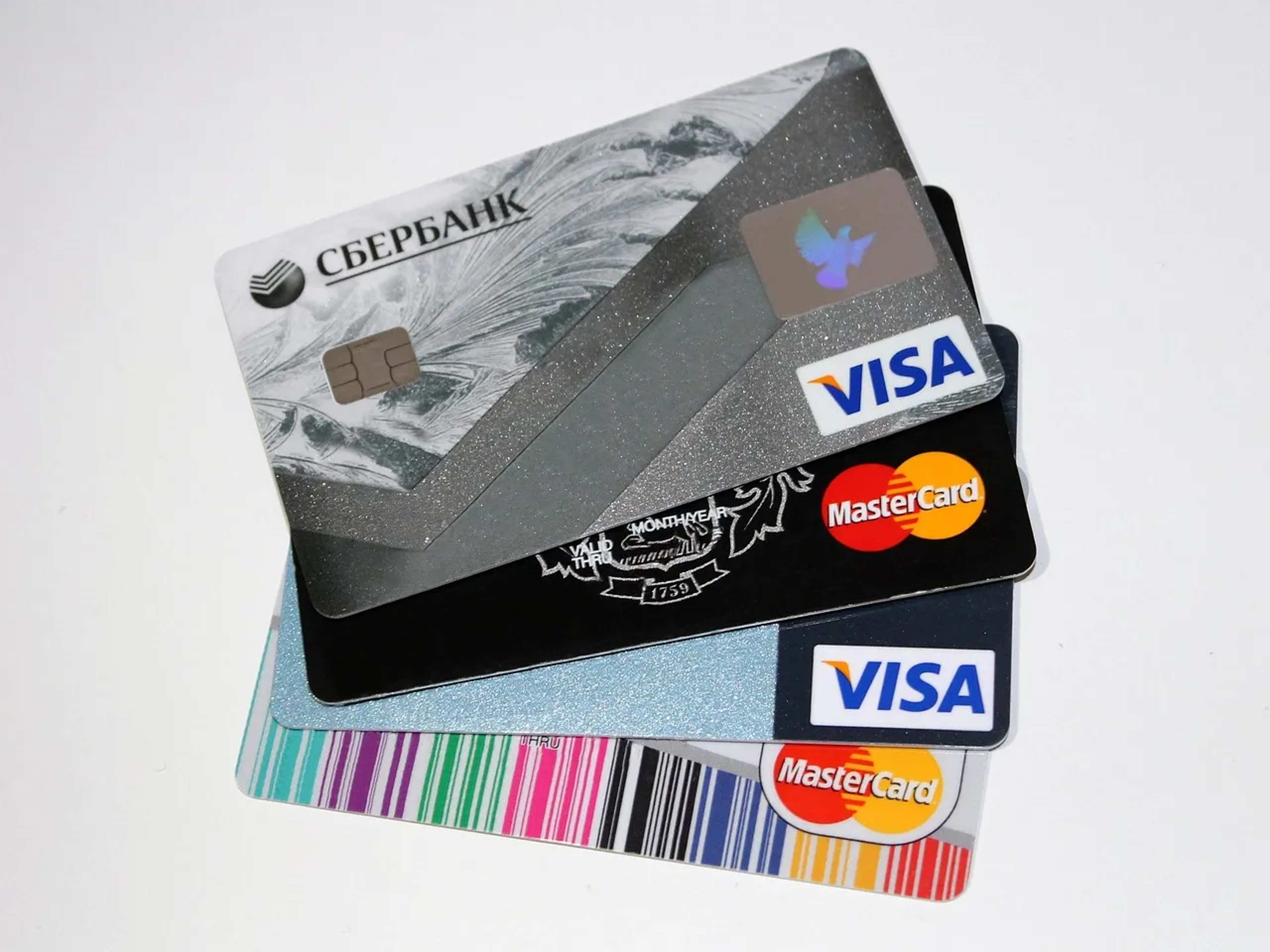
Most travelers assume a tip is just a tip, a small courtesy that translates across borders without much thought. That assumption falls apart the moment you land somewhere that treats gratuity as either a lifeline for underpaid workers or an outright insult to their professionalism.
The gap between these two worlds is wider than most guidebooks let on. In some countries, skipping a tip can ruin an otherwise pleasant interaction, while in others, leaving cash behind can trigger an awkward chase down the street as staff try to give it back.
United States

Nowhere is tipping more deeply woven into the economy than in the United States. In the United States, tipping is a customary way for customers to express gratitude for good service, and while technically optional, it’s generally expected in full-service restaurants, with a standard tip ranging from 15% to 20% of the pre-tax bill. This isn’t just etiquette, it’s often survival math for servers whose base pay is legally allowed to sit far below minimum wage.
America’s tipping culture is hardwired into the economy, with servers earning as little as $2.13 hourly, meaning that 20% gratuity isn’t just appreciated, it’s essential income. There’s also political movement on this front. In January 2025, the “No Tax on Tips Act” was introduced in Congress, which if passed would amend the Internal Revenue Code to eliminate income tax on qualified tips.
Canada
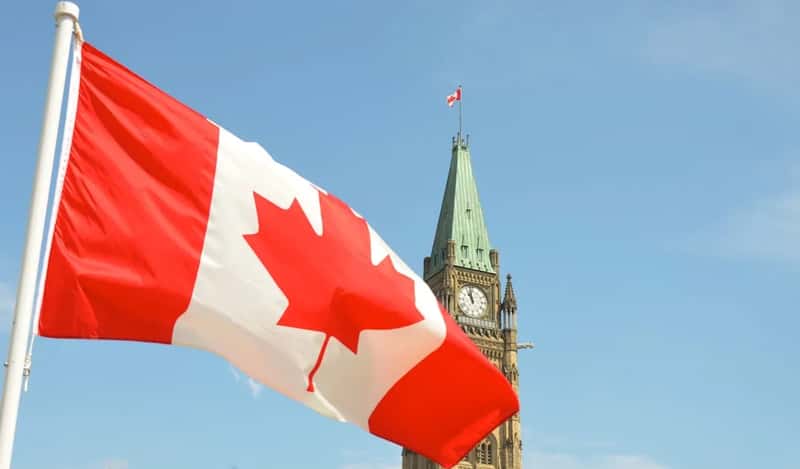
Canadian tipping culture runs almost parallel to its neighbor south of the border, though with its own quiet rules of politeness. Tipping customs in Canada closely mirror those in the United States, with a standard tip for seated restaurant service sitting at 15-20%, calculated before tax. In Quebec specifically, the social pressure to tip runs even stronger.
Particularly in Quebec, it is said that skipping the tip is considered seriously impolite. Canadians also have their own quirks around the ritual itself. Canadians typically don’t like it and find it inappropriate when they are asked if they want change from a bill, preferring to decide themselves how much they tip, and pennies or a dollar or two on a $100 bill will be considered an offense that Canadians will not smile over.
Mexico
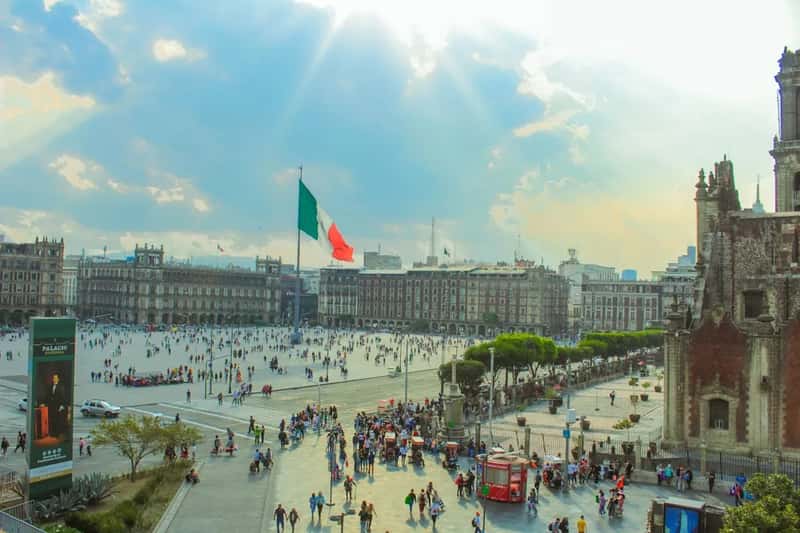
Mexico’s restaurant industry runs on a wage structure that makes tips essential rather than optional. In Mexico’s vibrant restaurant scene, service staff often earn minimal base pay, making pesos critical to their livelihood, with servers in tourist destinations like Cancun sometimes earning around $5 to $15 daily before tips, and the expected percentage hovering between 15% and 20%. Resort towns in particular lean on this system heavily.
Beyond restaurants, the expectation extends to nearly every service interaction a traveler has. In Mexico, tipping is an important aspect of dining and service culture, customary between 10 to 20 percent at restaurants, with higher tips expected at beach resorts, and travelers should also consider tipping taxi drivers by rounding up the fare and leaving a few extra pesos for hotel staff.
Egypt

Few countries have a tipping tradition as old or as ingrained as Egypt’s. The ancient practice of baksheesh has deep historical roots in Egypt, and Egyptian service workers universally expect gratuities generally around 10-15% in restaurants, with additional cash tips remaining expected even in tourist areas like Luxor or Cairo where service charges are already added. This isn’t limited to formal dining, either.
Baksheesh extends well beyond restaurant tables into daily transactions with guides, drivers, and even people who simply point you toward a bathroom. In African and Middle Eastern countries like Jordan, Morocco, and South Africa, wait staff will expect at least 10-15% tip, and nicer restaurants in popular tourism countries like Egypt and Israel will also add a service charge to the bill. Skipping baksheesh entirely can come across as genuinely rude rather than simply frugal.
Jamaica
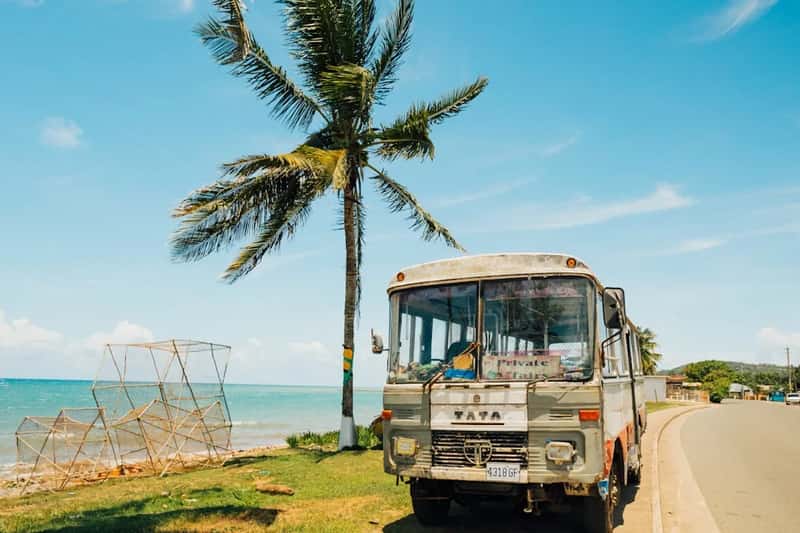
Caribbean hospitality runs largely on tips, and Jamaica sits near the top of that list. In Jamaica, tipping is not just appreciated, it’s an integral part of service culture, with diners typically tipping between 15 to 20 percent at restaurants, especially for exceptional service. That expectation carries through resorts, bars, and tour operations alike.
The wider Caribbean region shares this mindset, largely shaped by heavy tourism traffic. The Caribbean is a common place for North Americans to travel, and it’s home to a number of countries that tip and expect tipping in return, with a local mindset that is very service oriented due to the number of tourists this region sees annually.
Brazil

Brazil’s system is a little gentler than its northern neighbors, but tipping is still firmly part of the culture. In Brazil, a tip is a standard practice as it is in America and Canada, and it’s expected, with standards around the ten percent mark, and while the percentage is lower than North American norms, the expectation itself is firm. Budgeting for it is actually a bit easier than in the US.
What makes this country a little easier to budget for is that menu prices already reflect the cost of sales tax, which can make it easier to budget your tip. Skip it entirely, though, and it will likely be noticed. Visitors who skip the gratuity entirely, especially when no service charge is included, risk leaving a genuinely poor impression.
Japan

Japan sits at the opposite end of the spectrum, where a tip can feel like a quiet accusation rather than a compliment. The philosophy of omotenashi, wholehearted hospitality, means excellent service is a point of professional pride rather than something requiring extra payment, and tipping implies the establishment doesn’t pay fair wages, so staff may chase you to return money left on the table. A well-meaning attempt to normalize the practice didn’t go well either.
The Tip Project, a plan to normalise tipping in Japan in 2021, was met with severe backlash from locals who deemed the practice “un-Japanese”, and the project was abandoned in early 2023. If you want to show appreciation instead, a sincere “gochisousama deshita” (thank you for the meal) is the appropriate gesture.
South Korea

In South Korea, the discomfort around tipping ties into something deeper than wages. Korean culture places extreme importance on appearances and social standing, and offering a tip can imply the recipient looks like they’re in financial distress, a serious insult in a society where chemyon, or face, governs social interaction. The practical result is that offers of cash are simply turned down.
Tipping is not customary in Korean culture, and tipping is not expected in the general service industry. If a server does decline your money, the better move is to skip the gesture entirely. Simply pay the bill as presented, and compliments to the chef or staff are appreciated, with a return visit considered the highest compliment.
China

Mainland China carries a historical wariness toward tipping that dates back decades. Tipping was historically seen as bribery or charity, both insulting, and workers may feel embarrassed or refuse the money. That legacy still shapes everyday transactions outside of international hotel chains.
Taxis are a particularly clear example of where the practice can backfire. In some regions of China tipping the taxi driver is illegal, so insisting on tipping could land the recipient in hot water, which is worth knowing before handing over extra cash to a driver who seemed friendly and helpful. Group dining also comes with its own etiquette. Pay the listed price, and in group settings, the host typically covers the entire bill, meaning offering to split can itself be a faux pas in Chinese dining culture.
Singapore

Singapore’s stance on tipping is less about tradition and more about deliberate policy. Singapore’s government has actively discouraged tipping. That guidance shows up directly on the bill itself.
In Singapore, bars and restaurants typically add a ten percent service charge, which is subject to the nine percent Goods and Services Tax, and excess tipping is not practiced and is rarely expected in most instances. Trying to hand over extra cash on top of that can land awkwardly. Trying to slip extra Singapore dollars comes off as faintly condescending, and staff in tourist districts like Marina Bay might accept tips to avoid confrontation, though their discomfort sometimes shows.
Denmark
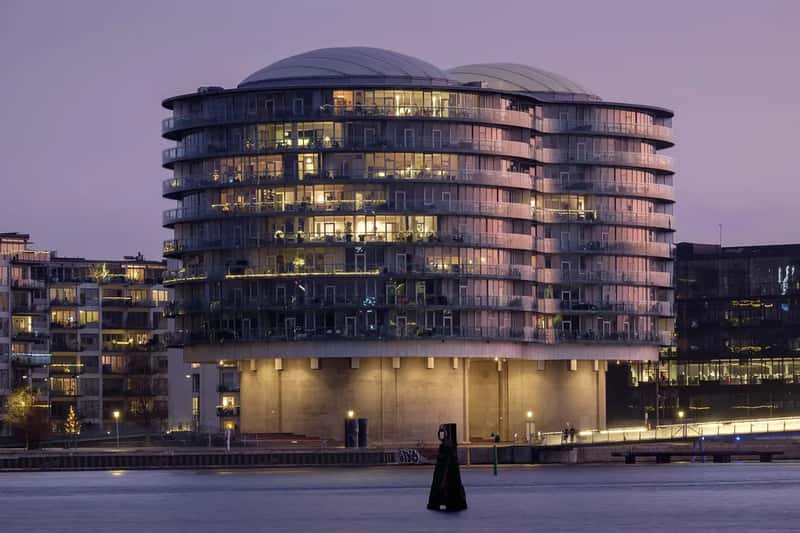
Denmark’s approach to tipping is tied closely to how the country structures wages in general. Denmark’s restaurant culture operates on the principle that good service is a professional requirement, with bills including everything needed to fairly compensate workers, and tipping creates tension by establishing a hierarchy between server and customer. That hierarchy is exactly what Danish service culture tries to avoid.
If service genuinely stands out, a small gesture is fine, but restraint is the rule. Truly exceptional experiences might justify rounding up by 10 percent at most. Outside of that, sticking to the printed price is the safer and more culturally appropriate choice.
Switzerland

Switzerland treats tipping as almost redundant given how its pricing already works. Bills include service charges, so additional money is viewed as redundant or insulting, since the Swiss take pride in efficiency and professionalism, and tipping implies they need performance-based incentives to do their jobs correctly. This isn’t just a casual observation, it’s echoed in official guidance.
MySwitzerland’s official guidance suggests respecting the existing system shows more cultural awareness than importing foreign customs. For visitors used to leaving a percentage on every bill, this can take some adjustment, but it’s one of the simpler etiquette rules to follow once you know it.
Iceland
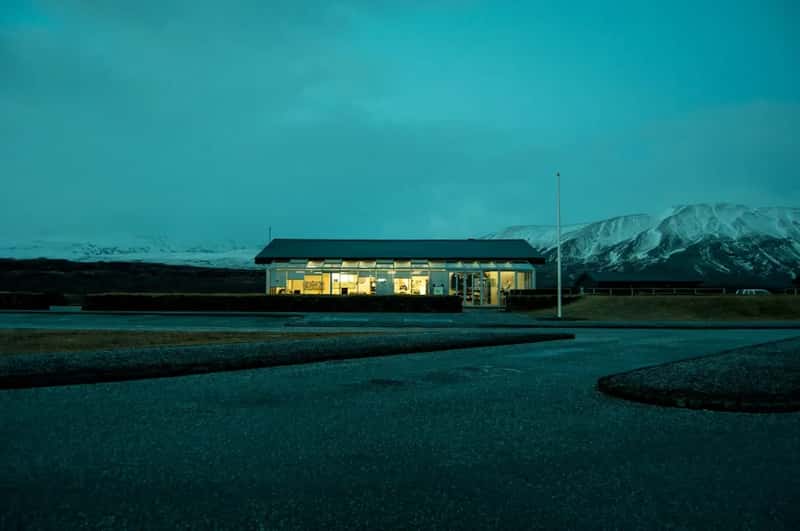
Iceland’s tipping culture is about as minimal as it gets in Europe. In Iceland, tipping is not a common practice, and the service charge is included in the bill, with rounding up for exceptional service appreciated but not necessary. The wage structure behind this is a big part of why the custom never took hold.
Iceland consistently ranks among the highest-wage economies in Europe, and hospitality workers there are compensated accordingly through their base pay rather than gratuities from customers. The advice for travelers is refreshingly simple. Tipping in Iceland? Don’t. Service charges are included, and locals don’t expect, or want, extra cash on the table.
New Zealand

New Zealand’s resistance to tipping comes from a cultural discomfort with the dynamic it creates. Kiwis actively avoid the unequal dynamic that tipping creates, since hospitality workers earn salaries that don’t require customer supplementation, with waiters earning on average around 23 NZD, which is around minimum wage. That said, the custom isn’t entirely foreign to the country anymore.
Tipping is not a traditional practice in New Zealand, though it has become more common in recent years, especially in finer establishments, likely the result of tourists visiting from tipping cultures such as the United States, and it’s still extremely rare among locals, especially among the working and middle class. If you do decide to tip, keep it modest, and don’t be surprised if it’s met with mild confusion rather than gratitude.
Tipping norms rarely travel well, and that’s the real lesson buried in all of this. What reads as generosity in one country can land as condescension in another, and the only real way to avoid the mismatch is knowing the local rules before you sit down at the table.