Water defines everything. It’s the difference between a thriving community and a crisis waiting to happen. Right now, in 2026, we’re seeing the extremes play out globally – places where you can drink straight from a mountain stream, and others where families walk miles just to access water that might make them sick.
The contrast is shocking when you look at the data. While some countries maintain near-perfect water systems through a combination of natural advantages and smart policies, others are grappling with contamination, scarcity, and infrastructure collapse. Here’s the thing: access to clean water isn’t just about convenience. It shapes health outcomes, economic development, and even geopolitical stability. Let’s dive into which nations are getting it right, and which ones are facing serious challenges.
Switzerland: Alpine Perfection in Every Drop

Switzerland scored a perfect 100 out of 100 in water quality and sanitation according to the Environmental Performance Index 2024. The country benefits from pristine alpine lakes and underground springs that naturally filter through layers of rock and sand. Roughly 80% of Swiss tap water requires zero chemical treatment before reaching your glass, according to the Swiss Federal Office for the Environment’s 2023 water quality report. Think about that for a moment – no chlorine, no chemicals, just pure water flowing from the mountains.
The quality of Swiss surface water has improved significantly, with decreasing nitrate and phosphorus levels, thanks to excellent wastewater treatment infrastructure and a ban on phosphorus in detergents.
Iceland: Volcanic Geology Meets Water Purity
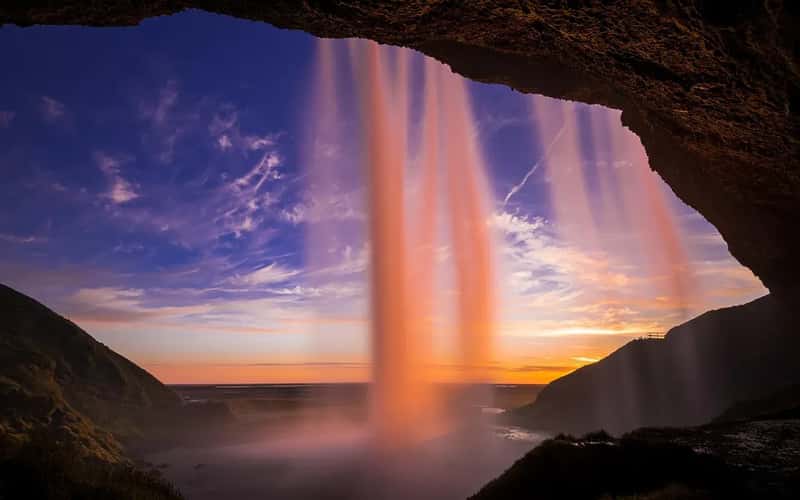
Iceland has the cleanest waters across Europe, receiving an index score of 86.07 points in 2023. This volcanic island nation transformed geological challenges into remarkable advantages. Water there does not require chemical treatment and travelers coming to the Nordic country are recommended to drink water directly from the lakes. Iceland’s isolated location and sparse population create almost laboratory-like conditions for maintaining purity.
Drinking compliance was 99.97% in health-related chemicals and 99.44% in indicator parameters indicating that Icelandic groundwater abstracted for drinking water supply is generally of high quality with no expected health risks. A staggering 97 percent of the population is satisfied with the water quality in Iceland, according to a recent OECD study.
Finland: Thousands of Lakes, Zero Compromises
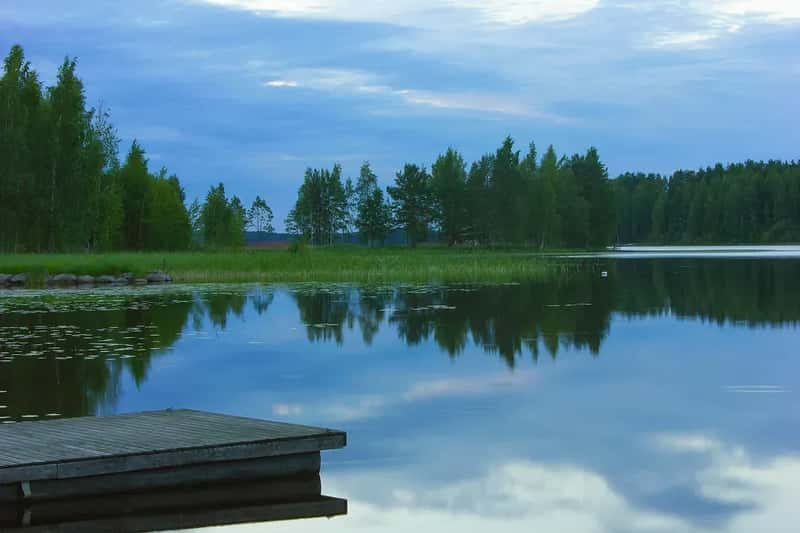
Finland earns a perfect 100.0 in both Sanitation & Drinking Water and Heavy Metals, showing top-tier performance in public health and pollution control. The country’s extensive lake systems and pristine forests act as natural filtration systems. Water quality is classified as excellent or good across 80% of the total area of Finland’s lakes.
Finland’s approach reflects a cultural connection to nature where environmental protection isn’t just policy – it’s a fundamental part of national identity. Finland clean water access for 2022 was 99.64%. The Nordic nation has built a reputation on environmental stewardship that extends beyond water quality into a comprehensive ecosystem approach.
Norway: Sustainable Management Meets Natural Abundance
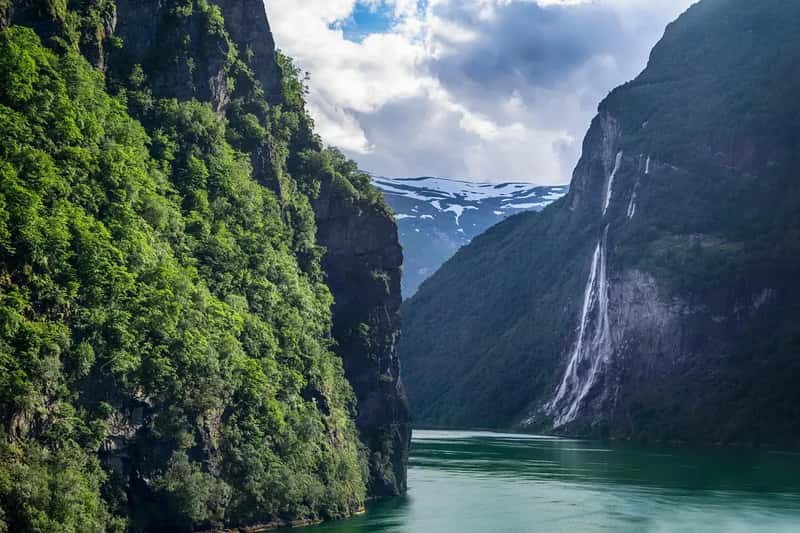
Norway scores an impressive 90.9 in the Environmental Performance Index’s air pollution category, reflecting exceptionally clean air and low pollution levels. The country’s water quality benefits from strict regulations and sustainable practices. Tap water sourced from natural glacial streams is of such high quality that it requires no chlorine treatment, delivering a fresh, clean taste that is safe to drink.
Norway’s success stems from decades of treating water as a public trust rather than a commodity. The country invested in infrastructure designed to serve future generations, creating a benchmark that other nations study.
Sweden: Where Industry and Purity Coexist
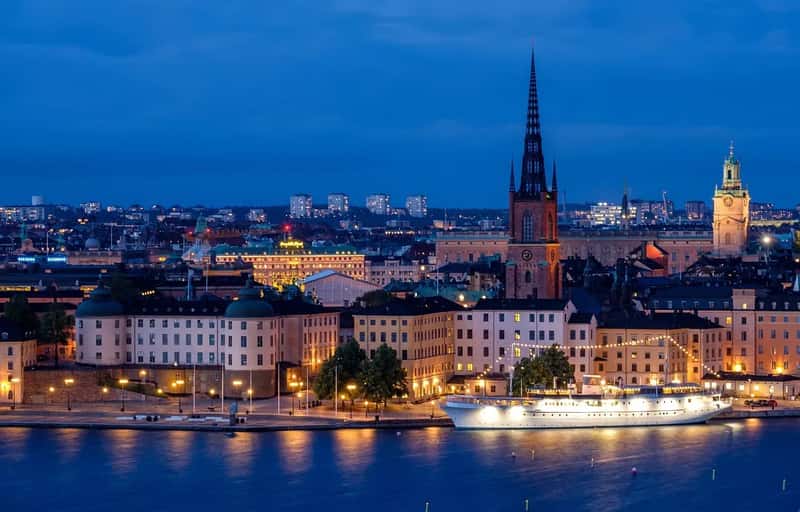
According to the 2024 EPI report, Sweden excels in Environmental Health, with especially strong scores in Sanitation & Drinking Water, Air Quality, and Heavy Metals, where it ranks among the global top performers. What makes Sweden fascinating is how they’ve balanced industrial growth with environmental protection. Sweden sends barely 1% of its waste to landfill, with the rest recycled or used in waste-to-energy plants that supply district heating.
The Swedish model demonstrates that economic development and water protection aren’t mutually exclusive. Their comprehensive waste management and recycling systems prevent pollutants from reaching water sources while generating energy for communities.
Germany: Engineering Excellence in Water Treatment
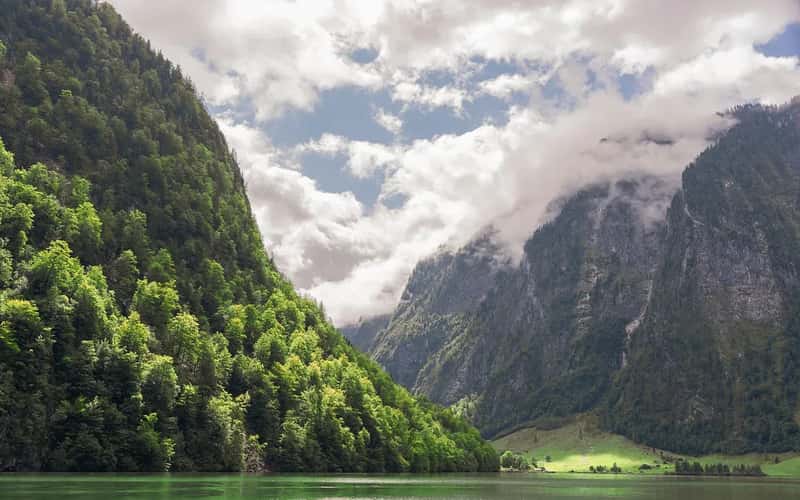
The countries with the cleanest water include Finland, Germany, Greece, Ireland, Italy, Switzerland, the UK and the USA, according to the EPI’s latest rankings for unsafe drinking water quality. Germany’s water quality results from sophisticated treatment facilities and rigorous monitoring systems. The country maintains strict regulatory frameworks that prevent industrial contamination while ensuring universal access to safe drinking water.
German water utilities conduct extensive testing to maintain quality standards that often exceed WHO recommendations. Their investment in both natural source protection and advanced treatment technologies creates multiple layers of safety.
Pakistan: A Crisis Decades in the Making
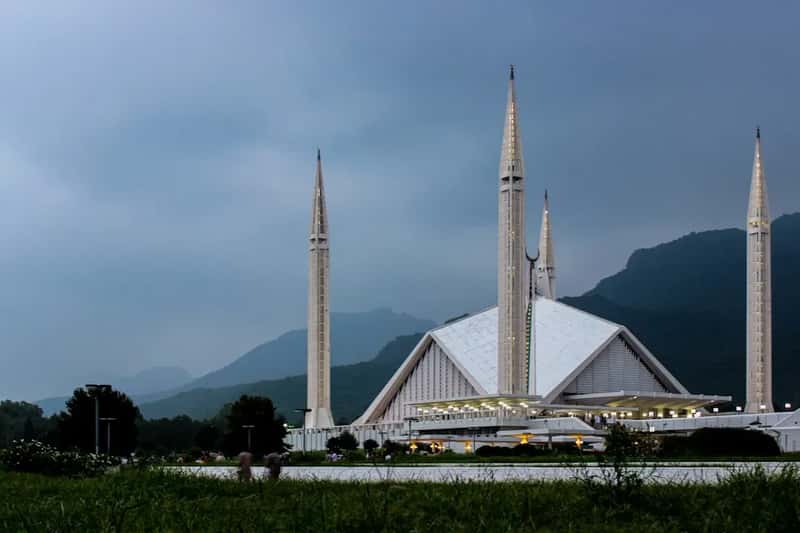
Pakistan faces one of the world’s most severe water safety crises, with an estimated 20 million people lacking access to clean drinking water, according to UNICEF’s 2024 Pakistan report. The Pakistan Council of Research in Water Resources found that roughly 60% of the country’s groundwater is contaminated with bacteria, heavy metals, or industrial pollutants.
Per capita water availability has dropped from 5,000 cubic meters in 1950 to under 1,000 cubic meters today. Water pollution in Pakistan is currently at an alarming stage, with roughly 80% of the population forced to drink contaminated water, whereas only 20% have the luxury of access to clean drinking water. Only about 39% of people living in Pakistan have access to clean water, and estimates place up to 90% of available water being subpar quality.
India: Rivers Running with Pollution
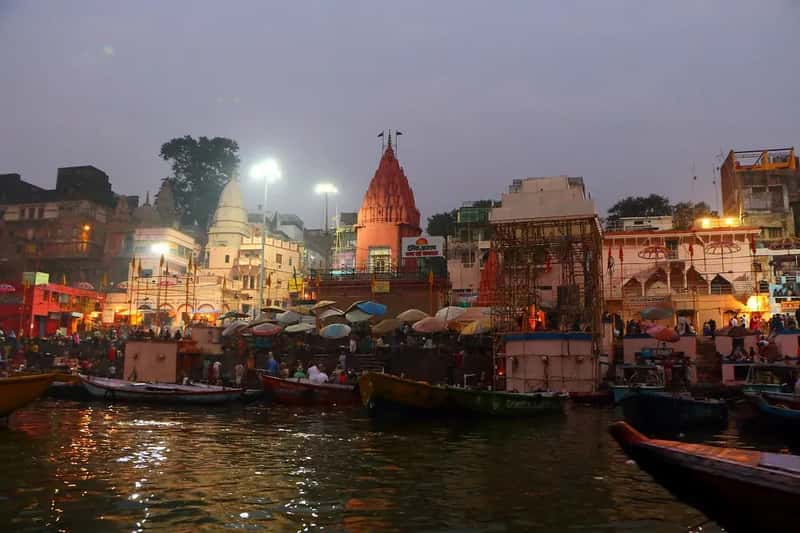
More than half of the rivers in India are highly polluted with numerous others at levels considered unsafe by modern standards. The waters of the Yamuna, Ganga and Sabarmati flow the dirtiest with a deadly mix of pollutants both hazardous and organic. India’s water crisis extends beyond just scarcity – it’s fundamentally about quality and contamination.
Industrial effluents, agricultural runoff, and untreated sewage create a toxic mixture in many water bodies. From dumping human waste to bathing to washing clothes, the human element contributes to the epidemic of health related concerns. The situation affects both rural and urban populations, with many cities struggling to provide safe drinking water despite significant infrastructure investments.
Yemen: Conflict Meets Climate Catastrophe

Over a decade of conflict and a disproportionate impact of climate change have made Yemen one of the world’s biggest water crises, with more than 50% of the population left without water. Even more (74.32%) of the country lacks basic sanitation services. Relatively few people (19.16%) have access to safely-managed sanitation.
Yemen has also been on the frontlines of the climate crisis, suffering further water scarcity due to erratic rainfalls and droughts. The combination of ongoing conflict, deteriorating infrastructure, and climate impacts creates a perfect storm. Water infrastructure damage from warfare means communities can’t access what limited water resources exist, leaving millions dependent on unsafe sources.
Water is the foundation of everything. The countries with pristine water systems didn’t achieve them by accident – they invested in infrastructure, protected natural sources, and enforced strict regulations. Meanwhile, nations in crisis face interconnected challenges of population growth, climate change, pollution, and in some cases, conflict. The gap between these extremes continues to widen, affecting billions of lives. What do you think it would take to help struggling nations reach even half the water quality of these top performers?
Human Necessity Foundation, Concern Worldwide, World Resources Institute, Yale Environmental Performance Index, Pakistan Council of Research in Water Resources, UNICEF, World Bank Water Investment Report, WHO Global Water Quality Report.