Travelbinger
TravelbingerTravel deals, guides and hacks
Travel News
Trip Planner
Sign In
Travel tips
Share:

6 Disappearing National Parks to See While You Still Can

Expert reviewed
Samanta BrownKatherine Woodward Ramer

Author: Samanta Brown

·

Edited by Katherine Woodward Ramer

Cited 15 sourcesUpdated Nov 22, 2026· 6 min read
DetailsFull details

Cited Sources (15)

  1. usgs.gov — Geology glacier national park(usgs.gov)
  2. dailyinterlake.com — Glacier national parks glaciers are falling to pieces study finds(dailyinterlake.com)
  3. dailyinterlake.com — Though shrunken and deflated glaciers may persist through end of century(dailyinterlake.com)
  4. nps.gov — Glacier repeat photos(nps.gov)
  5. nps.gov — Climate change(nps.gov)
  6. home.nps.gov — Climate change(home.nps.gov)
  7. livescience.com — 65953 climate change destroying joshua trees(livescience.com)
  8. nps.gov — Addressing multiple threats to an iconic species in joshua tree national(nps.gov)
  9. epa.gov — Climate change connections florida everglades(epa.gov)
  10. nps.gov — Sea level rise threatens cultural sites in the everglades(nps.gov)
  11. nationalparkstraveler.org — Sea level rise threatens erase park units(nationalparkstraveler.org)
  12. nps.gov — Giant sequoias and fire(nps.gov)
  13. link.springer.com — S42408 026 00469 5(link.springer.com)
  14. usgs.gov — Assessing giant sequoia mortality and(usgs.gov)
  15. nps.gov — 2021 fire season impacts to giant sequoias(nps.gov)
Author:Samanta Brown

Global Travel Expert

Samanta travels the world to find hidden gems and authentic experiences that inspire others to explore.

Editor:Katherine Woodward Ramer

Editorial Specialist

Checks destination facts and source links before a story is published.

Published November 22, 2026 · Updated November 22, 2026 · 6 min readRead about how we research, editorial independence, and AI policy.
6 Disappearing National Parks to See While You Still Can
Add as a preferredsource on Google

None of these parks is about to vanish from the map. The boundaries, the visitor centers and the trailheads will all be there for a long time. What’s changing is the thing each park was created to protect, whether that’s ice, a tree, a wetland or a grove of ancient giants.

The six places below are changing in ways that scientists and park staff have documented. Some of the timelines are firm, and others are more uncertain. All of them are worth visiting with that in mind.

Glacier National Park, Montana: Ice That Gave the Park Its Name
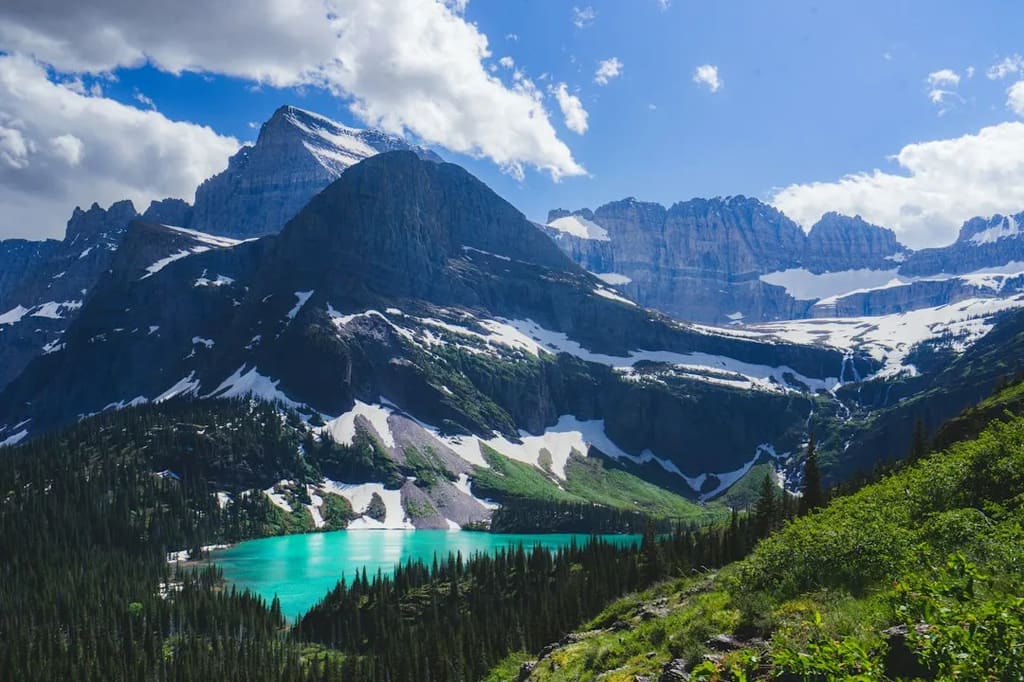
Glacier National Park, Montana: Ice That Gave the Park Its Name (Image Credits: Unsplash)

When the park was established in 1910, there were about 150 distinct glaciers, and as of 2015 only 26 true glaciers remained.[1] The USGS describes the park as iconic of combined snow and ice loss, with over 80 percent of its glaciers gone since the middle of the nineteenth century.[1] A USGS study published in 2023 also found that 11 glaciers in the park have broken into pieces[2], including Agassiz, Kintla and Shepard.

The old prediction that everything would be gone by 2030 now looks too pessimistic. Models from the 2000s suggested the ice could disappear as early as 2030, and later predictions pushed that date to 2050.[3] A December 2025 report in the Daily Inter Lake noted that northwest Montana’s glaciers are still melting, though more slowly than scientists once predicted.[3] If you want to compare for yourself, the National Park Service posts repeat photos of the glaciers taken in late summer between 2015 and 2025[4], including Grinnell, Sperry and Piegan.

Joshua Tree National Park, California: A Desert Icon Under Pressure
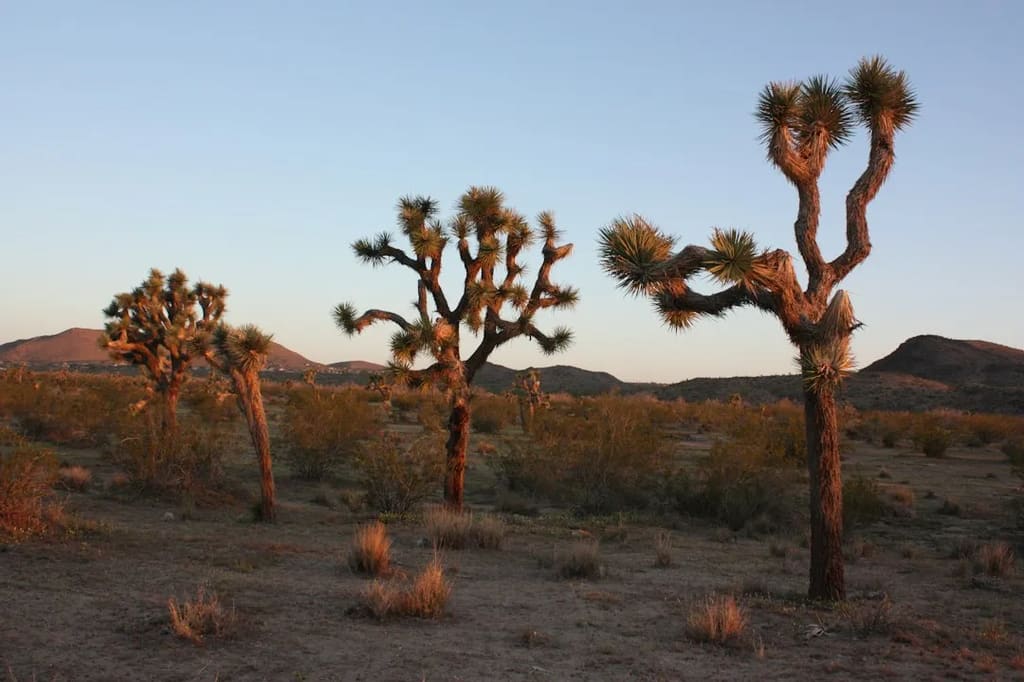
Joshua Tree National Park, California: A Desert Icon Under Pressure (Image Credits: Unsplash)

The park’s namesake tree has a narrow comfort zone, and that zone is shrinking. The National Park Service says that even with lower emission scenarios, nearly 80 percent of suitable habitat in Joshua Tree could be lost.[5] Under the highest emissions, modeling points to nearly all suitable habitat in the park disappearing.[6]

Young trees are the weak point. A UC Riverside study surveyed nearly 4,000 trees in the park[7] and found that young Joshua trees and seedlings can’t store enough water to get through long dry spells.[7] Fire adds to the risk. An estimated 1.3 million Joshua trees died in the 2020 Dome Fire in the Mojave National Preserve.[6] The best surviving habitat is likely to be cooler, wetter pockets at higher elevations, such as Covington Flats[8], which is a good place to start if you want to see the trees at their healthiest.

Everglades National Park, Florida: A River of Grass Sitting at Sea Level
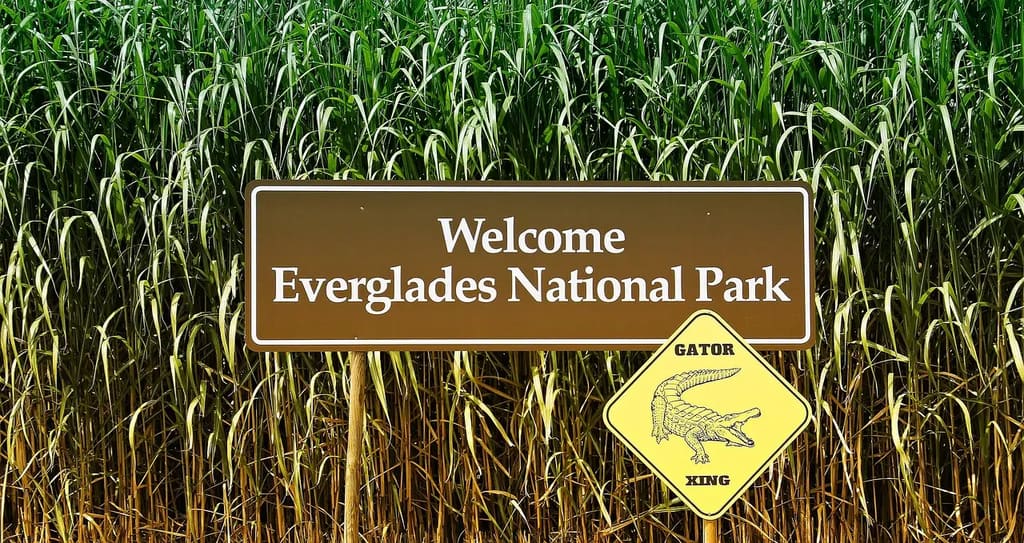
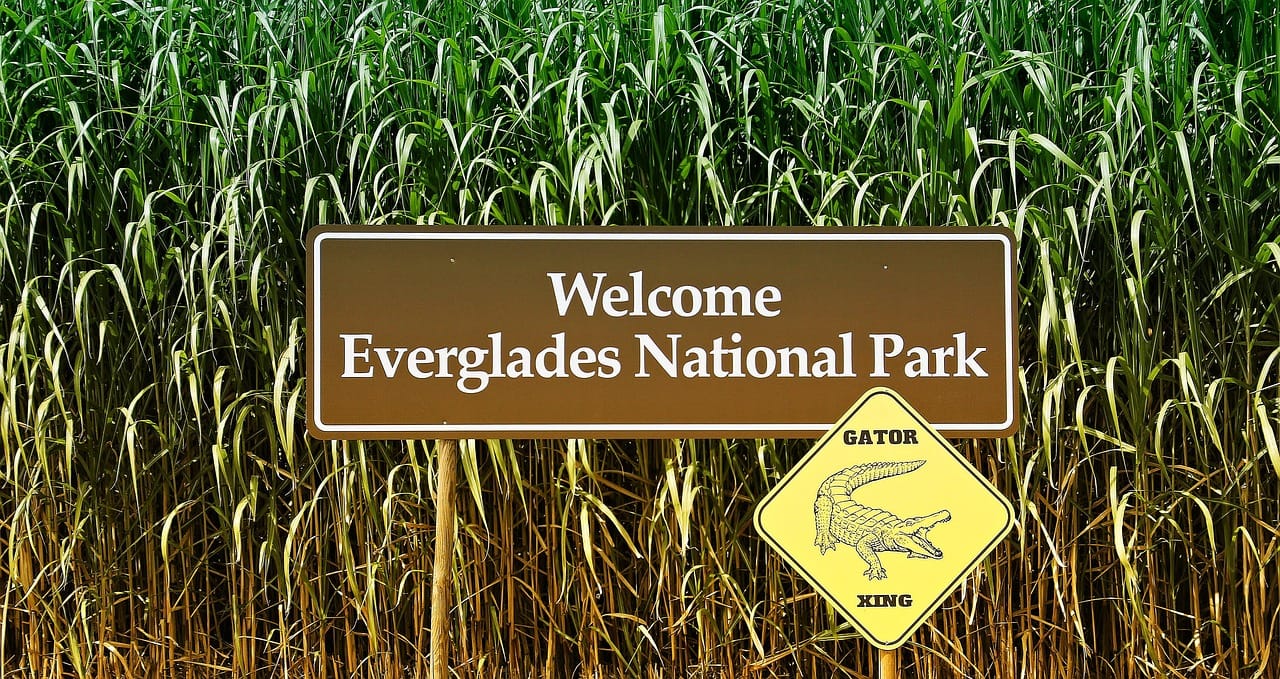
Everglades National Park, Florida: A River of Grass Sitting at Sea Level (Image Credits: Pixabay)

The Everglades has almost no elevation to spare. The EPA notes that South Florida is especially vulnerable to sea level rise because the area sits at most a few feet above sea level, with flat topography and a shallow water table.[9] The park covers approximately 20 percent of the Everglades region[9], and it already deals with saltwater creeping into freshwater habitat.

The park service’s own mapping shows what’s at stake in the long run. With up to 1.2 meters, about four feet, of sea level rise, large swaths of the park would be underwater at the highest tides by 2100, and the Ten Thousand Islands and Flamingo districts would be swamped.[10] Mangroves are also at risk, and a lead researcher with the Florida Coastal Everglades research program has said they are expected to be overtaken by rising seas by 2050.[11] Airboats and boardwalks are still the best way to see the wetland in its current form, especially in the drier winter months.

Sequoia and Kings Canyon National Parks, California: Giants Facing Fire
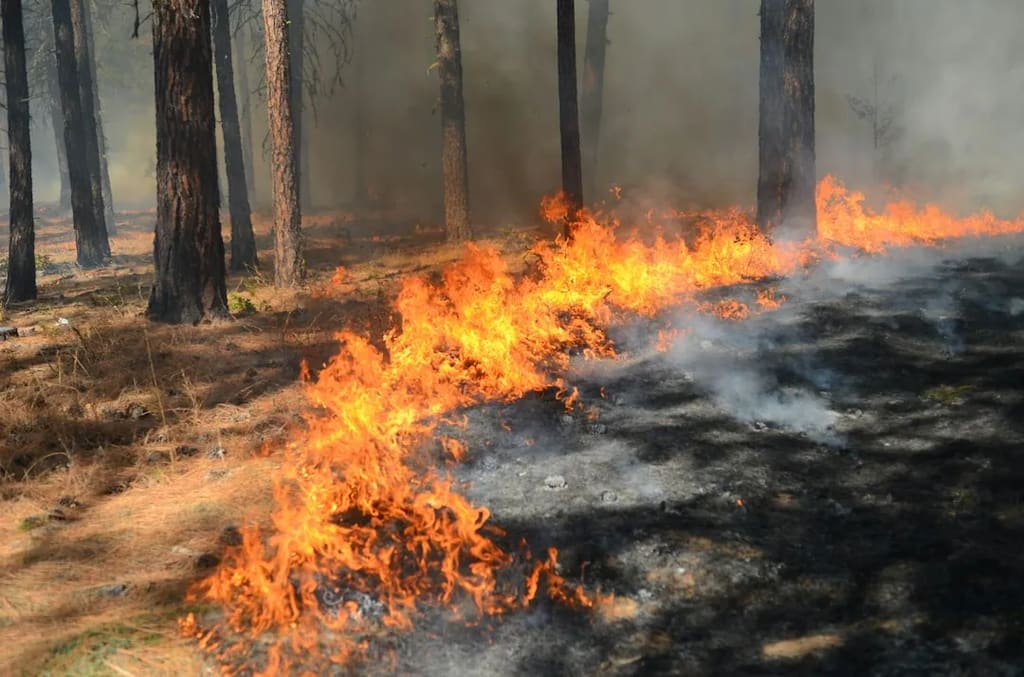
Sequoia and Kings Canyon National Parks, California: Giants Facing Fire (Image Credits: Unsplash)

Giant sequoias were long thought to be nearly fireproof, and recent fires have changed that. The Park Service estimates that the 2020 and 2021 fires killed 13 to 19 percent of the large giant sequoias in the entire Sierra Nevada population.[12] A 2026 study found that from 2015 to 2024, 82 percent of giant sequoia grove area burned in wildfire, compared to 24 percent between 1910 and 2014.[13]

Recovery is not guaranteed in the worst burn zones. USGS researchers found that in groves hit by severe fire, more than 90 percent of trees died and seedling regeneration was far below levels seen after prescribed burns.[14] Even so, many groves are still standing, and fire crews managed to protect the Giant Forest during the 2021 fires. Together, the two parks manage approximately 37 percent of all existing sequoia grove area[15], so a visit here means seeing a large share of what’s left.

Glacier Bay National Park, Alaska: A Bay That Used to Be Ice
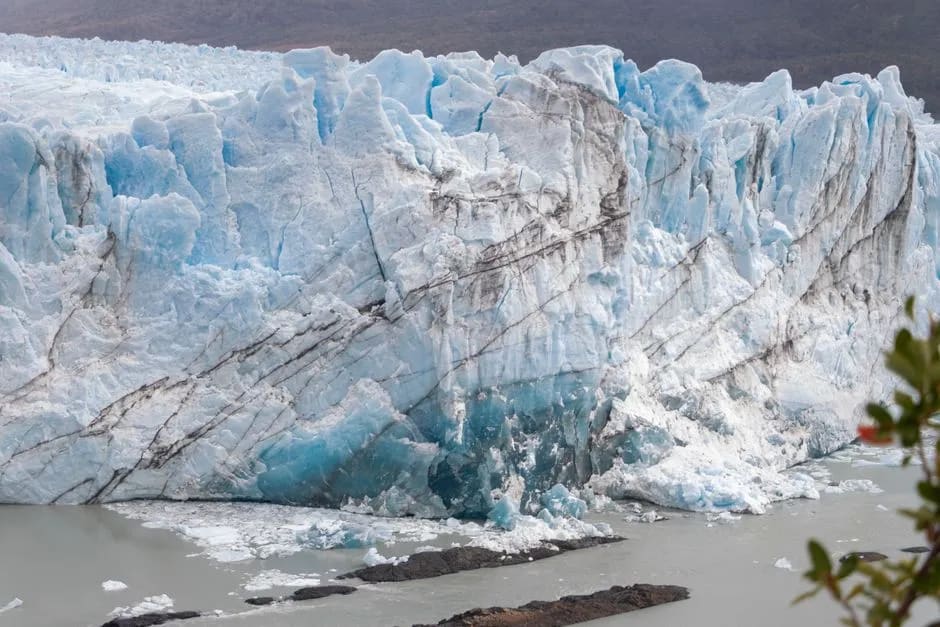
Glacier Bay National Park, Alaska: A Bay That Used to Be Ice (Image Credits: Pexels)

Glacier Bay is one of the clearest records of retreat anywhere in the park system. When Captain George Vancouver sailed past in 1794, the bay was mostly buried under ice. In the two centuries since, the ice has pulled back roughly 65 miles, opening up a long fjord system that ships and kayaks now travel.

Related Stories From Travelbinger
  • 16 Things Shore Excursion Staff Know About an American Port That Never Reaches Any Brochure
  • 15 Services National Park Visitor Centres Provide Free for Over 62s That Signage Never Mentions
  • 15 Things Alaska Cruise Passengers Work Out About Glacier Bay Within the First Morning Aboard

Today the park is best seen from the water. Tidewater glaciers such as Margerie and Johns Hopkins still calve into the inlets, and boat tours from Bartlett Cove take visitors close to the ice. The park is part of a UNESCO World Heritage Site shared with neighboring parks in Alaska and Canada, and the landscape around the retreating glaciers is among the youngest forest and tundra in the region.

Kenai Fjords National Park, Alaska: A Glacier You Can Walk Toward
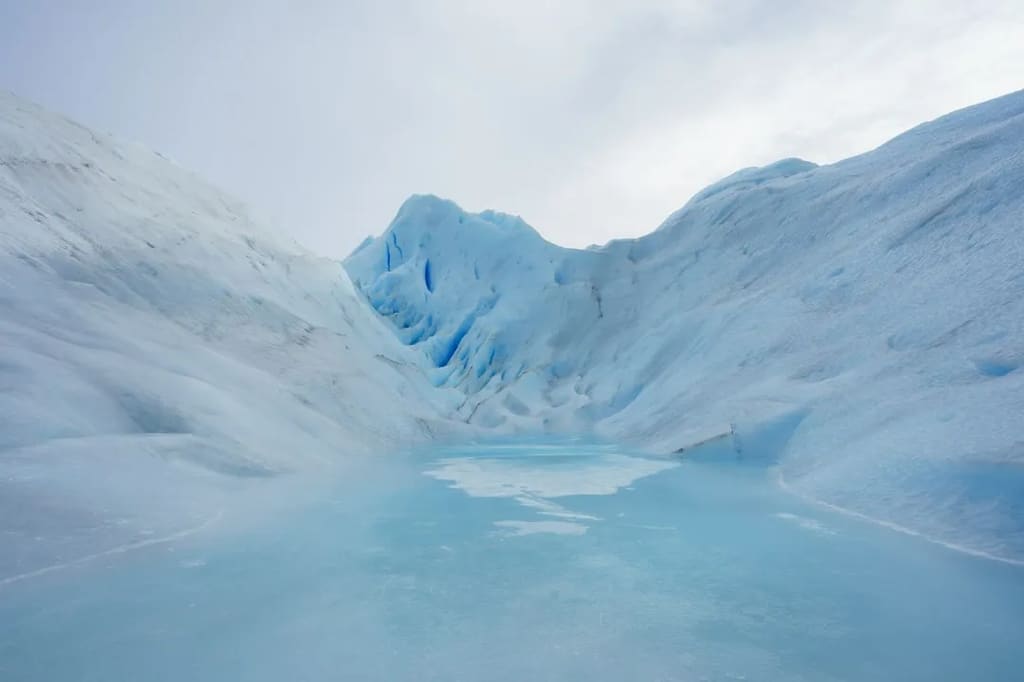
Kenai Fjords National Park, Alaska: A Glacier You Can Walk Toward (Image Credits: Unsplash)

Exit Glacier, near Seward, is one of the few parts of the park you can reach by road. The ice flows down from the Harding Icefield, one of the largest icefields entirely within the United States. A trail from the parking area leads up the valley toward the glacier’s edge.

What makes this spot useful is the set of signs along the trail. They mark where the glacier’s edge sat in past years, so you can see how far the ice has pulled back as you hike. Farther out, boat tours from Seward reach the park’s tidewater glaciers and the coastline, so the park rewards a longer stay if you have the time.

Did any of these feel familiar?

I Swapped Beach Resorts for Forest Cabins – Here’s What Changed

Up Next

I Swapped Beach Resorts for Forest Cabins – Here’s What Changed

The beach resort holiday has a reliable script. Sun loungers, a pool bar, and a schedule that mostly involves deciding where to eat next. For years it was the d

Read next

🔥 Would you like to save this?

We’ll email this post to you, so you can come back to it later.

Samanta Brown
Author

Samanta Brown

Global Travel Expert

Samanta travels the world to find hidden gems and authentic experiences that inspire others to explore.

All stories by SamantaHow we research & AI policy
Katherine Woodward Ramer

Edited & reviewed by Katherine Woodward Ramer — Editorial Specialist

Expert reviewed

Keep Reading

Cookie Dough Can Turn Faster Than Holiday Bakers Expect

Cookie Dough Can Turn Faster Than Holiday Bakers Expect

1 min read

Why Your Eyes Burn After Hours on a Screen, and What Actually Helps

Why Your Eyes Burn After Hours on a Screen, and What Actually Helps

1 min read

16 Things Coach Tour Regulars Over 65 Do at the Farewell Dinner and the Last Morning

16 Things Coach Tour Regulars Over 65 Do at the Farewell Dinner and the Last Morning

1 min read

15 Things Room Stewards Notice When Guests Over 65 Leave the Same Morning Note All Week

15 Things Room Stewards Notice When Guests Over 65 Leave the Same Morning Note All Week

1 min read

The Latest

Fresh stories from our travel desk

I Swapped Beach Resorts for Forest Cabins – Here’s What Changed

I Swapped Beach Resorts for Forest Cabins – Here’s What Changed

Matthias Binder·Nov 22
Cookie Dough Can Turn Faster Than Holiday Bakers Expect

Cookie Dough Can Turn Faster Than Holiday Bakers Expect

Matthias Binder·Nov 22
Why Your Eyes Burn After Hours on a Screen, and What Actually Helps

Why Your Eyes Burn After Hours on a Screen, and What Actually Helps

Matthias Binder·Nov 22
16 Things Coach Tour Regulars Over 65 Do at the Farewell Dinner and the Last Morning

16 Things Coach Tour Regulars Over 65 Do at the Farewell Dinner and the Last Morning

Matthias Binder·Nov 21
View All Stories

Stay Updated

Get the latest travel news delivered to your inbox

Stay Inspired

Get travel inspiration, guides, and exclusive deals delivered to your inbox.

Travelbinger
TravelbingerTRAVEL DEALS, GUIDES AND HACKS

Discover the world through the eyes of seasoned travel experts. From breaking news to hand-picked destination guides, we bring you the stories that matter. Join our community for exclusive member deals and authentic inspiration for your next journey.

Deals

  • All Deals
  • Beach Holidays
  • City Breaks
  • Luxury Hotels
  • Last Minute

Popular Destinations

  • Europe
  • Asia
  • North America
  • South America
  • Africa

Company

  • About Us
  • Travel News
  • Editorial Policy
  • Contact

Legal

  • Privacy Policy
  • Terms & Conditions

This website contains affiliate links to trusted partners.

© 2026 Travelbinger. All rights reserved.

Secure payment with:
Visa
MC
PayPal
Klarna