
Europe’s most picturesque villages are witnessing an unprecedented revolt against tourists. From ancient streets clogged with selfie sticks to locals resorting to desperate measures, these beloved destinations are sending a clear message: enough is enough. The honeymoon between tourists and communities has ended, replaced by frustration, desperation, and sometimes outright hostility.
Hallstatt, Austria: Paradise Lost to Instagram Fame
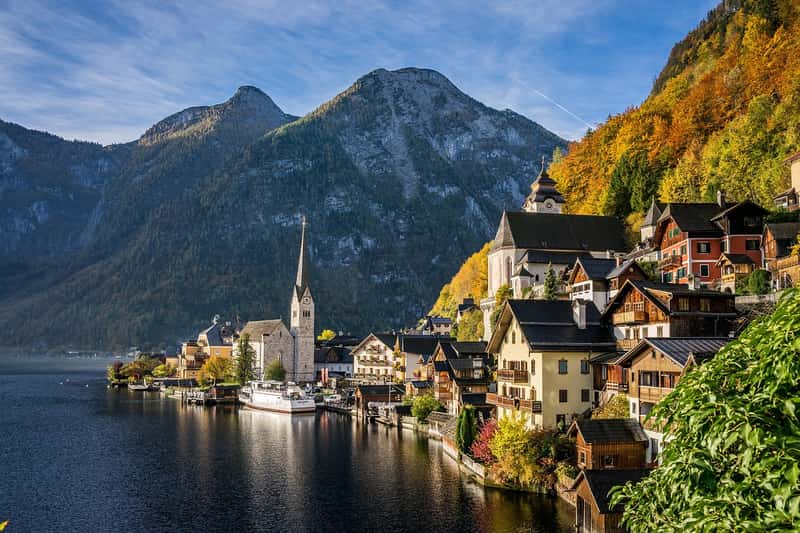
Every year, around one million visitors come to Hallstatt – with up to 10,000 people a day during the peak season. This Austrian lakeside village with its approximately 780 residents has become the poster child for overtourism’s devastating effects. Statistically, that means over 1,300 visitors per resident per year – a figure unmatched by almost any other place in Austria. The village’s fame exploded after Disney featured a similar town in one of their films, and remarkably, China built a full-size replica of the entire settlement.
Residents paint a grim picture of their transformed home. The approx. 700 people living in Hallstatt are more than annoyed by the tourists, especially about their behavior (littering, trespassing, etc.). Unfortunately a lot of visitors assume that the whole town is kind of a theme park, i.e. having the right to see everything, including other people’s gardens and homes. The economic pressure is equally devastating, with many apartments used as holiday rentals or second homes, often standing empty outside the main season.
Cinque Terre, Italy: Hiking Trails Turn Into Tourist Traffic Jams
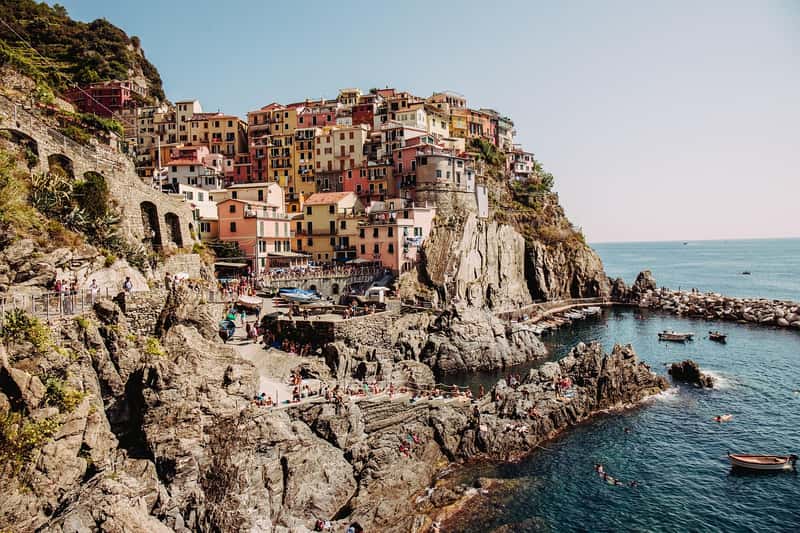
Italy’s iconic coastal villages are buckling under record numbers. However, this surge comes amid escalating concerns about overtourism, especially in popular destinations such as Venice, Lake Como and Cinque Terre. Communities are warning that the exponential flow of visitors is overwhelming infrastructure, inflating real estate prices, draining public services and diluting local culture.
The famous hiking trails connecting the five villages have become congested bottlenecks. In Cinque Terre, the ever-popular hiking trails have led to congestion issues, prompting local authorities to trial visitor quotas aimed at mitigating environmental impacts from the swelling tourist numbers. Short-stay rental regulations: Local councils in Florence, Como and Cinque Terre are introducing caps and licensing for platforms like Airbnb. The villages have reached a critical point where environmental degradation threatens the very landscapes that draw millions of visitors each year.
Zakynthos (Zante), Greece: The Most Overcrowded Destination in Europe
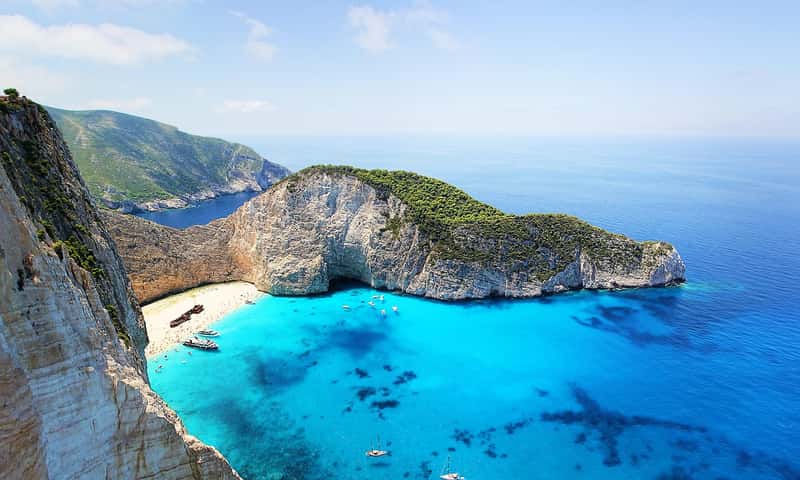
Meanwhile, across the Aegean, the Greek island of Zakynthos (Zante) has been named Europe’s most crowded summer destination, with a staggering 149.89 tourists for every resident, with the island’s population of around 40,000 during the peak season in 2024, according to a new report by UK-based Which? This creates an almost unimaginable ratio where tourists outnumber residents by nearly 150 to 1 during peak season.
The island’s infrastructure simply cannot cope with these numbers. Local services designed for 1,000 permanent residents must suddenly accommodate nearly 150,000 visitors during the summer months. Water supplies, waste management, and transportation systems face overwhelming pressure. On some of Greece’s most-visited islands, tourism has overlapped with water scarcity as drought grips the Mediterranean country of 10.4 million.
Paros, Greece: Locals Fight for Beach Access

On the Greek island of Paros, residents have reached their breaking point over beach privatization. Barcelona has experienced mass anti-tourism protests, Alfacinhas in Lisbon have been making noise against uncontrolled tourism, and locals tired of losing beachfront access in Paros, Greece, took their towels up in protest of private cabanas. The island’s tourism boom has transformed public beaches into exclusive tourist zones, leaving residents without access to their own coastline.
The situation reflects a broader pattern across Greek islands where tourism infrastructure prioritizes paying visitors over local communities. Traditional fishing communities find themselves displaced as waterfront properties are converted to luxury accommodations and exclusive beach clubs. The protests represent a desperate attempt by locals to reclaim their own environment from tourism developers who view beaches as revenue opportunities rather than community resources.
Formentor, Mallorca: Social Media Fame Destroys Paradise
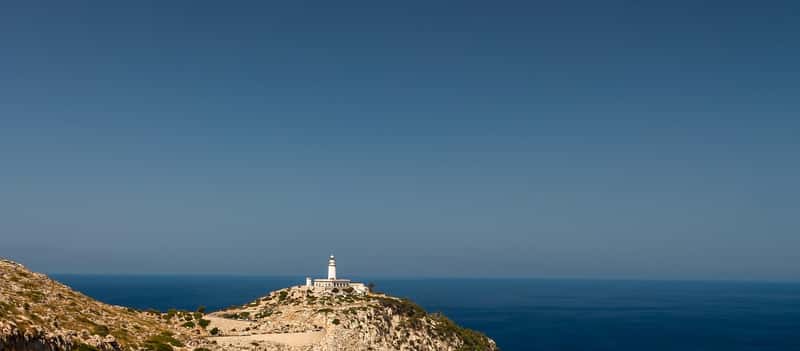
The stunning Cap de Formentor peninsula in Mallorca has become a victim of Instagram virality. In Spain’s Balearic Islands, local leaders are considering restrictions on access to viral, gram-worthy spots such as Formentor in Mallorca, following years of traffic congestion, environmental damage, and growing local frustration. Tourism Minister Jaume Alzamora told The Guardian that “mass saturation” had pushed the region to an inflection point. “We’re reaching a point where we’re no longer promoting a destination – we’re promoting a problem,” he said.
The narrow winding roads to the lighthouse and beaches face massive traffic jams as rental cars and tour buses compete for limited parking spaces. Environmental damage from trampling and littering has reached alarming levels. The Balearic government is now urgently developing a new tourism strategy that combines education and regulation, with likely measures including limits on access to natural and heritage areas, higher fines for disrespectful behaviour, and awareness campaigns to influence traveller behaviour. With 247 “transformation factors” under review, the aim is not to ban visitors, but to find a sustainable balance that supports economic, social, and environmental well-being.
Capri, Italy: When Thirteen Thousand Locals Meet Sixteen Thousand Daily Visitors
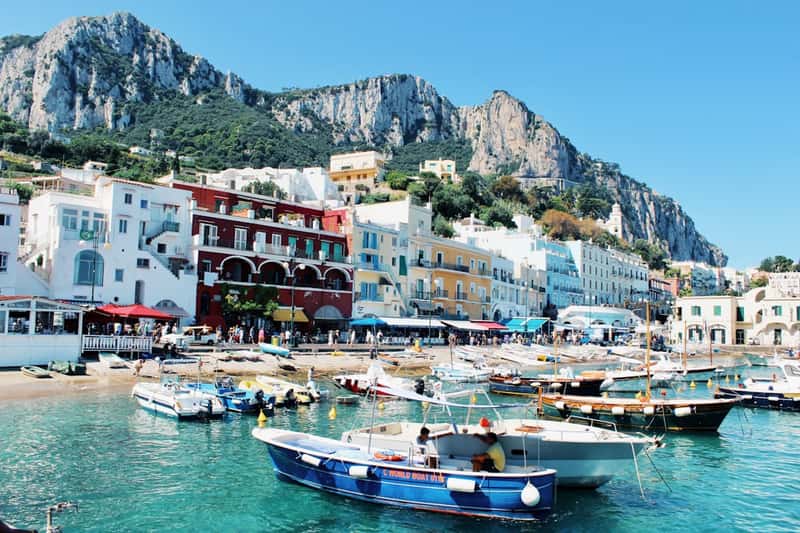
The beautiful island of Capri, famed for its white villas and cove-studded coastline, is home to approximately 14,000 permanent residents but in the summer months they are swamped by tourists with up to 15,000-20,000 visiting every day. This creates a stunning daily inversion where tourists actually outnumber residents during peak periods.
The island’s narrow streets and limited infrastructure buckle under the pressure of cruise ship arrivals and day-trippers from the mainland. Local businesses increasingly cater exclusively to tourists, pricing out residents from their own community amenities. The economic benefits of tourism come with the cost of making daily life extremely difficult for those who call Capri home year-round. Transport systems designed for a small island community struggle to handle the constant flow of visitors arriving by ferry and hydrofoil from Naples and Sorrento.
These six villages represent a critical inflection point in European tourism. It got so bad that BBC News crowned 2024 “the year tourism fell apart,” and the trend shows no signs of slowing. Each destination faces the same fundamental challenge: how to preserve its unique character while managing visitor numbers that have spiraled far beyond sustainable levels. What do you think about it? Tell us in the comments.