When seeking the perfect place to call home, happiness rankings offer fascinating insights into where people thrive most. The World Happiness Report, based on comprehensive Gallup polling data from 143 countries, analyses six key categories: GDP per capita, social support, healthy life expectancy, freedom to make life choices, generosity, and perceptions of corruption. As of 2024, Finland maintains its position as the world’s happiest country with a score of 7.741 out of 10, marking its seventh consecutive year at the top.
Finland: The Consistency Champion
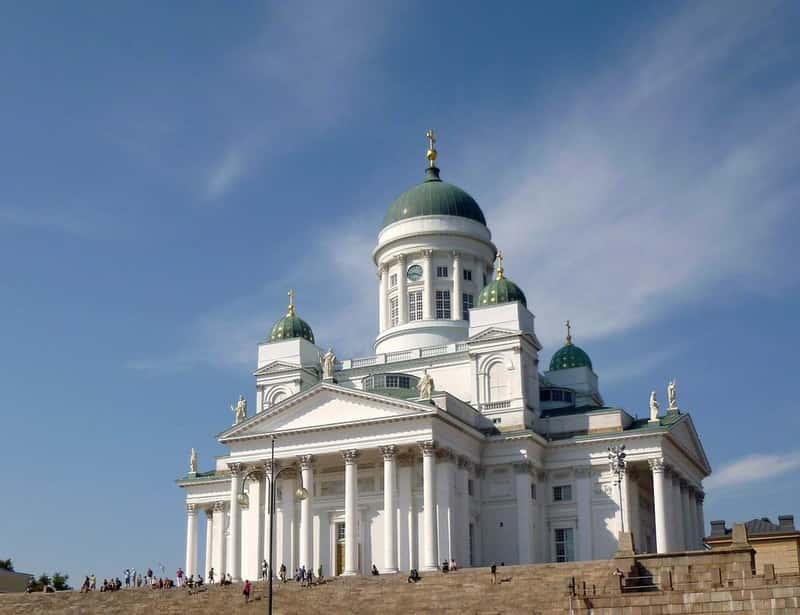
Finland has secured the top spot as the world’s happiest country according to the 2024 World Happiness Report. Finnish people demonstrate happiness through their strong sense of community and relatedness, their tendency to perform good deeds for others, and their ability to find clear purpose in life. Citizens enjoy remarkable communal support and mutual trust that helped them navigate the COVID-19 pandemic, with minimal suspicion of government corruption and strong feelings of freedom to make their own choices. The Finnish approach to life combines practical social policies with a cultural emphasis on collective wellbeing rather than individual achievement.
Denmark: The Social Welfare Pioneer
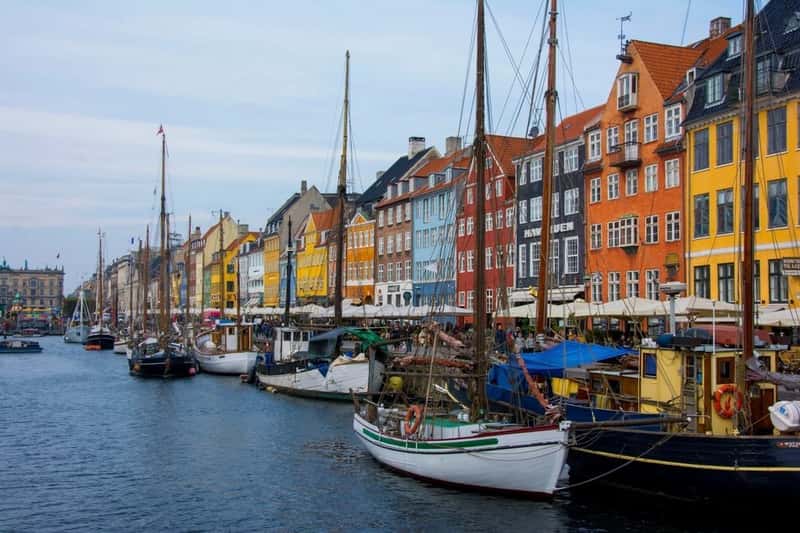
Denmark ranked as the number 2 happiest country globally with a score of 7.583. The country’s high ranking stems largely from its exceptional level of equality and strong sense of responsibility for social welfare, both closely linked to happiness according to the World Happiness Report. While Danes pay some of the world’s highest taxes (up to half their income), this is balanced by free healthcare, subsidised childcare, no university tuition, student grants, elderly pensions, and care helpers. According to the OECD Better Life Index, Denmark outperforms the averages in jobs, education, health, environmental quality, social connections, civic engagement and life satisfaction.
Iceland: The Social Support Leader
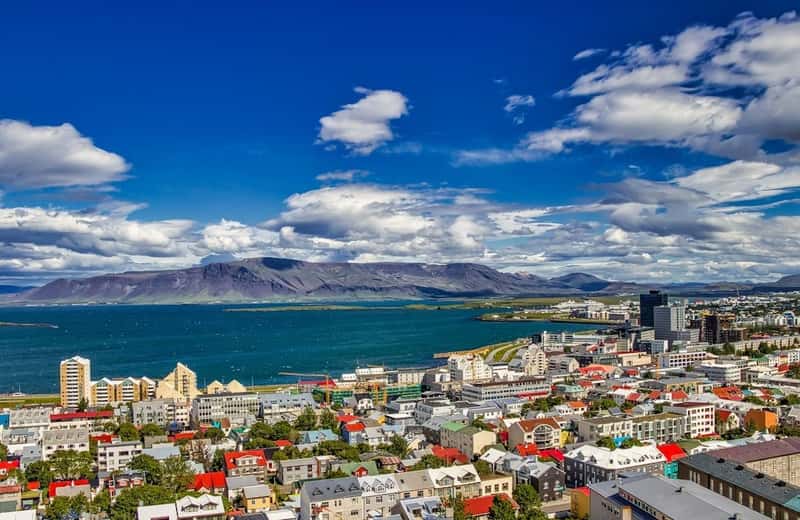
Iceland ranks as the third-happiest country worldwide with a score of 7.525, boasting the highest feeling of social support among the top seven happiest countries. The country also achieved the second-highest generosity score in the top seven, though it ranked only 11th worldwide in this category. Iceland proves particularly appealing for younger residents, ranking fourth for happiness among those under 30, compared to Finland’s seventh place and Denmark’s fifth. The island nation’s small population fosters tight community bonds and a culture where helping neighbours remains commonplace.
Netherlands: The Generosity Winner
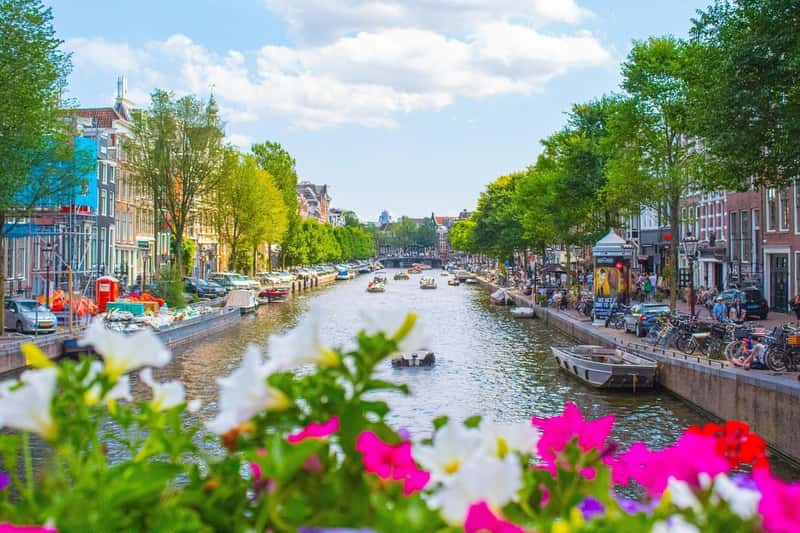
The Netherlands claims sixth place globally with a happiness score of 7.319, scoring higher in generosity than any other top-seven country while maintaining the highest GDP among this elite group. Dutch individuals aged 60 and above rank as the 7th happiest globally, while those under 30 come in at 9th place, with minimal happiness disparity between different age groups compared to other countries. The Netherlands secured its top 10 position due to individual autonomy, social support and healthy living conditions. The country’s progressive social policies and cultural tolerance create an environment where diverse lifestyles flourish.
Norway: The Work-Life Balance Master
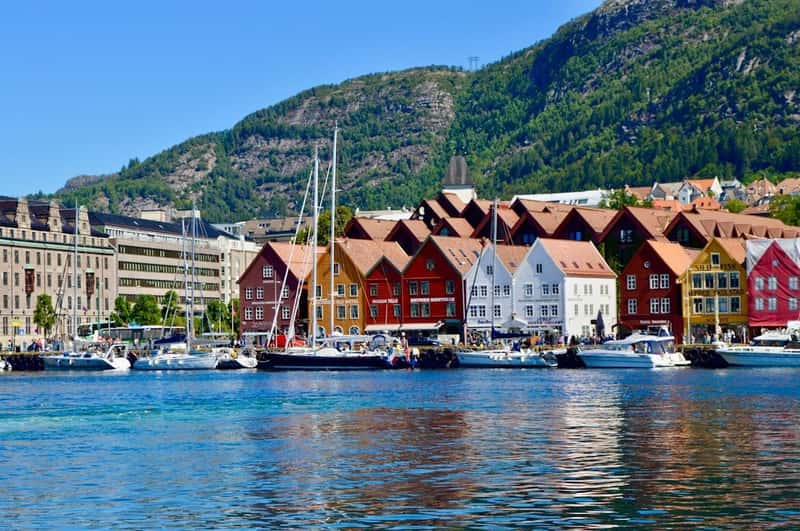
Citizens of seventh-place Norway (scoring 7.302) feel well cared for by their government through universal healthcare and free college tuition, while enjoying an enviable work-life balance of 27 hours per week compared to 36 hours in the United States, complemented by low crime rates and strong community bonds. Norwegians benefit from this reduced work schedule while maintaining high productivity, and the country shares the strong sense of community that characterises many top-ranking nations. Norway’s oil wealth, managed through its sovereign wealth fund, provides economic security that translates into citizen contentment.
Australia: The Large Population Exception

Australia rounds out the top 10 happiest countries and, alongside the Netherlands, represents one of only two countries in the top 10 with populations exceeding 15 million, while in the top 20 rankings, only Canada and the UK have populations over 30 million. Australia, along with New Zealand, saw lower happiness rankings among young people, though to a lesser extent than other English-speaking nations, contributing to broader patterns affecting youth wellbeing in developed countries. Despite these generational challenges, Australia’s outdoor lifestyle, multicultural society, and strong institutions maintain its position among the world’s happiest places.
Afghanistan: The Unhappiest Nation

Afghanistan holds the unfortunate distinction as the least happy country in the world for 2024, ranking 143rd with a score of just 1.721, attributed partly to low life expectancy, low GDP per capita, and most importantly, the recent Taliban takeover. Afghanistan remains the world’s lowest-ranked country for happiness, representing the most extreme case of national unhappiness measured by the report. The country’s situation illustrates how political instability, conflict, and economic collapse can devastate the population’s well-being. Years of war have destroyed infrastructure, displaced millions, and created deep uncertainty about the future.
Lebanon: Economic Crisis Impact

Lebanon ranks second-to-last globally with a happiness score of 2.707, rounding out the bottom five unhappiest countries alongside Lesotho, Sierra Leone, and DR Congo. Lebanon faces substantial drops in happiness rankings due to severe economic challenges and social instability. The country’s banking system collapse, currency devaluation, and political paralysis have created widespread poverty and desperation. Basic services like electricity and water remain unreliable, while many educated Lebanese have emigrated, creating a devastating brain drain.
Sierra Leone: Development Challenges
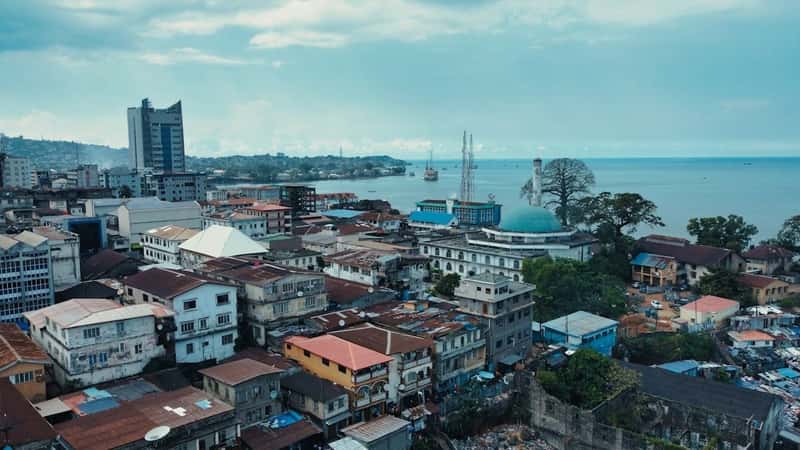
Sierra Leone appears among the five unhappiest countries globally with a score of 3.245, grouped with Afghanistan, Lebanon, Lesotho, and DR Congo at the bottom of the happiness rankings. The West African nation struggles with poverty, limited healthcare access, and educational challenges that prevent its population from achieving basic life satisfaction. Despite natural resource wealth, corruption and poor governance have prevented these assets from improving citizens’ daily lives. Young people face particular challenges with limited opportunities for advancement and economic mobility.
This global happiness landscape reveals that prosperity alone doesn’t guarantee contentment. The happiest nations share common traits: strong social safety nets, low corruption, meaningful work-life balance, and cultures that prioritise collective wellbeing. Meanwhile, the unhappiest countries demonstrate how conflict, economic instability, and poor governance can devastate human flourishing regardless of natural resources or geographic advantages.