Packing for a flight usually means thinking about liquids limits and carry-on size, not what’s actually touching your skin once you sit down. Yet cabin crew who spend hundreds of hours a year in the air have quietly built up a list of clothing choices they wish more passengers would skip. Some of it comes down to hygiene, some to safety during an emergency, and some to simple practicality in a cramped metal tube moving at altitude.
1. Shorts, skirts, and dresses that expose bare legs
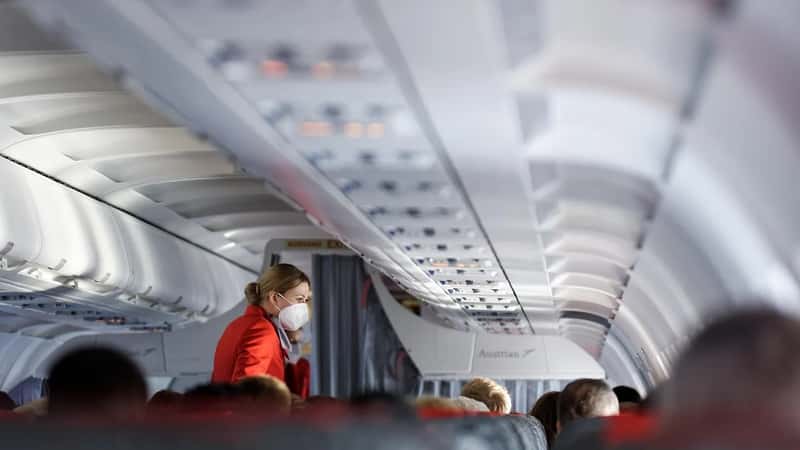
This is the one flight attendants talk about most, and for good reason. Charity Nelms, a former Survivor 48 contestant who has worked as a flight attendant for 11 years, has warned against flying in shorts, skirts and dresses.[1] Her message is blunt: “Wear pants. Shorts, skirts, dresses, absolutely not.”[1]
The reasoning isn’t about modesty, it’s about what’s already been on that seat before you sat down. Nelms based her recommendation on things she has witnessed during her career inside airline cabins, noting that passengers do not know what has previously occurred on a seat.[2] Another crew member backed this up with a specific example, describing “Guess how many diapers got changed on the seats yesterday during my one flight? Four,” she said in an April TikTok clip. “Guess how many of those were poopy? All four.”[3] Full-length pants add a layer of fabric between your skin and whatever’s underneath.
2. Flip-flops, sandals, and high heels
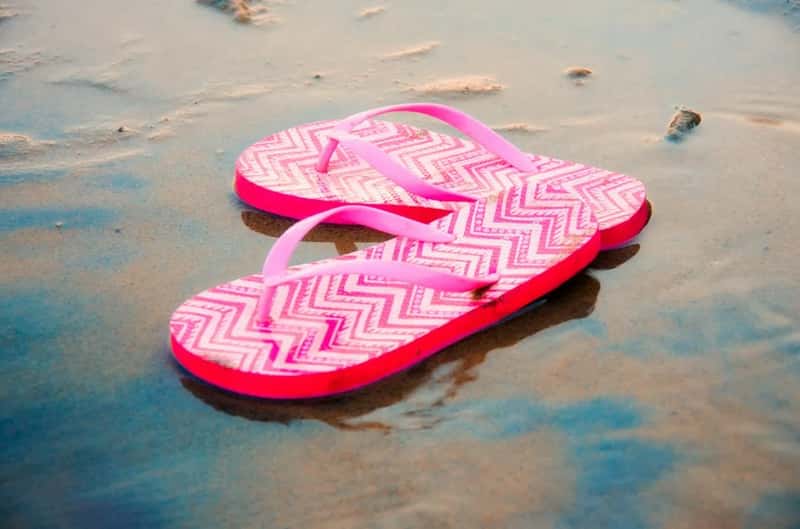
Footwear choices matter more on a plane than almost anywhere else, mainly because of what happens in an emergency. According to a former flight attendant interviewed by Who What Wear, “High heels and backless sandals make it difficult to quickly evacuate the aircraft, and heels can possibly cause further damage to emergency exits or hurt others if they go flying off somehow.”[4] That’s a fairly specific warning, and it points to a real structural concern with evacuation slides.
The slides themselves are actually vulnerable to sharp heels. As the same source explained, “I would really advise against high heels or flip-flops or any slides, mostly for safety purposes. If there is an evacuation and slides are required, your high heels will have to come off, as they can puncture the slide.”[4] Open sandals and flip-flops carry a similar problem since they offer no real grip or protection during a fast exit. Closed-toe shoes remain the safer, more practical choice for both comfort and emergency readiness.
3. Skinny jeans and overly tight leggings
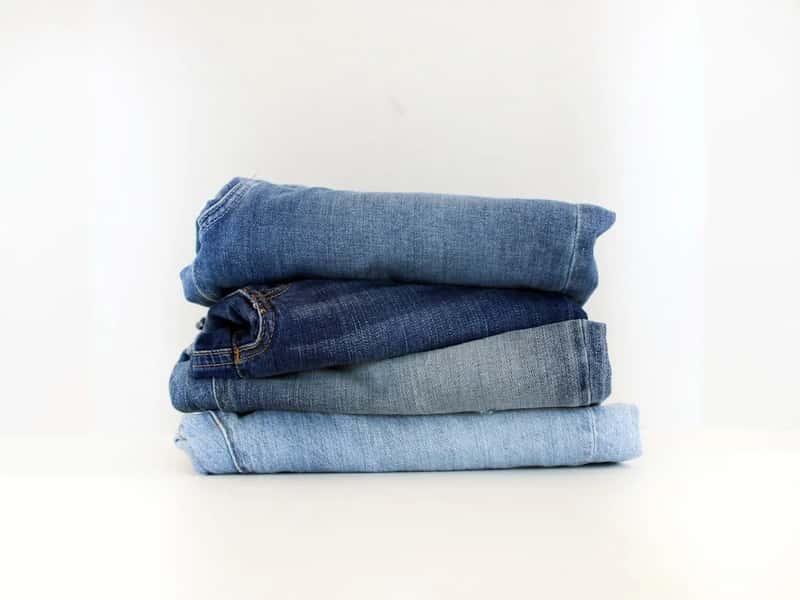
Restrictive clothing sounds like a minor annoyance, but it ties into a genuine medical concern on longer flights. Skinny jeans, very tight pants, or extremely tight leggings are far from ideal at altitude, as they compress the waist and legs, promote swelling, and can increase the risk of poor blood circulation, or even deep vein thrombosis on long flights.[5] Deep vein thrombosis, often shortened to DVT, happens when blood clots form in the legs due to prolonged immobility and reduced circulation.
Flight attendants generally steer people toward looser options instead. Flight attendants therefore recommend loose, comfortable clothing, such as jogging pants or flowing trousers, to remain comfortable while seated for several hours and minimize cramps and discomfort.[5] One flight attendant put the underlying advice simply, noting “I would advise against anything really constricting. You want to get the most comfortable you can be to avoid cramping, swelling, and anything that can affect you later.”[4] Moving around periodically during a flight, paired with looser clothing, does more for circulation than most passengers realize.
4. Dark or black socks, especially on overnight flights
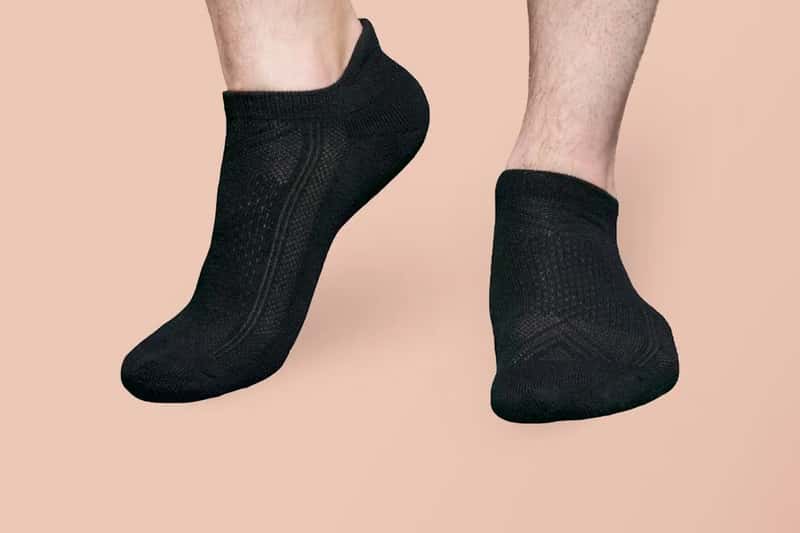
This one surprises a lot of travelers because it has nothing to do with hygiene or comfort. It’s purely about visibility in a dim cabin. According to flight attendants, passengers who remove their shoes during a flight should avoid wearing black socks, particularly on night flights, as dark colours usually merge with the environment.[6]
Former British Airways cabin crew member Kris Major explained the practical risk this creates for staff working the aisle. “On a night flight, cabin lighting is low, and dark socks blend into the shadows. The trouble starts when passengers stretch out and let their feet drift into the aisle. In those conditions, crew may not spot your feet until the last second.”[7] That split-second delay matters when someone is carrying a hot drink or pushing a service cart down a narrow aisle. Lighter colored socks simply stand out better against a dark cabin floor, reducing the odds of a trip or spill.
5. Synthetic fabrics like polyester, nylon, and acrylic
Comfort aside, fabric choice has a safety dimension that rarely comes up in casual packing advice. Flight attendants and safety experts remind passengers that certain fabrics are dangerous in the event of a fire or emergency evacuation, since leggings made of polyester, nylon, or acrylic, as well as fringed clothing or garments made of highly flammable materials, can melt onto the skin when exposed to intense heat and cause severe burns.[5] That’s a distinctly different problem from stains or discomfort, it’s about how a fabric behaves under extreme heat.
The alternative crew members point to is fairly straightforward. They recommend natural fibers such as cotton, wool, or linen, which offer better thermal protection and minimize damage in the event of an incident.[5] It’s an unlikely scenario on any single flight, but the fabric argument is one of the more evidence-based safety tips on this list, echoed across aviation safety literature for decades.
6. Rompers and other one-piece outfits
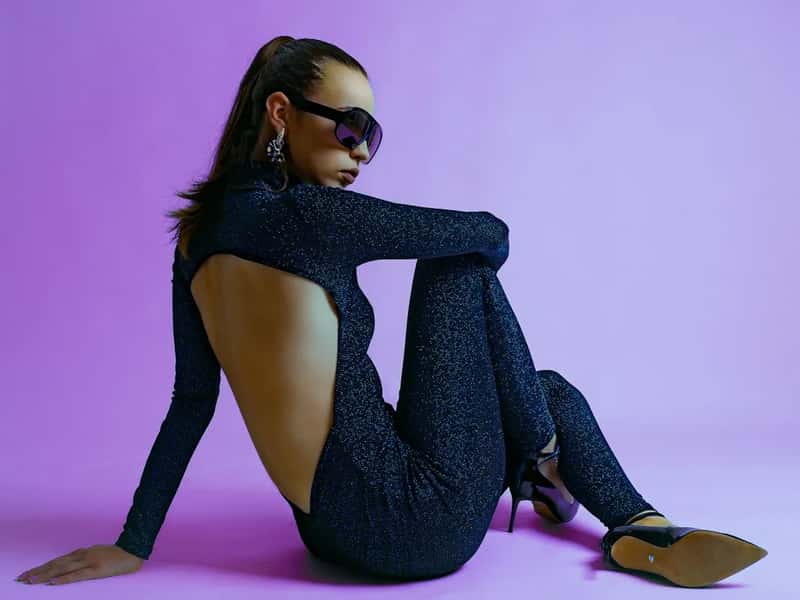
This item doesn’t get as much attention as shorts or heels, but flight attendants who’ve dealt with it in person are fairly vocal about it. The issue surfaces specifically in the lavatory, where space and cleanliness are already at a premium. Airplane lavatories are cramped and turbulent, and the floors aren’t always dry or clean, and wearing a one-piece outfit like a romper means you’ll have to remove the entire garment just to use the bathroom, which puts your clothes at risk of touching the floor.[8]
One flight attendant described exactly why that’s a problem worth avoiding. She bluntly puts it that’s “exactly where you don’t want your clothes landing” because those floors “are soaked with pee and it doesn’t get mopped often.”[8] Separates like a top and pants let you use the lavatory without undressing completely, which keeps more of your outfit away from a floor that sees heavy, constant use during a flight.
Taken together, these six recommendations aren’t really about fashion policing. They come from cabin crew who’ve watched thousands of passengers move through tight spaces, deal with spills, and occasionally face real emergencies. Closed-toe shoes, breathable natural fabrics, looser pants, and lighter colored socks cover most of the bases without asking anyone to sacrifice comfort for a flight of any length.