The idea of calling in sick for your mind rather than your body used to sound like a stretch. These days, in a handful of countries, it is simply how the law reads. Workplace psychology has moved from a nice-to-have conversation into something written into statutes, sick pay schemes, and human rights codes.
What counts as “protected” varies a lot from one country to the next. Sometimes it means a dedicated mental health clause, sometimes it means mental health quietly folded into ordinary sick leave with the same legal weight as a broken arm. Either way, the following six countries have built real, enforceable ground for workers who need a day, a week, or longer to look after their mental health.
United Kingdom
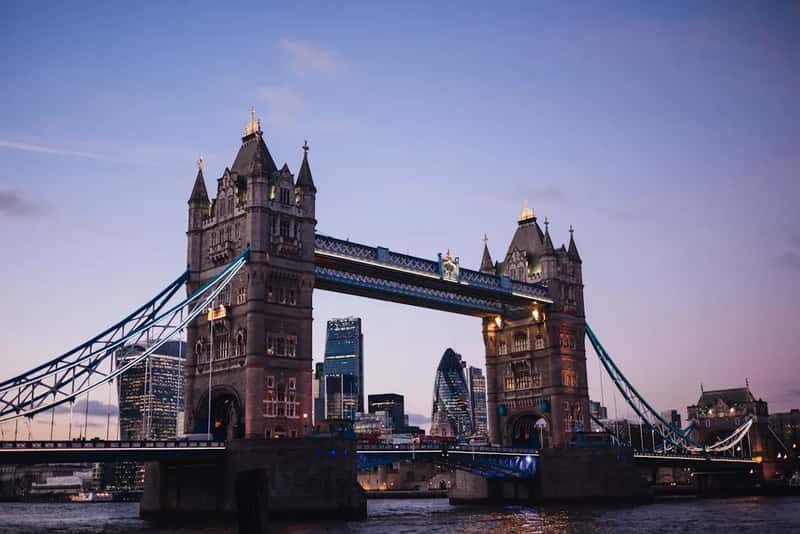
In the UK, there is no separate legal category labeled “mental health day,” but that does not mean workers are left exposed. There is no legal difference in the UK between taking a sick day for mental health reasons or physical health reasons. Employees can also use sick leave for mental health under the same guidelines as physical illness, and can self-certify for up to 7 days.
Beyond sick leave itself, discrimination protections add another layer. The Equality Act 2010 protects employees from discrimination based on mental health conditions and requires employers to make reasonable adjustments for those affected. For longer absences, Statutory Sick Pay policy provides eligible employees up to 28 weeks of SSP if they cannot work due to a mental health condition. Employers are also expected to actively manage psychological risk rather than just react to it, since employers must also carry out a risk assessment for stress at work and take actions based on any findings.
Australia

Australia’s protections sit inside its national employment framework rather than a standalone mental health law. The Fair Work Act 2009 entitles employees to take personal leave for illnesses, which includes mental health conditions. That personal leave comes with a specific, guaranteed amount attached to it each year, since the Fair Work Act 2009 provides for personal/carer’s leave that can be taken for mental health reasons, and employees are entitled to 10 days of paid personal leave per year.
There is a notable gap worth flagging, though. Since casual workers in Australia do not receive sick leave, this means they are not able through the Fair Work Act 2009 to have a mental health day, however negotiation with employers is possible. Employees who do access this leave also are not required to explain themselves in detail, because people with mental disorders do not need to disclose the conditions for this purpose unless they pose a harm to themselves or other people, however disclosing the issues may enable employers to better accommodate needs.
Netherlands

Dutch labor law is often cited as one of the more generous systems in Europe when it comes to time off for illness of any kind. In the Netherlands, sick leave covers any condition preventing you from working, and employment law in the EU and UK treats mental health the same as physical illness. The scale of that entitlement is striking compared to most other countries, since the amount of sick leave offered in the Netherlands means that workers who are unwell can take anywhere up to two years off sick from work.
What makes this system particularly reassuring for workers is the pay guarantee attached to it. During any kind of sick leave Dutch employers must pay workers 70% of their salary. That figure holds regardless of whether the absence stems from a physical injury or a mental health crisis, and in the Netherlands, employers must pay at least 70% of your salary during sick leave, meaning a mental health day from work does not usually mean losing income.
New Zealand

New Zealand does not have a law that names “mental health day” outright, yet the coverage is built directly into its core sick leave statute. Employees can use sick leave for personal illness or injury, to care for a dependant, for medical appointments related to illness when they cannot reasonably be scheduled outside work hours, and for mental health conditions that prevent them from working. This entitlement is not symbolic; it comes with real numbers attached, since in New Zealand, most employees are entitled to 10 days’ paid sick leave per year, once they meet the eligibility requirements, an entitlement that comes from the Holidays Act 2003, which sets minimum employee leave entitlements.
Privacy protections around these absences are also fairly strong. A medical certificate does not require an employee to divulge specifics about their mental health, and under current practices, New Zealand doctors adhere to confidentiality standards and are not obligated to include detailed personal information in a medical certificate. On top of sick leave, broader workplace safety law reinforces the point, since under the Health and Safety at Work Act 2015, your employer has a legal duty to manage risks to your mental wellbeing, not just your physical safety.
Canada
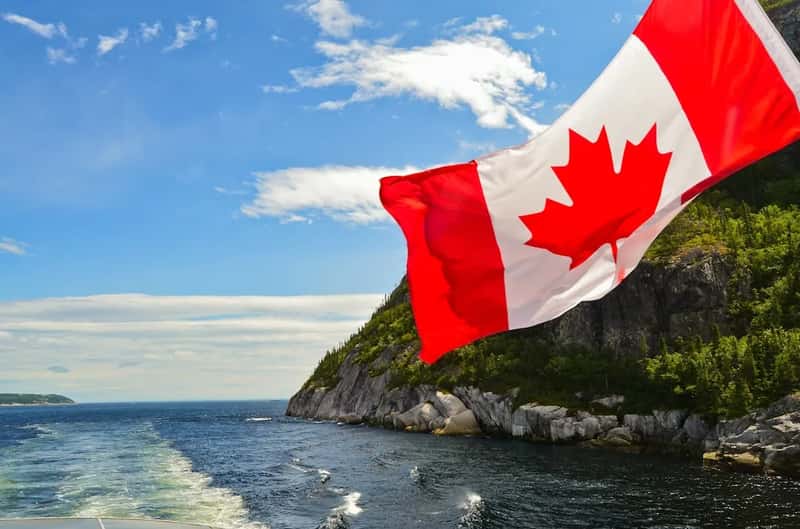
Canada’s protections are split across provincial employment standards and human rights law, which together create a fairly sturdy safety net. Each province has its own employment standards that may include provisions for sick leave, which can cover mental health, while human rights legislation protects employees from discrimination based on mental health conditions and requires employers to accommodate these conditions, which can include time off work. In Ontario specifically, under the Employment Standards Act, 2000, employees are entitled to job-protected sick leave.
That protection carries real teeth against retaliation. Retaliating against an employee for taking or requesting protected leave is prohibited under the Employment Standards Act, 2000 and the Ontario Human Rights Code. Some provinces have gone further still on long-term absences, since British Columbia and Alberta are the latest provinces to move to a 27 week, job protected illness and sick leave, with Bill 30 receiving Royal Assent on November 27, 2025.
Philippines

The Philippines took a distinct legislative route by naming mental health directly rather than folding it entirely into general sick leave. The Philippine Mental Health Act, or Republic Act No. 11036 of 2018, requires employers to have workplace mental health policies and programs, support at-risk employees, address stigma and discrimination, and facilitate access to treatment and psychosocial support. This shifts responsibility onto employers rather than leaving mental wellbeing purely a private matter for staff to manage alone.
Practical leave-taking still mostly runs through existing channels, though. For private-sector employees, there is usually no separate statutory leave officially called mental health leave, and in practice mental health related absence is commonly filed as sick leave, service incentive leave, vacation leave, unpaid leave, or SSS sickness benefit. A notable expansion is arriving for public servants, since for government employees, a separate wellness leave benefit is now available under Civil Service Commission rules beginning 2026.
Across these six countries, the common thread is not a single template but a shared conclusion: mental health absences deserve the same legal footing as a fever or a fracture. Some governments wrote that principle into dedicated legislation, while others simply widened the definition of illness until it naturally included the mind. Either approach gives workers something concrete to point to, rather than having to hope for an understanding manager on a hard week.