There’s a particular kind of dread that comes with realizing your wallet is gone in a city you don’t know well. It’s worse when you’re past fifty, because the accounts, cards, and paperwork we’ve accumulated over decades tend to pile up in ways a twenty-five-year-old’s wallet never has to deal with. A little editing before the next trip can save a lot of grief later, and it starts with looking honestly at what’s actually riding around in that travel wallet.
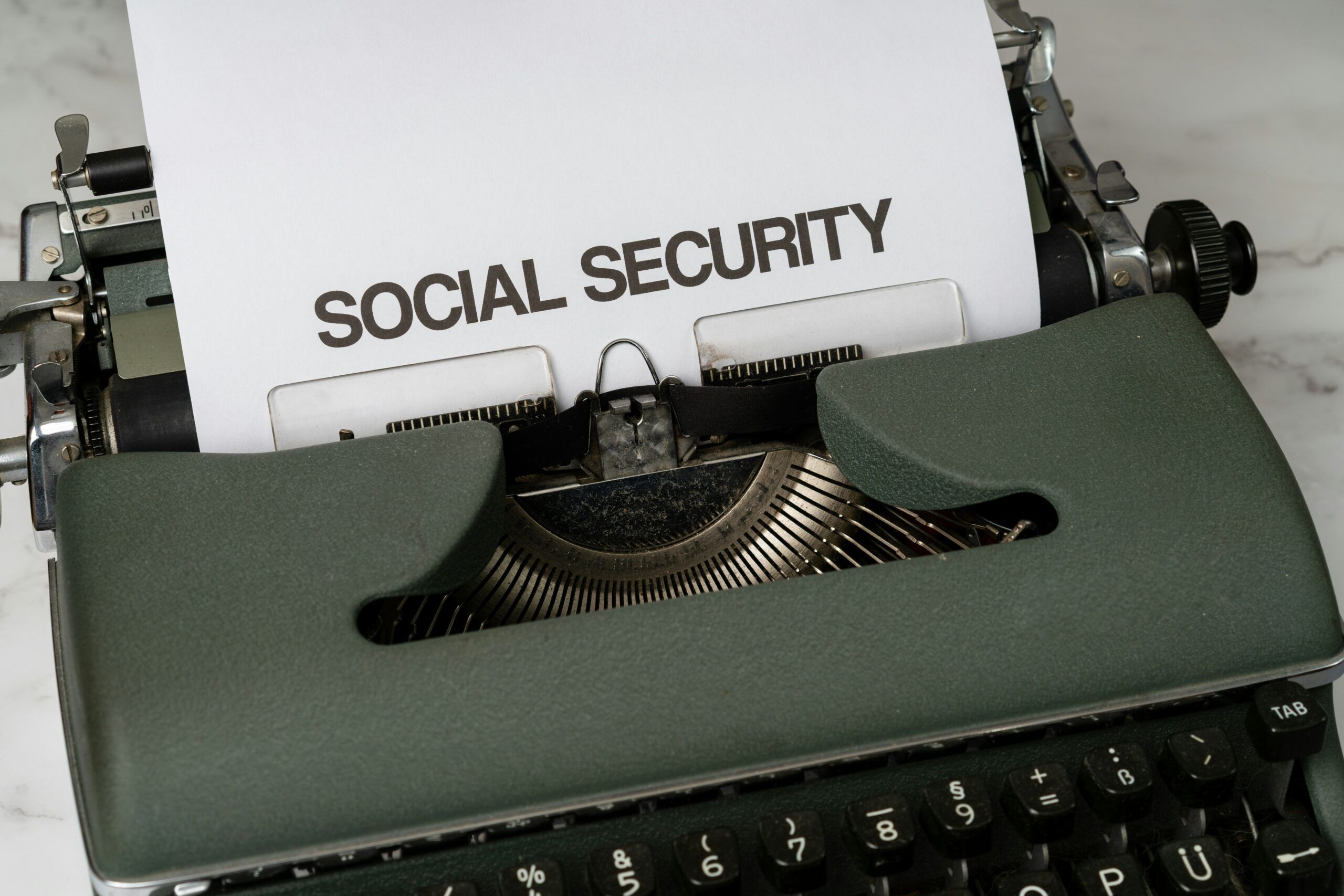
1. Your Social Security card

This one shows up on nearly every fraud prevention list for a reason. Your nine-digit Social Security number is all a savvy ID thief needs to open new credit card accounts or loans in your name, and ID-theft experts say your Social Security card is the absolute worst item to carry around in your purse or wallet.[1] The Social Security Administration itself takes a firm stance here too.
The Social Security Administration advises not carrying your Social Security card with you at all, whether traveling or not.[2] If a situation genuinely requires it, such as certain government or employment paperwork, it’s better to leave the original card in a secure location and carry a notarized copy or a letter from the Social Security Administration instead.[3] For everyday travel, memorizing the number and leaving the card locked up at home is the safer habit.
2. An outdated Medicare card that still shows your Social Security number
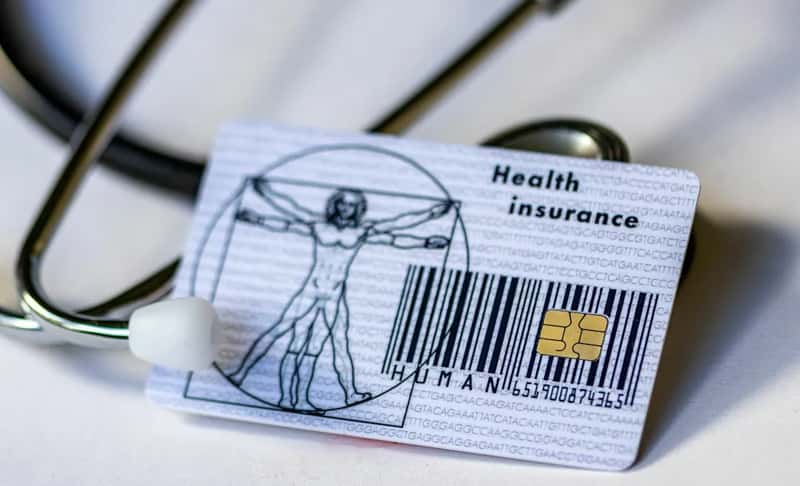
Plenty of longtime travelers over fifty still have an old Medicare card tucked in a card slot out of habit. That’s a problem if it predates the redesign, because many retirees still have old Medicare cards with their Social Security numbers printed on them in their wallets.[4] Medicare has stopped issuing cards with Social Security numbers on them and replaced them with new wallet-size paper cards that carry a number unique to you instead.[4]
If you’re one of the people still carrying the old version, the fix is simple. Remove it from your wallet, replace it with the new card, and shred the old one that has your Social Security number on it.[4] Even the newer card doesn’t need to travel with you daily; only carry your Medicare card when you’re headed to an appointment that might require it.[5]
3. Every credit and debit card you own
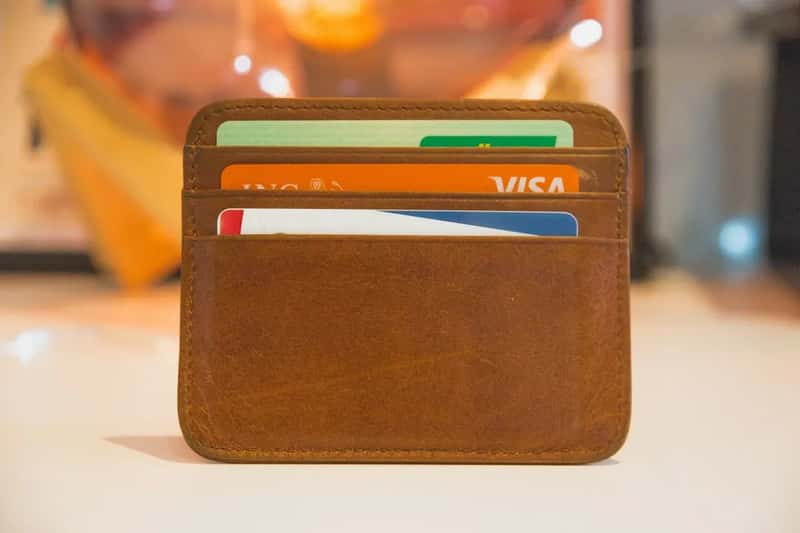
It’s tempting to bring the whole stack “just in case,” but that instinct works against you the moment a wallet disappears. Don’t carry every credit card you own, because if your wallet is lost or stolen, a thief will have a field day with your cards and you won’t have anything to fall back on while getting new ones; carry only one or two of your main cards, possibly with a backup.[2]
Seasoned travel advocates for the fifty-plus crowd put it even more plainly. Carry just one credit card plus your driver’s license, since even your debit card can stay at home, used only to take money out of your account before the trip and left behind otherwise.[6] A second card is worth packing separately, not for daily use but as a backup you can access if the first one is compromised while you’re far from home.
4. Blank checks
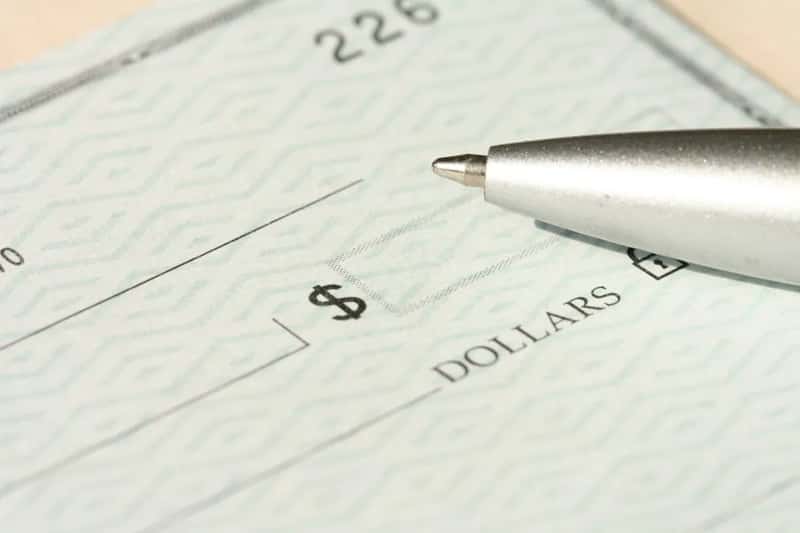
Checkbooks feel old-fashioned to some travelers now, but plenty of people over fifty still tuck a few blank checks into a travel wallet out of long habit. That habit carries real risk, since a blank check gives a thief your bank account number, routing number, and a live signature to copy, all in one slip of paper. Fraud prevention guidance from consumer advocacy groups is consistent on this point.
Don’t carry any blank checks in your wallet, and never carry your Social Security card in your wallet either.[6] If you genuinely need a check on a trip, for something like paying a rental deposit or a private tour guide, bring exactly one, folded separately from your cards rather than sitting in a stack where it’s the easiest thing to grab.
5. Written-down passwords or PINs
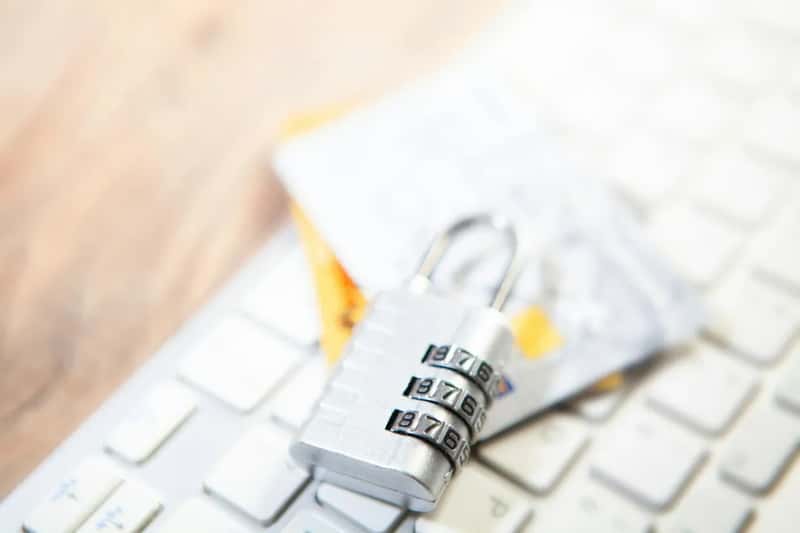
A small folded note with account passwords or a debit card PIN feels harmless until the wallet it’s tucked into is gone. Security researchers are blunt about the downside. If you write a list of passwords down, don’t keep the physical list in your wallet, because if it’s lost or stolen, you’ve given someone direct access to so many of your accounts, and it could result in the compromise of all of them.[7]
The better approach for anyone managing a dozen logins after decades of opening accounts is to move that information off paper entirely. Consider using a password manager instead of a written list.[7] It sounds like a small swap, but it closes one of the easiest openings a thief has if your travel wallet ends up in the wrong hands.
6. Your passport, when you don’t actually need it that day
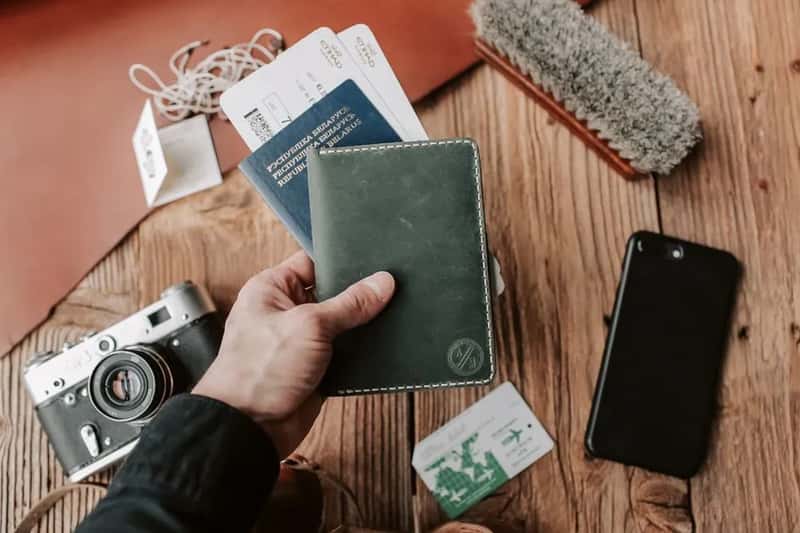
This is a more nuanced one, since a passport is obviously essential for international travel. The mistake is carrying the original everywhere on a trip rather than only when it’s required, like at check-in, border crossings, or currency exchange counters that ask for it. Your passport is essential to enter most foreign countries, but if you aren’t traveling abroad, you shouldn’t carry it with you.[8]
The stakes of losing it are higher than most other documents in your wallet. A thief may be able to use your passport to open bank accounts, get a copy of your Social Security card, travel using your name, and more.[8] On travel days when you don’t need it, a hotel safe or a zipped inner pocket of your main bag is a far better home for it than a slim travel wallet that spends the day in and out of pockets, cafes, and taxi seats.
Trimming a travel wallet down to what’s genuinely needed each day isn’t about being paranoid. It’s about making sure that if a wallet does go missing on a trip, the damage is a minor inconvenience rather than months of untangling fraudulent accounts and canceled cards. A quick audit before the next departure, checking for these six items in particular, takes a few minutes and tends to pay for itself the one time it actually matters.