The cities on this list aren’t dangerous hellscapes you should avoid. They’re stunning places worth every penny of your travel budget. Still, knowing where pickpockets operate most successfully can mean the difference between stories of gelato in Rome and tales of replacing your passport at an embassy. Recent law enforcement data and travel advisories paint a clear picture of where these crimes cluster most heavily, and the patterns might surprise you. Let’s dive into the six cities where you’ll need to keep one eye on the architecture and another on your belongings.
Bangkok, Thailand
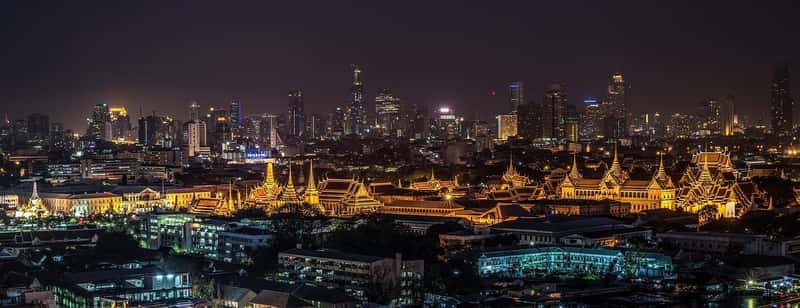
Bangkok has officially been ranked the world’s number one pickpocket and scam hotspot for 2025, with Bangkok recording 9.82 scam and pickpocket mentions per 1,000 reviews. That’s honestly shocking for what used to be considered a relatively low-crime destination. The Grand Palace, one of Bangkok’s most iconic landmarks, was marked as the worst site in the world for tourism crime, receiving more mentions of scams and theft in visitor reviews than any other destination. Temples like Wat Pho and massive shopping areas such as Chatuchak Weekend Market have also become notorious for organized theft rings.
What makes Bangkok’s situation particularly worrying is the speed of this change. Thailand’s tourism boom has created perfect hunting grounds for criminals. The sheer volume of visitors has attracted sophisticated pickpocket networks that blend seamlessly into the crowds of tourists snapping photos and haggling at markets. Thieves exploit the natural chaos around must-see landmarks where travelers are distracted and disoriented.
Rome, Italy

Greater Rome recorded 33,455 pickpocketing incidents in 2024, marking a 68% increase compared to 2019, while street robberies reached 2,014, a 51.3% rise. That’s nearly 100 pickpocketing cases every single day in Rome alone. There are 478 pickpocketing mentions for every million British visitors to Italy’s top tourist attractions, with the capital’s iconic Trevi Fountain coming out on top in that country-specific ranking.
The ancient Colosseum and the Pantheon were found to be particular hotspots for pickpockets, along with locations like Termini station and public transport. Honestly, it’s hard to say for sure, but the situation seems to be getting worse rather than better. Tourists tossing coins into the Trevi Fountain while surrounded by selfie-taking crowds create ideal conditions for thieves to slip wallets from pockets and bags without anyone noticing.
Paris, France

Paris recorded a total of 6.81 mentions per 1,000 reviews for pickpocketing and scams, with the city having the second-highest number of pickpocketing mentions in all of Europe at 251 per million visitors. France is the second most visited country by Brits and also has the second highest number of pickpocketing mentions at 251 per million visitors, with all 5 attractions monitored being in Paris, while the 2024 Olympics created additional opportunities for pickpockets looking to lose themselves in crowds. The situation is so bad that the U.S. Embassy in France published an elaborate travel advisory cautioning people about the many ways pickpockets operate in Paris.
All five of the top attractions monitored are in Paris, with the world-famous Eiffel Tower found to be the most risky for tourist theft, while other places in the French capital to be extra vigilant are the Arc de Triomphe, the Cathédrale Notre Dame de Paris, and the Musée d’Orsay and Louvre Museums. The Paris Metro is particularly dangerous, with pickpockets taking advantage of overcrowded trains and rapid sliding doors to steal from distracted commuters and tourists.
Barcelona, Spain

The Catalan capital is known for the beauty of its attractions, but unfortunately also for its high rate of pickpocketing, especially in the busiest areas such as La Rambla and the Sagrada Familia. Pickpocketing statistics for 2024 were reported to be 25% higher in Barcelona than in cities like Amsterdam or Paris. The Metro, beaches at Barceloneta, and the Gothic Quarter’s narrow, winding streets all present unique challenges for visitors trying to protect their belongings. Pickpockets often work in teams, using street performers and crowded markets as perfect cover.
Prague, Czech Republic

Prague ranked third on the list, with 6.51 combined mentions for scams and pickpockets per 1,000 reviews. What’s interesting is that Prague’s overall crime rate remains relatively low compared to other European capitals, yet pickpocketing at tourist sites continues to be a persistent problem. The research highlights that Old Town Hall and the Astronomical Clock remain the most targeted areas, where large crowds allow thieves to operate unnoticed, while Charles Bridge has become increasingly problematic for tourists.
Prague Castle and Wenceslas Square also see frequent pickpocketing incidents, according to recent data. Thieves take advantage of the city’s stunning architecture and historical charm, knowing tourists will be gazing upward at Gothic spires rather than watching their bags. The crowded trams, particularly lines 22 and 23 heading to Prague Castle, have become hunting grounds where pickpockets operate during rush hours.
Amsterdam, Netherlands
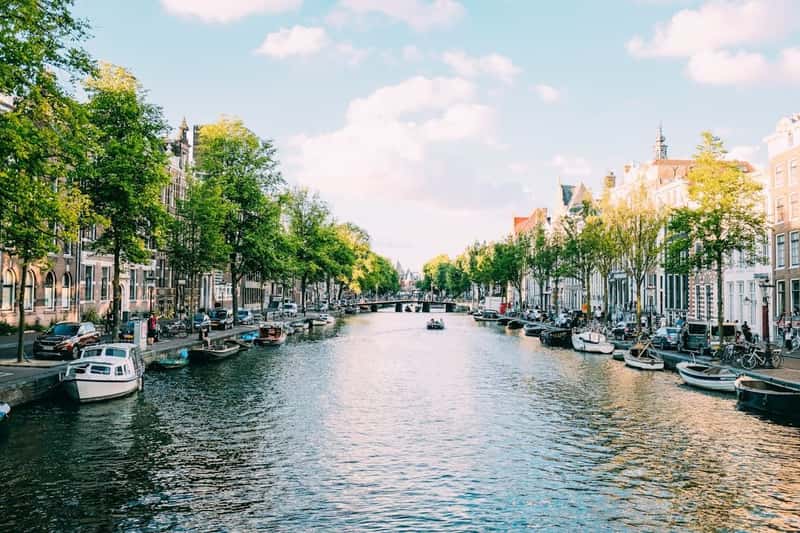
Amsterdam comes next, with 100 thefts per million visitors, where it was areas with the heaviest tourist footfall that saw the highest concentration of incidents, while Amsterdam’s notorious red light district, the Anne Frank Museum, and Rijksmuseum were all picked out as particularly dangerous spots. Amsterdam’s Red Light District is notorious for its nightlife and pickpocketing, with 100 mentions per million visitors, where the area’s busy streets and bustling crowds can be distracting, making tourists easy targets for theft.
The city’s unique geography of canals and narrow streets creates perfect conditions for opportunistic crime. You have to pay attention to the areas near the Rijksmuseum and Van Gogh Museum, including the crowded subway stations around these museums. Tourists distracted by the area’s attractions, bike dodging, and canal hopping become vulnerable to coordinated theft teams who’ve perfected the art of distraction. The combination of legal cannabis cafes and the red light district’s after-dark chaos only makes travelers easier marks for skilled thieves working the crowds.
What’s striking across all these cities is how organized and sophisticated pickpocket operations have become in 2025. These aren’t random opportunistic crimes anymore. Professional theft rings study tourist patterns, exploit crowded conditions, and disappear into masses of people before victims even realize something’s missing. Staying alert and securing your belongings isn’t paranoia; it’s just smart travel.