Travel is supposed to feel like freedom, but every so often the opposite happens. A door closes, a schedule locks in, or a space simply gets too small, and suddenly the trip that promised adventure feels more like a test of patience. These moments rarely show up in travel brochures, yet almost everyone who travels enough eventually runs into one of them.
What makes these experiences unsettling isn’t danger exactly, it’s the sudden loss of control. Below are six common travel situations where that trapped feeling tends to creep in, and why they hit harder than people expect.
1. Long-haul flights in a middle seat
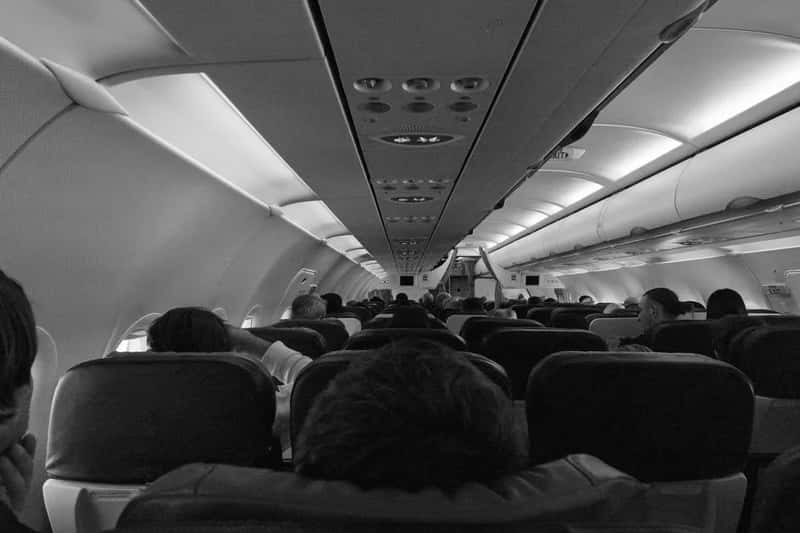
A long-haul flight already asks a lot of the body, but a middle seat adds a psychological layer that window or aisle seats don’t have. There’s no wall to lean against and no easy way to get up without disturbing two other people, so even a short walk to the bathroom becomes a small negotiation. Economy seat pitch on many international carriers sits around 30 to 31 inches, which leaves very little room to shift position over a ten or twelve hour flight.
The lack of an easy exit is what tends to trigger the trapped feeling more than the seat width itself. Turbulence, meal service, or a sleeping neighbor can all extend that feeling of being stuck for far longer than the actual flight time. It’s a small enclosure problem, but it repeats itself for hours with no real way to opt out until landing.
2. Multi-day cruises far from port
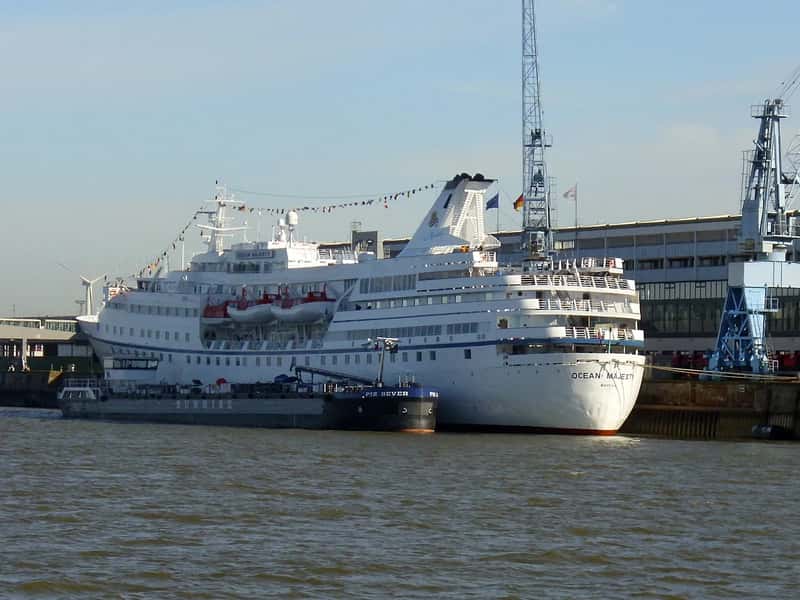
Cruises are marketed as floating freedom, yet the open ocean days between ports can flip that feeling entirely. Once a ship is a full day or more from the nearest coastline, there’s no quick way off, no alternate transport, and no way to shorten the itinerary on a whim. For some travelers, especially first timers, that realization sinks in only after the ship has already left the last port behind.
Weather can make this worse. Large cruise ships are generally built to handle rough seas, but even mild swells can cancel outdoor decks or shift the mood onboard from relaxed to restless. The ship itself hasn’t changed, but the psychological sense of having no exit route can turn a pleasant sea day into a long one.
3. Guided tours with a fixed group pace
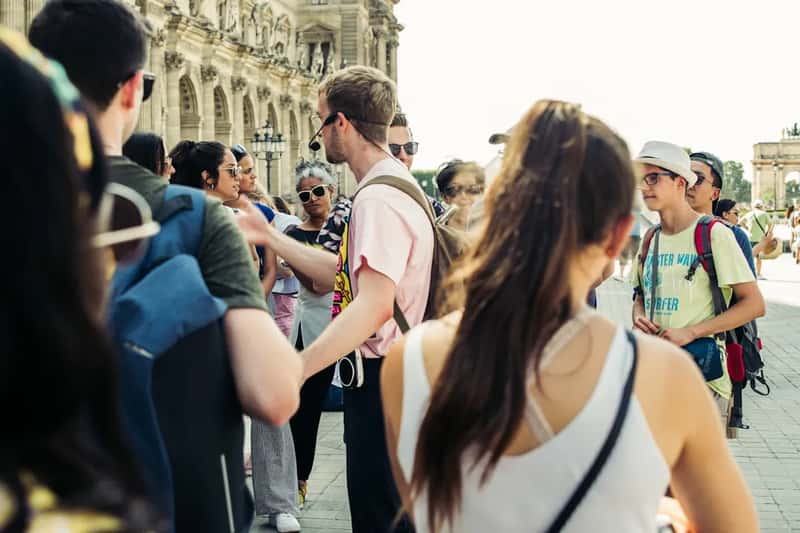
Group tours solve a lot of logistics, but they also remove a traveler’s ability to linger, skip, or backtrack. If someone wants ten extra minutes at a museum or wants to skip a stop entirely, the group schedule usually doesn’t allow it. This works fine for travelers who prefer structure, but for those who like flexibility, the fixed pace can start to feel like a soft form of confinement.
The feeling tends to intensify on longer multi-day tours, where the itinerary is locked in advance and changing hotels or transport becomes complicated. Even a single mismatched pace, one person wanting to rush while another wants to slow down, can create tension within the group. The structure that made planning easy becomes the same structure that limits spontaneity later.
4. Overnight trains and sleeper cabins
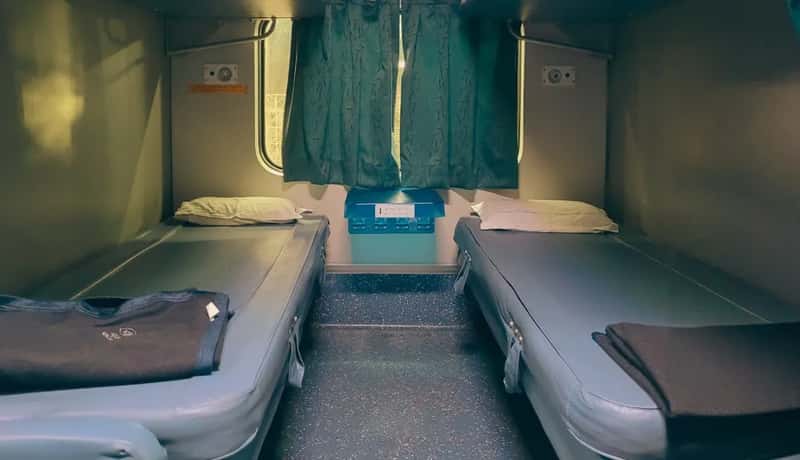
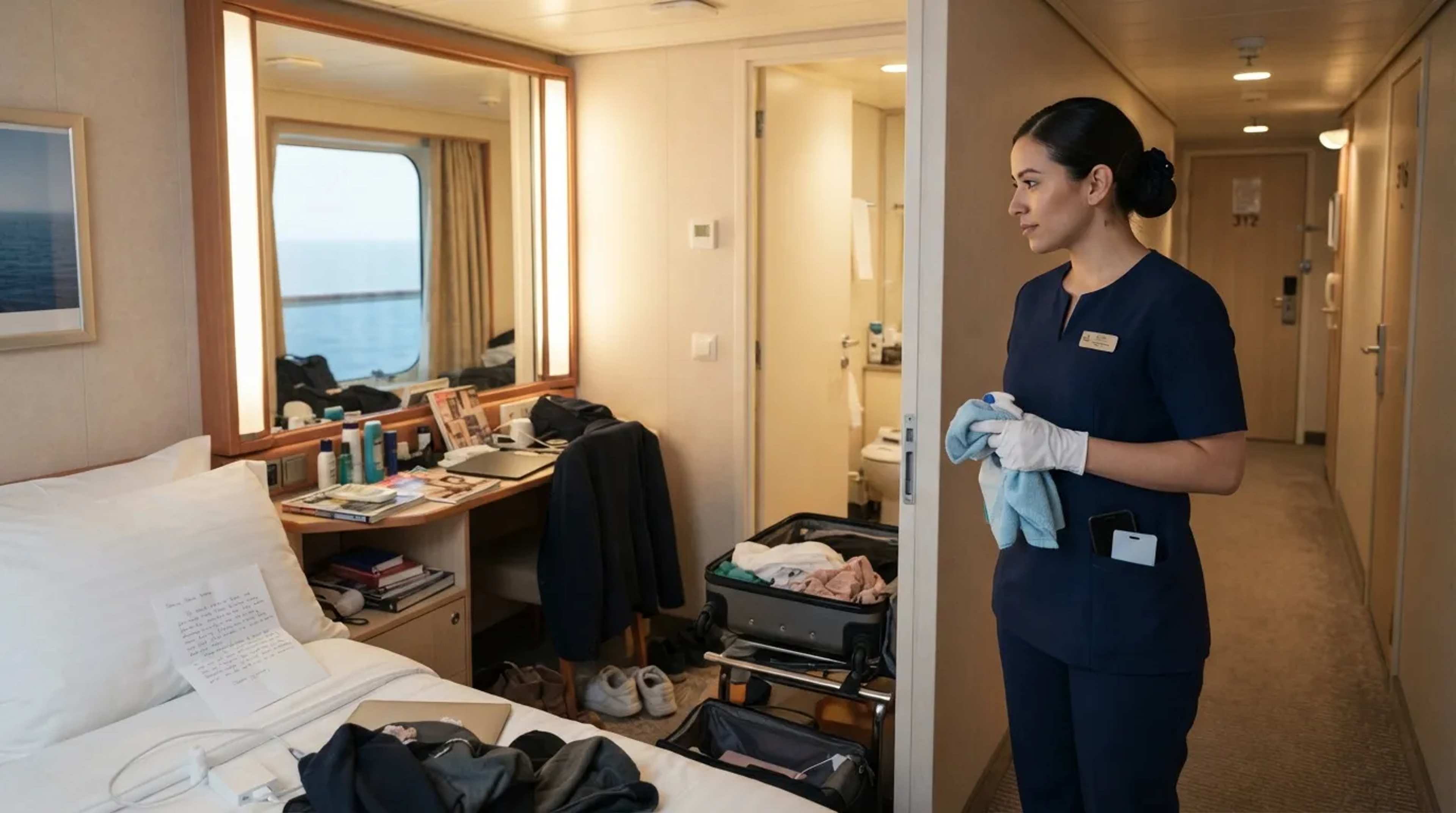
Sleeper trains have a certain romantic reputation, but the reality inside a shared or narrow cabin can feel very different once the doors close for the night. Standard sleeper compartments on many long-distance routes are compact by design, often just enough space for a berth and a narrow walkway, and once the train departs there’s no getting off until the next scheduled stop. That fixed timeline, combined with a small physical space, is a common trigger for the trapped sensation.
Noise and temperature control add another layer. Unlike a hotel room, a moving train cabin can’t easily be adjusted, and stops in the middle of the night rarely offer any real chance to step outside for long. For travelers not used to enclosed transit, the mix of motion, confined space, and fixed arrival time can feel more restrictive than expected.
5. Remote island stays with limited transport options
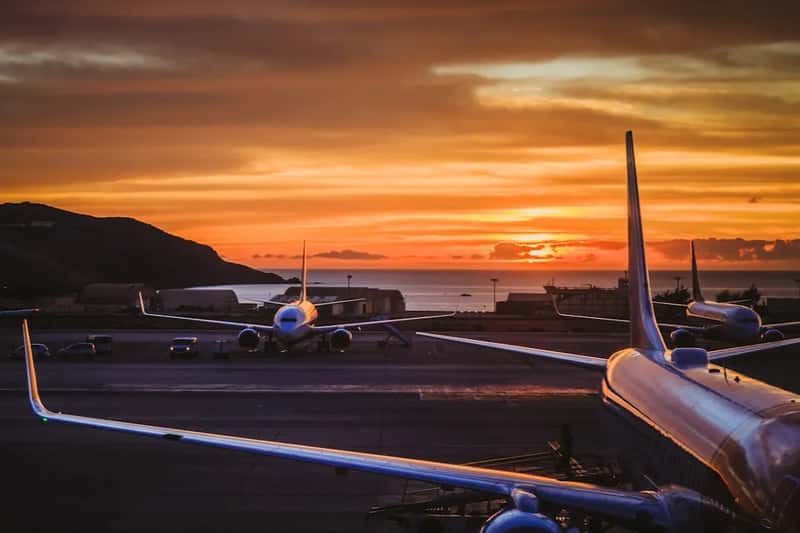
Remote islands are often chosen specifically because they feel disconnected from the noise of daily life, but that same isolation can become the problem. When ferry schedules run only once or twice a day, or flights are weather dependent, travelers can find themselves stuck longer than planned, sometimes for reasons entirely outside their control. Small island airports are especially vulnerable to weather delays because they typically have limited backup routing compared to larger hubs.
The issue isn’t the island itself, it’s the lack of alternatives once something goes wrong. A canceled ferry or a fogged-in runway doesn’t just delay a trip, it removes the option to leave at all until conditions change. That sense of being at the mercy of a single transport link is where the trapped feeling usually begins.
6. All-inclusive resorts with restrictive layouts
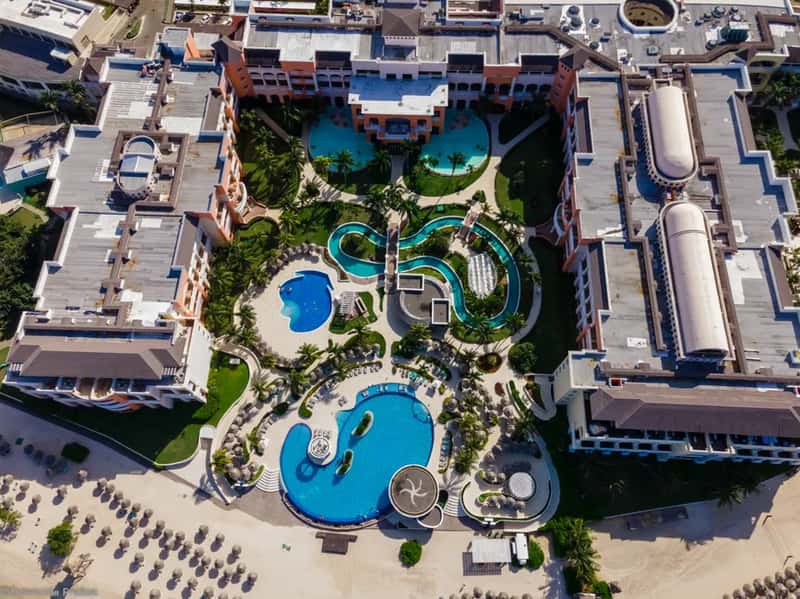
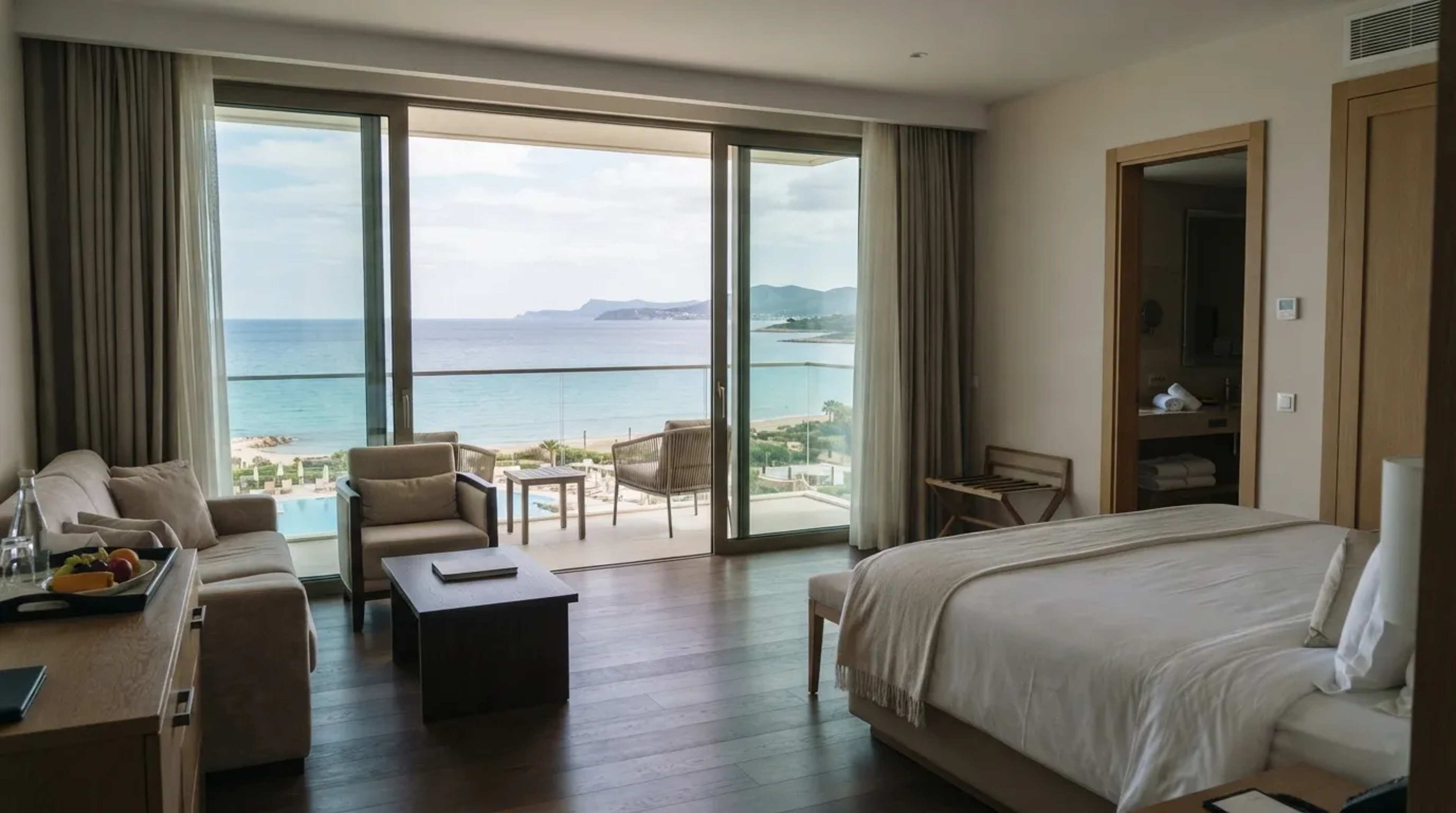
All-inclusive resorts are designed for convenience, but that same design can create a subtle sense of confinement once the initial appeal wears off. Many resorts are built with limited external access points, partly for security and partly to keep guests within paid amenity areas, which means leaving the property for a walk or an independent meal can require arranged transport. For travelers used to exploring freely, this closed loop layout can start to feel less like relaxation and more like a controlled environment.
The feeling is often strongest on longer stays, where the same pools, restaurants, and paths start to repeat daily without much variation. It’s not that anything is wrong with the resort itself, it’s that the boundaries become more noticeable the longer someone stays inside them. A short weekend rarely triggers this, but a week or more sometimes does.
None of these situations are inherently bad experiences, and most travelers get through them without lasting issues. What they share is a temporary loss of control, whether that’s a locked schedule, a sealed door, or a single transport link that isn’t guaranteed to run on time. Recognizing the pattern ahead of time, rather than being surprised by it mid-trip, tends to make the moment far easier to sit through.