Travel bounced back hard after the pandemic years, and in some places it bounced back harder than the infrastructure built to handle it. Hotels are full, sidewalks are packed, and short-term rentals have reshaped entire neighborhoods in cities that used to feel manageable even during peak season. The strain shows up in different ways depending on the place: rising rents, longer lines, stressed water systems, or residents who simply feel like guests in their own hometowns.
What follows is a look at six American cities where the volume of visitors has started to outpace what local streets, housing markets, and civic patience can comfortably absorb. Some of these places are icons that have always drawn crowds. Others are smaller, more delicate communities where even a modest surge in tourism can tip the balance.
New York City, New York
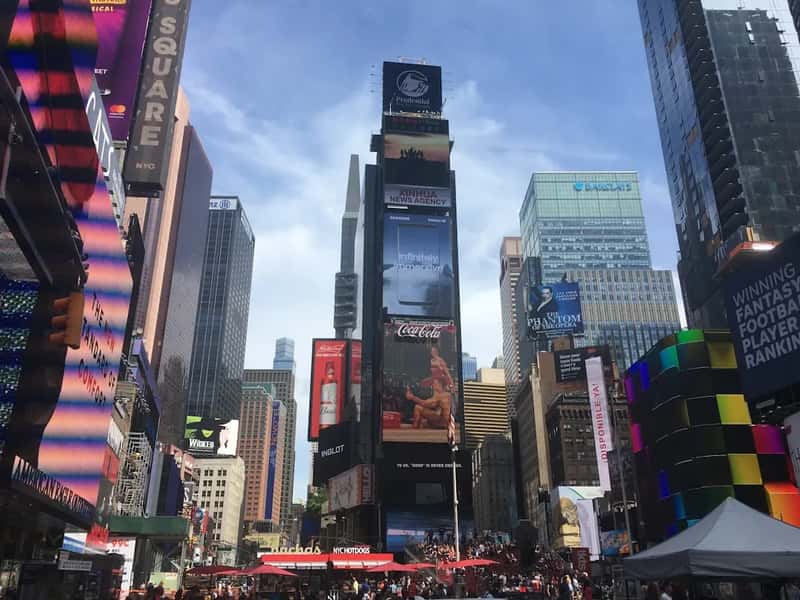
New York does not do anything small, and that includes its tourism numbers. Destination marketing organization NYC Tourism plus Conventions said 65 million visitors arrived in 2025, a 0.7% increase, with 52.4 million domestic visitors, a 1.7% increase.[1] In 2026, New York City is projecting 66.3 million visitors, a 2% increase over 2025, with domestic travel expected to increase to 53.4 million visitors, surpassing record 2019 levels.[2] That kind of volume does not stay contained to Times Square anymore, it spills into neighborhoods that were never designed as tourist corridors.
Locals have started to notice the difference in daily life, not just on postcard blocks. Times Square glitters with lights and cameras, the High Line bustles with photo-seekers, and ferries to the Statue of Liberty sell out days in advance.[3] Beneath the glitz, many New Yorkers feel squeezed, with crowded sidewalks in SoHo, rising rents driven partly by short-term rentals, and the sheer daily crush of humanity leaving residents questioning whether tourism’s benefits outweigh its costs.[3] With the FIFA World Cup bringing an additional wave of visitors this year, the pressure on housing and transit is unlikely to ease anytime soon.
Honolulu and Oahu, Hawaii
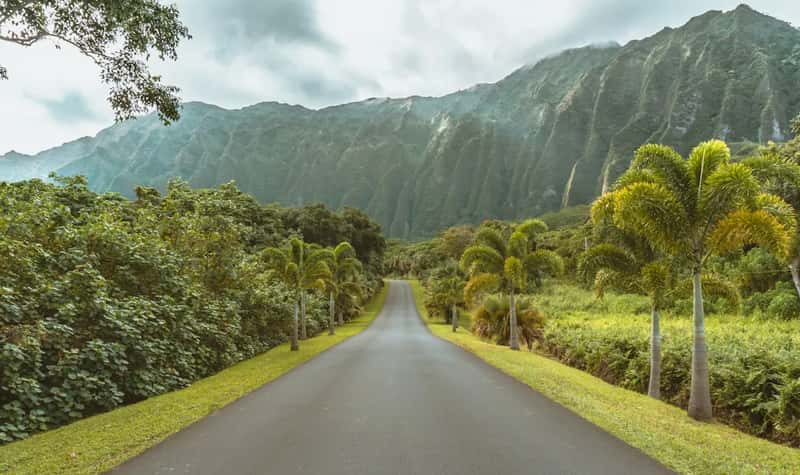
Oahu remains the beating heart of Hawaii tourism, and the numbers still tell a story of a place absorbing enormous crowds even when arrivals dip slightly. In the first 11 months of 2025, there were 5,186,726 visitors to Oahu compared to 5,261,434 visitors in the first 11 months of 2024, while total visitor spending was $8.61 billion, an increase from $8.11 billion.[4] That is a lot of people funneling through a relatively small island chain with finite roads, beaches, and water resources.
The tension between economic dependence on tourism and the toll it takes on residents has become a defining issue for the islands. Hawaii tourism officials say they are particularly concerned about increasing overall visitor numbers to Maui, which accounts for a large portion of tourism to the state overall, with about 207,500 people visiting Maui in April 2025, representing 84% of visitor levels in April 2019.[5] Even with spending climbing, the sheer density of tourists on beaches, trails, and highways continues to fuel frustration among locals who feel the island’s carrying capacity has been stretched past comfort.
Charleston, South Carolina
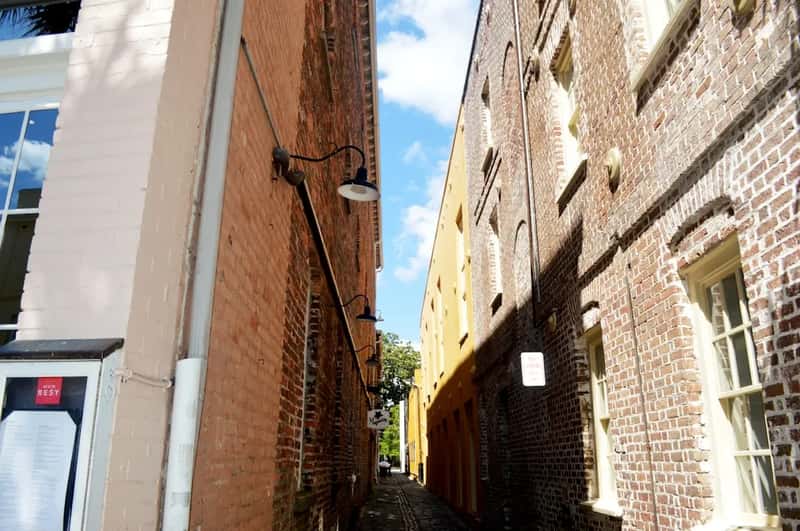
Charleston built its identity on cobblestone streets, antebellum architecture, and a walkable historic core, which is exactly what makes it vulnerable to being overwhelmed. In Charleston, locals are voicing concerns over crowded historic districts, skyrocketing housing costs fueled by short-term rentals, and the erosion of the city’s unique character.[3] A city built for a few thousand residents in centuries past now hosts crowds that clog the narrow lanes it was never designed for.
The housing squeeze has become especially visible, as vacation rentals convert long-term homes into short-term inventory. That shift pushes up prices for the people who actually live and work there, not just the visitors passing through for a weekend. Preservationists and city officials continue to debate how much regulation is appropriate without choking off the tourism dollars the local economy has come to rely on.
New Orleans, Louisiana
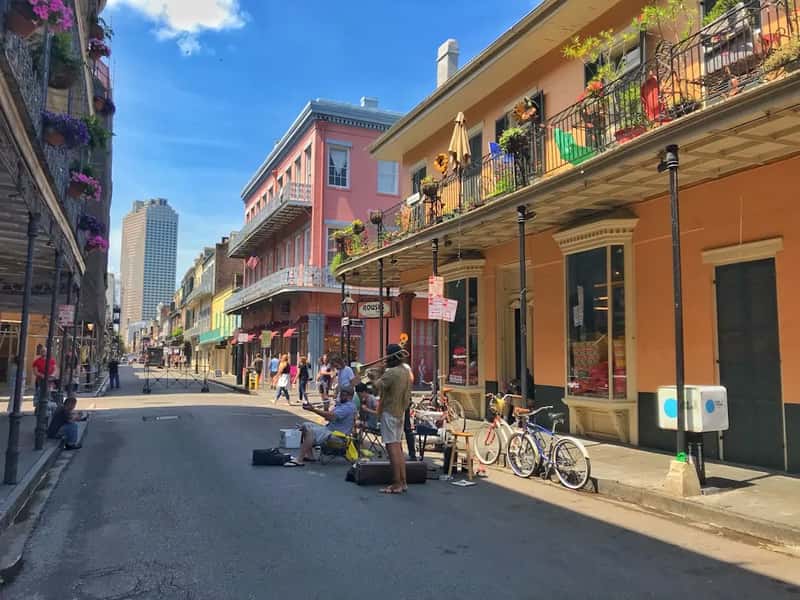
New Orleans has always leaned into its reputation as a party city, but that reputation now comes with real costs for residents. Overtourism can change the character of a destination and make visitors feel as though it has lost its authenticity, and that is one of the biggest complaints among New Orleans residents regarding tourists, behind the housing crisis.[6] The French Quarter and Bourbon Street corridors see relentless foot traffic, especially during Mardi Gras and festival season, when the city’s population effectively balloons overnight.
Housing pressure sits at the center of local frustration, tied directly to the growth of short-term rentals across the city. In the eyes of many New Orleans residents, short-term rentals are directly connected to the lack of affordable housing, and the influx of short-term rentals across Orleans Parish can be attributed to overtourism, with local Cajun and Creole culture being lost in its wake.[6] Cruise ship arrivals add another layer of congestion, funneling large groups into a compact downtown that was laid out long before tourism became an industry of this scale.
San Francisco, California
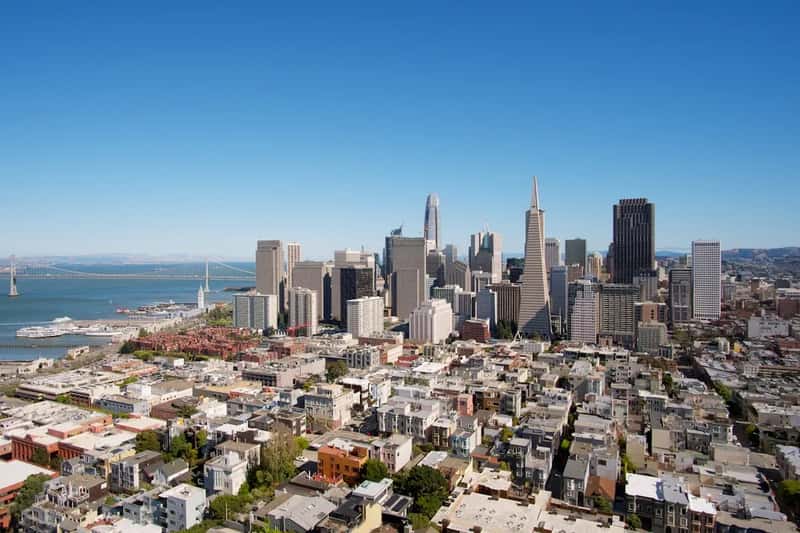
San Francisco’s compact geography, dramatic hills and narrow waterfront streets, makes it particularly sensitive to crowding. Cable car lines, Fisherman’s Wharf, and the approaches to the Golden Gate Bridge routinely see bottlenecks during peak travel months, when tour buses and rental cars compete for the same limited road space. The city has been grouped alongside New York, Charleston, New Orleans, Honolulu, and Miami as one of several American destinations now facing overtourism dynamics once associated mainly with European hotspots.
Housing costs, already among the highest in the country, have been compounded by the conversion of residential units into short-term rentals near tourist-heavy neighborhoods. Local frustration tends to center less on visitor volume alone and more on the compounding effect of tourism pressure layered onto an already strained housing market. City leaders have floated various permit restrictions on short-term rentals, though enforcement remains inconsistent across neighborhoods.
Miami, Florida
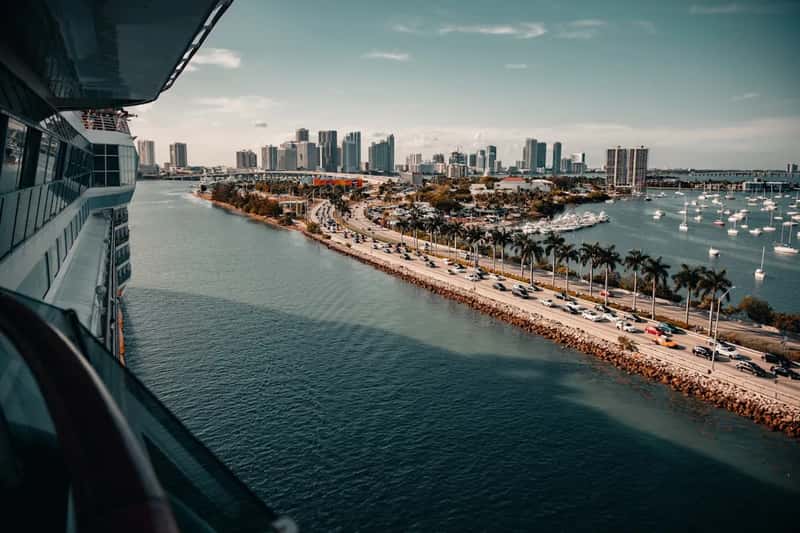
Miami’s tourism pressure comes from two directions at once: a booming cruise industry and a steady stream of international and domestic visitors drawn to South Beach and the broader Miami-Dade coastline. The city’s port handles enormous passenger volumes throughout the year, and when multiple ships dock simultaneously, downtown streets and beachfront corridors absorb thousands of additional foot traffic within a matter of hours. That kind of surge puts real strain on local transit, parking, and public safety resources that were not built with those numbers in mind.
Rising costs have followed the visitor boom, with short-term rentals reshaping residential pockets of the city much as they have in New Orleans and Charleston. Longtime residents in neighborhoods near the beach corridors have raised concerns about noise, traffic, and the steady replacement of local businesses with tourist-oriented shops and restaurants. As with the other cities on this list, the debate in Miami is not whether tourism matters to the local economy, it clearly does, but how much more growth the city’s streets and housing stock can realistically absorb.
Across all six cities, the pattern looks remarkably similar even though the local details differ. Historic infrastructure, narrow streets, limited housing stock, and fragile natural resources are being asked to support visitor numbers that keep climbing year after year. Whether the response comes through short-term rental restrictions, cruise ship caps, or simple public pressure, the pressure to find some kind of balance is not going away anytime soon.