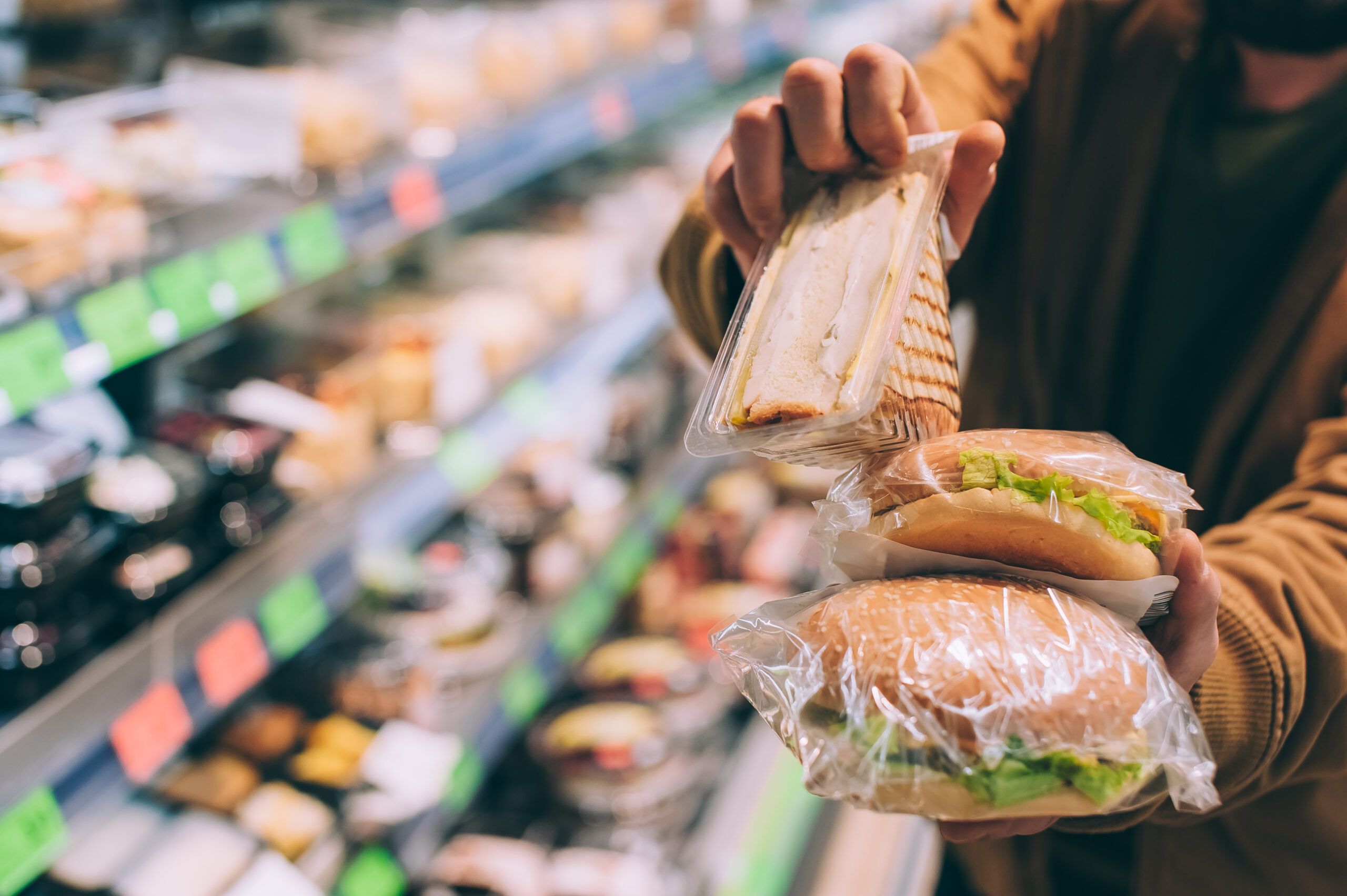
Switzerland has a reputation for expensive meals, and the reputation is earned. A sit down main course in a mid range restaurant runs about CHF 25 to CHF 45, and a coffee alone can cost between CHF 4 and CHF 7. Still, plenty of visitors and residents eat well here without spending like it’s a luxury trip.
The difference usually comes down to where you buy food and when. These are six habits that make a measurable dent in a Swiss food budget.
Treat the Supermarket as Your Main Restaurant
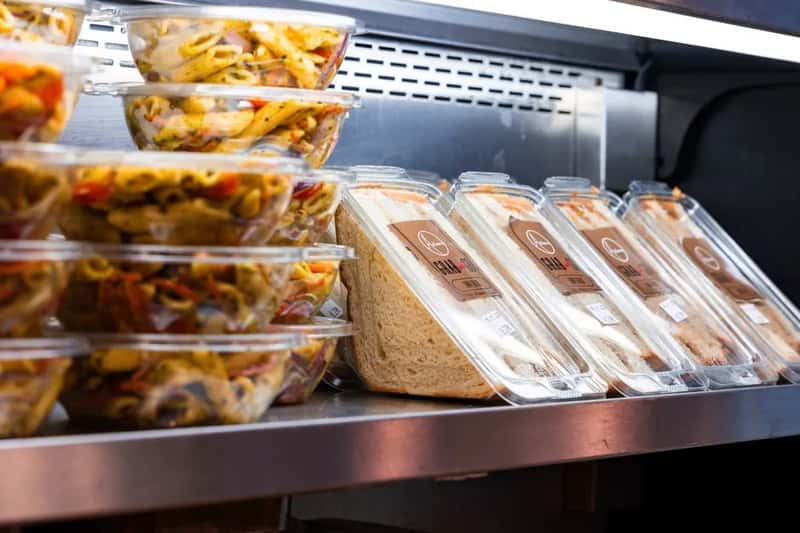
The biggest single saving is also the simplest. Supermarket food typically costs a third to a half of the equivalent restaurant price.[1] Coop and Migros dominate the country, and a meal sized sandwich or wrap costs roughly CHF 4 to CHF 7, while a ready made pasta or salad runs about CHF 5 to CHF 9.[2]
Timing matters, because Swiss shopping hours are restrictive. Most branches close on Sundays, though a handful at major train stations or airports stay open with limited hours.[3] If you arrive late or travel on a Sunday, the station format shops are the safety net, and in Zurich the main station has both a Coop and a Migros open seven days a week until late.[1]
Eat at the In Store Restaurants
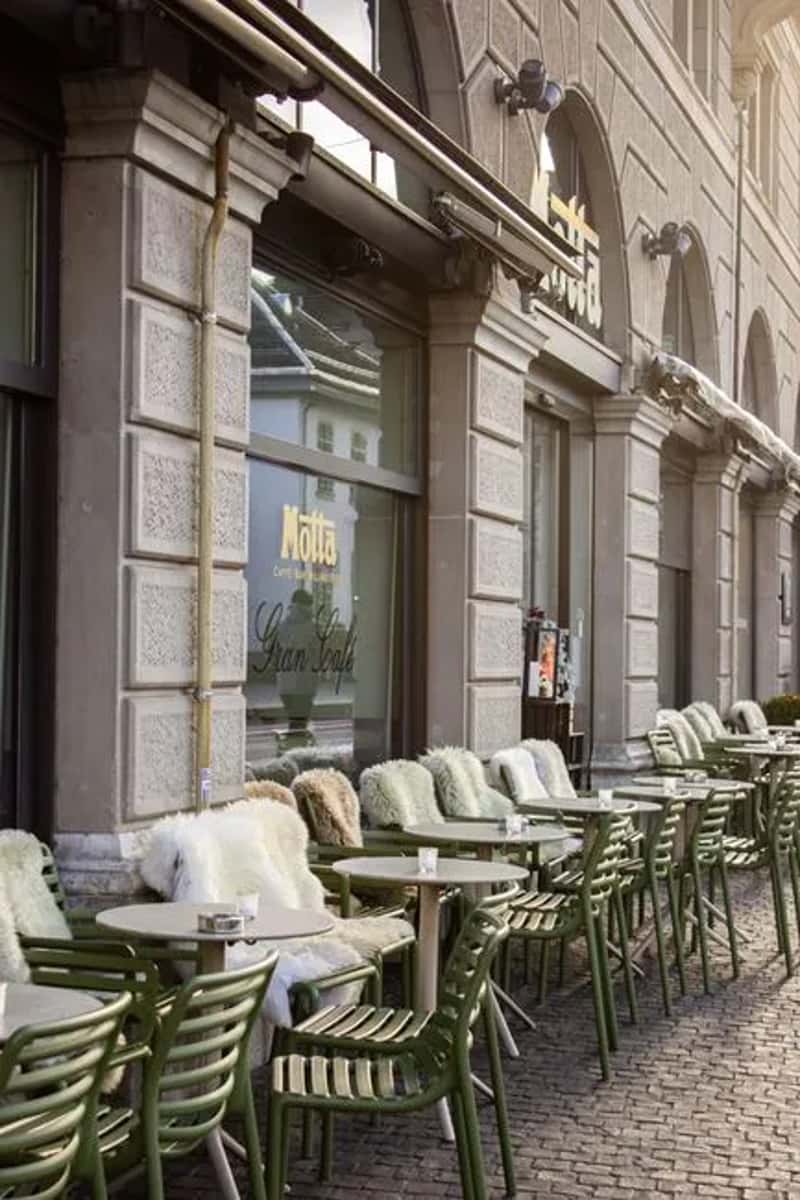
Both big chains run cafeterias inside their larger stores, and locals use them constantly. Coop and Migros restaurants serve hot meals for roughly CHF 12 to CHF 18.[2] That’s a fraction of what a comparable plate costs at a regular restaurant, and you get a hot lunch with a table and a chair.
Prices vary by region and by dish, so check the posted menu. As one example, the Migros Zurich cooperative’s plan for calendar week 32 of 2026 listed five lunch menus from CHF 16.50 to CHF 19.50.[4] Coop’s cheaper option is worth knowing too, since its restaurants in major Coop City stores offer weekly lunch menus for CHF 9.95.[5]
One warning applies if you use the counter where food is sold by weight. Items priced per 100 grams add up fast, and a heaped container of potatoes or pasta salad can produce a surprise bill of around CHF 15.[5]
Pick House Brands and Check Unit Prices
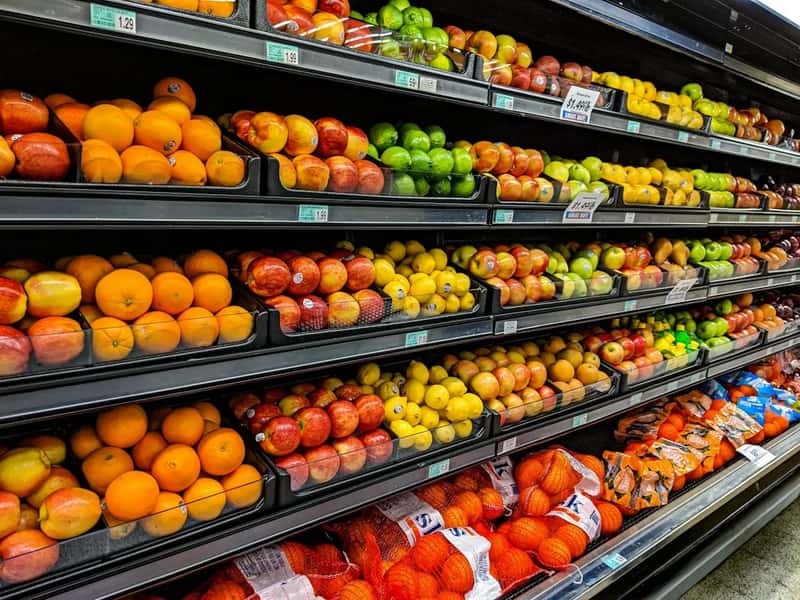
Inside the supermarket, your choice of product matters as much as your choice of store. Migros’s M Budget line, Coop’s Prix Garantie and Lidl’s own label all run cheaper than national brands while still meeting the same Swiss food safety standards.[3] One 2026 travel guide points to a 2025 comparison by a Swiss consumer magazine that found the gap on staples was real, sometimes close to half.[6]
It also helps to know that no chain wins everywhere. A March 2026 price check found that Lidl Switzerland and Aldi Suisse are often the lowest on basic groceries, though with a smaller assortment.[7] The habit that saves the most money is reading the small print, because people lose money on the unit price, such as CHF per kilogram or per 100 grams.[7]
Drink Tap Water and Refill at Fountains
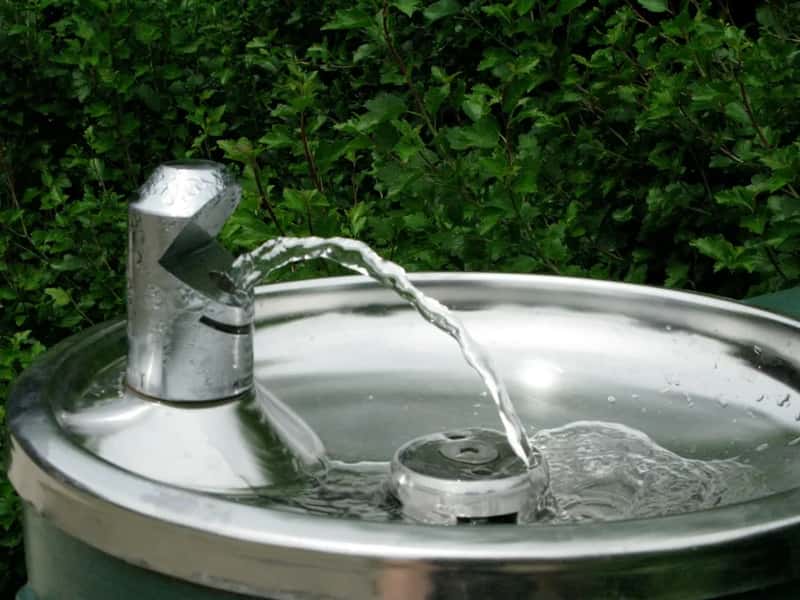
Bottled water is one of those small costs that quietly piles up over a week. It sells for roughly CHF 0.50 to CHF 2.00 per liter in supermarkets and kiosks.[8] Yet the tap is a perfectly good alternative, since Switzerland has strict water quality regulations and around four fifths of its drinking water comes from natural springs and groundwater.[9]
Public fountains make refilling easy. Zurich alone has over 1,200 fountains that provide free drinking water, and Bern, Basel, Geneva and Lucerne have plenty more.[9] Look for warning signs first, because fountains marked Kein Trinkwasser or Eau non potable are not intended for drinking.[10] Also note that some fountains are turned off in winter to prevent frost damage.[11]
Pack a Picnic for Mountain Days

Mountain excursions are where food prices climb the most. A simple plate of food at Jungfraujoch or Pilatus costs CHF 25 to CHF 40.[1] The same view with a lunch you assembled yourself comes cheaper, since a picnic from Coop costs about CHF 8 to CHF 12 and involves no queue.[1]
The deli counter is a good place to start. Pointing and asking for small quantities by weight is completely normal.[1] Add bread, fruit and a refilled bottle, and you can load a day pack in the valley before the cable car ride.
Shop Late and Use Food Rescue Deals
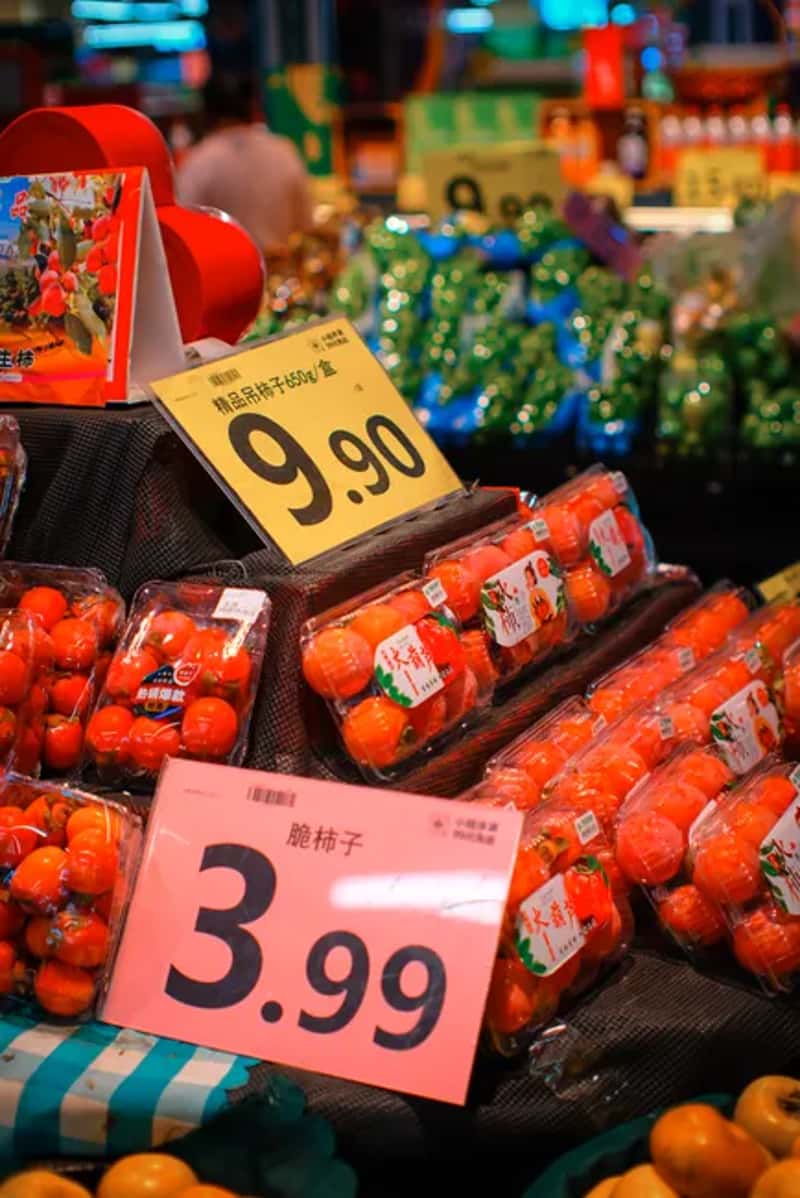
Fresh food gets marked down as the day winds down. Fresh food discounts usually appear right before closing time.[3] One budget guide advises shopping in the late afternoon for yellow stickers offering 25 percent or 50 percent off.[5] Discounts differ by store and by day, so treat them as a bonus rather than a plan.
Food rescue apps offer another route. All 174 Coop restaurants joined the Too Good To Go platform in 2021,[12] and users reserve and pay in the app before picking up. The catch is that the service only covers surplus food, and the contents of each surprise package vary daily.[12] If nothing is left over on a given day, no offers appear.