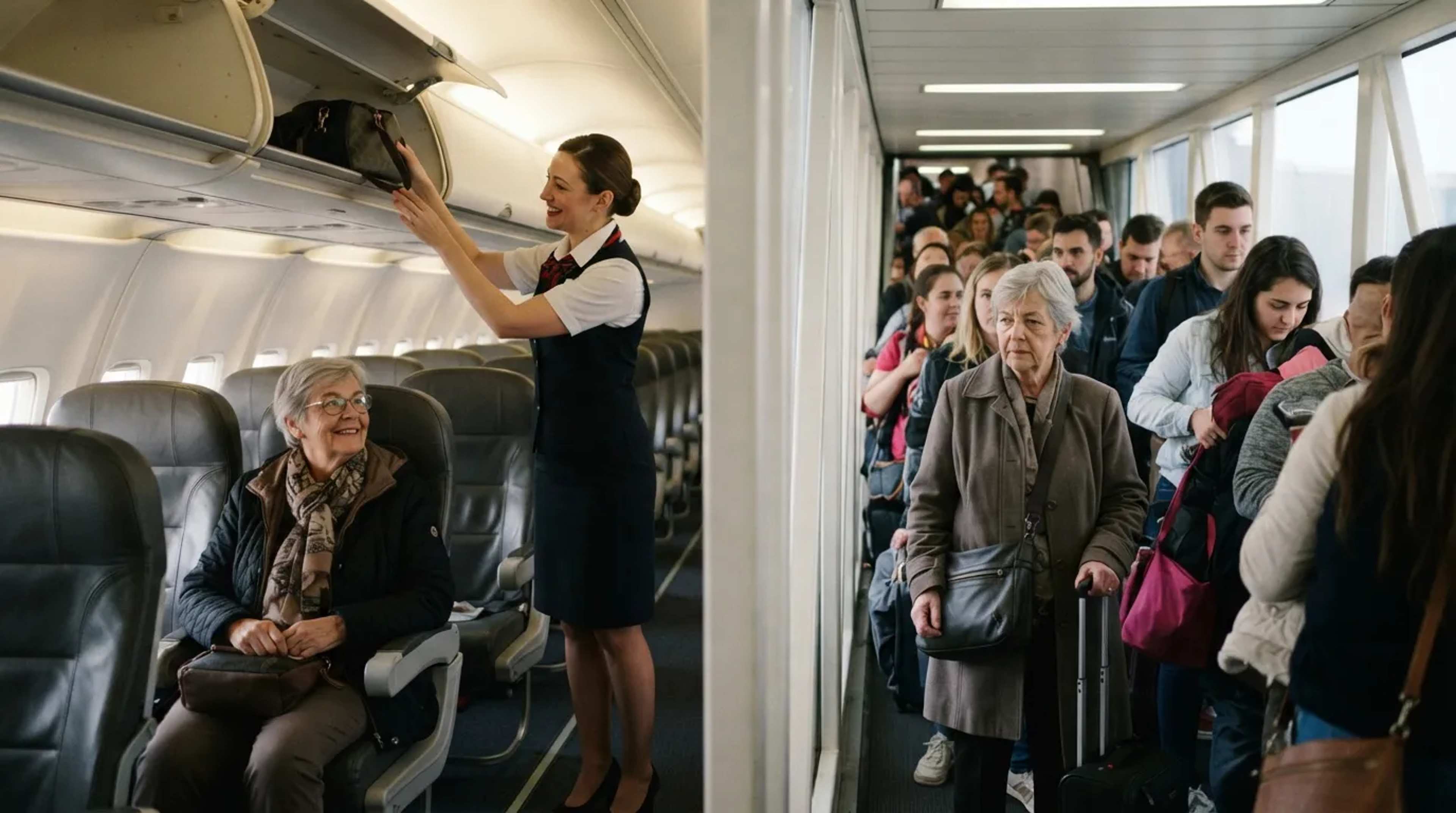
Anyone who has spent real time in airport terminals has noticed the split. On one side, there are travelers who look calm, move with purpose, and never seem rushed. On the other, there are people patting their pockets, sprinting past the same Cinnabon three times, and standing in the worst possible line without realizing it. Frequent flyers insist there is a pattern to this, a set of quiet habits that separate the road warriors from everyone else, and most of it comes down to what they refuse to do rather than what they do.
These habits aren’t secrets exactly, but they aren’t obvious either until you have flown enough times to learn them the hard way. Below are seven of the most talked-about behaviors that seasoned travelers consistently avoid, based on patterns reported by frequent flyer communities and travel industry sources.
1. They Never Exchange Money at the Airport Counter
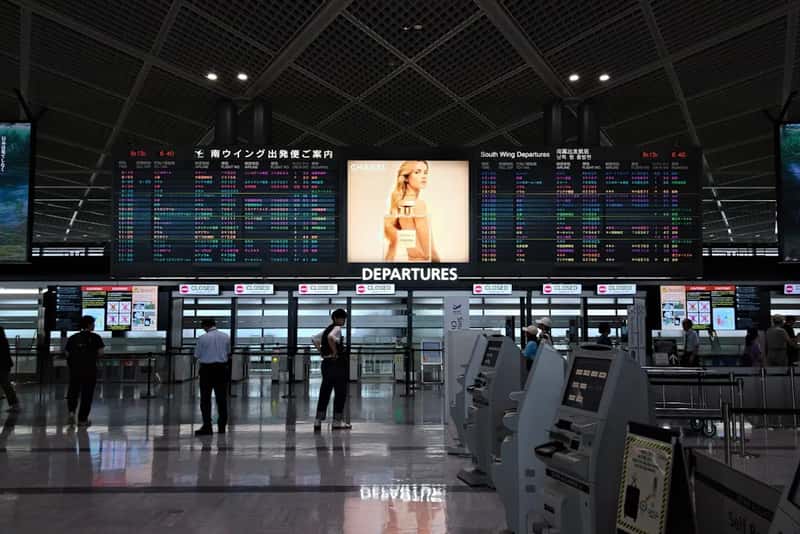
Airport currency exchange booths are convenient, which is exactly the problem. Many travelers make the mistake of exchanging money at the airport because it is the most convenient and easy way to do it, but the commissions are very high and an extra management percentage may be charged depending on the destination. Experienced flyers treat these counters the way they’d treat a hotel minibar: technically available, but never worth the markup.
Think of currency exchange counters at airports like vending machines in a hotel, you pay for the convenience, and you pay a lot. Getting a prepaid currency card without commissions is a far smarter alternative, and it’s one more reason frequent flyers sort out their money before they ever reach the terminal.
2. They Never Stand in the General Security Line if They Can Avoid It
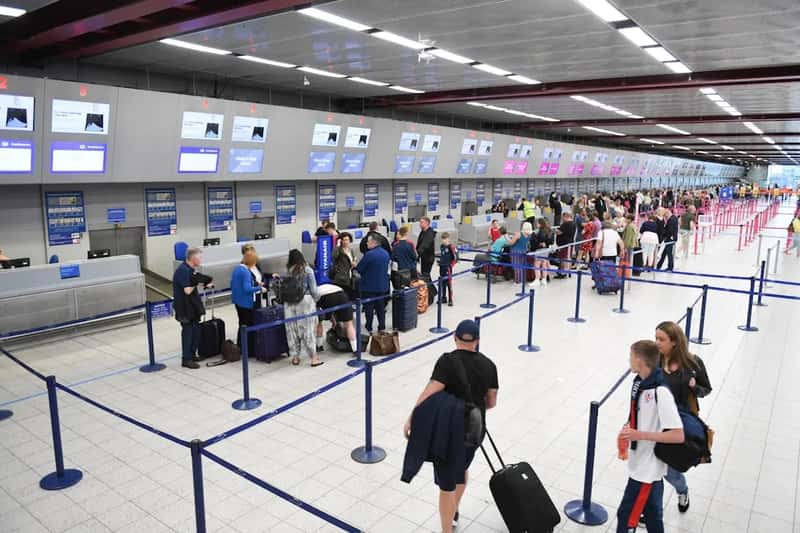
Watch a frequent flyer approach security and you’ll rarely see them join the longest, slowest queue. There are so many ways to bypass the general security lane, even when flying economy, and frequent flyers do not stand in this agonizing line ever. Programs built for exactly this purpose have quietly become standard gear for anyone who flies more than a handful of times a year.
Smart travelers look into programs like CLEAR, TSA PreCheck, or Global Entry, and if you fly enough with one single airline, you’ll earn the right to use the priority lane for free. Locals heading out for a once-a-year vacation rarely bother enrolling, since the payoff only really shows up when travel becomes routine.
3. They Never Crowd the Gate Before Boarding Is Called
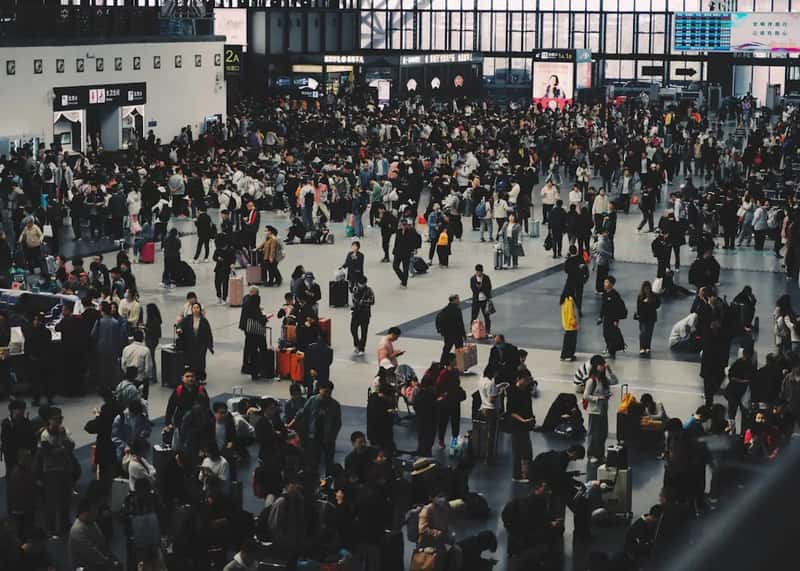
There’s a specific kind of scrum that forms near boarding doors long before an agent has said a word, and frequent flyers actively steer clear of it. Frequent travelers hate crowded boarding areas, and for that reason they never, ever stand around the boarding gate when it’s not their turn. It’s not laziness, it’s strategy, since standing in a scrum rarely gets anyone onto the plane faster.
Frequent flyers generally board first or board last, staying out of sight until it’s their turn, keeping things orderly in a chaotic world. This single habit is often the easiest way to spot an experienced traveler from across the terminal, they’re the ones sitting comfortably while everyone else huddles by the jet bridge.
4. They Never Book Through Random Third-Party Sites or Pay With a Debit Card
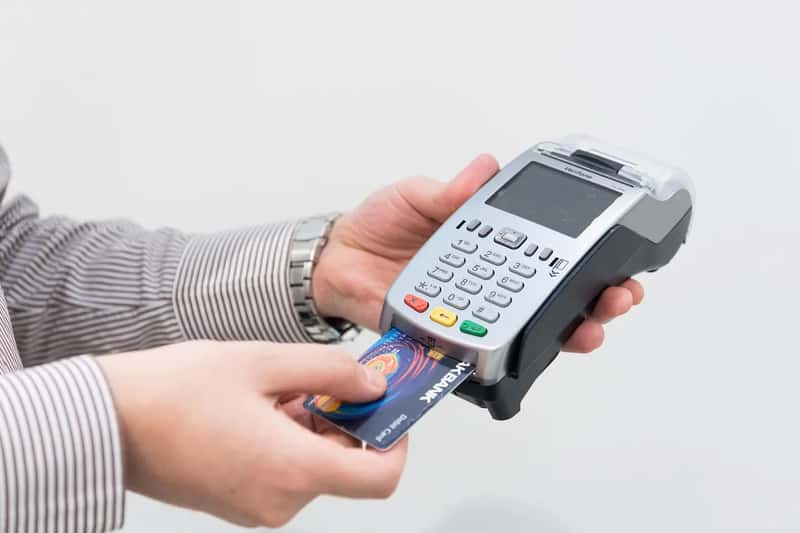
Booking and paying habits reveal a lot about travel experience level. Whenever possible, frequent travelers never book using online booking sites, preferring to deal directly with airlines so changes, refunds, and status perks are easier to manage. It sounds like a small distinction, but it saves real headaches when a flight gets disrupted.
Payment method matters just as much. The best frequent travelers earn a lot of credit card points which convert into miles, and they don’t pay with a debit card, since doing so means missing out on up to five times the points per dollar that some credit cards offer, in addition to airline miles earned. Locals making an occasional trip rarely optimize this way, simply because the math only pays off with frequent, repeated travel.
5. They Never Skip a Shower Opportunity on a Long Layover
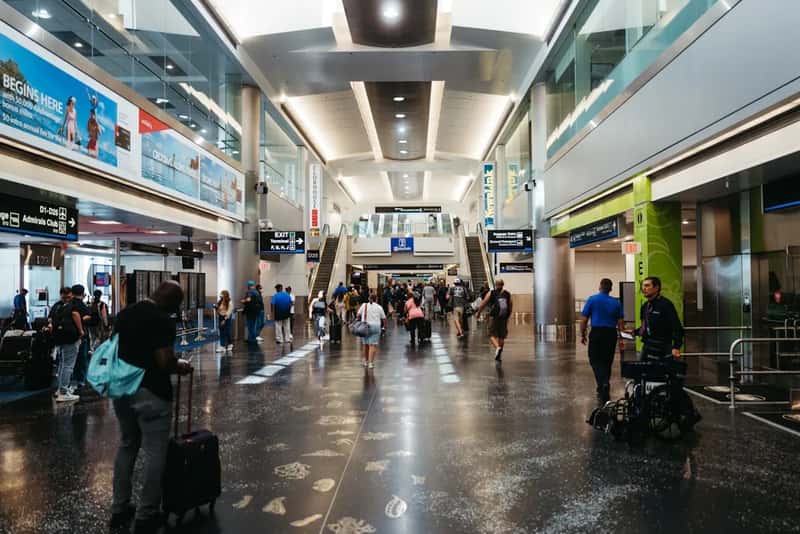
Few habits separate exhausted first-timers from composed veterans quite like this one. Skipping a rinse after a red-eye flight means dragging exhaustion into the next leg of a trip, yet lounges and some international terminals have showers that are consistently underused. Frequent flyers treat a long layover as an opportunity, not dead time to simply survive.
This ties into a broader shift in how lounges are used. The lounge used to be an exclusive perk for elite flyers, but has now become more accessible to everyday travelers. Once inside, seasoned travelers know the etiquette too, keeping calls off speakerphone and never treating the buffet like a competitive sport, habits that mark the difference between a welcome guest and an obvious rookie.
6. They Never Guess How Long It Takes to Get From Curb to Gate
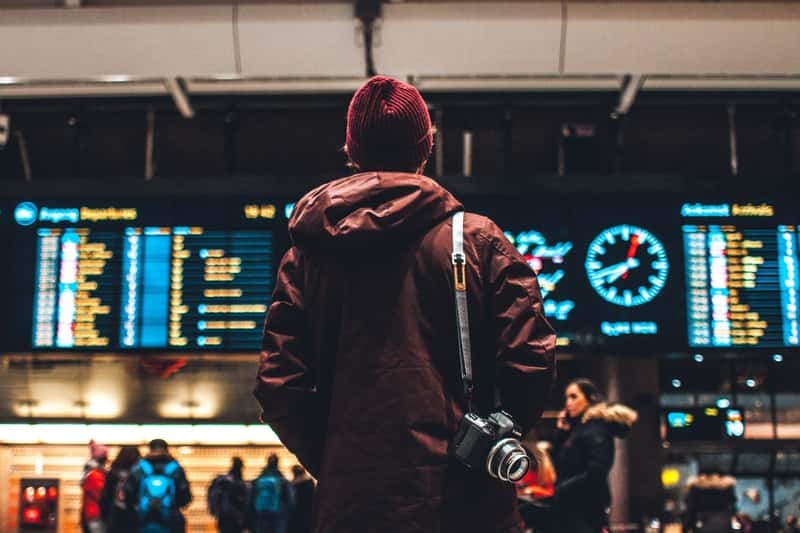
Confidence at the airport usually comes from knowledge, not luck. Experienced travelers tend to know their airports’ layouts and how much time they will need to get from point A to point B, understanding that even with a greeter you need patience in a sprawling hub like Heathrow, while other airports are far more efficient. That awareness means fewer sprints and far less stress when a gate change gets announced over the intercom.
They also don’t leave this to chance in unfamiliar territory. They know to ask about an airport if they’ve never been there or download a terminal map before they arrive. Locals passing through their home airport rarely need this level of preparation, but it becomes second nature once you’ve been stranded in one too many unfamiliar concourses.
7. They Never Check a Bag if They Can Avoid It
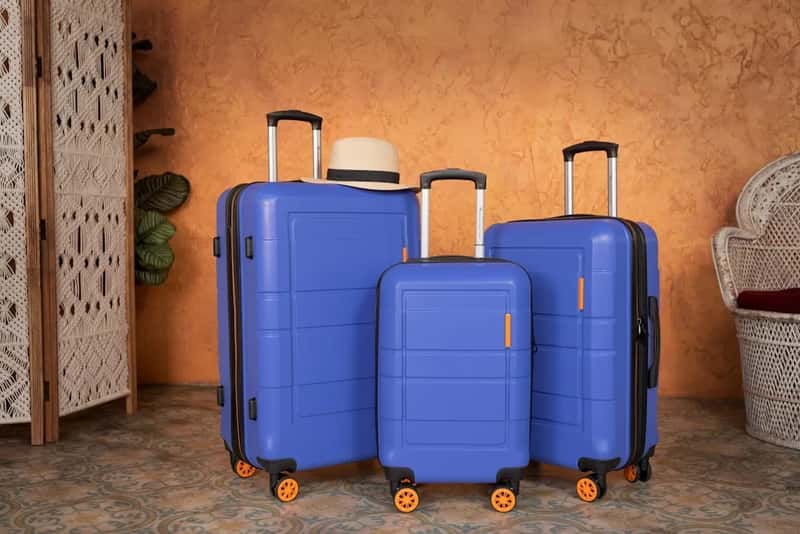
Checked luggage has fallen out of favor with a large share of travelers, and frequent flyers were early adopters of this shift. A recent industry survey found that 71% of travelers now avoid checking bags, part of a growing rebellion against the modern airport experience. Carrying everything onboard means skipping baggage claim entirely and having a backup plan the moment a connection gets tight.
This habit pairs with another one frequent flyers rely on constantly, packing for disruption rather than just the destination. Seasoned travelers pack for worst case scenarios such as flight delays and cancellations, keeping anything important like a toothbrush, medication, and a fresh set of clothes on them at all times. It’s a small habit with an outsized payoff whenever plans fall apart mid-journey.
None of these habits are flashy, and none require insider knowledge that isn’t available to anyone willing to look for it. What they share is a preference for preparation over improvisation, something that only really clicks after enough missed connections and overpriced currency exchanges. Locals passing through their home airport a few times a year rarely need this toolkit, but for anyone chasing status miles or simply tired of airport chaos, these seven habits tend to show up again and again.