Canada has spent decades selling itself as the antidote to crowded destinations: big skies, quiet lakes, room to breathe. That reputation is starting to crack in a handful of places where the crowds have simply gotten too big for the sidewalks, the parking lots, and the housing stock to handle. The federal government’s decision to bring back free national park access through the Canada Strong Pass for summer 2026 has only added fuel to a conversation that residents in several towns have been having quietly among themselves for years.
What follows isn’t a boycott list. It’s a look at seven places where the gap between what tourists experience and what residents actually live with has grown wide enough that locals have started saying so out loud, in town halls, surveys, and the occasional exasperated social media post.
1. Banff, Alberta
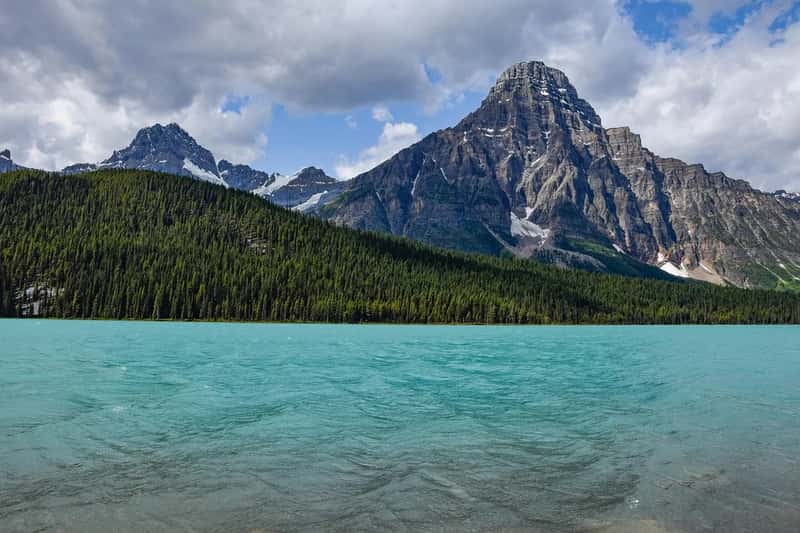
Banff might be the clearest example of a town loved almost to the point of exhaustion. Nearly four million people visited Banff in 2024 alone, while cottage country, national parks, and cultural festivals are all experiencing record attendance. Longtime resident and conservationist Harvey Locke, who has watched the shift unfold since before the pandemic, put it bluntly when he said “Banff has a serious overtourism problem.”
The numbers back up the frustration. A resident satisfaction survey from May 2025 showed that while 95 percent of residents remain satisfied with their quality of life, more than one-third of respondents reported a decline over the previous three years, with participants frequently pointing to rising costs, tourism, and overcrowding as the primary factors. Notably, the number of residents identifying overcrowding as a concern grew from 7 percent in 2023 to 19 percent by 2025. Tourism officials are now actively trying to spread visitors into the off season instead of letting them all pile in at once, and it says something that a town whose entire economy runs on visitors is now working just as hard to redirect them.
2. Niagara Falls, Ontario
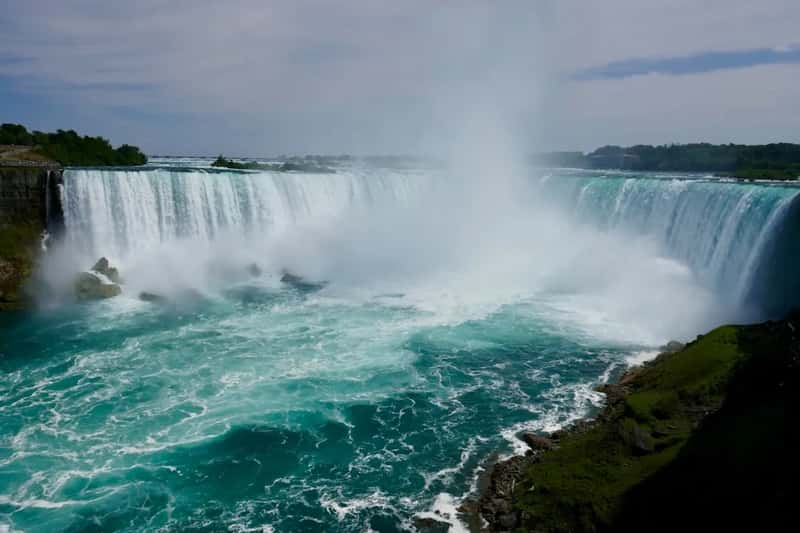
Niagara Falls has always been a bucket list stop, but the sheer scale of foot traffic has turned parts of the town into something closer to a theme park queue than a scenic riverside walk. Niagara Falls saw an unprecedented 14 million visitors in 2024, based on data from Ontario’s tourism ministry. That figure covers day trippers, honeymooners, bus tours, and everyone in between, all funneling through a relatively compact stretch of waterfront.
For people who actually live and work behind the tourist strip, the volume changes daily routines in small but persistent ways: parking that used to be simple becomes a hunt, and grocery runs get timed around when the buses arrive. Canada’s most iconic destinations, including Niagara Falls, are being placed under pressure as overtourism, rising travel costs and growing infrastructure limitations reshape the visitor experience, with millions of travellers now encountering longer queues, higher accommodation prices and reduced accessibility. The falls themselves haven’t changed, but the experience around them clearly has.
3. Tofino, British Columbia
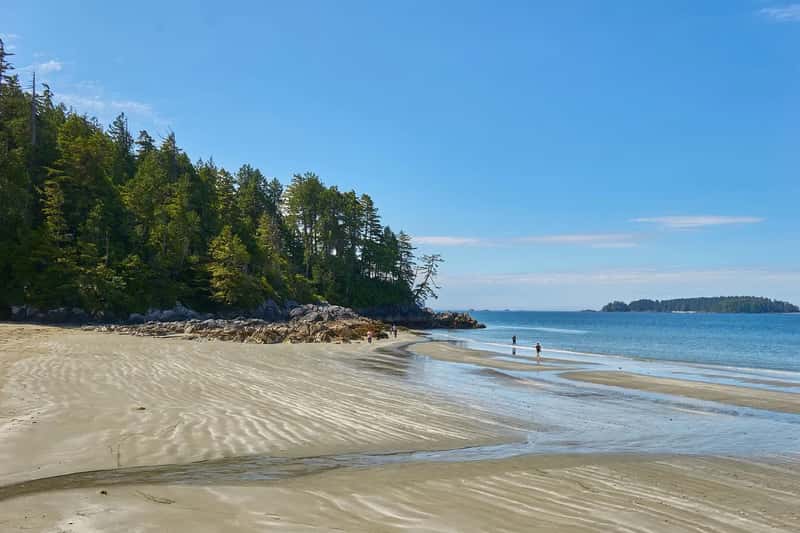
Tofino built its reputation as an escape, a quiet surf town at the end of a long, winding road on Vancouver Island. That same isolation is now part of the problem. Tofino is a primary example of how overtourism affects the vibe of a place, since the single road leading into town often sees bumper-to-bumper traffic, and the local housing market has been hollowed out by short-term rentals.
Locals have been vocal about the strain for years, not just about traffic but about how visitors behave once they arrive. During earlier tourism surges, recent floods of tourists to popular towns on Vancouver Island’s west coast have been an economic blessing but many residents and businesses say they’ve also been a social curse. The town remains stunning, but people who actually live there increasingly describe summer as something to get through rather than enjoy.
4. Vancouver, British Columbia
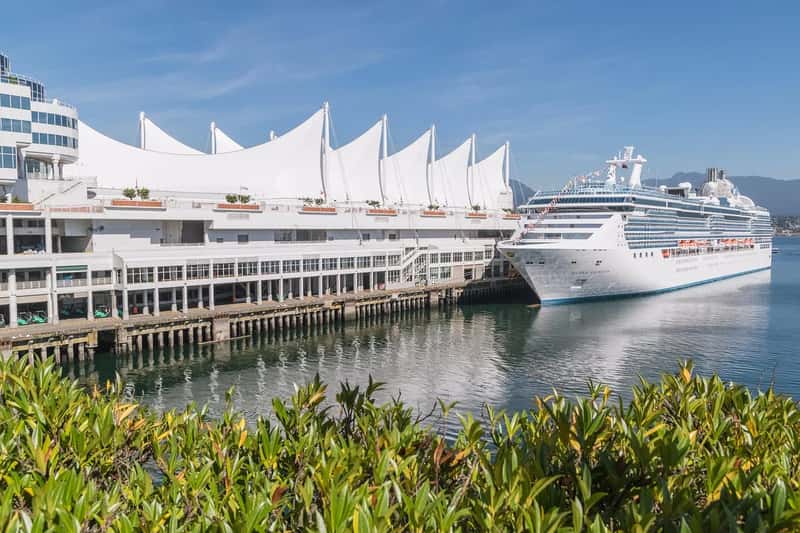
Vancouver’s downtown core operates on two separate clocks in summer: the normal rhythm of a working city, and the surge tied to cruise arrivals. Downtown Vancouver can feel like it is running two schedules at once, and according to the Port of Vancouver’s cruise season fact sheet, recent seasons have brought more than 300 ship calls and well over one million passengers. When several ships unload on the same morning, the streets around the terminal fill up fast.
Residents tend to describe the same pattern of packed sidewalks, long restaurant waits, and a downtown core that becomes harder to use during peak embarkation and disembarkation windows, while the cruise industry points to economic upside and locals push for smoother dispersion beyond the terminal zone. It’s not that Vancouverites resent visitors outright. It’s more that certain mornings turn a ten minute errand into a forty minute one, and that adds up over a season.
5. Victoria, British Columbia
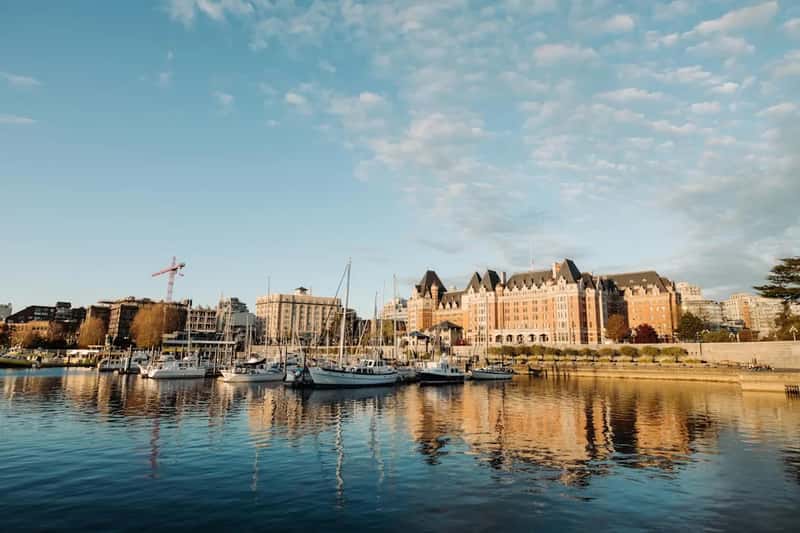
Victoria’s relationship with cruise tourism is complicated, and the numbers help explain why. Cruise tourism spending totaled roughly CA$137.1 million while non-cruise tourism spent nearly CA$2.9 billion, over twenty times more, even though cruise tourists made up close to twelve percent of total visitors but generated less than two percent of tourism spending in the region. That imbalance is a big part of why residents near the harbour feel like they’re absorbing the inconvenience without much of the payoff.
Neighbourhood advocates have said as much directly. Residents who live near the cruise ship port argue that the tourism boost is accompanied by loud buses, pollution and congestion as tourists travel to and from city attractions, with one local association representative noting a lack of newer, greener vehicles in the shuttle fleet. Add in that the majority of ships in Victoria arrive after 7 pm and leave around midnight, leaving little time to disembark or spend money, and it becomes clear why some locals question whether the trade off is even worth it.
6. Montreal, Quebec
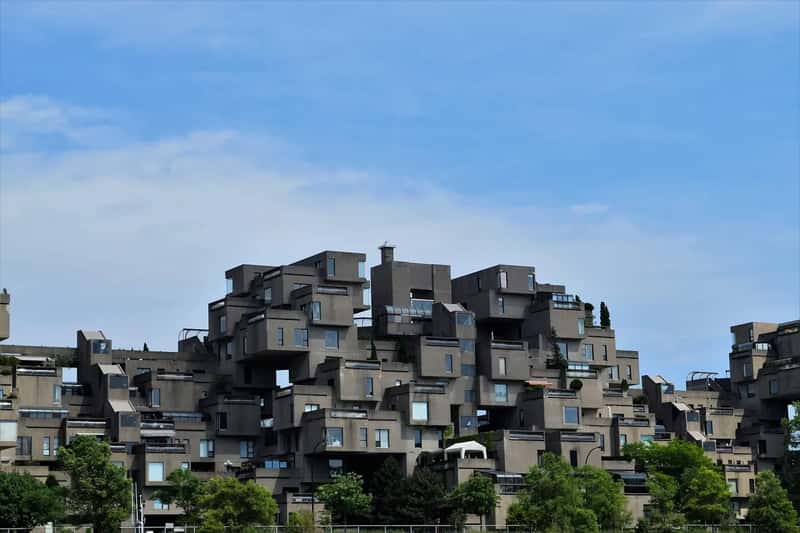
Montreal’s tourism tension shows up less in crowded sidewalks and more in housing fights. Residents in the historic core have pushed back hard against the spread of short-term rentals, with old Montreal residents demanding a moratorium on the practice as vacation listings crept into buildings meant for long-term tenants. The city eventually responded with a seasonal ban on short-term rentals in residential neighbourhoods, though it hasn’t ended the debate.
If anything, the rules have created a different kind of friction. An independent analysis found that the city’s municipal bylaw, which limits short-term rentals in residential neighbourhoods from June 10 to September 10, will create a deficit of more than 26,000 accommodation nights during the 2026 Formula 1 Canadian Grand Prix and UCI World Cycling Championships, projected to cost Montreal more than $19 million in lost economic activity. Locals get a break from vacation rentals cluttering their buildings, but the city as a whole ends up squeezed from both directions when the big events roll into town.
7. Toronto, Ontario
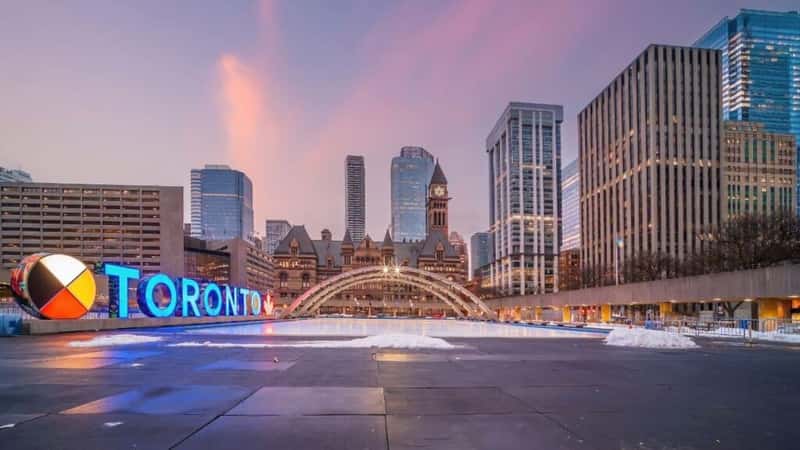
Toronto doesn’t get talked about in the same breath as Banff or Niagara Falls when it comes to overtourism, but the pressure is building in its own way, mostly through housing and short-term rental competition. The city has tightened its rules considerably, and starting in mid-2025, the City of Toronto temporarily increased the mandatory Municipal Accommodation Tax rate on transient accommodations from 6 percent to 8.5 percent, running through July 31, 2026. The move was meant to help fund major upcoming events while also putting a small brake on the short-term rental boom.
Enforcement has followed the same trajectory. Toronto cracked down hard on short-term rentals starting in 2020, and enforcement has only gotten tighter, with the rule now requiring operators to list only their principal residence, meaning investment properties cannot be listed for stays under 28 days. For residents trying to find an affordable apartment in a competitive rental market, that distinction matters more than most tourists ever realize, and it’s part of why the city keeps adjusting its approach year after year.
None of these seven places are asking travelers to stay away entirely. What locals in Banff, Niagara Falls, Tofino, Vancouver, Victoria, Montreal, and Toronto tend to want is simpler: fewer people arriving all at once, more thought given to when and how visitors show up, and a bit more balance between the economic upside of tourism and the daily reality of living somewhere that millions of people pass through every year. The tension isn’t going away soon, but it is, at least, finally being said out loud.