Canada’s headline attractions can get busy in summer, with long queues, packed boardwalks and parking lots that fill before breakfast. The country is huge, though, and plenty of small communities sit well away from the main tourist circuits. They suit travellers who care more about harbours, heritage streets and open water than a checklist of landmarks.
Below are six small towns and villages, from British Columbia to Newfoundland. Each is a real place with its own character. None is entirely free of visitors, especially during festivals or peak summer weeks, but all of them reward people who slow down and plan around the calendar.
Kaslo, British Columbia
Kaslo sits on the western shore of Kootenay Lake, framed by the Selkirk and Purcell mountains. Local tourism material puts its population at only about 1,000 residents.[1] It began as a sawmill site in 1889 and grew into a silver mining and transhipment boomtown in the 1890s, peaking at about 6,000 people.[2] Today the Victorian-era buildings remain, but the crowds don’t.
The village is known for its lakeside setting and heritage main street. Kaslo’s heritage buildings include the SS Moyie, billed as the oldest passenger sternwheeler in the world.[3] Nature is close at hand too. Fletcher Falls is a short drive south of town, and an easy five-minute walk from the parking lot.[4] One practical note: many businesses in town close by dinner time[4], so plan your evenings. Also keep in mind that the Kaslo Jazz Festival makes the population swell[4], so choose other dates if you want the quiet version.
Fogo Island, Newfoundland
Fogo Island lies off Newfoundland’s northeast coast, and getting there takes some effort. The ferry from Farewell takes roughly 50 minutes.[5] That journey is a big reason the island stays quiet. The service doesn’t take reservations, so arriving early is the way to guarantee a spot, especially in July and August.[6]
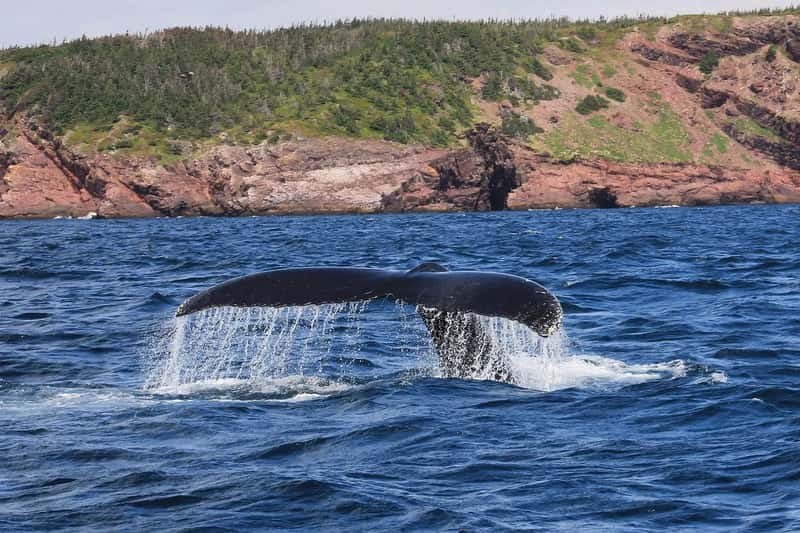
The island is bigger than it sounds. It measures about 25 kilometres long and 14 kilometres wide.[7] A rental car is close to essential once you arrive.[6] Expect fishing stages, hiking and an artists’ scene. Humpback whales migrate through these waters and icebergs drift along Iceberg Alley[5], which makes late spring and early summer a good time to visit.
Alma, New Brunswick
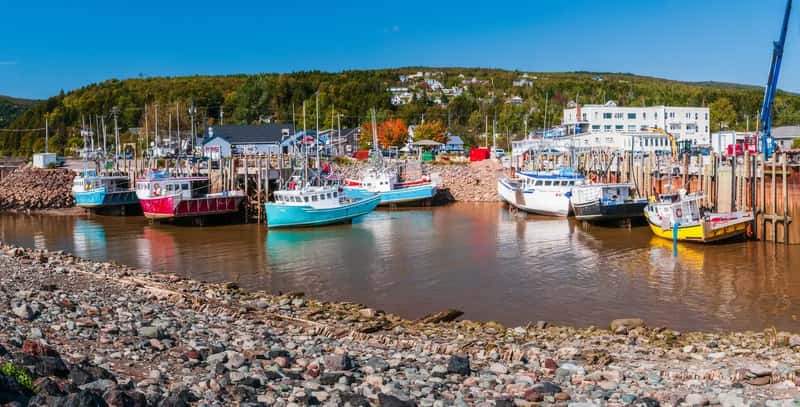
Alma is a small fishing village beside Fundy National Park. It’s best known for the Bay of Fundy tides. Fishing boats rest on the muddy harbour bottom at low tide and float beside the wharf when the water returns.[8] Watching that twice-daily change is the main event here.
Parks Canada says the biggest tides in the world await visitors at Fundy National Park.[9] The park’s tides can be experienced in a day, yet many visitors choose longer stays at its campgrounds or in neighbouring Alma.[9] Staying overnight also helps, because high and low tides are a little more than six hours apart[8]. Check the official tide tables before you plan your walks on the seabed.
Dawson City, Yukon
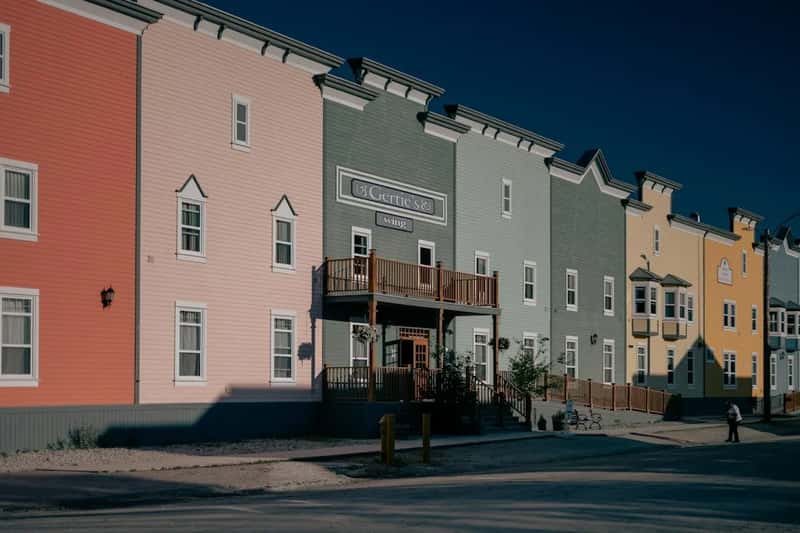
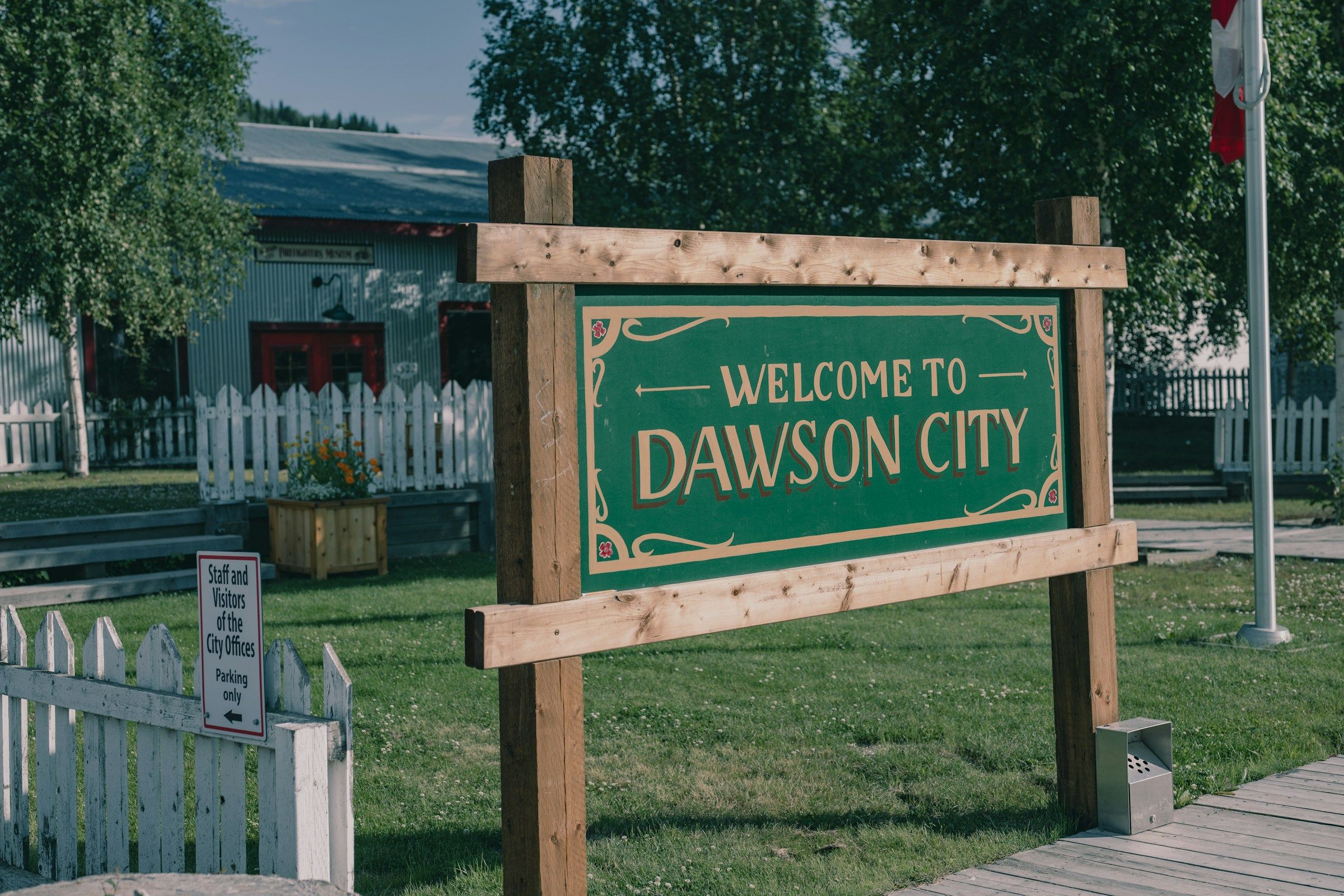
Dawson City is remote, and that’s part of its appeal. It sits about 536 kilometres northwest of Whitehorse, at the end of the Klondike Highway.[10] Its population was 1,577 in the 2021 census, making it Yukon’s second-largest municipality.[11] During the Klondike Gold Rush it grew into a city of 40,000 by 1898.[12]
Today the town works like a living museum. Since the 1960s, Parks Canada has been conserving and presenting a number of its buildings as National Historic Sites.[10] The Tr’ondëk-Klondike site was named a UNESCO World Heritage Site in 2023.[11] Summer events can be busy. One local guide advises booking accommodation well ahead for the Dawson City Music Festival in July and Discovery Days in August.[13] Outside those dates, the boardwalks feel a lot calmer.
Baddeck, Nova Scotia
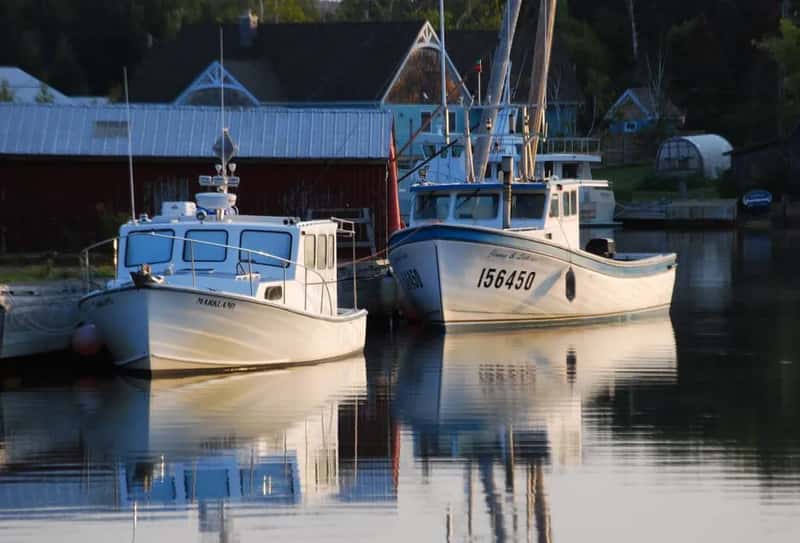
Baddeck is a lakeside village on Cape Breton Island’s Bras d’Or Lake. It’s close to the Cabot Trail, one of Canada’s best-known scenic drives. Many travellers drive through quickly on the way to the highlands, which leaves the village itself quieter than you might expect.
The town is closely tied to inventor Alexander Graham Bell, who spent his summers in the area. The Alexander Graham Bell National Historic Site there is run by Parks Canada and is a calm, rewarding stop. Check current opening dates before you go, since seasonal schedules can change. Time on the water or a slow walk along the harbour makes a good way to round out the day.
Saint-Jean-Port-Joli, Quebec
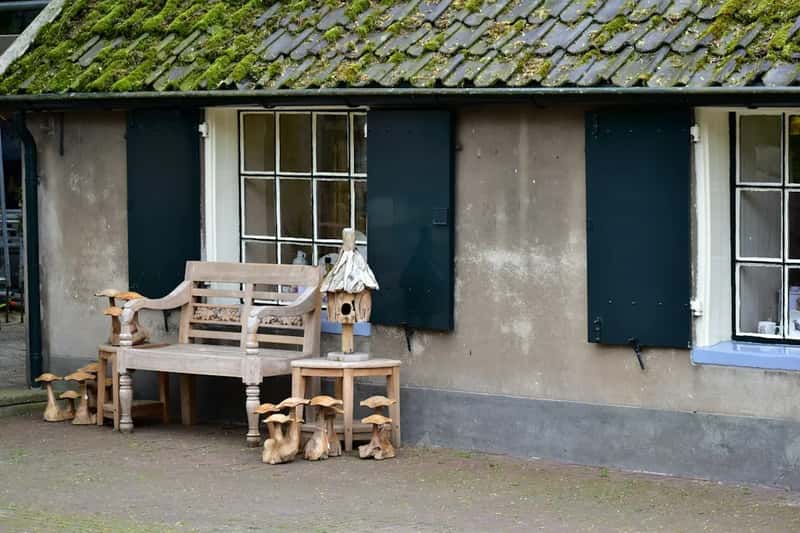
Saint-Jean-Port-Joli sits on the south shore of the St. Lawrence River, east of Quebec City along Route 132. Many visitors to the province stay in the city or head to Charlevoix. This village is a quieter alternative. It’s known for its long woodcarving tradition, and carvers’ workshops and galleries are a big part of the local identity.
Plan on a slow day here. Browse the studios, walk along the river and enjoy a meal in the village. Most signage and conversation is in French, so a few basic phrases help. Opening hours at small galleries and studios vary by season, so confirm them before you set out.
Crowds in Canada depend as much on timing as on place. In every town above, the quietest visits tend to come outside major festivals and the busiest summer weeks, and with a little planning around ferries, tides or opening hours. Pick one, check the local details, and let the pace of a small place do the rest.