There’s a difference between a country that’s polite to visitors and one that actually pulls you into its rhythm the moment you land. Some places treat tourism as a transaction: check in, see the sights, check out. Others seem to operate on a completely different logic, where a stranger on a bus becomes a dinner guest by nightfall, and a shopkeeper insists you take tea before talking business.
That second kind of place is rarer than travel brochures make it sound, but it does exist. Below are seven countries where hospitality isn’t a marketing slogan but something closer to a cultural reflex, backed by long-standing traditions and, in several cases, recent tourism data that shows travelers are noticing.
Georgia: Where Guests Outrank Everyone at the Table
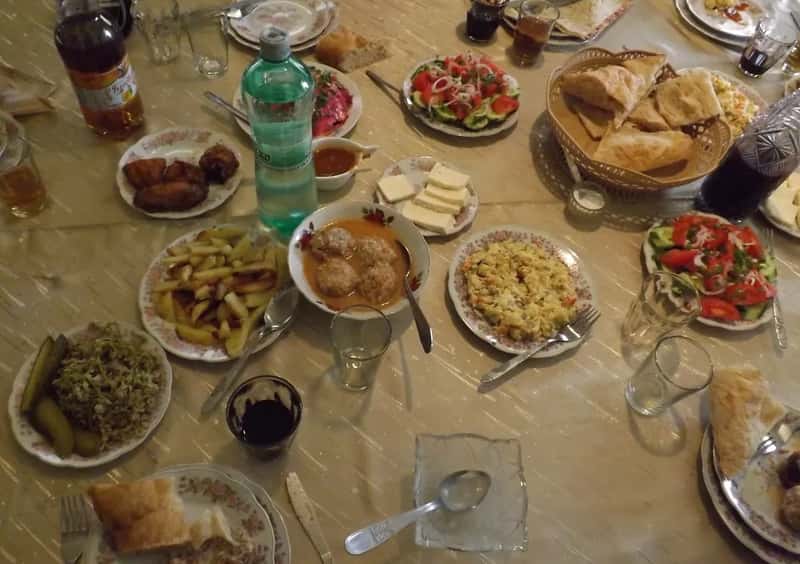
In Georgian culture, a guest is considered a gift from God, and that belief shows up everywhere from mountain villages to Tbilisi’s old town. The country’s tourism numbers back up what travelers keep saying anecdotally. Georgia recorded nearly 6.9 million international visits in 2025, representing a 6.2% increase compared with 2024 and one of the strongest tourism performances in the country’s history.[1]
What keeps people coming back isn’t just the Caucasus scenery. The average stay length increased slightly to 5.6 nights, and repeat visitors accounted for nearly eight in ten, highlighting Georgia’s growing reputation as a destination people return to year after year.[2] A lot of that loyalty traces back to the supra, the traditional feast where a toastmaster keeps the wine flowing and makes sure no visitor leaves the table hungry or unnoticed.
Malawi: The Warm Heart of Africa Isn’t Just a Slogan

Malawi earned its nickname the old-fashioned way, through generations of travelers describing the same thing: locals who treat arriving strangers like returning relatives. The warmth and hospitality exhibited by the people of Malawi foster an inviting atmosphere that enhances the travel experience for visitors.[3] It starts with something as simple as a greeting exchange, and it rarely stops there.
A prominent aspect of this hospitality is the warm greeting known as “Kuli bwanji?” which translates to “How are you?” This simple yet significant interaction establishes a friendly tone and fosters a sense of connection between individuals.[3] Shared meals matter just as much. Communal meals also play a crucial role; traditional dishes, such as nsima, are frequently shared among guests, symbolizing unity and togetherness.[3] Interest in the country keeps climbing too, with inbound tourism numbers projected to exceed 2025’s 1.3 million visitors.[4]
Fiji: Arriving as a Guest, Leaving as Family
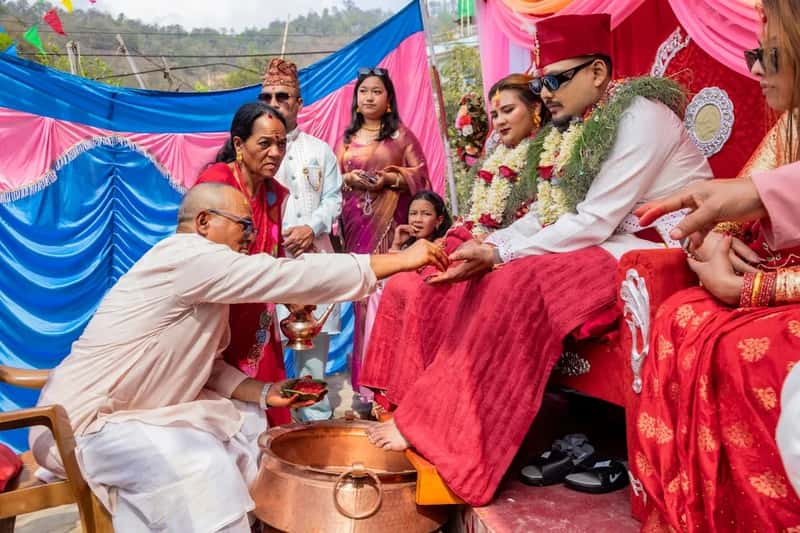
Fiji’s “bula spirit” gets thrown around a lot in tourism marketing, but locals will tell you it predates the industry by generations. The result is a culture in which warmth toward others, including strangers, is the ambient default rather than a deliberate choice.[5] That default plays out in small daily interactions, not just staged welcome ceremonies at resorts.
The kava ceremony is where it becomes most visible to outsiders. Guests experience the essence of Fijian culture through sevusevu, presenting kava root to a host community to request entry to their land, with the gesture reciprocated at a traditional ceremony performed by village elders.[6] It’s worth noting that the warmth isn’t automatic in one direction only. Fijians respond to genuine engagement, real eye contact, an actual “bula,” genuine curiosity about the answer to “how are you,” and the warmth expands when it is met.[5]
Iran: A Guest Is Considered a Friend of God
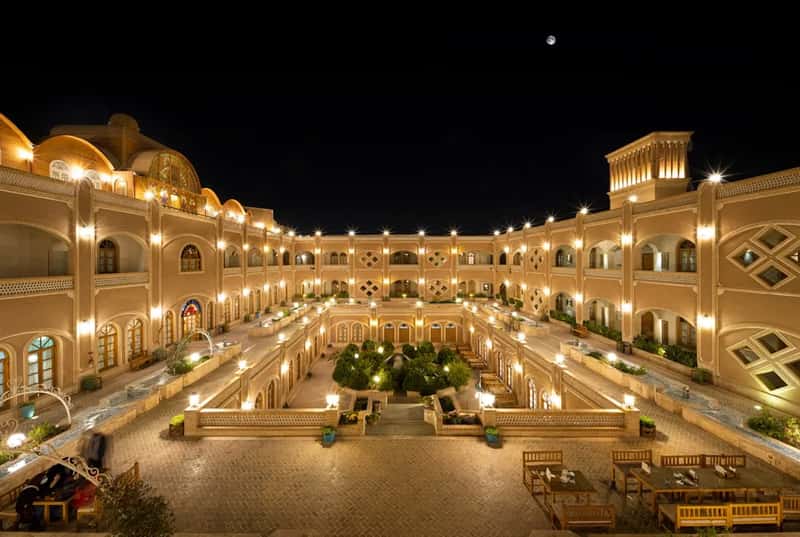
Iran rarely tops anyone’s list of easy travel destinations given the political headlines, yet nearly every traveler who actually goes comes back with the same story about the people. A common phrase shared by all Iranians about guests is “guest is friend of God.”[7] That saying isn’t decorative. It shapes daily behavior toward foreigners in ways that catch first time visitors off guard.
The clearest example is taarof, a ritual of polite insistence that confuses almost every newcomer at least once. One of the first things travelers notice in Iran is how warmly they’re welcomed, and “taarof,” a Persian tradition of politeness and generosity, runs deep, with strangers sometimes inviting visitors for dinner or refusing payment out of hospitality.[8] Tourism has held up despite regional tensions, with over 7 million tourists visiting the country in 2024.[9]
Ireland: A Hundred Thousand Welcomes, Meant Literally
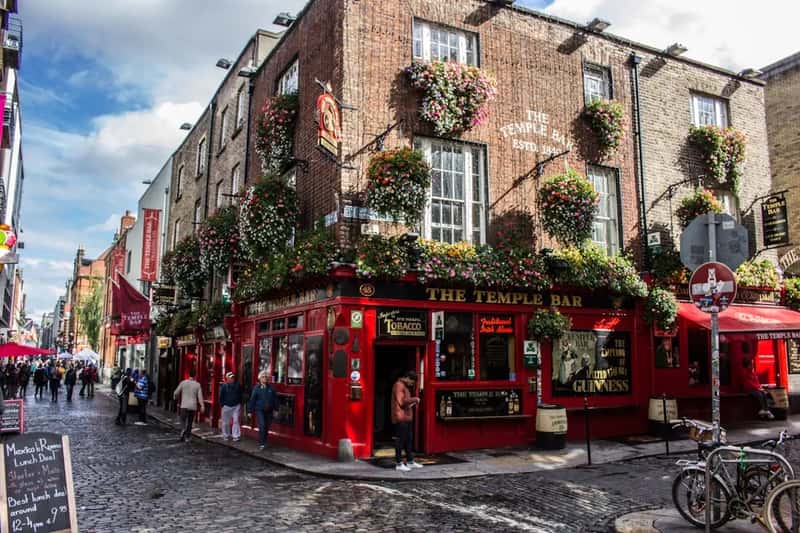
The Irish phrase “Céad Míle Fáilte” translates to “a hundred thousand welcomes,” and it’s not treated as an empty greeting card line. Pubs function less like bars and more like community living rooms, and it’s genuinely common for a bartender to introduce a solo traveler to regulars within minutes of arrival. Conversation with strangers is expected, not intrusive, and locals often go out of their way to point tourists toward places that never make it into guidebooks.
What makes Irish hospitality distinct is how unforced it feels compared to more performative versions elsewhere. Directions frequently turn into a ten minute chat about family, weather, or whatever local news is circulating that week. Visitors staying in small towns outside Dublin or Galway often describe the same thing: within a day or two, they’re greeted by name.
Mongolia: Nomadic Hospitality on the Open Steppe
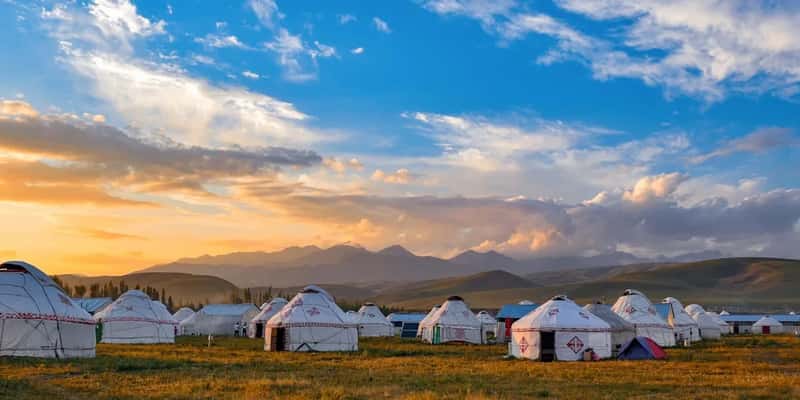
Mongolia’s hospitality traditions come from necessity as much as culture. In a country where distances between settlements can stretch for hours, refusing shelter to a traveler has historically been unthinkable, and that ethic has carried into modern tourism. Families living in traditional gers, the round felt tents used across the steppe, routinely welcome strangers in for fermented mare’s milk, dumplings, and a place by the stove.
This isn’t staged for cameras either. Herding families in remote regions still operate under an old code where turning away a traveler, especially in harsh weather, would be seen as a serious breach of decency. Tourists who venture beyond Ulaanbaatar into the countryside often say the welcome feels less like hospitality and more like being quietly adopted for a night.
Ethiopia: Coffee Ceremonies Built Around Connection
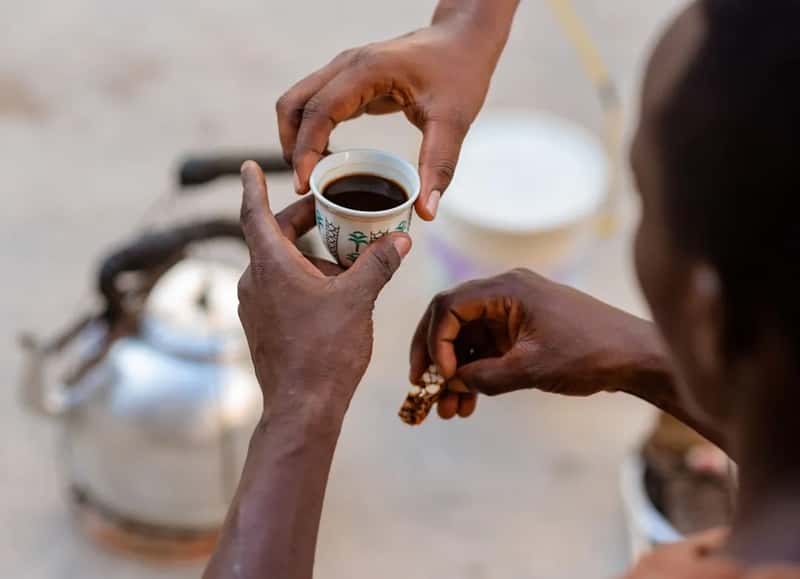
Ethiopia is widely credited as the birthplace of coffee, and the country turned that history into one of the most deliberate hospitality rituals anywhere in the world. The traditional coffee ceremony, known as buna, isn’t a quick transaction but a lengthy, unhurried process involving roasting green beans over a fire, grinding them by hand, and brewing three separate rounds while guests talk and settle in. Being invited into someone’s home for a full ceremony is considered a genuine honor, and visitors are rarely rushed through it.
What stands out to travelers is how the ritual centers the guest rather than the host. Conversation is expected to flow freely during all three rounds, and skipping the ceremony or rushing it is considered impolite. In cities like Addis Ababa and smaller towns alike, this practice remains one of the clearest windows into how deeply hospitality is woven into daily Ethiopian life.
None of these countries treat hospitality as a performance staged purely for tourism boards. It grew out of older customs, religious beliefs about guests, survival instincts on harsh terrain, or simple community habits that never got replaced by something colder. What ties them together is that the welcome tends to feel the same whether you’re a paying guest at a resort or a stranger who just wandered off the main road.