
Booking a flight is usually a matter of choice and a working credit card. For millions of women around the world, though, it also depends on the approval of a father, husband, or brother. These male guardianship systems, some written into law and others enforced through unofficial policy, still shape whether a woman can leave her own country in 2026.
The reasons behind these rules vary from religious interpretation to family law traditions that predate modern nationhood. What they share is a simple outcome: a woman’s passport, or her ability to use it, can depend on someone else’s signature.
1. Afghanistan
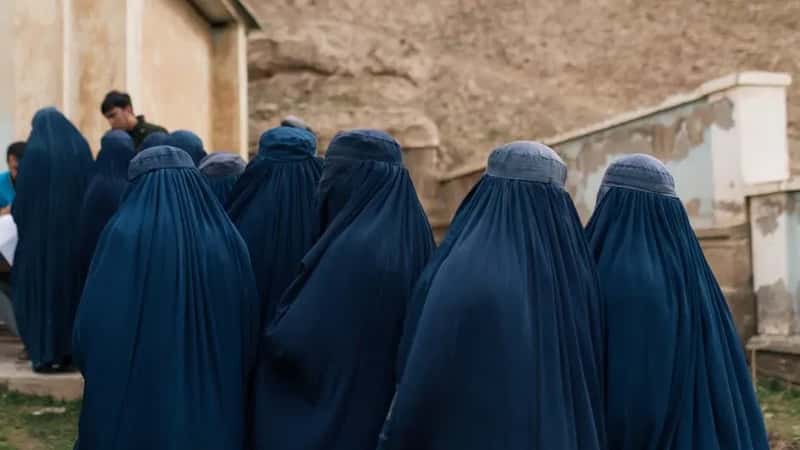
Afghanistan currently presents the most severe restrictions on women’s movement anywhere in the world, though the rules come from Taliban policy rather than a formal guardianship statute. Afghanistan stood as the most extreme example of women’s travel restrictions in 2025, when the Taliban announced a promotion of virtue and prevention of vice law that barred women from traveling or using public transportation without a male guardian. The rules extend well beyond international travel.
Women are mandated to wear face coverings in public and barred from travelling more than 70 kilometres without a close male relative. There are no official laws about male guardianship in Afghanistan, but the Taliban have said women cannot move around or travel a certain distance without a man who is related to her by blood or marriage. Women without a mahram face the harshest consequences, sometimes losing access to basic services altogether.
2. Yemen
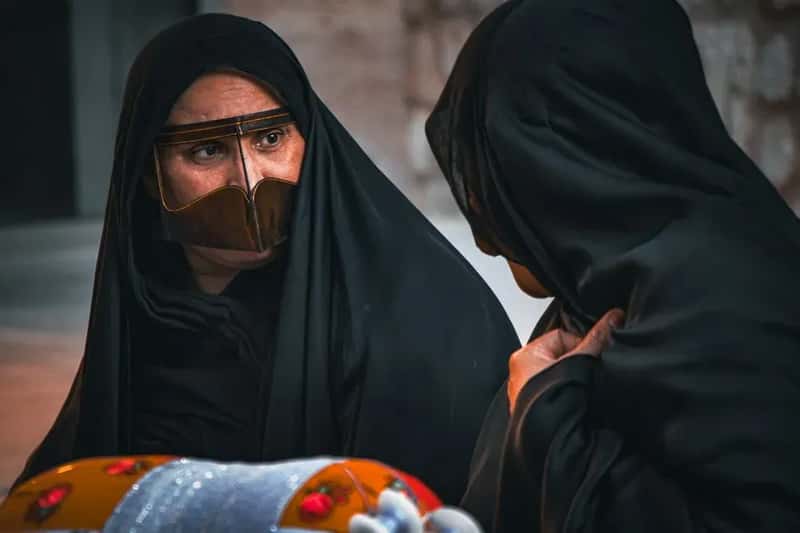
Yemen’s guardianship rules are not written into a single national law, but they function like one in practice. Yemen requires as a matter of policy, but not law, that women of all ages need to show permission from their male guardian in order to obtain a passport. The situation is complicated further by the country’s ongoing conflict, which has split authority among competing groups.
Parties to the conflict in Yemen, including the Houthis, the Yemeni government, and the Southern Transitional Council, are systematically violating women’s right to freedom of movement by barring women from traveling between governorates and, in some cases, from traveling abroad without a male guardian’s permission or being accompanied by an immediate male relative. In areas under Houthi control, enforcement has grown stricter rather than looser in recent years, with aid workers among those affected.
3. Iran
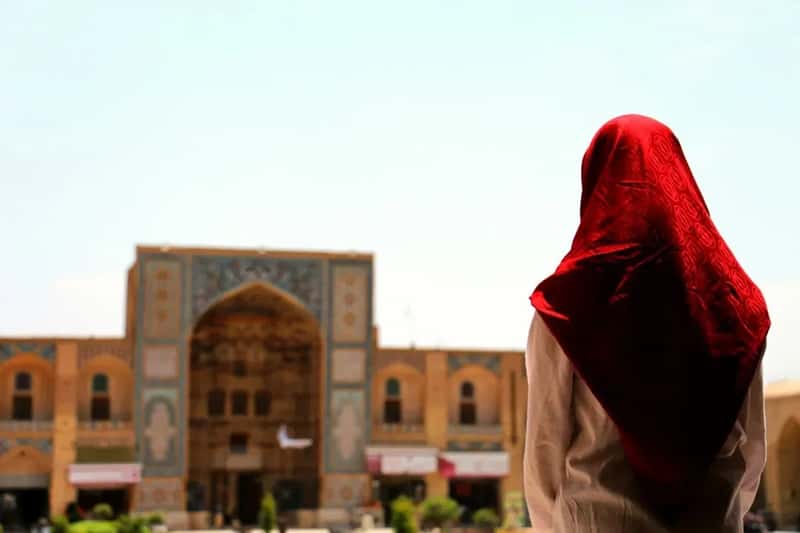
Iran’s system draws a clear line based on marital status. Married women cannot obtain a passport or leave the country without written permission from their husbands. The restriction doesn’t apply to single women or widows, which creates a strange disparity, since a woman can travel freely until she gets married, at which point her mobility becomes subject to her husband’s approval.
The power this gives men has been used well beyond ordinary travel planning. Even if a husband grants such permission, he can always change his mind and notify the government to prevent her from traveling abroad, and women have reported how men abuse this power including as retaliation or a bargaining tool during marriage or divorce. Some couples now try to negotiate unrestricted travel rights directly into the marriage contract, though even that safeguard does not always hold up in practice.
4. Qatar

Qatar ties its travel restriction to age rather than marital status. Interior ministry rules require unmarried Qatari women under 25 to show male guardian permission to travel abroad while Qatari men can travel without such permission from age 18. The rule is administrative policy rather than codified law, but it is applied consistently at airports.
Enforcement can be jarring even for women who assume they have already cleared the bar. In September 2020, airport officials in Qatar stopped a 30-year-old mother of five children, demanding to contact her male guardian to confirm she had obtained his permission to travel, and when she said her husband had dropped her at the airport, officials insisted they had to call her father. Male guardians in Qatar also retain the power to block a woman’s travel through the courts, adding another layer of control beyond the airport counter.
5. Saudi Arabia

Saudi Arabia has moved further than most of its neighbors, but the reforms are not complete. Since 2019, only those under 21, both male and female, require guardian permission for a passport, removing the requirement that women over 21 need such permission. That change followed years of activism and international pressure.
Gaps remain for younger women and for those whose families choose not to recognize the new rules. Females and minors may still require a male guardian’s permission to leave the country, and married women, including non-Saudis, require their husband’s permission to depart, while unmarried women and children require the permission of their father or male guardian. Analysts tracking the kingdom’s Vision 2030 reforms note that Saudi Arabia has rolled back many visible elements of its male guardianship system by 2025, though significant legal and practical remnants persist, especially in family law and judicial discretion.
6. Sudan
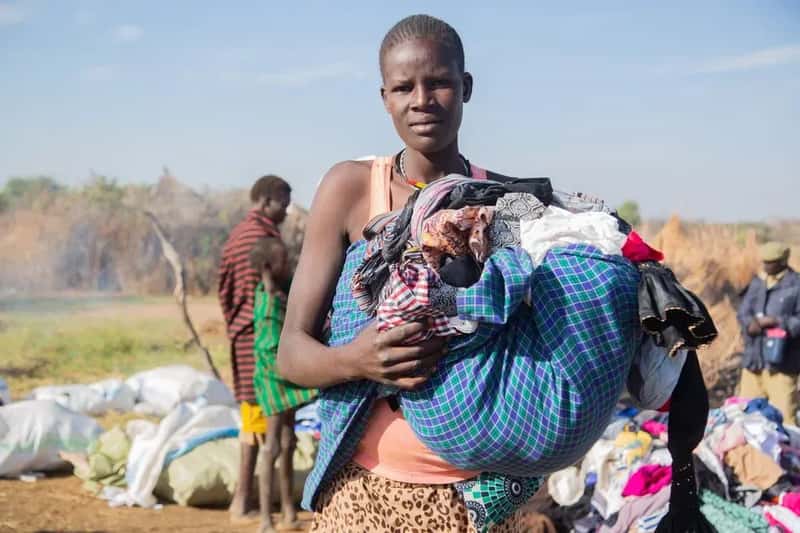
Sudan’s guardianship system has proven resistant to change even after the political upheaval of recent years. Sudan operates under a male guardianship system that affects women’s ability to travel internationally, and women in Sudan technically need permission from male guardians to obtain passports and travel abroad. Enforcement is uneven, shifting depending on region and which local officials are involved.
Reform has been slow and partial. The transitional government that took power after Bashir’s ouster promised reforms, including changes to discriminatory laws against women, and some progress has been made, such as abolishing the public order law that restricted women’s dress and behavior. Women’s rights groups in the country continue to argue that guardianship rules affecting travel need a full legal overhaul rather than incremental fixes.
7. Kuwait

Kuwait allowed women to travel independently earlier than several of its neighbors, but the practical experience does not always match the law on paper. The country has made progress in some areas, as Kuwaiti women gained the right to travel without a guardian’s permission in 2009, though implementation remains inconsistent and women still face challenges when trying to exercise these rights. Much of the friction comes from family law provisions that sit alongside the travel rules.
Kuwait is also one of the few countries where a guardian’s complaint alone can trigger state action against a woman. In Jordan, Kuwait, Qatar, and Saudi Arabia, male guardians and other family members can also report women to the police for being absent from their homes, which can lead to their arrest and forcible return home or administrative detention. That mechanism means a woman can be legally free to travel and still face real consequences at home for having done so.
These seven cases sit on a spectrum rather than forming one uniform system. Some, like Iran’s spousal permission requirement, are written directly into law. Others, like Qatar’s age-based rule or Kuwait’s uneven enforcement, operate through ministry policy and family pressure rather than a single clear statute. Afghanistan sits apart entirely, with no formal guardianship law but a lived reality that is arguably the strictest of all. What connects them is the basic fact that a woman’s ability to cross her own country’s border still depends, in some form, on a man’s approval.