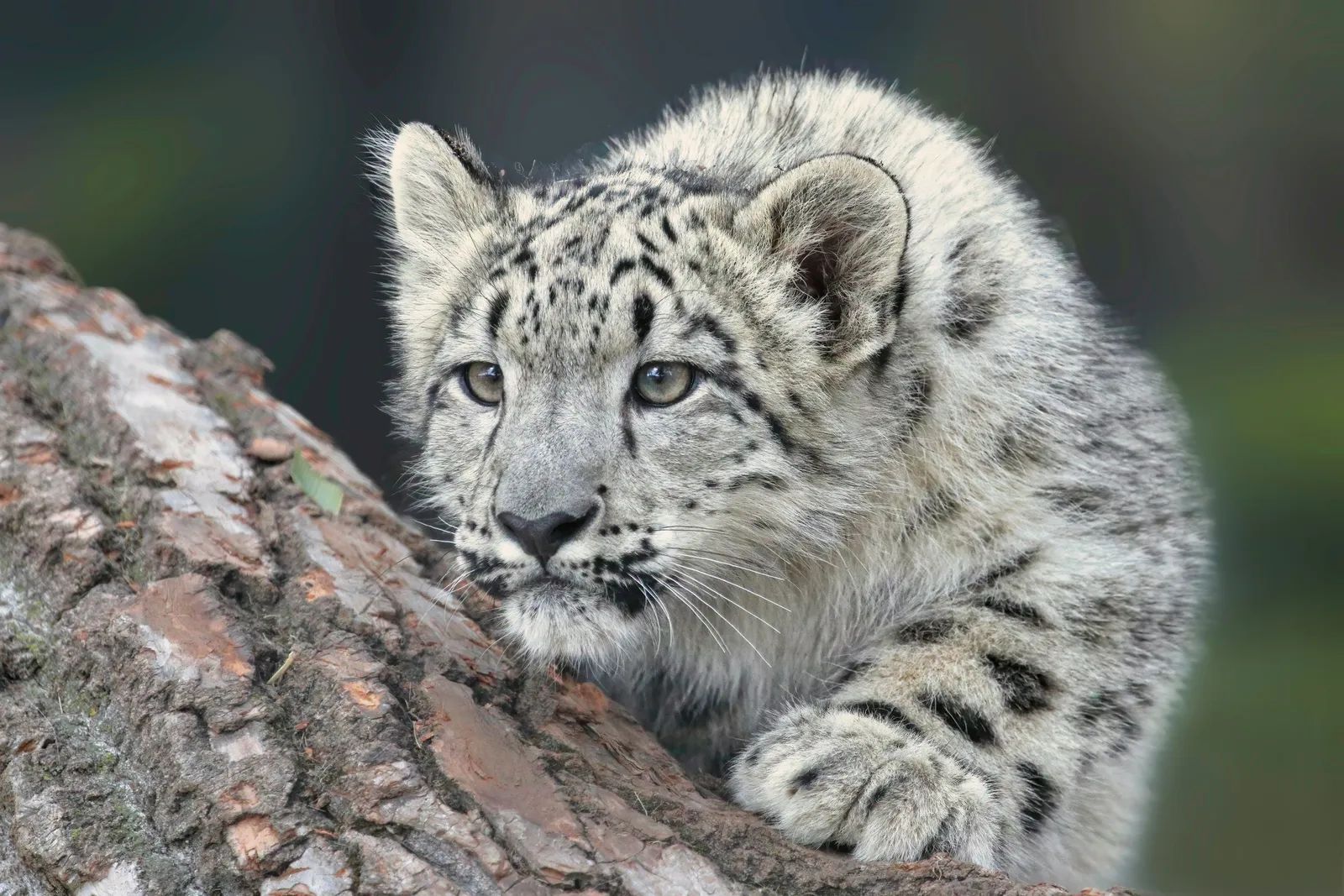
Nepal – Researchers examining camera trap images collected during a national tiger survey have gained new glimpses into the lives of two smaller, often overlooked wild cats that share the same forests. The work, presented at The Wildlife Society’s 2026 Annual Conference, shows how efforts focused on one species can quietly illuminate others that receive far less attention. Both jungle cats and leopard cats appear more widespread in the study area than previously documented, though their precise roles in the landscape remain only partly understood.
Why Smaller Cats Matter in Nepal’s Forests
Large carnivores such as tigers draw the bulk of monitoring resources, yet the ecosystems they inhabit support a wider community of felines. Jungle cats and leopard cats occupy overlapping ranges but occupy different niches, and both prey primarily on rodents that become active after dark. Their presence helps regulate small-mammal populations, which in turn influences vegetation and disease dynamics. Because these cats are nocturnal and naturally wary, dedicated studies of them have been limited, leaving basic questions about distribution and habitat use unanswered in many parts of the country.
Camera Traps Set for Tigers Capture Unexpected Data
In 2022, Nepal’s Department of National Parks and Wildlife Conservation and the National Trust for Nature Conservation deployed trail cameras across Parsa National Park and surrounding forests southwest of Kathmandu as part of the National Tiger Survey. The devices were positioned to maximize detections of tigers, which meant they were often placed along trails and at heights suited to larger animals. When master’s student Krita K.C. reviewed the resulting photographs for evidence of smaller cats, she recorded leopard cats at 99 camera stations and jungle cats at 94 stations. Both species proved widespread across the park and adjacent woodlands, even though overall detection rates remained low.
Different Habits Emerge From the Same Images
The photographs highlighted subtle differences in how the two cats use the landscape. Jungle cats were frequently photographed near roads, suggesting they travel and hunt along these corridors. Leopard cats, by contrast, appeared more often in areas with denser vegetation and showed some spatial overlap with tigers. K.C. noted that leopard cats also scavenge tiger kills on occasion. These patterns emerged despite the cameras not being optimized for either smaller species, underscoring both the value and the limitations of repurposed survey data.
| Aspect | Jungle Cat | Leopard Cat |
|---|---|---|
| Preferred location in images | Near roads | Denser vegetation |
| Association with tigers | Limited overlap noted | Some spatial overlap; scavenges kills |
| National status in Nepal | Least concern globally | Vulnerable |
Next Steps for Better Understanding
K.C. emphasized that future work would benefit from camera placements tailored specifically to these smaller cats, including stations set lower to the ground and in locations chosen for their habits rather than those of tigers. Additional surveys in buffer zones and ecological corridors could clarify how the animals move between protected areas and human-dominated landscapes. Such targeted efforts would help fill remaining gaps in knowledge about distribution, movement, and potential threats. The findings presented at the conference illustrate how existing monitoring programs can be leveraged to build a more complete picture of Nepal’s felid community without requiring entirely new field campaigns from scratch.