

Becoming a mother should never feel like a gamble, yet where a woman lives still shapes her odds of surviving childbirth more than almost any other factor. Across the globe, the gap between the safest maternity wards and the most dangerous delivery rooms has widened rather than closed in recent years, and the numbers behind that gap tell a story that rarely makes headlines. Looking at the latest global health data reveals just how uneven progress toward safer childbirth has become, with some nations approaching near zero risk while others still lose mothers at rates that would have been considered a crisis a century ago.
Belarus: Eastern Europe’s quiet success story
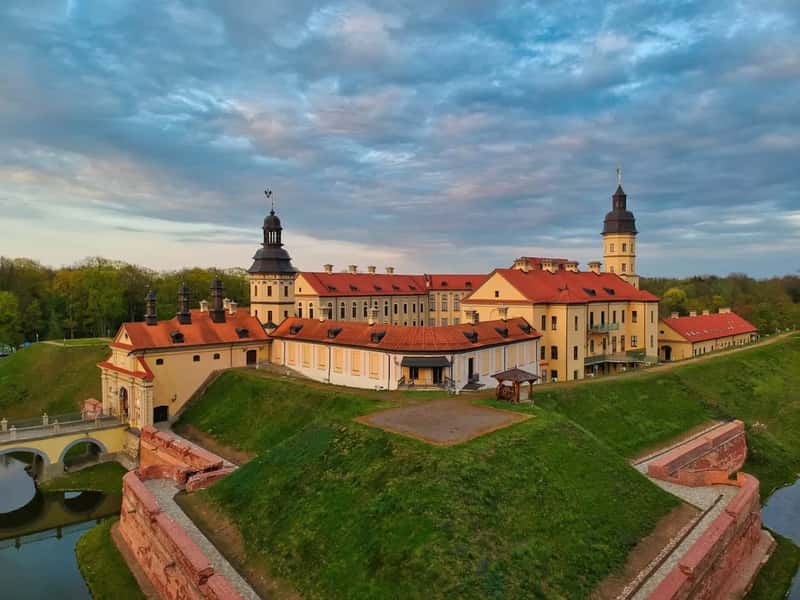
Belarus rarely gets mentioned in conversations about world class healthcare, yet its maternal mortality figures put it among the safest places on earth to give birth. Belarus, Poland, and Norway all report fewer than two deaths per 100,000 live births. That places the country in the same tier as some of the wealthiest nations in the world, despite Belarus not typically being associated with cutting edge medicine.
The consistency of prenatal screening programs and a dense network of regional maternity hospitals appear to be central to this outcome. Universal access to antenatal checkups, combined with a health system that still prioritizes hospital based delivery over home birth, has kept the rate remarkably low for years. It is a reminder that safety in childbirth does not always track neatly with a country’s overall wealth or global reputation.
Poland: Steady progress through structured prenatal care

Poland sits right alongside Belarus and Norway at the top of the safety rankings. Finland, Iceland, Poland and Greece report the lowest maternal mortality rates among nations tracked in recent comparative studies. The country’s investment in standardized prenatal visit schedules, paired with a national push to reduce unnecessary interventions during delivery, has paid off steadily over the past decade.
What makes Poland’s case interesting is how it achieved this without the enormous per capita health spending seen in Western Europe. Regional hospitals are required to follow strict maternal care protocols, and referral systems for high risk pregnancies function efficiently even in rural areas. The result is a maternity outcome record that punches above the country’s overall healthcare budget.
Norway: A benchmark for Nordic maternal health

Norway has long been treated as something of a gold standard in maternal and child health circles, and current figures back that reputation. Belarus, Poland, and Norway all report fewer than two deaths per 100,000 live births, an extraordinarily low figure by any global measure. The Norwegian model leans heavily on midwife led care for low risk pregnancies, freeing up obstetricians to focus on complicated cases.
Generous paid parental leave and free universal prenatal care remove much of the financial anxiety that can delay women from seeking timely checkups elsewhere. Norway’s maternal mortality ratio was singled out among the countries with the lowest rates in comparative international research on high income nations. It is a system built less on dramatic medical intervention and more on consistent, well funded routine care.
Spain: Strong outcomes despite a growing population strain

Spain has managed to keep maternal deaths remarkably rare even as its healthcare system absorbs pressure from an aging population and tighter public budgets. The next eight countries, including Seychelles as country #11, have three maternal deaths per 100K births: Spain, Australia, Czechia, Israel, North Macedonia, Malta, Iceland, and Seychelles. That places Spain firmly in the small group of nations where childbirth carries almost negligible mortality risk.
Spanish maternity wards are known for combining a low threshold for cesarean intervention when medically warranted with strong postpartum monitoring protocols. Public hospitals dominate the maternity care landscape, which keeps outcomes relatively uniform across income levels. The country’s experience suggests that a robust public health infrastructure can offset some of the demographic pressures that worry policymakers elsewhere in Europe.
Australia: Distance overcome by coordinated care networks

Australia’s vast geography would seem to work against consistent maternal safety, yet the country has managed to keep its maternal mortality ratio at just three deaths per 100,000 live births. The next eight countries, including Seychelles as country #11, have three maternal deaths per 100K births: Spain, Australia, Czechia, Israel, North Macedonia, Malta, Iceland, and Seychelles. Regional evacuation systems and telehealth consultations help bridge the gap for women living far from major hospitals.
Government funded midwifery programs extend into remote and Indigenous communities, though disparities in outcomes for Indigenous Australian mothers remain a documented and ongoing concern within the broader national picture. Even so, the overall national average places Australia comfortably among the safest countries worldwide. The system reflects a deliberate policy choice to invest heavily in rural obstetric access rather than concentrating resources only in major cities.
Czechia: Central Europe’s low risk delivery rooms

Czechia rounds out the group of nations reporting just three maternal deaths per 100,000 live births, a figure that places it firmly among the safest places to deliver a child. The next eight countries, including Seychelles as country #11, have three maternal deaths per 100K births: Spain, Australia, Czechia, Israel, North Macedonia, Malta, Iceland, and Seychelles. The Czech maternity system relies on a dense hospital network that keeps travel times to specialist care short even outside Prague.
Mandatory prenatal screening at multiple stages of pregnancy has become standard practice, catching complications like preeclampsia and gestational diabetes before they escalate. Public insurance covers essentially all maternity related costs, removing a barrier that still complicates access in less centralized systems. The country’s steady performance over the past several years suggests this is not a temporary statistical blip but a durable feature of its health infrastructure.
Iceland: Small population, outsized safety record

Iceland’s tiny population sometimes makes its health statistics look almost too good to be true, but the underlying care model is genuinely different from many larger nations. The next eight countries, including Seychelles as country #11, have three maternal deaths per 100K births: Spain, Australia, Czechia, Israel, North Macedonia, Malta, Iceland, and Seychelles. A single, tightly coordinated national health system means there is little room for the regional inconsistencies that plague larger, more fragmented countries.
Midwives handle the vast majority of low risk births in Iceland, with obstetricians stepping in only when a pregnancy is flagged as higher risk. The small scale of the population actually works in the health system’s favor, allowing near universal follow up and almost no gaps in postpartum monitoring. It is a useful case study in how a well organized small system can rival, or even outperform, much larger and wealthier health infrastructures.
South Sudan: The world’s most dangerous place to give birth
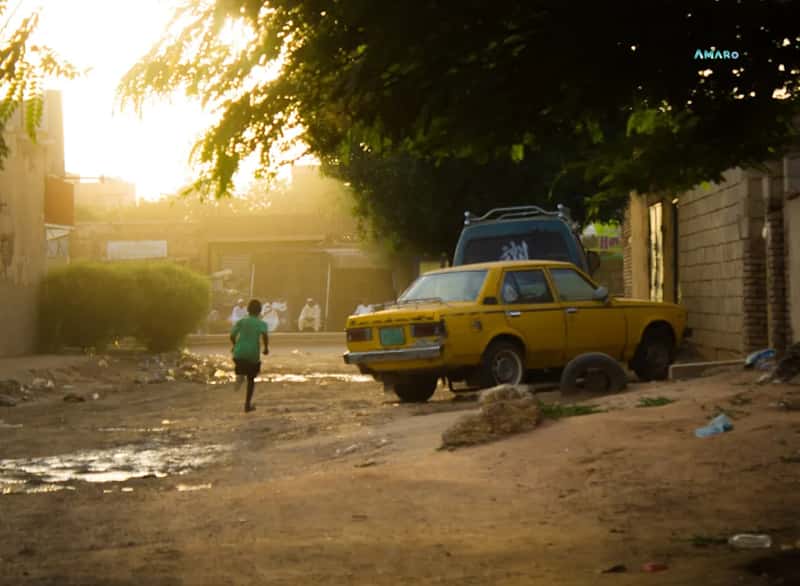
At the opposite end of the spectrum sits South Sudan, where the maternal mortality ratio remains the highest recorded anywhere on earth. The country with the highest maternal mortality rate is South Sudan where 1,223 out of 100 thousand women giving births die. That figure means roughly one in every eighty births carries a fatal risk for the mother, a statistic almost impossible to imagine in wealthier regions.
In South Sudan, most women give birth at home without skilled help, and when complications strike, there’s often no hospital or transport available. Poverty and conflict make it even harder to reach care, turning many preventable problems into tragedies. Ongoing instability has repeatedly disrupted efforts by international health organizations to build lasting maternal care infrastructure in the country.
Chad: Conflict and geography compound the danger
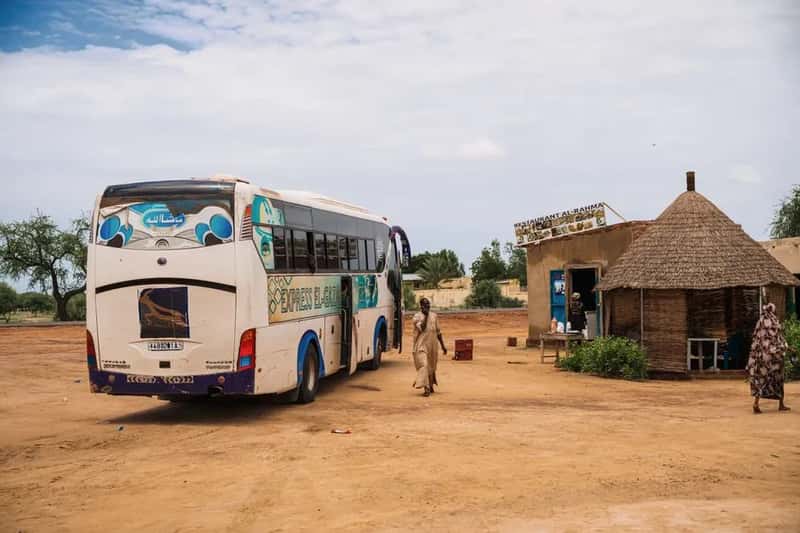
Chad ranks as the second most dangerous country for childbirth, with a maternal mortality ratio that remains staggeringly high. Chad is second with 1,063 maternal deaths per 100K. The country’s vast, sparsely populated desert terrain makes reaching emergency obstetric care nearly impossible for many rural families.
These countries all face the same underlying challenges as South Sudan – fragile health systems, poverty, and in many cases conflict. And together they leave mothers without the skilled care and emergency services that could save their lives. Skilled birth attendance remains rare outside the capital, N’Djamena, leaving most rural deliveries entirely unsupervised by trained medical staff.
Nigeria: A large population magnifies a persistent crisis

Nigeria’s sheer population size means its maternal mortality numbers translate into an enormous absolute death toll each year. Nigeria is third with 1,047 per 100K. Given that Nigeria is Africa’s most populous nation, this ratio results in tens of thousands of preventable maternal deaths annually.
Regional disparities within the country are stark, with northern states facing far higher risks than urban centers like Lagos. Limited access to blood transfusion services during postpartum hemorrhage, one of the leading causes of maternal death, continues to be a critical gap in emergency obstetric care across much of the country. International health agencies have flagged Nigeria repeatedly as a priority for maternal health investment, yet progress has remained slow relative to the scale of the problem.
Central African Republic: Fragile systems, high fatality rates
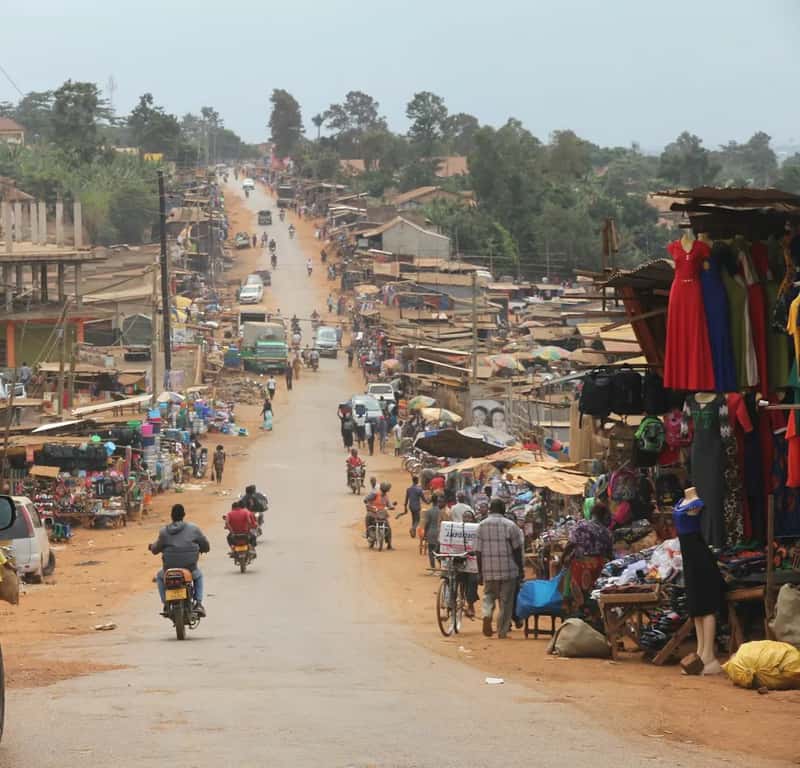
The Central African Republic continues to post one of the highest maternal mortality ratios in the world, a consequence of decades of instability and underinvestment in healthcare infrastructure. Fourth is the Central African Republic at 835 per 100K. The country has few functioning referral hospitals capable of managing obstetric emergencies like eclampsia or obstructed labor.
Years of internal conflict have displaced large portions of the population, further eroding whatever maternal health infrastructure once existed. Skilled birth attendants are scarce outside the capital city of Bangui, and transportation networks needed to reach emergency care in a crisis are often unreliable or nonexistent. The combination of poverty, displacement, and weak institutions creates a particularly difficult environment for safe childbirth.
Guinea-Bissau: West Africa’s ongoing maternal health gap
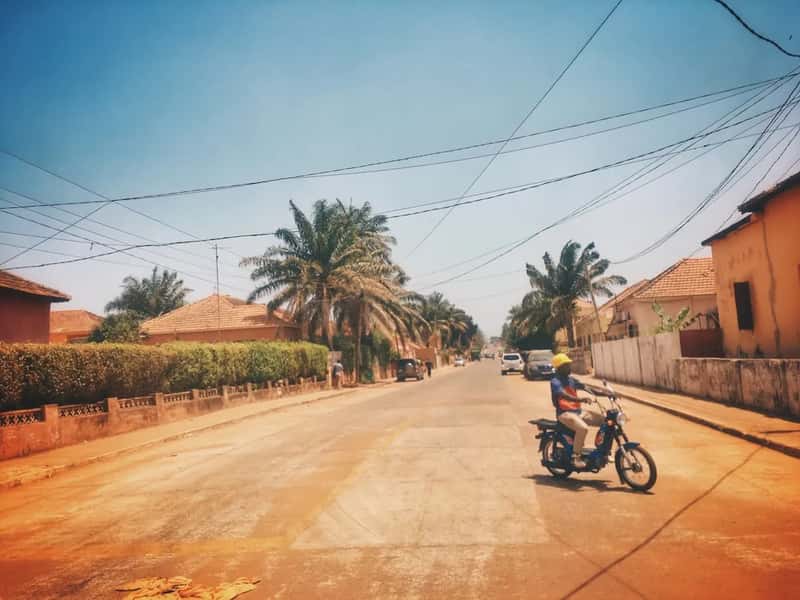
Guinea-Bissau rounds out the top five most dangerous countries for childbirth, reflecting a broader pattern seen across parts of West Africa. The country with the fifth highest rate is Guinea-Bissau with 725 maternal deaths per 100K. Chronic underfunding of the public health system has left many clinics without basic supplies needed for safe deliveries.
Rural communities in Guinea-Bissau often rely on traditional birth attendants who lack training to manage serious complications. Political instability over the years has repeatedly interrupted health sector reforms aimed at expanding access to skilled maternal care. The result is a persistent gap between the country’s stated health policy goals and the reality faced by pregnant women on the ground.
Liberia: Rebuilding maternal care after years of upheaval
Liberia’s maternal mortality ratio remains alarmingly high even as the country works to rebuild health infrastructure damaged by past conflict and disease outbreaks. The next five countries with the highest maternal mortality rates (per 100K) are Liberia (652), Somalia (621), Afghanistan (620), Lesotho (566), and Guinea (553). The Ebola epidemic of the past decade set back maternal health progress by years, disrupting routine antenatal services across the country.
Rural clinics still struggle with staffing shortages, and many pregnant women face long, difficult journeys to reach a hospital equipped for complicated deliveries. International aid organizations continue to support maternal health training programs in Liberia, but the scale of need remains far larger than current resources can address. Progress has been real but slow, leaving the country still firmly in the high risk category.
Somalia and Afghanistan: Conflict as the defining risk factor
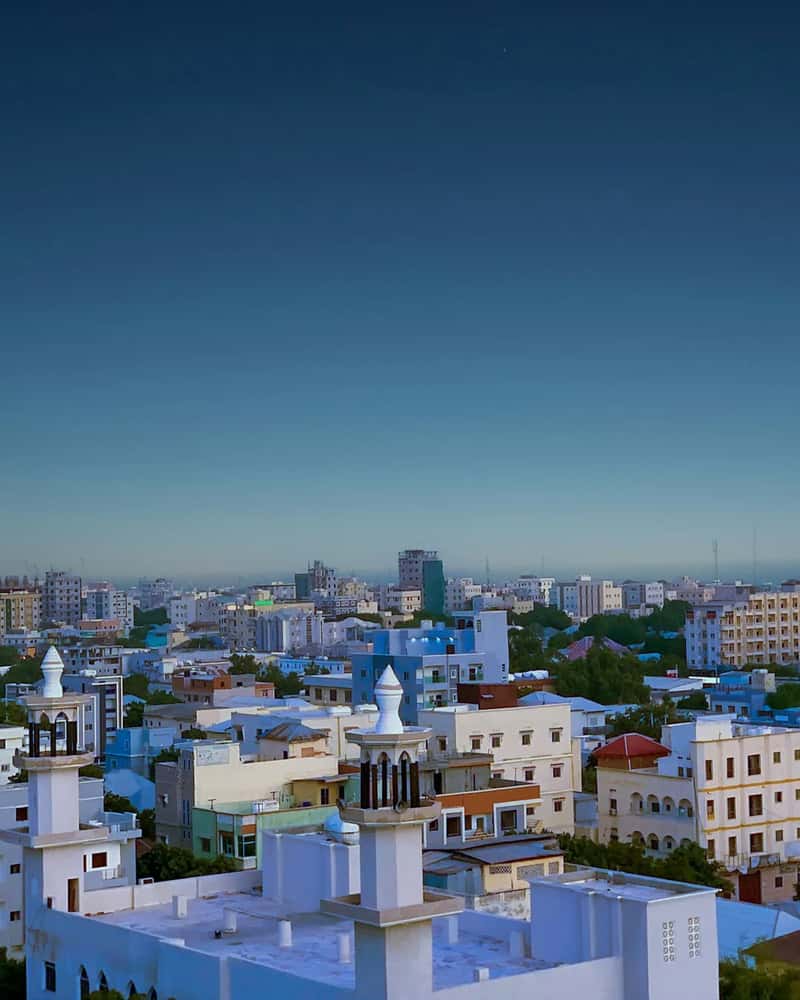
Somalia and Afghanistan both illustrate how prolonged conflict can devastate maternal health outcomes regardless of geography or culture. The next five countries with the highest maternal mortality rates (per 100K) are Liberia (652), Somalia (621), Afghanistan (620), Lesotho (566), and Guinea (553). Both nations have seen decades of instability that have repeatedly destroyed or disrupted health infrastructure needed for safe deliveries.
In Afghanistan, restrictions on female healthcare workers in recent years have added another layer of difficulty for women seeking skilled maternal care. Somalia’s fragile central government has struggled to extend consistent health services beyond a handful of urban areas. Both countries remain heavily dependent on international humanitarian support to maintain even basic maternal health services.
Lesotho: A smaller nation with an outsized maternal health burden

Lesotho, despite its small size, carries one of the highest maternal mortality ratios recorded globally. The next five countries with the highest maternal mortality rates (per 100K) are Liberia (652), Somalia (621), Afghanistan (620), Lesotho (566), and Guinea (553). A high burden of HIV among pregnant women compounds the risks associated with childbirth in the country.
Mountainous terrain makes physical access to hospitals genuinely difficult for many rural families, particularly during the winter months when roads become impassable. Health workforce shortages remain a persistent challenge, with too few trained midwives and obstetricians to cover the country’s needs. Lesotho’s situation underscores how geography and disease burden can combine to create risks that go beyond what healthcare funding alone can quickly fix.
The gap between these two groups of countries is not simply a matter of wealth, though income certainly plays a role. It reflects decades of differing investment in skilled birth attendance, emergency obstetric care, and the basic infrastructure needed to get a woman from her home to a hospital in time. Global health agencies continue to push for the reductions needed to meet international targets, but as the current data shows, the distance between the safest and most dangerous places to give birth remains wide, and closing it will require sustained attention rather than short term fixes.