Turn on a light switch in most wealthy nations and you don’t think twice about it. In a surprising number of countries, though, that simple act has quietly become a marker of class. The grid still exists on paper, sometimes even on paper it looks impressive, but in practice only those who can afford private generators, solar batteries, or premium subscriptions get power that actually stays on.
What follows is a look at seven places where electricity access has split along economic lines, sometimes for decades, sometimes more recently because of war, currency collapse, or aging infrastructure. In each case, the poor cope with candles and dead phones while the wealthy hum along on diesel or rooftop panels.
1. Nigeria
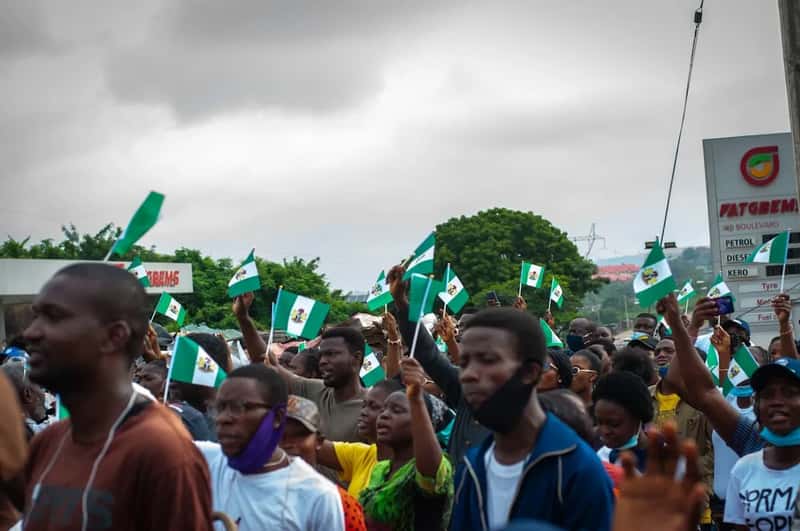
Nigeria’s grid problem is almost legendary at this point. Nigeria’s crisis is not rooted in a lack of energy resources, with installed generation capacity at about 13,000 megawatts, yet peak delivery to the grid in 2025 rarely exceeded 5,500 megawatts, with average daily supply closer to 4,000 megawatts.[1] That gap between what could be produced and what actually reaches homes forces businesses and wealthier households into self-generation on a massive scale.
The cost of that workaround is staggering. In 2023 alone, Nigerians spent an estimated 16 trillion naira on petrol and diesel for self-generation, and the World Bank estimates that unreliable electricity costs Nigeria about 29 billion dollars annually, roughly 2 percent of GDP.[1] Meanwhile, in 2024 more than 250 large firms in Nigeria exited the grid entirely for captive diesel generation, paying well above grid tariff rates, and within the first three months of 2025 regulators issued captive power permits totaling nearly 1 gigawatt.[2] Ordinary households without that kind of capital simply live with the dark.
2. Lebanon
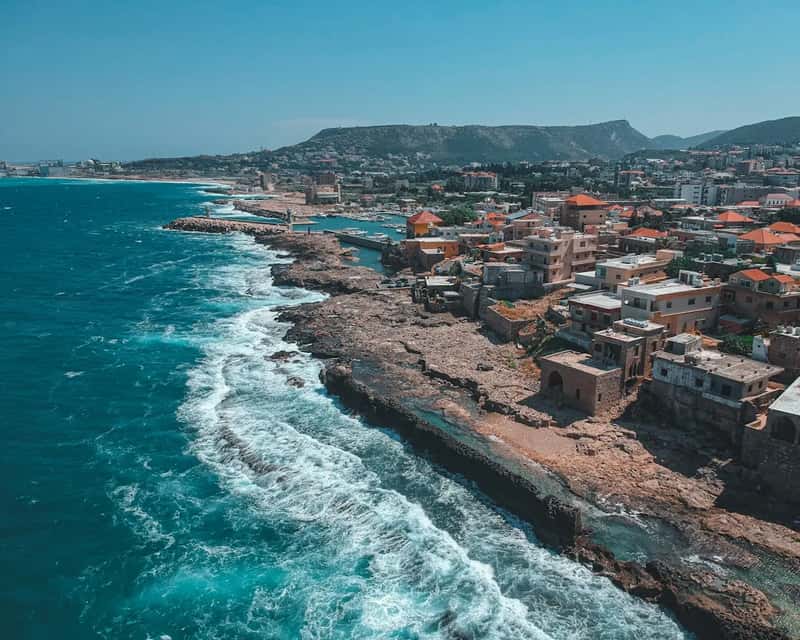
Lebanon may be the clearest example on this list of electricity becoming a luxury good. The public power company, Electricité du Liban, provides a maximum of four hours of electricity per day, depending on where one lives.[3] For everyone else, private diesel generators fill the gap, but at a price that puts round-the-clock power out of reach for most families.
The numbers illustrate the divide starkly. For an extraordinary 320 dollars per month, or just under 4,000 dollars annually, households in central Beirut can access a premium service, sufficient to run two standard AC units simultaneously day and night.[3] Before the country’s economic collapse, the situation was almost reversed, since residents of Beirut once received twenty-one hours of state-provided electricity per day and relied on generators only to fill occasional gaps, but now the state provides less than three hours, forcing people to find alternative sources for the remainder.[4] Today, only the wealthiest actually purchase enough electricity to power their homes twenty-four hours a day, while most make do with much less.[4]
3. Iraq
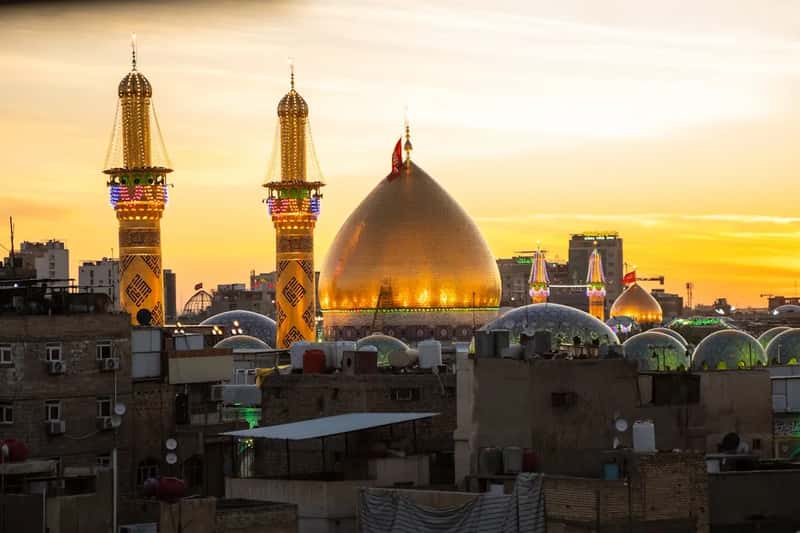
Iraq sits on some of the largest oil reserves on the planet, yet its national grid has struggled for years to keep the lights on for more than a few hours at a stretch, especially during brutal summer heat waves when demand for air conditioning spikes. Baghdad and other cities rely heavily on neighborhood diesel generator operators, often called “ampere” sellers, who sell electricity by the amp to households that can afford a subscription. Families with money buy enough amperage to run refrigerators, fans, and lights around the clock, while poorer households ration their purchase to just a few essential hours a day.
The pattern has repeated for nearly two decades since the aftermath of the 2003 invasion damaged infrastructure that was never fully rebuilt. Government promises of grid upgrades and new power plants surface regularly, but implementation has been slow and plagued by corruption allegations. In the meantime, the informal generator economy has become a parallel utility system, one where price, not proximity to a power line, determines reliability.
4. Venezuela
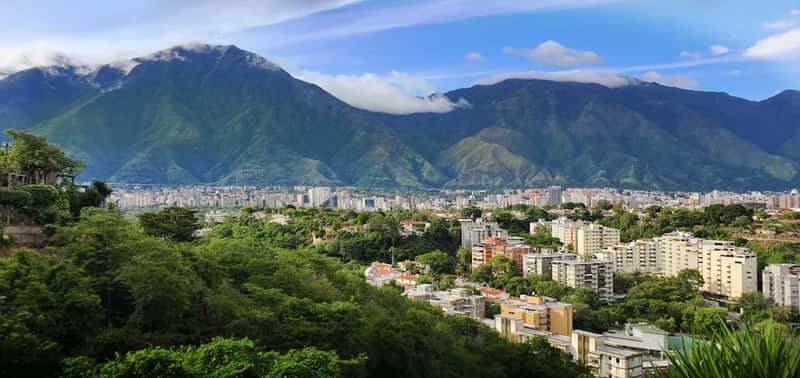
Venezuela’s electricity troubles trace back to a combination of underinvestment, hyperinflation, and the broader economic collapse that has gripped the country for over a decade. Rolling blackouts became routine in cities outside Caracas, and even the capital has seen its share of outages tied to strain on the aging Guri hydroelectric dam, which historically supplied the bulk of the nation’s power. Wealthier Venezuelans and businesses that can afford imported fuel run private generators or have invested in solar setups to keep essential appliances running.
For most Venezuelans, though, a blackout means spoiled food, disrupted work, and children studying by candlelight or phone flashlight. The government has periodically announced modernization plans for the grid, but chronic underfunding and the exodus of skilled engineers during the country’s economic crisis have slowed real progress. The result is a two-tier system where financial means, not geography alone, determines how often the lights actually work.
5. Pakistan
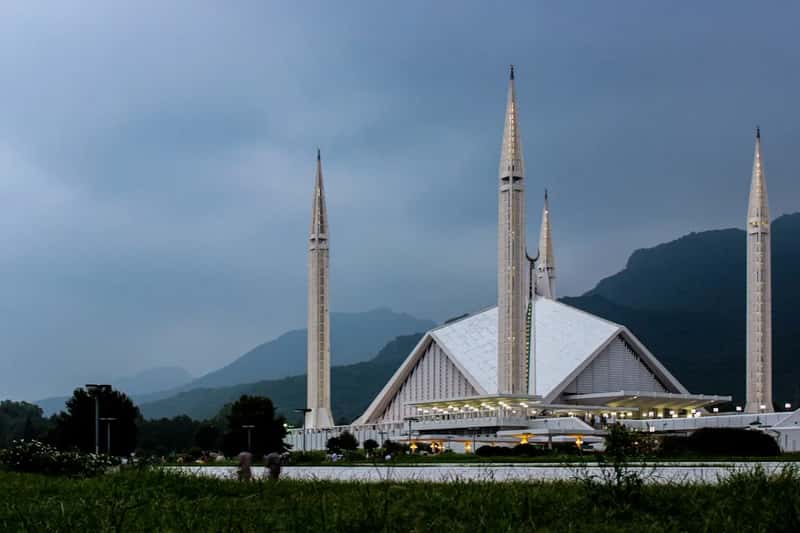
Pakistan’s power sector has long struggled with what locals call load shedding, scheduled and unscheduled outages that can stretch for hours in both cities and rural areas. The country’s circular debt problem, where unpaid bills and subsidies create a chain of financial shortfalls across the energy sector, has made it difficult for utilities to invest in the upgrades needed to keep supply steady. Middle and upper class households have increasingly turned to uninterruptible power supplies, battery backups, and rooftop solar to insulate themselves from the worst of the cuts.
For lower income families, load shedding remains a fact of daily life, particularly during the punishing summer months when temperatures regularly exceed forty degrees Celsius. Small businesses without backup power often shut down during outages, losing income they can rarely afford to lose. Solar panel imports have surged in recent years as prices have fallen, but the upfront cost still puts reliable, self-generated power out of reach for a large share of the population.
6. Zimbabwe
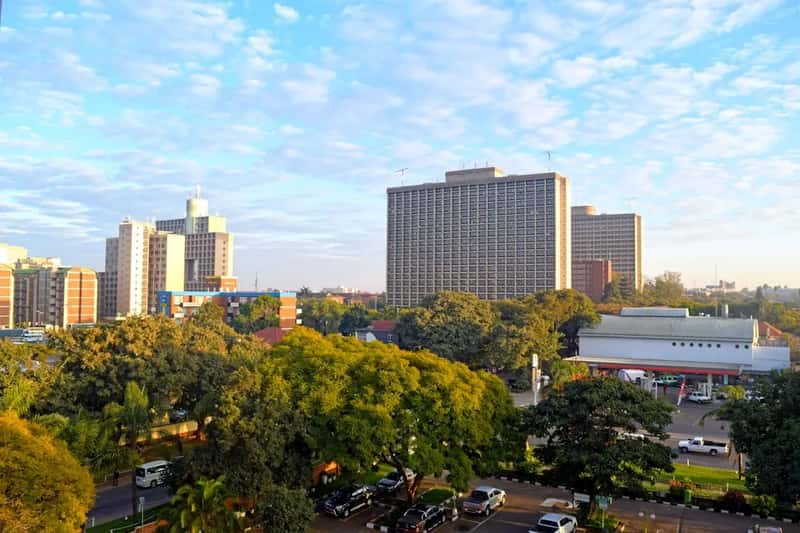
Zimbabwe’s state utility, ZESA, has struggled for years to meet national demand, with outages tied to aging coal plants, low water levels at the Kariba Dam that limit hydroelectric output, and a broader economic crisis that has starved the sector of investment. Load shedding schedules in cities like Harare and Bulawayo can stretch to twelve hours or more a day during dry seasons when hydropower generation falls. As in several other countries on this list, those with disposable income have responded by installing solar systems or running diesel generators, effectively opting out of the public grid whenever it fails.
The divide plays out visibly in residential neighborhoods, where solar panels dot the rooftops of wealthier suburbs while poorer areas endure extended stretches without power. Small and medium businesses that cannot afford backup systems often lose stock, particularly refrigerated goods, during unplanned outages. Zimbabwe’s government has periodically discussed grid modernization and renewable energy expansion, but currency instability and limited foreign investment have kept progress incremental at best.
7. Cuba
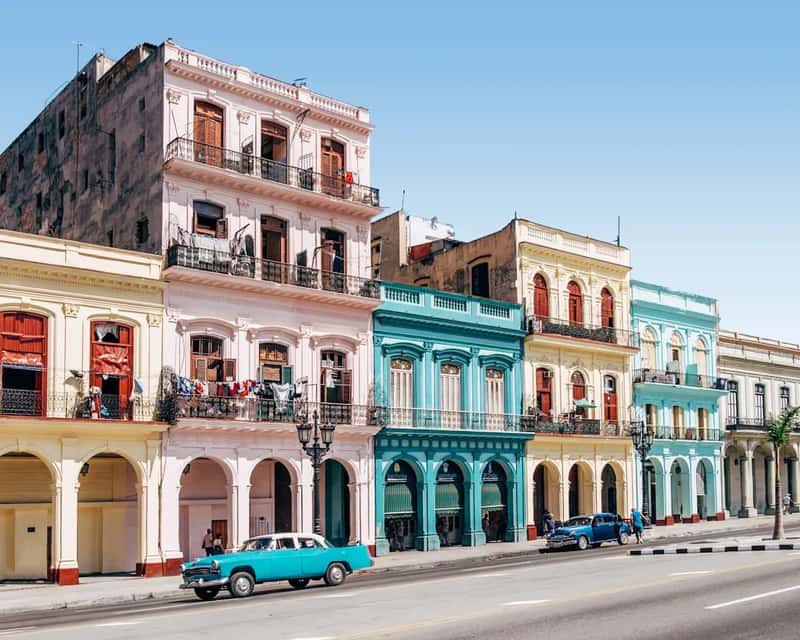
Cuba’s electrical grid entered a period of serious strain starting in 2024, when the country experienced a series of nationwide blackouts tied to fuel shortages, aging thermoelectric plants, and reduced oil shipments from allies. Extended outages became common across the island, with some regions going without power for many hours a day, disrupting everything from hospitals to household refrigeration. Cubans with access to remittances from relatives abroad or connections to the tourism sector have increasingly invested in solar panels, batteries, and small generators to keep their homes running.
For the majority of the population without those resources, blackouts have become an accepted, if exhausting, part of daily routine. The government has announced plans to expand solar capacity as part of a broader energy transition, aiming to reduce dependence on imported fuel over the coming years. Progress has been gradual, and in the meantime the gap between those who can buy their way around outages and those who cannot has only become more visible.
Across all seven countries, the pattern looks remarkably similar even though the underlying causes differ. Wars, currency collapses, aging infrastructure, and chronic underinvestment have each played a role, but the outcome is the same: electricity has stopped being a public good and started behaving more like a private purchase. For millions of people, the difference between a cool room and a hot one, a working fridge and spoiled food, or a lit classroom and a dark one, comes down to what they can afford to pay someone else to generate.