Travelers packing for an international trip often assume they’ll need to swap every last dollar for local bills before they land. In a surprising number of places, though, that step turns out to be optional. Across parts of Latin America, Africa, and the Middle East, the greenback slides into daily transactions almost as easily as it does at a corner store in Ohio, even when it holds no official legal status whatsoever.
The reasons vary from country to country: tourism dependence, currency instability, historical ties, or simple convenience for both merchants and visitors. What follows is a look at seven places where dollars in your wallet will get you further than you might expect, without ever being the government’s chosen currency.
1. Zimbabwe
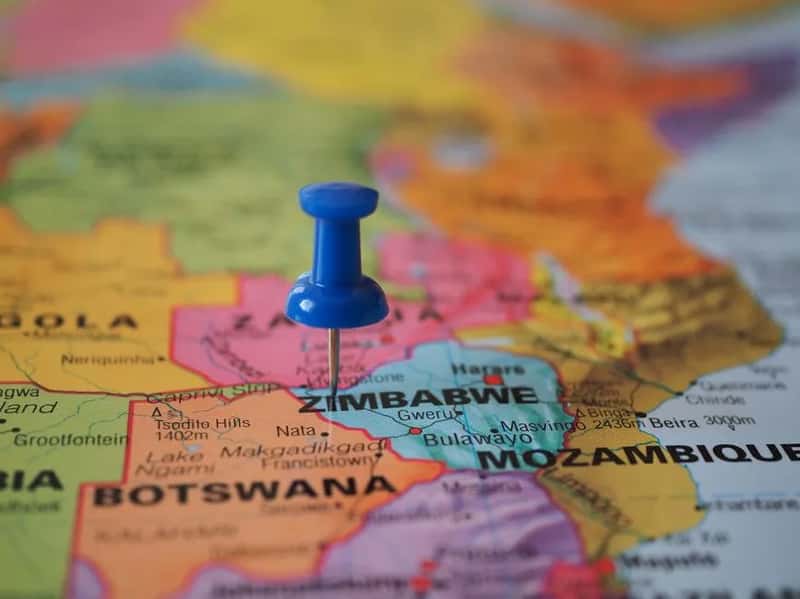
Zimbabwe’s relationship with the U.S. dollar is one of the more dramatic currency stories of the past two decades. Zimbabwe’s economy has mostly run on the US dollar since 2009 and the government wants to return to a local currency so the central bank can gain full control of currency supply. In April 2024 the country introduced the ZiG, a gold-backed currency meant to finally replace foreign cash in everyday commerce.
Despite that effort, dollars remain the preferred choice on the ground. USD is king, and bringing clean US dollar bills is the easiest experience, since the ZiG exists but USD is preferred everywhere. Officials had originally hoped to fully de-dollarize by 2026, but that target has since been moved to 2030, a sign of just how entrenched the dollar habit has become among ordinary Zimbabweans.
2. Cambodia
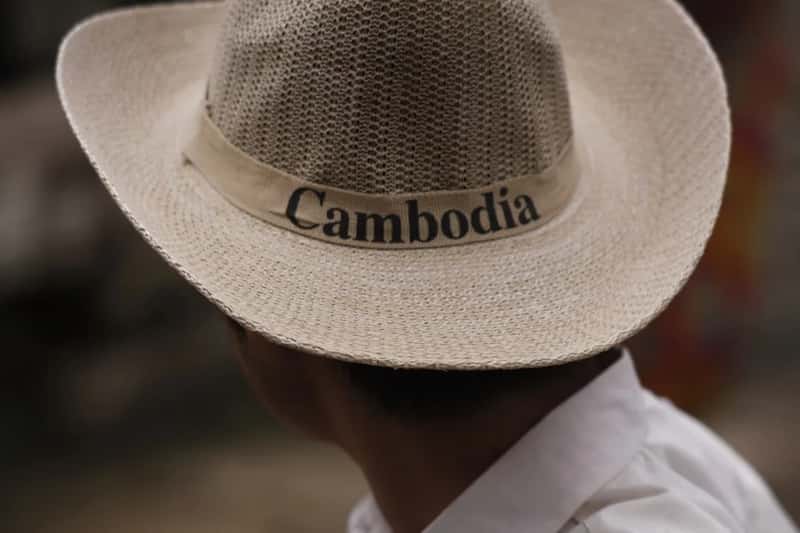
Cambodia stands out as one of the most dollar-friendly economies in Southeast Asia. Cambodia uses the US dollar alongside the Cambodian Riel, and the US dollar is widely used for transactions including commerce and salaries. Locals often quote larger prices in dollars while reserving the riel for small change and minor purchases.
This dual system means visitors rarely need to worry about exchanging money the moment they land. Riel typically shows up only when paying for street food, tuk-tuk rides, or other small-ticket items. For anything involving hotels, tours, or bigger purchases, dollars remain the default.
3. The Bahamas
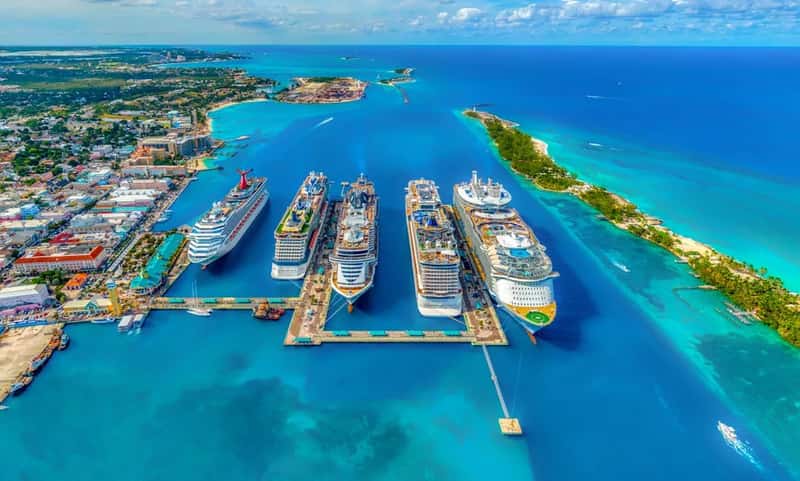
The Bahamas keeps its own currency, the Bahamian dollar, but treats it as functionally interchangeable with the U.S. dollar. The Bahamas uses the US dollar alongside the Bahamian dollar, and the US dollar is widely accepted and often used interchangeably with the Bahamian dollar at a 1:1 exchange rate. That fixed peg has held for decades, which removes much of the guesswork travelers usually face with currency conversion.
Shops, restaurants, and hotels across Nassau and the outer islands routinely price items in either currency without hesitation. Change might come back in a mix of both, and nobody blinks. For American visitors especially, it can feel less like a foreign transaction and more like paying with familiar bills that happen to say “Bahamas” on them.
4. Belize
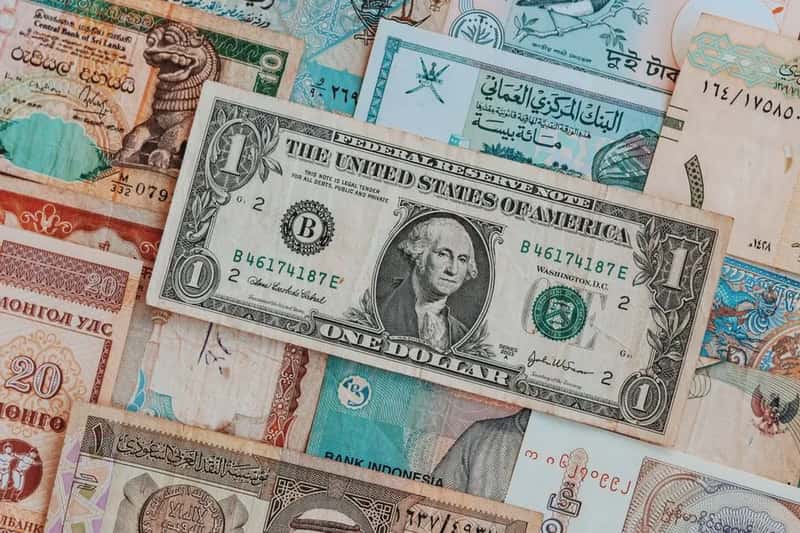
Belize runs a similarly tight peg between its own dollar and the American one. Belize uses the US dollar alongside the Belize dollar, and the US dollar is widely accepted, especially in tourist areas, at a fixed exchange rate of two Belize dollars to one US dollar. That two-to-one ratio is simple enough that most vendors calculate it in their heads without a second thought.
Tourism drives much of Belize’s economy, from diving trips along the barrier reef to jungle lodges near ancient Maya ruins, and dollar acceptance follows that traffic closely. Away from resort areas, transactions tend to shift more toward the Belize dollar, though even then, U.S. bills rarely get turned away outright.
5. Nicaragua
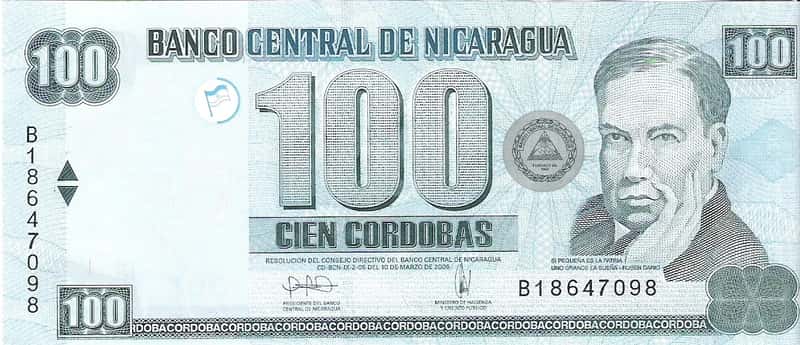
Nicaragua’s official currency is the córdoba, but the dollar has carved out a substantial role in the country’s economy. The cordoba is official, but USD is commonly accepted across the country. This is particularly noticeable in cities with a heavier tourism presence, where hotels, tour operators, and larger retailers often price services directly in dollars.
Smaller markets and local eateries tend to stick with córdobas, so carrying a mix of both currencies makes sense for anyone traveling widely within the country. Exchange rates fluctuate with córdoba inflation, which is part of why dollars hold appeal for both locals and visiting travelers seeking price stability.
6. Costa Rica
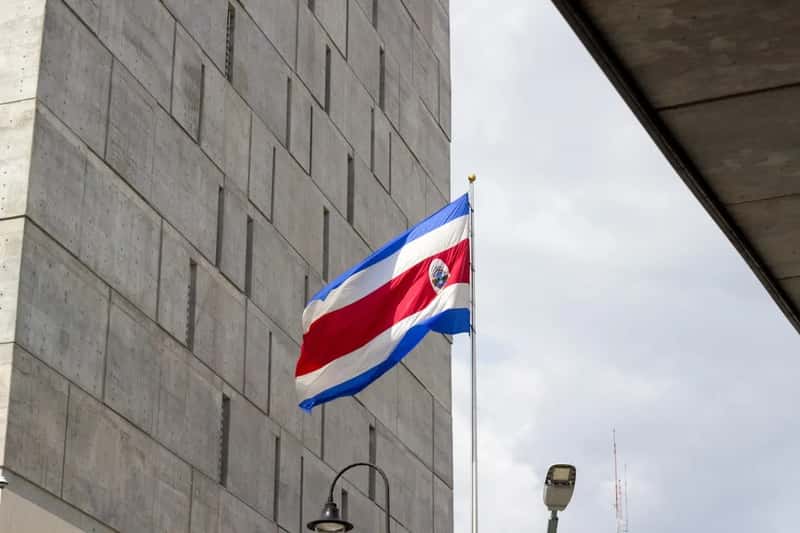
Costa Rica’s colón remains the official currency, yet the dollar shows up constantly in the country’s substantial tourism sector. Hotels, tour operators, and many restaurants quote prices and accept payment in dollars. This pattern has held steady for years, reflecting how deeply tied the national economy is to American visitors and businesses.
Outside tourist hubs like Manuel Antonio or Monteverde, colones still dominate daily life, especially at neighborhood sodas and local markets. Travelers who venture beyond the well-worn tourist trail will find it useful to keep some local currency on hand, even while dollars smooth the way in more visitor-heavy areas.
7. Lebanon
Lebanon’s situation differs sharply from the others on this list, shaped by a severe and prolonged financial crisis rather than tourism convenience. Due to a severe financial collapse, USD has effectively become the currency of daily life. The Lebanese pound lost the vast majority of its value over recent years, pushing residents and businesses toward dollars simply to preserve purchasing power.
Rent, salaries, and even everyday grocery bills are frequently quoted and settled in dollars across much of the country. This shift happened out of economic necessity rather than official policy, making Lebanon a stark example of how quickly a foreign currency can take over when trust in a local one erodes.
Taken together, these seven countries show that dollar acceptance rarely follows a single pattern. Some, like the Bahamas and Belize, lean on formal currency pegs that have lasted for generations. Others, like Zimbabwe and Lebanon, turned to the dollar out of economic crisis rather than choice. Cambodia, Nicaragua, and Costa Rica sit somewhere in between, shaped heavily by tourism and practical convenience rather than formal policy. For travelers, the takeaway is straightforward: a stash of clean, undamaged U.S. bills can still open plenty of doors, even in places where the dollar has no official standing at all.