Ever planned a dream vacation only to find yourself met with cold stares and protest signs? It’s a strange feeling, really. You save up for months, carefully plan your itinerary, and arrive excited to explore a new place. Then you realize the locals would rather you hadn’t come at all. It’s awkward, uncomfortable, and frankly, a bit heartbreaking.
The truth is, something fundamental has shifted in how the world views tourism. What was once celebrated as cultural exchange and economic opportunity has become a source of tension, anger, and even hostility in certain destinations.
Let’s dive in and explore which countries are rolling out the unwelcome mat, and more importantly, why.
Spain: Water Pistols and Protest Banners

In July 2024, thousands marched down Barcelona’s La Rambla carrying signs reading “Tourism kills the city” and “Tourists go home, you are not welcome,” with some demonstrators using water pistols to spray unsuspecting visitors. Think about that for a second. People were so fed up that they literally took to the streets to splash tourists.
Spain has become the epicenter of Europe’s anti-tourism movement, with large-scale protests breaking out in 40 cities and over 150,000 people marching through Madrid alone.
In Barcelona, the city council has taken steps to reduce the number of short-term rental properties, with the aim of eliminating all Airbnb-style accommodation by 2028. That’s not a small change. Rising rents are at the heart of the anti-tourism movement. Popular destinations such as Barcelona, Amsterdam, and Valencia have seen rental prices skyrocket as property owners prioritise short-term rentals for tourists over long-term tenants. Locals are getting priced out of their own neighborhoods, and they’re not staying quiet about it anymore.
Japan: Record Numbers, Rising Frustration

In 2024, the number of international visitors to Japan reached approximately 36.87 million, marking a record high and a 47.1% increase compared to the previous year. For a country that treasures harmony and respect, that’s a lot of bodies moving through ancient temples and narrow streets.
Here’s the thing about Japan. It’s not that they hate tourists. According to a survey examining congestion in residential and workplace areas, 59.7% of respondents reported that living in traditional neighborhoods has become unbearable for locals dealing with constant crowds seeking the perfect Instagram shot. Picture trying to get to work while dodging selfie sticks in your own neighborhood. Day after day.
Koji Muramasa was elected as Kyoto’s new mayor after campaigning against overtourism, in a city with a resident population of about 1.5 million that saw more than 20 times that number – about 32 million – of tourists arriving last year. The voters spoke loud and clear.
Italy: Venice Implements Entry Fees

In April 2024, Venice introduced a €5 fee for day-trippers, with protest groups marching through the narrow streets holding banners like “Welcome to Veniceland” and “No to the ticket.” The city essentially became the first place in the world to charge people just for showing up. Let that sink in.
Venice is drowning, and I don’t just mean from rising sea levels. In Venice, reports indicate that there are now more tourist beds than residents within the city. Think about what that means for a moment. An entire historic city has been turned inside out, where visitors outnumber the people who actually call it home.
Netherlands: Amsterdam’s “Stay Away” Campaign
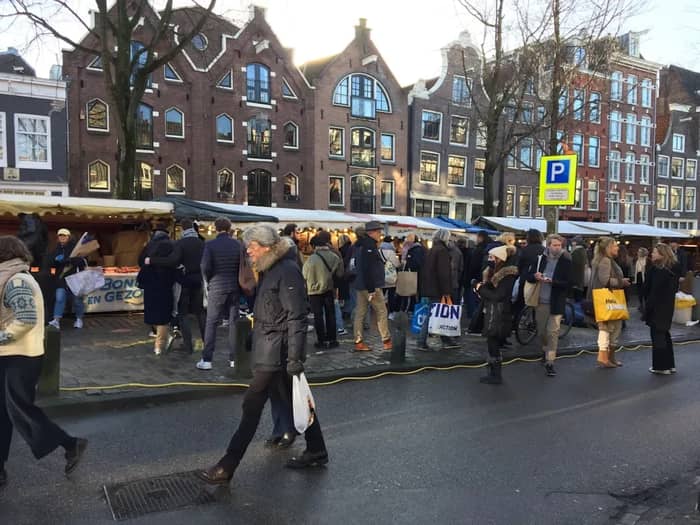
Amsterdam did something pretty bold. Amsterdam instituted a daily tourist tax in 2019, eliminated official tours of the Red Light District in 2020, and launched a “Stay Away” marketing campaign. Most destinations beg people to visit. Amsterdam is literally telling certain tourists to please, just don’t.
The Dutch are traditionally known for their directness, and in 2023, tourism officials in Amsterdam weren’t shy about aiming one particular demographic – young British males – as “nuisance tourists” who are not welcome. That’s incredibly specific targeting. The city has had enough of stag parties trashing the place.
Residents are now taking legal action against the City Council, claiming that the promised cap on overnight tourist stays has been broken. The city had pledged to limit stays to 20 million per year, but in 2023, this number swelled to 22.9 million. When the government breaks its own promises, people take them to court. The frustration has reached legal battlegrounds, not just street protests.
Indonesia: Bali’s Paradise Under Pressure
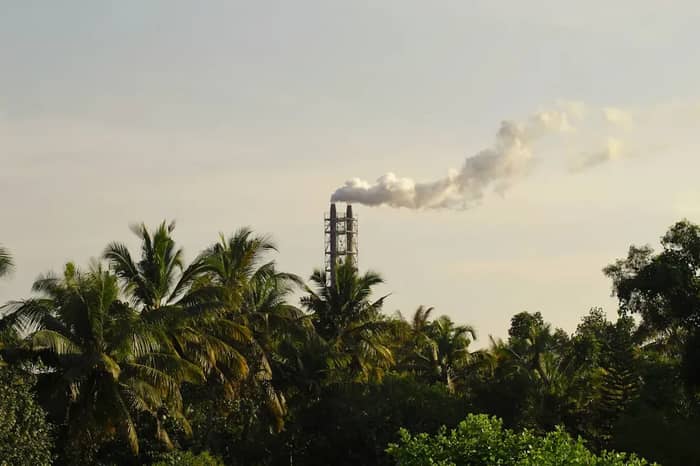
On Bali, the once-idyllic island saw approximately 6 million international visitors in 2024, sparking heavy backlash. Locals and grassroots activists are protesting the disappearance of sacred paddy fields, illegal construction of resorts, and untreated plastic pollution on beaches. The “Island of the Gods” is being buried under development and waste.
The government has responded with a $10 visitor levy, expanded eco-tourism initiatives, and bans on single-use plastics and tourist motorbike rentals. These aren’t just symbolic gestures. They’re attempts to fundamentally reshape how tourism works on the island.
In 2023, the government announced a ban on tourist activities on all 22 of Bali’s sacred mountains. When religious sites become off-limits because visitors can’t behave respectfully, you’re looking at a culture under siege. The Balinese are fighting to preserve something essential before it’s completely commercialized away.
Greece: Islands Overwhelmed
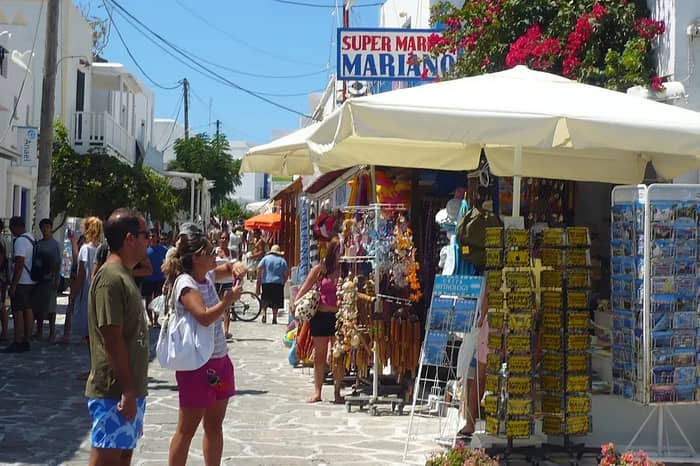
In Greece, residents in Athens and Paros have protested against overtourism, accusing tourists of displacing locals and diluting the city’s character on islands like Santorini and Mykonos. The Greek islands have become victims of their own postcard-perfect beauty.
Santorini faces reports of up to 18,000 cruise passengers overwhelming the island daily, straining resources for its 15,000 residents. Imagine your hometown getting invaded by more than your entire population every single day during summer. Your streets, your beaches, your shops. All crammed.
Residents have staged protests to “send cruise ships home”, while the Greek government has introduced €20-per-cruise-passenger fees, cruise docking limits, and sustainable tourism plans. The fees aren’t about making money. They’re about making a point. The government is finally listening to locals who’ve been shouting for years that this can’t continue.
Iceland: Protecting Fragile Ecosystems

Iceland is one of the most stunning destinations in the world, attracting millions of visitors to its geothermal springs, volcanic landscapes, and unique ecosystems. However, the massive influx of tourists, especially from cruise ships, has begun to take a toll on the country’s fragile environment. When moss that took centuries to grow gets trampled by tourists in minutes, something has to give.
In response, Iceland has introduced a per-passenger, per-day fee, aimed at reducing the impact of tourism on its natural landscapes. The country is small, with a population that barely exceeds a midsize city. Iceland has restricted access to sensitive hiking areas and introduced limits on cruise ship access to some of its most iconic sites.
In Iceland, tourists love to drive through nature. But off-road driving is now banned to protect the land. If you break the rule, the fine can be up to $3,600. That’s not a slap on the wrist. That’s a serious deterrent designed to protect landscapes that are genuinely irreplaceable once damaged.
Conclusion

The message from these seven countries is crystal clear: mass tourism in its current form is unsustainable. Communities are fighting back because their homes have become unlivable, their cultures commodified, and their natural environments destroyed. This isn’t about being inhospitable. It’s about survival.
Travelers need to recognize that showing up isn’t enough anymore. Respectful tourism means staying longer, spending locally, avoiding peak seasons, and genuinely learning about the places you visit rather than just collecting photos. The old model of cheap flights, quick visits, and moving on is dying because it has to.
These destinations still want visitors, just not the kind that leave nothing but trash, crowds, and resentment behind. The question isn’t whether tourism will continue. It’s whether it can evolve into something that actually benefits everyone involved. What do you think about it? Have you ever felt unwelcome while traveling, or noticed locals struggling with overtourism?