
The math of daily spending looks different once you cross a border. A cup of coffee, a taxi ride, a plate of food that would cost ten dollars back home can suddenly cost two or three. That gap between what a dollar buys at home and what it buys abroad has quietly become one of the biggest draws for retirees, remote workers, and anyone rethinking their monthly budget.
Currency strength, local wages, and the price of everyday goods all play into this equation, and the countries that consistently come out ahead tend to share a few traits: low rents, cheap transportation, and food that hasn’t been marked up for tourists. Here are seven places where that stretch is most noticeable right now.
Vietnam
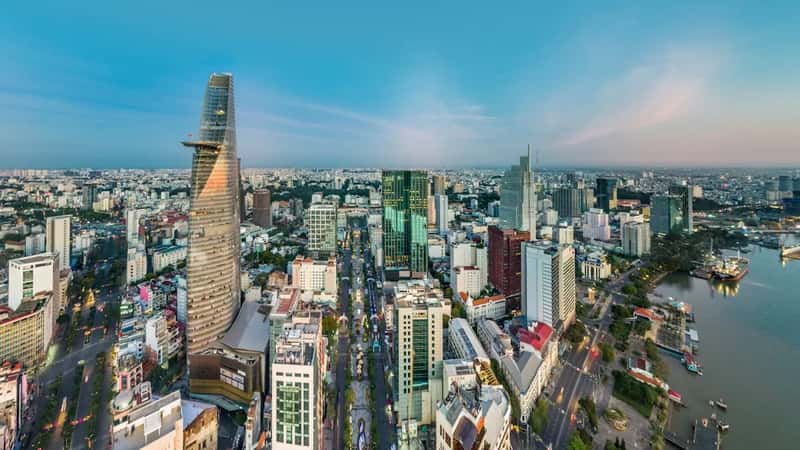
Vietnam has topped affordability rankings for years, and it shows no sign of losing that spot. This captivating Southeast Asian gem has secured first place for the fifth consecutive year. The numbers back up the reputation, too. According to the Expat Insider Survey, 89% of expats reported being satisfied with the cost of living in their host country, and 87% said their disposable income is enough to lead a comfortable life.
Getting around the country barely dents a budget. Getting around is also convenient and affordable, with public transport, including buses, trains, and motorbike taxis (Xe Ôm), costing around $50 per month. One thing worth planning for is healthcare, since Vietnam’s healthcare system is undergoing significant reforms as the government works toward providing universal coverage, although it is not yet fully implemented, so most residents still pay out of pocket for services at public and private hospitals.
Thailand

Thailand’s reputation as an affordable base for retirees and remote workers isn’t just a stereotype from old travel blogs. Thailand ranked 5th in the ‘Personal Finance Index,’ making it one of the cheapest countries to live in Southeast Asia, with monthly living expenses averaging around $877 per person and transportation costs averaging about $109. That’s a fraction of what a comparable lifestyle would cost in most American cities.
The country also gives newcomers flexibility in how they want to live. The ‘Land of Smiles’ offers a variety of lifestyles to suit different preferences, from bustling cities like Bangkok and Chiang Mai to quieter beach towns such as Hua Hin and Koh Samui, with major cities offering extensive amenities while smaller cities remain more affordable without compromising on quality facilities. Some expats settle near Pattaya specifically because a comfortable, all-inclusive lifestyle there covers housing, food, and healthcare without stretching a budget too thin.
Mexico

Mexico’s appeal for Americans has always come down to proximity as much as price, and that combination still holds. Recent exchange rate swings have actually worked in the dollar’s favor lately, with at the beginning of 2025 the peso around 20 to the dollar, but then it dropped to 17.9 as of January 2026, meaning prices for anyone paying in dollars have shifted back toward more familiar territory after some volatility.
Day to day costs remain notably lower than U.S. equivalents, particularly in colonial cities and smaller towns away from the priciest tourist corridors. There’s been inflation like everywhere, but more for imported goods than domestic ones, and rents have gone up in some high-demand areas like the best neighborhoods in Mexico City, but in other cities they’ve actually dropped or plateaued in dollar terms. Popular expat cities such as San Miguel de Allende, Puebla, and Merida continue to draw people looking for good food and a slower pace without a steep price tag.
Colombia
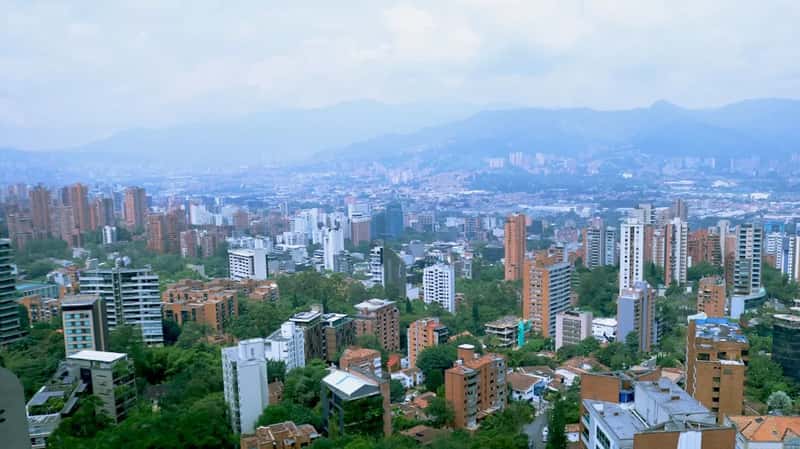
Colombia has quietly built one of the strongest affordability reputations in Latin America, and expats there consistently report feeling financially comfortable rather than stretched. Colombia remains one of the most affordable countries to live in, with 92% of expats stating that their disposable income is sufficient or more than enough to lead a comfortable life. That kind of satisfaction rate is hard to find elsewhere.
Cities like Medellin and Bogota have become popular precisely because they offer urban amenities, reliable infrastructure, and a lower cost structure than most Western capitals. Rent, groceries, and dining out remain considerably cheaper than in comparable-sized American cities, which is part of why the country keeps showing up on lists of top value destinations for both retirees and remote workers.
Portugal

Portugal has become something of a magnet for Americans looking for a European lifestyle without European price tags, especially in southern and inland regions. The climate, low cost of living in Portugal, work-life balance, and its LGBTQ friendliness are major draws, with the cost of living excluding rent running about 38% lower than in the U.S., rent about 46.2% lower, restaurant prices 42.4% lower, and grocery prices roughly 45.4% lower. Those numbers make a real difference for anyone converting a U.S. paycheck or pension into euros.
Outside Lisbon and Porto, the savings become even more pronounced. Smaller towns along the coast or in the interior offer the same fresh produce, seafood, and wine culture at a noticeably gentler price, which is why so many retirees end up settling well beyond the capital once they’ve done their research.
Sri Lanka

Sri Lanka has resurfaced as one of the standout values in Asia, and the reported costs there are hard to beat for the quality of life on offer. A single expat can live comfortably in Sri Lanka for about $1,100 to $1,250 a month, while a couple typically spends $1,400 to $1,650. Even those figures leave room for a genuinely comfortable setup, not a bare-bones one.
What makes the country stand out is how far rent alone stretches. When it comes to bang for your buck, you can’t beat Sri Lanka, where a contributor on the ground rents a villa with a tropical garden and a plunge pool for $385 a month. Add in cheap local transportation and inexpensive dining, and it becomes clear why the island keeps climbing affordability rankings after its post-pandemic recovery.
Malaysia

Malaysia rarely gets the spotlight that Thailand or Vietnam does, but its utility and grocery costs are genuinely striking once you look closely. Electricity bills run around USD 50 even with air conditioning running most nights, water costs just a couple of dollars a month, and high speed internet runs about USD 35. Those are the kinds of fixed costs that quietly eat into a budget elsewhere, and here they barely register.
Fresh food is another strong point, provided you stick to what’s grown locally rather than imported. Groceries are a bit of a mixed bag, but stick with local produce and fresh fish, chicken, fruit and vegetables are all very affordable, with a kilo of mangoes costing around RM8, under two dollars. Healthcare rounds out the appeal, since healthcare is well-regarded, with low-cost public facilities and a robust private sector, and many expats choose private health insurance in Malaysia for reliable care and peace of mind.
None of these seven countries are identical in what they offer. Some lean into beach towns and slow mornings, others into city energy and modern infrastructure, but the common thread is straightforward: a U.S. dollar simply covers more ground there than it does at home. Currency values shift and local prices creep up over time, so none of this is fixed in stone, but for now, these remain places where everyday spending doesn’t come with the same sting.