Airport security rules have been shifting more than usual lately. New scanners have changed what you can carry in some terminals, and airlines have tightened their policies on certain batteries. Meanwhile, customs officers at the destination end are still looking closely at what’s in your bag.
The result is that a suitcase can pass at one airport and lose items at the next. Here are seven things that regularly get taken from international travelers, and why.
Liquids Over the Size Limit
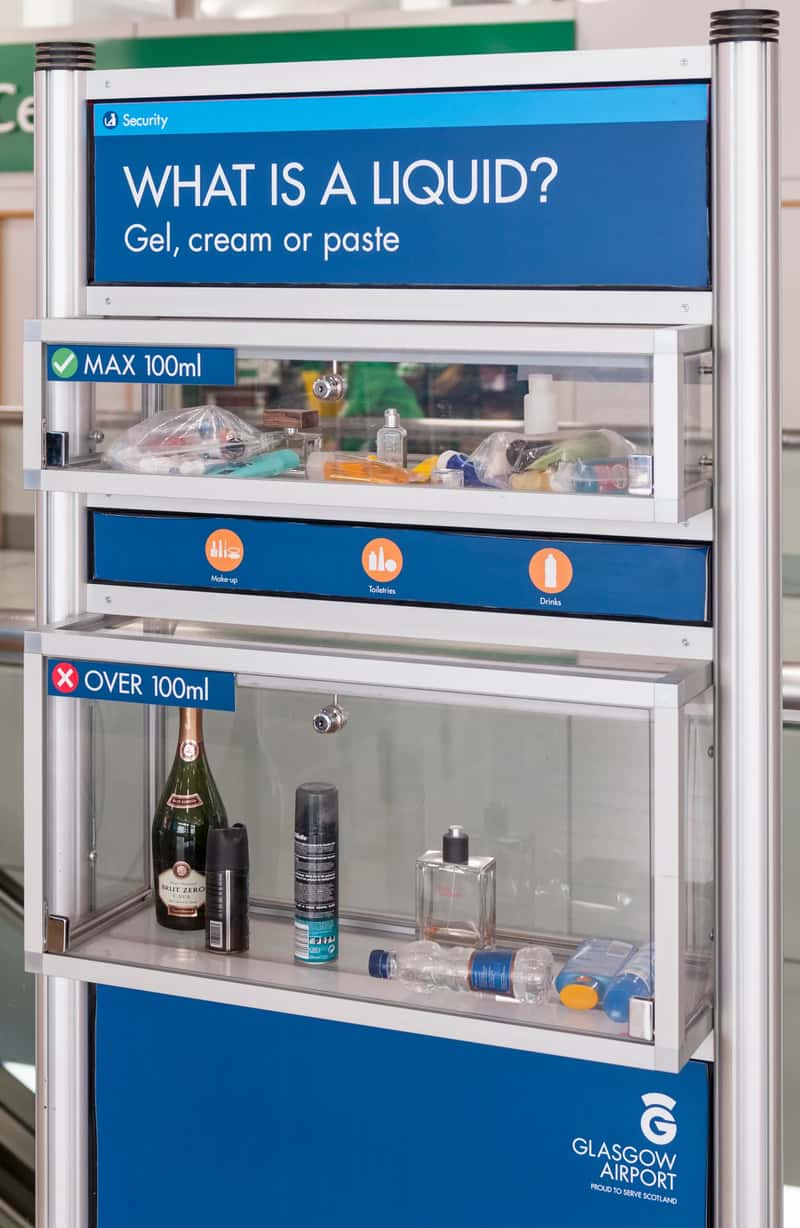
The 100 ml limit dates back to 2006. It was introduced after UK police foiled a plot to blow up transatlantic flights with liquid bombs hidden in soft drink bottles.[1] Officers still enforce it by the size of the container, not by how much is left inside. A half empty 200 ml bottle still gets binned, because security measures the vessel.[2]
In 2026 the rules depend on where you’re standing. Heathrow, Gatwick, Edinburgh and Birmingham have replaced the 100 ml rule with a limit of 2 litres per container.[3] At some airports, including Luton and Manchester, passengers still need to follow the 100 ml rule.[4] Paris, Marseille, Madrid, Athens and Lisbon also keep the 100 ml limit.[1]
The return leg is where people get caught. The rule that applies is the one at your departure airport on every leg, so a 500 ml bottle that cleared Heathrow can be confiscated at a 100 ml airport on the way home.[5] The US TSA also still enforces its liquids rule regardless of scanner technology.[6]
Fresh Fruit and Vegetables

Arriving in the United States with fruit from a trip abroad is a common way to lose it. Almost all fresh fruits and vegetables, whole or cut, are prohibited because of the pest and disease risks to American agriculture.[7] That includes produce handed to you on an airplane or cruise ship.[7]
Freezing doesn’t help. Almost all frozen fruits and vegetables are prohibited too, because some pests and diseases can survive very cold temperatures.[7] If you declare the items, the outcome is mild. You won’t face penalties even if an inspector decides they can’t enter the country.[7]
Meat Products and Snacks That Contain Meat
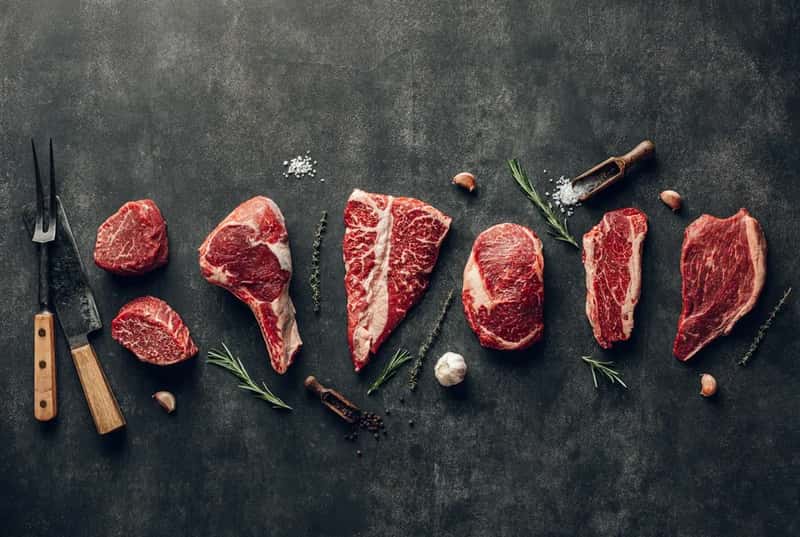
Meat is one of the strictest categories at the US border. Fresh, frozen, cooked, dried or vacuum packed, all meat products are prohibited.[8] Border officers cite risks such as swine fever and foot and mouth disease.[9] Sealed packaging makes no difference either. Vacuum sealing, freeze drying or canning doesn’t bypass the rules.[8]
The ban reaches beyond the obvious items. Instant noodles with meat pieces and mooncakes containing meat are strictly prohibited.[9] Even meat flavored bouillon cubes are considered high risk.[9] Failing to declare prohibited agricultural products can bring civil penalties of up to $1,000 for a first offense involving personal quantities.[10] Declaring them usually just means the item is confiscated.[9]
Power Banks and Spare Lithium Batteries
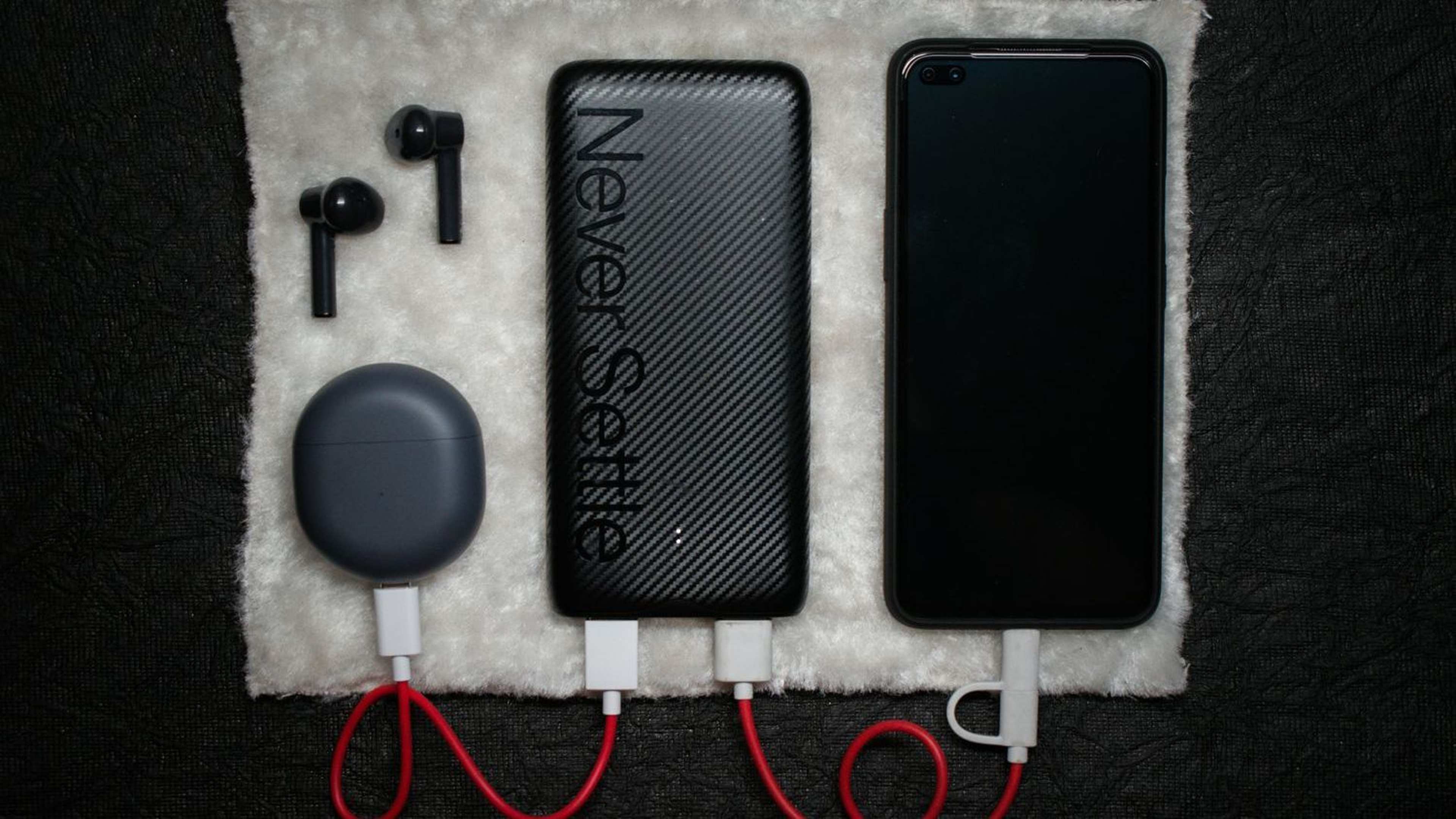
Power banks have become one of the most commonly confiscated everyday items. The rule most travelers know is the TSA’s: power banks under 100Wh, carry on only, never checked.[11] Power banks over 100 Wh without approval are typically confiscated at security.[12] Ones that are swollen, damaged or have previously shorted or smoked are taken regardless of capacity.[12]
Airline rules have tightened in 2026. A new global aviation standard starting 27 March 2026 cut the number of power banks a passenger can carry to two and banned recharging them in flight.[11] The changes follow the January 2025 fire that destroyed an Air Busan Airbus A321 at Gimhae Airport, which investigators traced to a power bank.[13] If you’re stopped with an over limit bank at the checkpoint, the choice is to surrender it or not board, and airports don’t store confiscated batteries for collection.[14]
Knives, Scissors and Other Sharp Tools
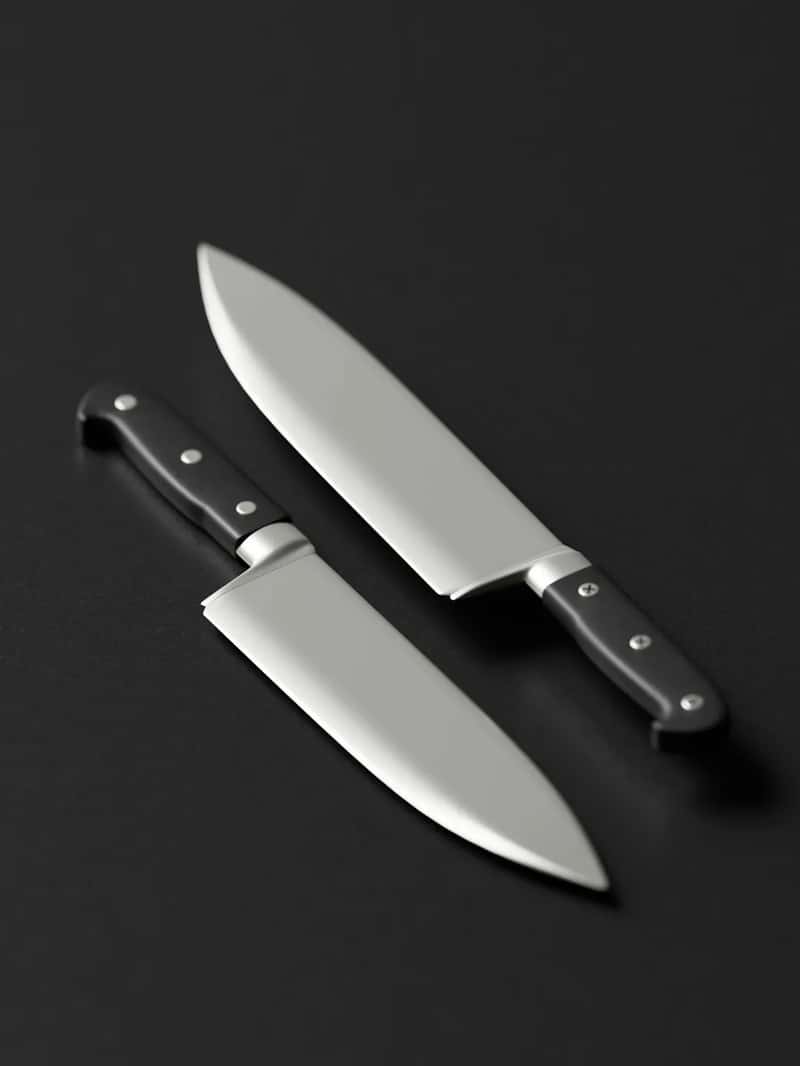
Sharp objects are a long running staple of security seizures. Knives, scissors, corkscrews, box cutters and other sharp tools are commonly seized at checkpoints.[15] Kitchen cleavers, machetes, throwing stars and swords occasionally appear as well.[15] Some passengers say they forgot the item was in their bag, while others bring it knowingly.[15]
Concealment shows up regularly in the TSA’s 2025 finds. One knife was found inside a belt buckle, which led to a police search after the X-ray picked it up.[16] At Dallas Fort Worth, officers found a knife hidden inside a child’s booster seat.[17] Ninja throwing stars turned up at Newark in December.[18] A souvenir blade or a wine key is best packed in a checked bag, though your airline and destination country have the final say.
Replica and Inert Weapons
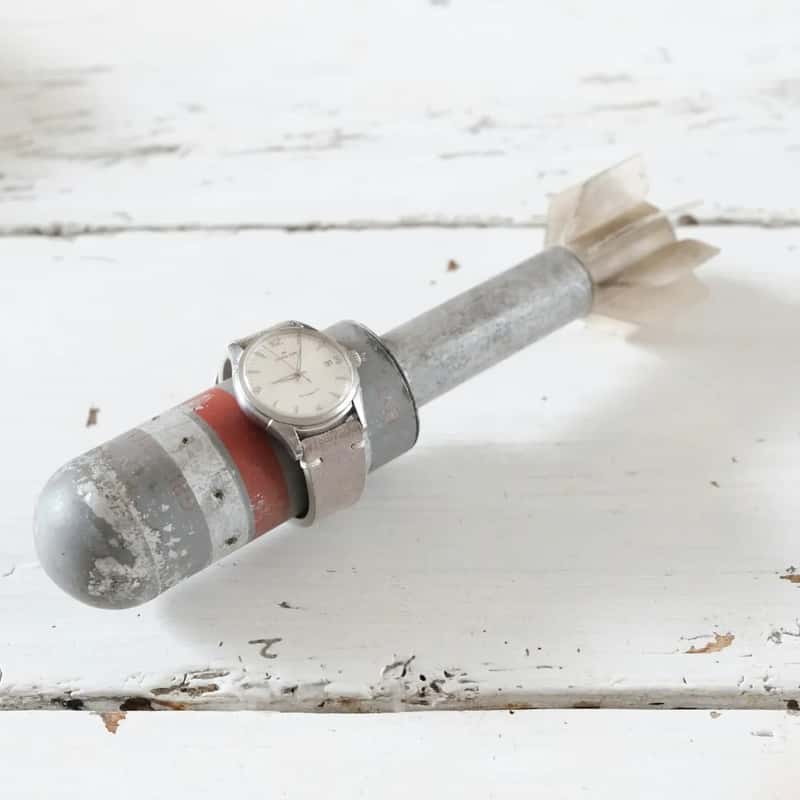
An item doesn’t have to be real to be taken. One traveler tried to check a bag containing more than a dozen inert RPGs.[19] The TSA’s position is that realistic weapons can cause very real delays, even when they’re fake or inert.[19] Screeners can’t always tell a harmless prop from a threat at first glance.
The agency’s most unusual find of 2025 shows the problem. The top spot on its list went to what appeared to be a replica pipe bomb at Boise Airport in May.[20] PVC pipes and wooden blocks were marked as C4 with protruding wires, and the passenger said they were training aids and abandoned them.[20] A BB gun was also found hidden in a suitcase lining at Newark in June.[18] A stun gun disguised as a flashlight turned up at BWI in mid September.[16]
Drugs, Cannabis Products and Vapes
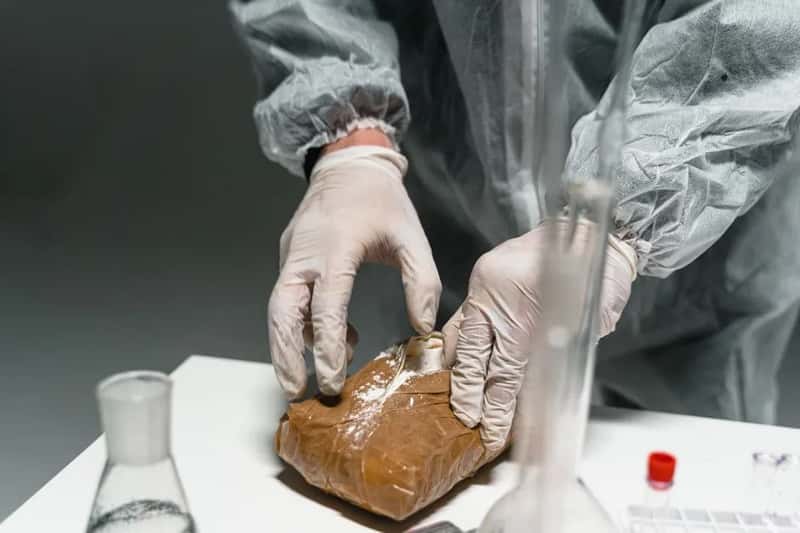
Illegal substances are confiscated, and they also bring in law enforcement. In March 2025, officers in Denver found 300 liquid filled vape pens, 20 containers of marijuana wax and a quarter pound of weed in a checked bag.[17] Earlier that year, officers at San Francisco International found crystal meth hidden in wax candles.[17] In Baltimore, a passenger tried to sneak pills hidden in a paper towel inside a shoe.[18]
According to the TSA, it is required to notify law enforcement when it discovers illegal substances.[17] Rules also change sharply across borders, so what’s legal at home may not be legal where you land. One Thailand travel guide lists e-cigarettes among the items that can be confiscated there.[8] Vapes follow the same carry on only logic as power banks.[14]