Happiness is hard to pin down, yet the World Happiness Report tries again every spring. It asks people to imagine a ladder with the best possible life at the top and the worst at the bottom, then to say where they stand today.[1] Three years of Gallup World Poll answers are averaged into one score.[1]
The 2026 edition covers 147 countries on a scale from zero to ten[1]. The sections below pair a high scoring country with a low scoring one, moving down the top seven and up the bottom six. The Netherlands closes the list on its own.
Finland and Afghanistan: The Widest Gap on the Map
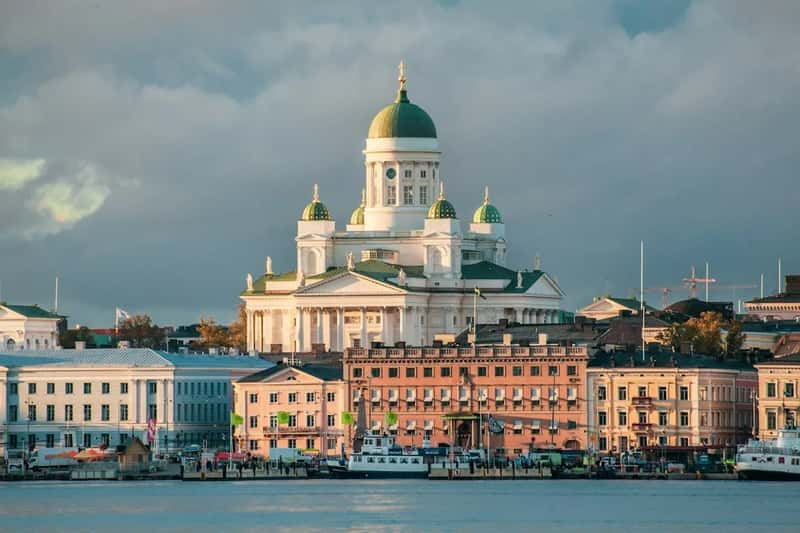
Finland takes first place for the ninth year in a row with a score of 7.764.[1] It has topped the report every year since 2018.[1] That score is more than five points above Afghanistan’s.[1]
Afghanistan sits at the other end. It ranked 147th out of 147 countries, with a life evaluation score of 1.45.[2] That is an overall drop of nearly 2.7 points since 2013.[2] Afghan women recorded the lowest average life satisfaction globally, at 1.26 out of 10.[2]
Iceland and Sierra Leone: A Photo Finish and a Steep Fall

Iceland ranks second at 7.540. It edges past Denmark by just 0.001 points on the life evaluation scale.[3] Iceland, Denmark, Sweden and Norway all sit inside the top six.[1]
Sierra Leone ranks 146th with a score of 3.251[4]. That is a drop of 1.067 points.[5] No country other than Afghanistan scored below three, and Sierra Leone is the second least happy nation.[2]
Denmark and Malawi: Welfare State Meets Hard Times
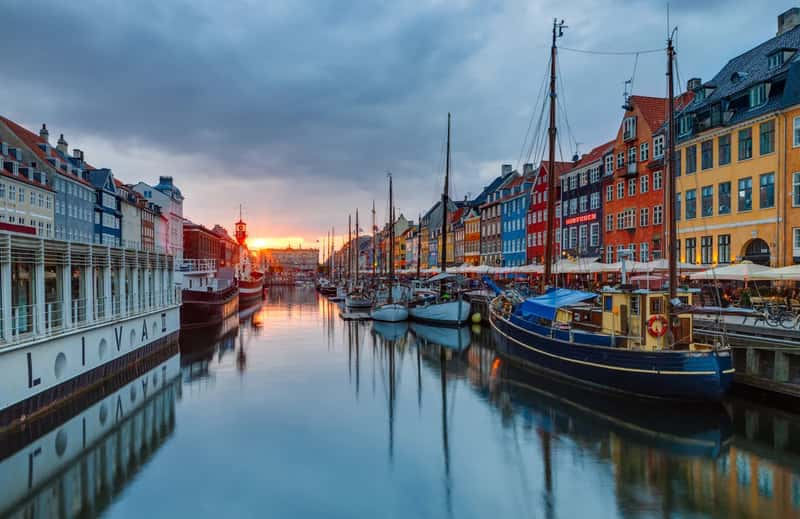
Denmark holds third place, a position near the top it has held for as long as the report has existed.[3] Its score is 7.539, a hair behind Iceland. Iceland, Denmark and Costa Rica rank two to four with overlapping confidence intervals[6], so the order among them is closer than the numbers suggest.
Malawi comes in 145th with a score of 3.284[4]. That is roughly four and a half points below Finland’s. Within Africa’s lowest scorers, Malawi follows Sierra Leone.[4]
Costa Rica and Zimbabwe: A Record Rise and a Struggling Economy
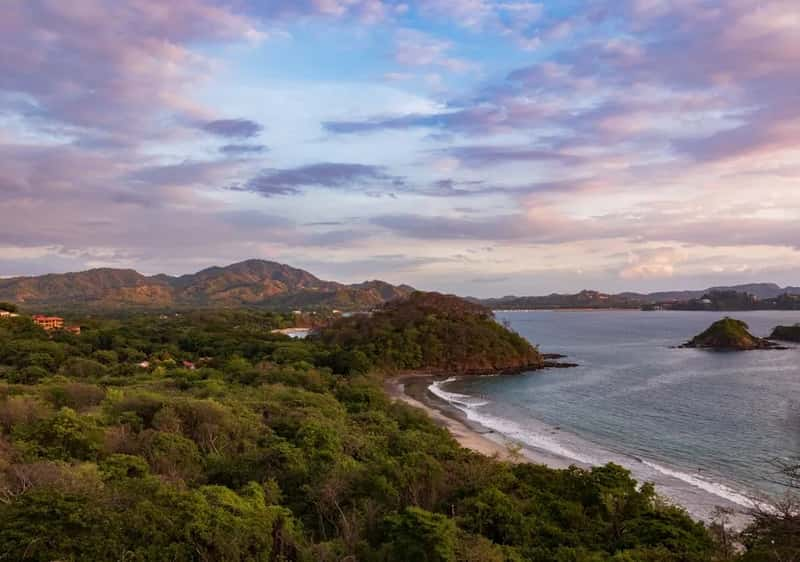
Costa Rica is the year’s headline story. It reaches fourth place, the highest ever for a Latin American country.[7] Its score of 7.439 puts it above Sweden’s, and it is the first country outside Europe or Oceania to break into the top five.[1] Mexico also makes the top 20, at 12th.[6]
Zimbabwe ranks 144th with a score of 3.346[4]. One report on the rankings points to severe economic hardship and high unemployment[8] as pressures on daily life. Those are reported explanations, since the survey itself records how people rate their lives, not the causes behind the ratings.
Sweden and Botswana: Close to the Top, Far From the Bottom
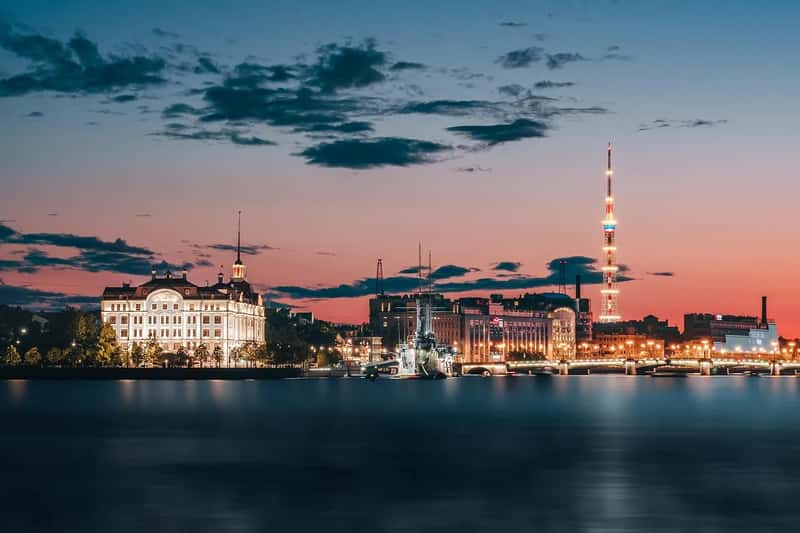
Sweden places fifth with 7.255. Sweden and Norway complete the top six.[9] Costa Rica’s rise pushed Sweden down one spot from where many readers might expect it.
Botswana ranks 143rd with 3.464[10]. It is among the five least happy countries after Afghanistan.[2] Its score is less than half of Finland’s.
Norway and Yemen: Narrow Margins and Conflict
Norway holds sixth place at 7.242, just 0.013 behind Sweden. Quartz describes its position as supported by one of the most unusual[3] sets of national circumstances. The gap between fifth and sixth is tiny, which shows how tightly packed the upper table is.
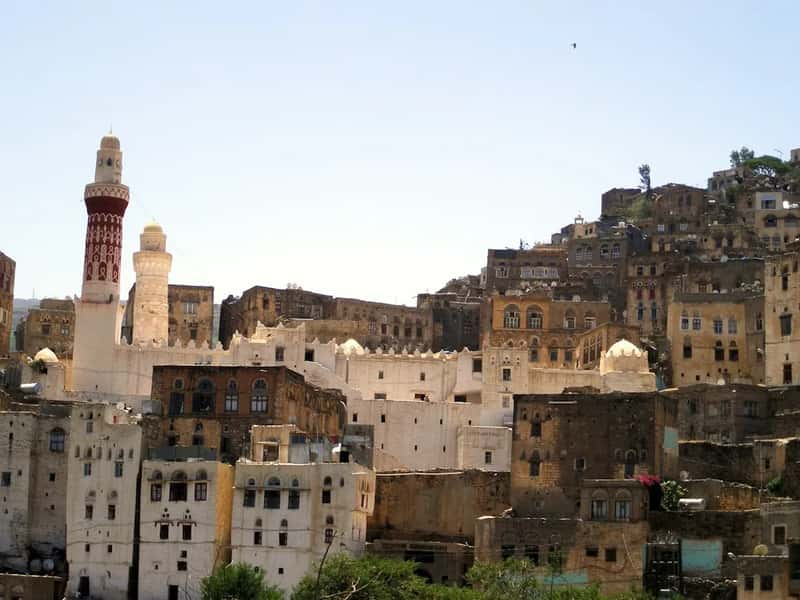
Yemen ranks 142nd at 3.532[5]. Lebanon sits just above it at 141st with 3.723. The bottom of the table is dominated by clusters that include conflict affected states such as Yemen.[1]
The Netherlands: Seventh Place Built on Balance
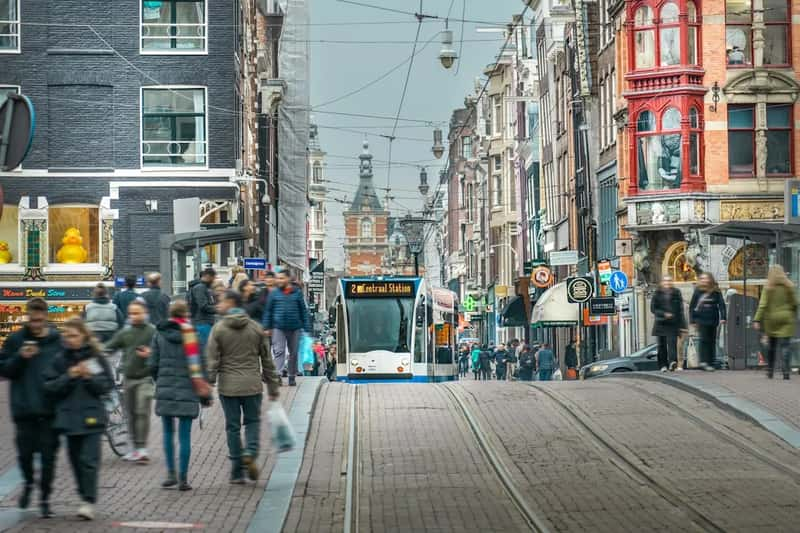
The Netherlands ranks seventh with a score of 7.223.[7] Its placement is closely tied to how the Dutch structure their working lives.[3] That makes it the one top seven country where daily routine gets as much attention as welfare policy.
Israel follows in eighth at 7.187, then Luxembourg at 7.063 and Switzerland at 7.018.[7] Israel has held its place for several years despite continuing regional conflict and security concerns.[3] The Dutch score sits only a little above that group, so the margins between seventh and tenth are slim.