Packing for a trip through Buenos Aires, Cusco or Santiago usually means thinking about layers, adapters and bus tickets. The card in your wallet gets far less attention. Yet it can quietly add or remove a noticeable slice of your budget by the time you fly home.
South America isn’t one payment environment. Some places lean heavily on cards, while others still run on cash at markets and rural lodges. Seven features do most of the work in sorting out which card belongs in your bag.
No Foreign Transaction Fees
This is the baseline. Every time you swipe a card abroad that charges a foreign transaction fee, you pay roughly three percent[1] on top of the purchase itself. Many cards charge between one and three percent on purchases in a foreign currency[2], and over a few weeks of hotels, dinners and tours that adds up.
Plenty of travel cards waive the fee, but it isn’t universal. One 2026 roundup notes that all Chase Sapphire cards, all Amex cards and all Capital One cards waive it[3]. Another points out that many no annual fee Chase cards do charge foreign transaction fees[4], so it pays to check your specific card’s terms rather than assume.
Acceptance on the Visa or Mastercard Network
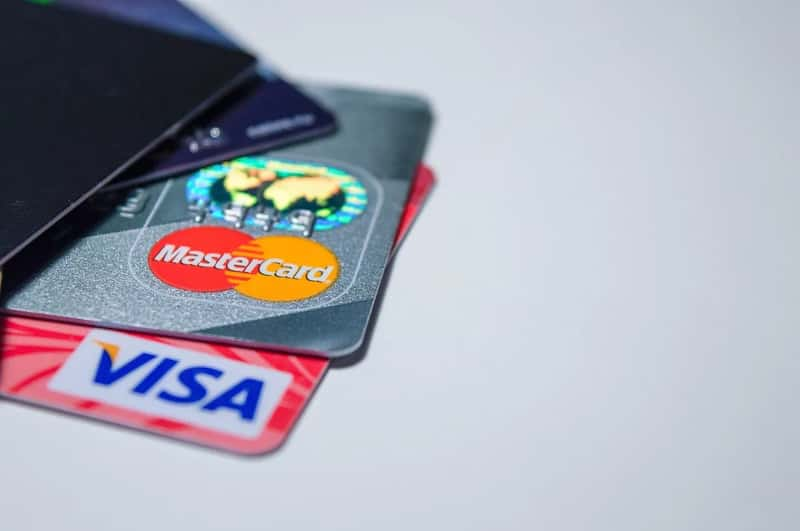
The network printed on your card matters more in South America than the bank that issued it. In Argentina, for example, Visa and Mastercard are the most commonly accepted cards, while American Express isn’t as widely accepted, though hotels and some restaurants take it[5]. Diners Club and Discover are not commonly used there[5].
American Express itself points out that you can use its cards abroad only at merchants that accept American Express[6]. If an Amex is your main card, bring a Visa or Mastercard as a second option. That way a terminal that won’t read your first choice doesn’t leave you stuck at the till.
Favorable Exchange Rate Treatment in Argentina
Argentina is the country where your card’s behavior has changed the most. For years, foreign cards got a poor official rate while cash on the street fetched far more pesos. Now Visa and Mastercard process foreign card transactions at the MEP rate, also called the tourist rate[7], which sits much closer to the informal blue dollar.
The two networks don’t always work the same way. One report says Visa gives foreign tourists a preferential rate slightly lower than MEP but higher than the official rate[7], while Mastercard often uses a refund after purchase that nets out near the MEP rate[7]. After Argentina lifted most currency controls in April 2025, the gap between official and blue rates largely closed[8], so card payments are now usually as good as cash. Your issuer may still add its own currency conversion spread or foreign transaction fee[9], which is why the first feature on this list still applies.
A Network Exchange Rate You Don’t Override
At many terminals and ATMs abroad, you’ll be asked whether you want to pay in local currency or your home currency. That prompt is called dynamic currency conversion. When you accept it, the merchant’s bank sets the rate rather than your card company[10], and that usually costs you.
Estimates of the markup vary. One guide says the difference is usually three to eight percent[11], while another notes the fees are often more than three percent[12]. WalletHub calculates that combining DCC with a foreign transaction fee could cost up to roughly fifteen percent on a purchase[13]. The practical rule is simple: choose local currency every time and let Visa or Mastercard handle the conversion.
Chip and PIN Capability
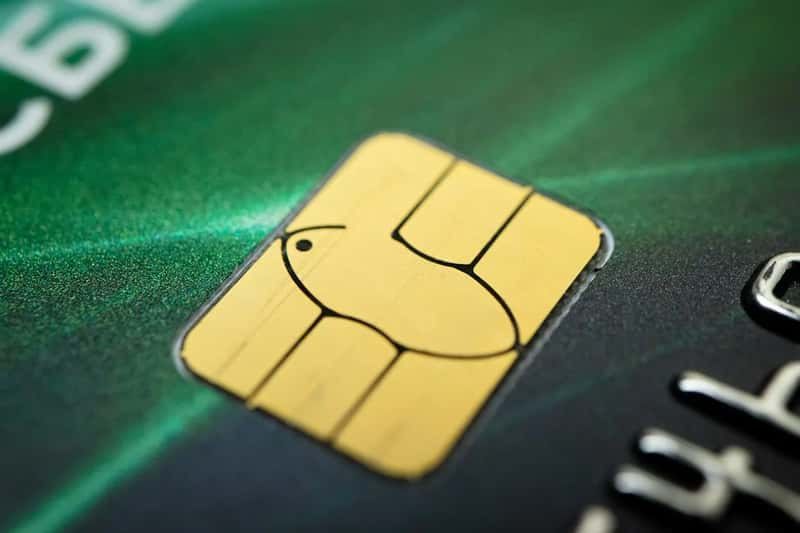
Chip technology is widely supported, and chip enabled terminals are common in over 130 countries[14]. The catch is that many American cards use chip and signature rather than chip and PIN. Unattended terminals, such as self service fuel pumps and some toll booths, often require a PIN and won’t accept a signature at all[15].
Having a PIN doesn’t automatically solve this. Some issuers note that a PIN on a credit card is often for ATM cash only and won’t work for purchases[16]. Ask your issuer exactly what yours supports before you leave, and carry some local cash anyway, because smaller vendors and local markets may still require it[2].
Fraud Protection and a Reliable Backup Card
Traveling with a card that has strong fraud protection is worth more than most reward points. Some issuers advertise a zero liability policy, and Bank of America, for instance, says you won’t be responsible for unauthorized charges[14]. Check what your own bank promises and how quickly you can reach it from abroad.
A second card matters just as much. A backup helps if the first card is lost, stolen, or canceled by the issuer over suspected fraud[17], so you can keep paying while a replacement is sent. It also helps to use tap to pay when possible, since swiping the magnetic stripe is more vulnerable to skimming devices in unfamiliar places[15].
Travel Perks Like Lounge Access and Built In Protections

This one is a bonus rather than a necessity, and it depends on how much you fly. South America often means long connections and several flights, so lounge access can be useful. Among the premium options, the Capital One Venture X lists unlimited Priority Pass and Capital One lounges, and the Amex Platinum lists an extensive lounge network[1], though their annual fees run from $395 to $695.
Protections can matter more than lounges. Even a cash back card like the Capital One Savor offers extended warranty coverage and travel accident insurance[4], and the Chase Ink Business Preferred is described as offering valuable travel protections[18]. Coverage terms differ by card and by country of issue, so read the benefits guide before assuming a delayed bag or canceled flight is covered.