Packing up your life and relocating to Europe often looks glamorous from the outside. Sun-drenched piazzas, charming cobblestone streets, and a slower pace of life pull in dreamers from every corner of the globe. Yet once the suitcases are unpacked and the initial excitement fades, a different reality sets in. Newcomers quickly discover that daily routines, social customs, and even shopping habits work very differently than back home, and that adjustment period can be both eye opening and, at times, genuinely frustrating.
What follows are eight of the most common cultural shock factors that foreigners run into when settling in Europe, based on patterns reported by expats, relocation guides, and official European labor and payment data. These are not meant to scare anyone off. Rather, they are the practical realities worth knowing before, and shortly after, the move.
1. The Sheer Weight of Bureaucracy and Paperwork

Almost every newcomer to Europe, regardless of which country they land in, mentions the paperwork as one of the first real shocks. Living abroad challenges include practical problems like dealing with foreign bureaucracy and healthcare systems. In places like Germany, this is compounded by outdated systems that have not fully caught up with the digital age. One expat account described how, in dealing with German administration, nothing is available in English, and very little is digitalized, so emails often go unanswered and you have to call and wait and wait, and call again.
France has a similar reputation. France is notorious for paperwork, regulations, and long processes, even for small tasks. In the Netherlands, newcomers face a strict timeline right from arrival, since you’ll also need to register with the local municipality within five days of your arrival, along with providing proof of address and other documentation. It is a stark contrast for anyone coming from a country where most administrative tasks can be handled online in minutes.
2. Shops That Close on Sundays, and Sometimes Every Evening Too

For visitors from the United States, much of Asia, or Latin America, discovering that supermarkets simply do not open on Sundays can feel disorienting. Many people moving to Germany experience what can almost be called a Sunday shock, when newcomers realize too late that supermarkets and most stores are completely closed, only to discover empty shopping streets and locked supermarket doors. This is not a quirky exception either. It is federal law, and one that has stayed remarkably durable.
The rule traces back decades. The Ladenschlussgesetz, or Shop Closing Law, is the federal blue law compelling retail stores to close to the public on Sundays and Christian holidays. Reform has crept in only very slowly, and as recently as 2025 the Bavarian state parliament passed its own Shop Closing Act, meaning all sixteen German states have now enacted their own shop opening laws that largely follow the federal regulatory model. Similar restricted hours exist elsewhere in Europe too, so learning to shop ahead of the weekend becomes a fast, non-negotiable habit.
3. A Work Culture Built Around Shorter Hours and Longer Holidays

Many foreigners, especially those arriving from the United States or parts of Asia, are stunned by how little Europeans actually work compared to what they are used to. According to Eurostat, the actual weekly working hours of EU full-time and part-time workers aged 20-64 in their main job averaged 35.9 hours in 2025, down from 36.9 hours in 2015. That average hides big regional gaps too, since the longest working weeks were recorded in Greece at 39.6 hours, while the Netherlands had the shortest working week at 31.9 hours, followed by Denmark and Germany at 33.9 hours each.
Paid time off adds another layer of surprise. Europe’s average minimum paid leave totals 33 days per year, combining vacation and public holidays. Some countries push this even further, since Andorra tops the ranking with 45 days, including 31 paid vacation days and 14 paid public holidays. For someone used to a two-week vacation allowance being generous, this level of guaranteed rest can feel almost unbelievable at first, and then quickly becomes something newcomers refuse to give up.
4. Cash Still Rules More Than Expected

Foreigners arriving with a phone loaded with digital wallets are often surprised to find that plenty of European shops, cafes, and markets still expect cash, or at least strongly prefer it. According to the European Central Bank’s 2024 survey, cash remains the payment instrument used most often at the point of sale and for person-to-person payments in the euro area. Even as habits shift, cash was the most frequently used payment method at the point of sale in the euro area and was used in 52% of transactions, though the share of cash payments has declined.
The pattern is far from uniform across the continent. Austria was the country with the most respondents that reported using mostly cash when making purchases in one cross-country survey, while in Spain cash remains the top choice for in-store payments at 28 percent, followed by debit cards at 26 percent. Newcomers quickly learn to carry small bills, since a card refusal at a tiny bakery or local market stall is far from rare.
5. Directness That Can Feel Blunt or Even Rude
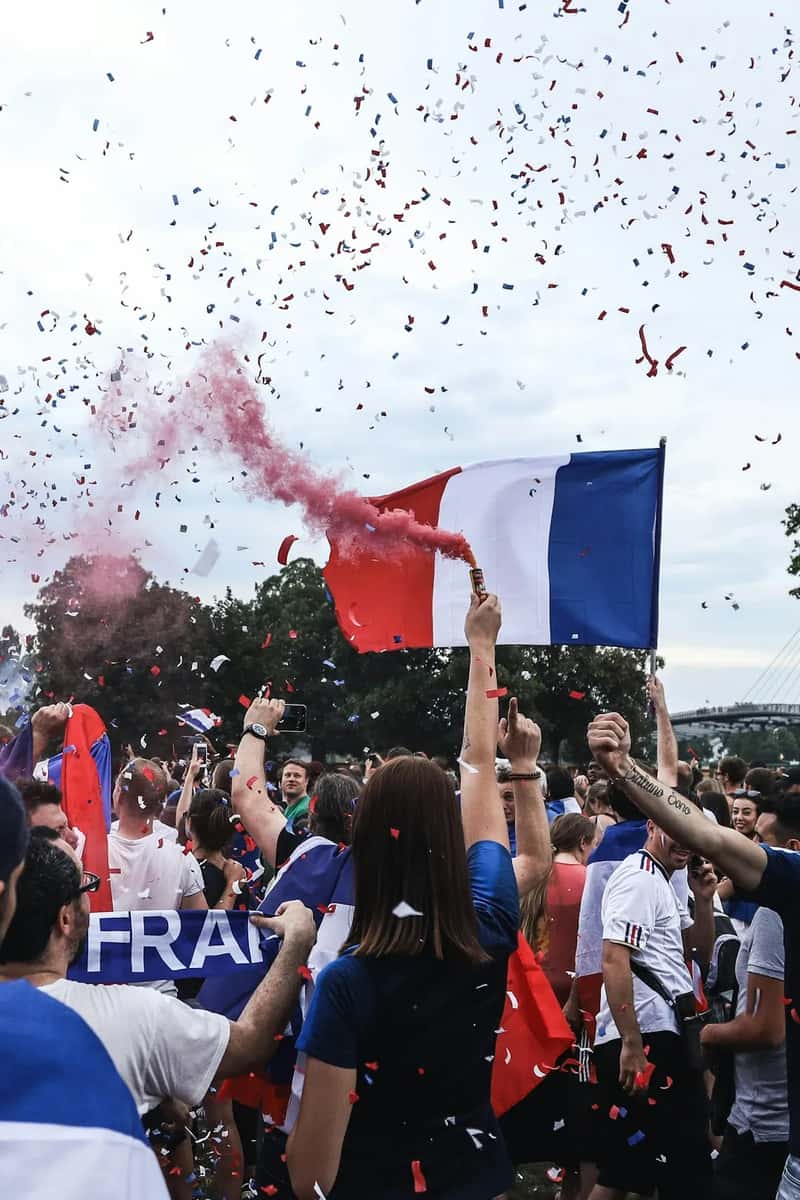
Communication styles across much of Europe can catch newcomers off guard, particularly those coming from cultures where politeness often means softening feedback. In France, for example, the French communication style is famously more direct than in many Anglophone cultures, so if you make a mistake in French, people might correct you bluntly, though it’s not meant to embarrass you, it’s a cultural sign of helping you improve. The same directness carries into everyday debate, since the French love intellectual discussion, and disagreement isn’t personal, it’s engaging conversation.
This bluntness is not confined to France. Germans and other northern Europeans are often described the same way, valuing efficient, straightforward speech over cushioning small talk. It takes time for newcomers to stop interpreting this as coldness or hostility, and to start recognizing it as simply a different, and often more honest, way of relating to people.
6. Reserved Social Norms That Make Friendships Slower to Form

One of the loneliest early adjustments for many expats is realizing how much longer it takes to build real friendships in parts of Europe compared to home. Some countries, such as the Netherlands or Scandinavia, have a reputation for being reserved, making it harder to connect with locals. This reserve often shows up in small daily interactions long before it shows up in anything more meaningful.
A student studying in northern Europe captured this well, describing how in shared kitchens and public transport, people spoke less than expected, neighbors offered polite greetings but did not continue into long conversations, and on buses, strangers rarely chatted. Over time, most newcomers realize the silence is not rejection. People were not rejecting one another, they were respecting privacy, and friendships, once formed, were warm and dependable, but strangers were not expected to perform friendliness.
7. Greeting Rituals That Vary Wildly From Country to Country
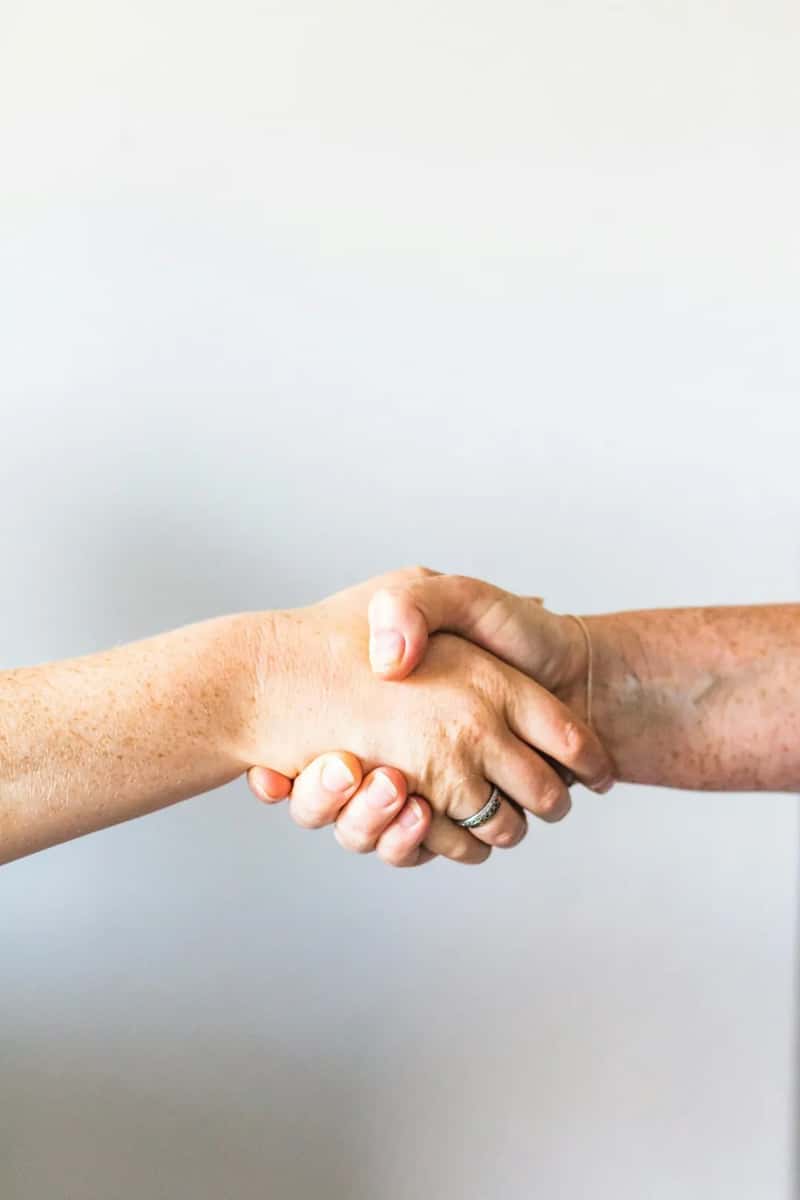
Something as simple as saying hello turns out to be surprisingly complicated once you cross a European border. Handshakes are standard in Germany, Poland, the UK, and Scandinavia, two cheek kisses known as la bise are customary in France, Spain, and Italy, while three kisses show up in the Netherlands, Belgium, and parts of Switzerland. Getting the number wrong, or offering a hug where a handshake was expected, can produce an awkward moment that lingers.
France in particular takes this seriously as a daily social ritual. French society places huge importance on politeness rituals, including always saying bonjour when entering shops, greeting colleagues every morning, and using the formal vous instead of tu unless invited otherwise, since skipping greetings is seen as extremely rude. An American exchange student in France summed up the learning curve well, noting that greeting customs eventually became second nature, admitting that kissing my classmates on the cheek to say hello and greeting my bus drivers has become second nature, and the culture shock I felt has more or less worn off.