Some of the world’s best-known sights are no longer open to everyone, any time, at any price. Governments and city councils are testing caps, timed tickets and new fees, and the push has gathered pace in 2026. One report describes 2026 as the year for new tourist taxes and visitor caps, from Machu Picchu in Peru to Mount Fuji in Japan[1].
Full closures are still rare. Most of these places are tightening access instead, and that’s what the seven landmarks below show. Some limits are already in force, and others are still evolving, so check official sources before you book a trip.
Trevi Fountain, Rome
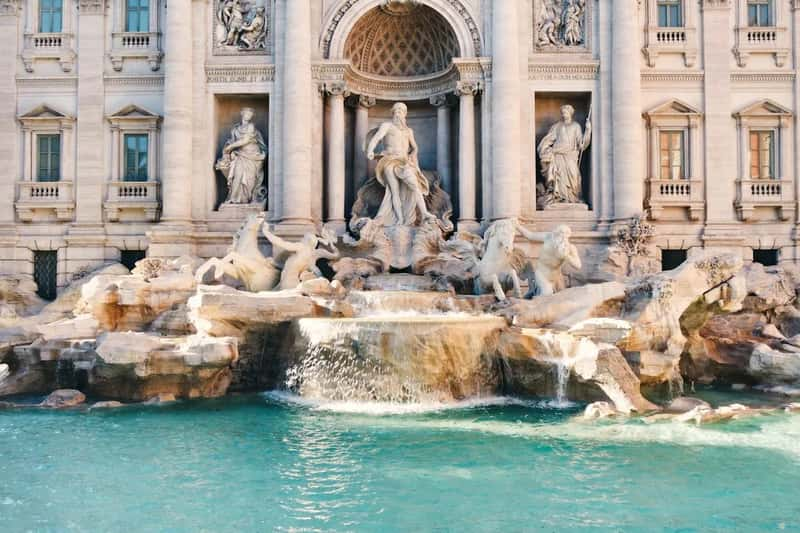
Rome has changed how people reach the fountain’s edge. From 2 February 2026, a €2 ticket is required to enter the basin, the part closest to the monument.[2] The city says the fountain draws about 30,000 visitors a day, with peak days reaching 70,000[3]. Admission stays free for Rome residents, children under 5, and people with disabilities and their caregivers[2].
The fountain isn’t closed, and that’s worth stressing. You can still walk around the square, take photos, and view the fountain from above for free at any time.[4] The paid area is a controlled space with a maximum capacity of 400 people[4]. The ticket rules are listed on the city’s tourism site as running through the end of 2027, so this looks like a managed trial rather than a permanent verdict.
The Acropolis, Athens
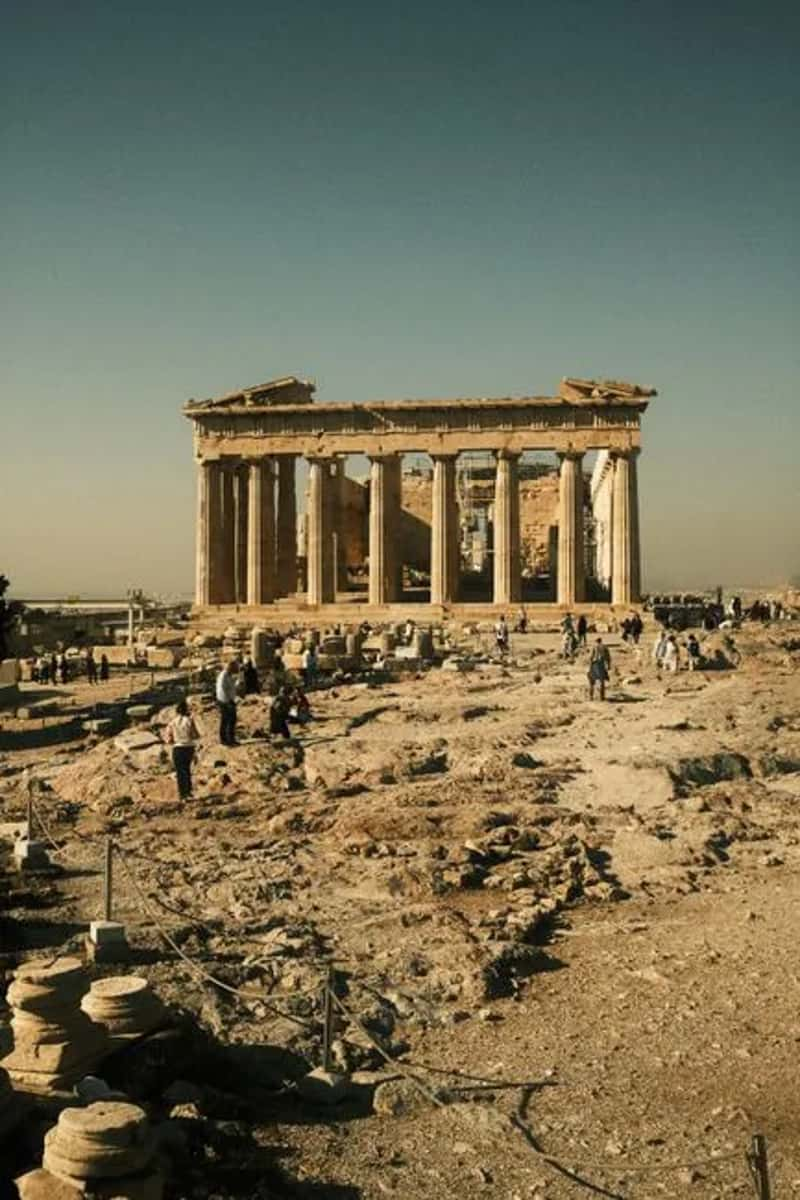
Greece’s most famous archaeological site already works on a quota system. A daily limit of 20,000 visitors is in place, alongside a timed-entry system requiring tourists to select a specific admission slot.[5] Demand keeps growing. The Acropolis recorded 4,609,113 visitors in 2025, compared with approximately 4.55 million in 2024.[5]
The cap doesn’t remove crowding entirely. Long lines, sometimes extending hundreds of meters, continue to form at the entrance.[5] Visitors without reservations risk being denied entry when their preferred time slots are fully booked[5]. With the 2025 total about 32 percent above 2019, further tightening wouldn’t be surprising.
Mount Fuji, Japan

Japan’s tallest peak has moved from voluntary donations to mandatory fees. The ¥4,000 fee applies to all four trails for 2026, a doubling from the ¥2,000 first charged on the Yoshida Trail in 2024.[6] Trail entry is blocked from 2 pm to 3 am for anyone without a mountain hut booking.[7] The season is short, running July 1 to Sept 10[6].
The hard cap is the interesting part. The Yoshida Trail carries a 4,000-climbers-per-day cap, while Shizuoka’s three trails have no cap.[7] One guide that cites the prefecture’s own records says zero days at capacity in 2024, zero days in 2025[8]. Even so, another report puts 2026 at nearly 240,000 climbers, up about seventeen percent year on year[9], so limits could bite harder if the trend continues.
Machu Picchu, Peru
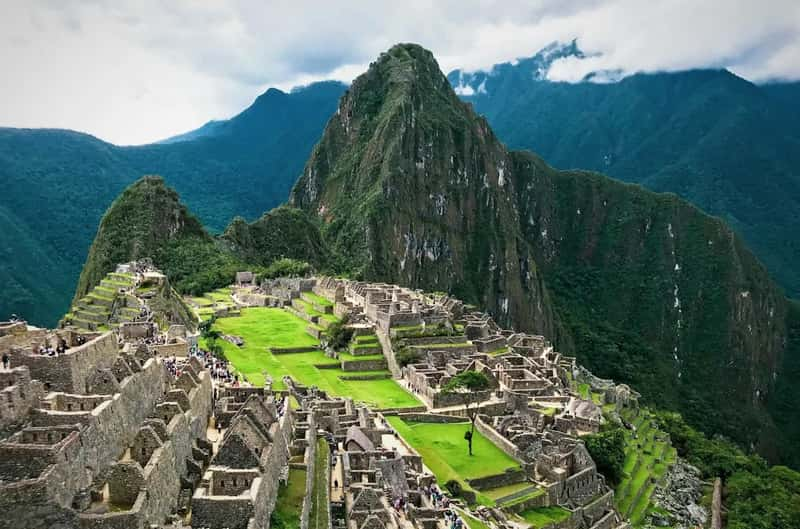
Machu Picchu is often called the poster child of overtourism. It customarily received more than 4,000 visitors per day.[10] The Peruvian government recently approved its master plan for Machu Picchu through 2031 to curb overtourism at the site.[1]
That plan reportedly includes stronger visitor controls, defined circuits, conservation priorities, and greater community involvement[1]. It also lands near a controversial project, the Chinchero International Airport nearby, due in 2027[1]. I’d treat the exact daily numbers as something to confirm with official ticketing before you go, since the details of the new plan may keep shifting.
Pompeii, Italy
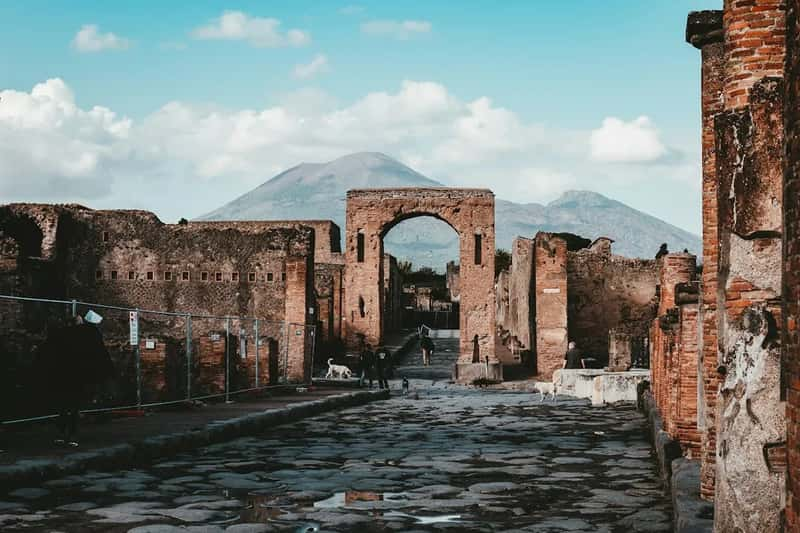
The ruined Roman city has been drawing enormous crowds. Pompeii welcomed a staggering 4 million visitors in 2024.[11] In response, authorities have introduced a strict daily cap of 20,000 visitors[11] to protect the site.
For travelers, that means booking ahead is smart, particularly in busy months. Pompeii is also fragile in a way few places are, with centuries-old walls, mosaics and roads exposed to heavy foot traffic every day. Caps like this one are a sign that preservation concerns are now shaping how tickets are sold.
Venice, Italy
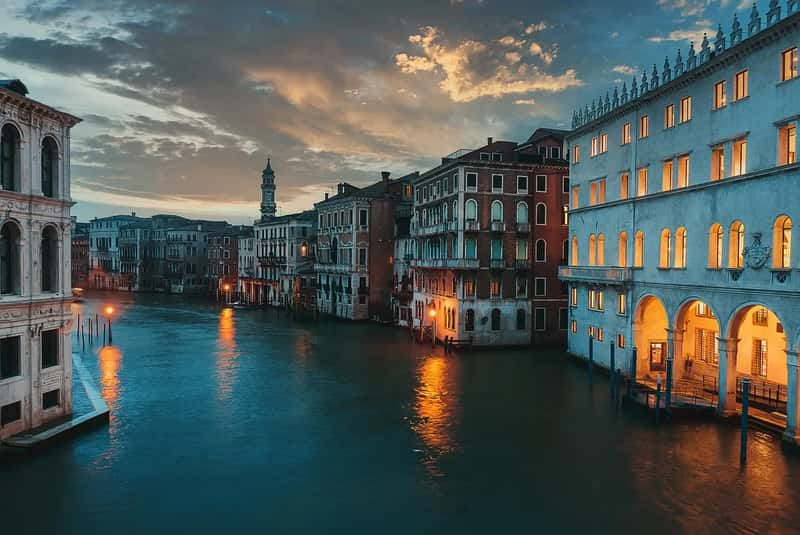
Venice is a whole city rather than a single monument, yet it has become a test case for managing visitors. One recent analysis calls out Venice’s day-tripper levy and Machu Picchu’s circuit system[12] as experiments that are fast becoming standard practice. Because dates and prices have changed from year to year, check the city’s official site for the current schedule.
The city is pushing on other fronts too. Venice is tightening regulations on short-term rentals, limiting them to 120 days per year.[11] Those rules target the pressures that visitors put on residents. They suggest Venice will keep experimenting rather than settle on a single fix.
Park Güell, Barcelona
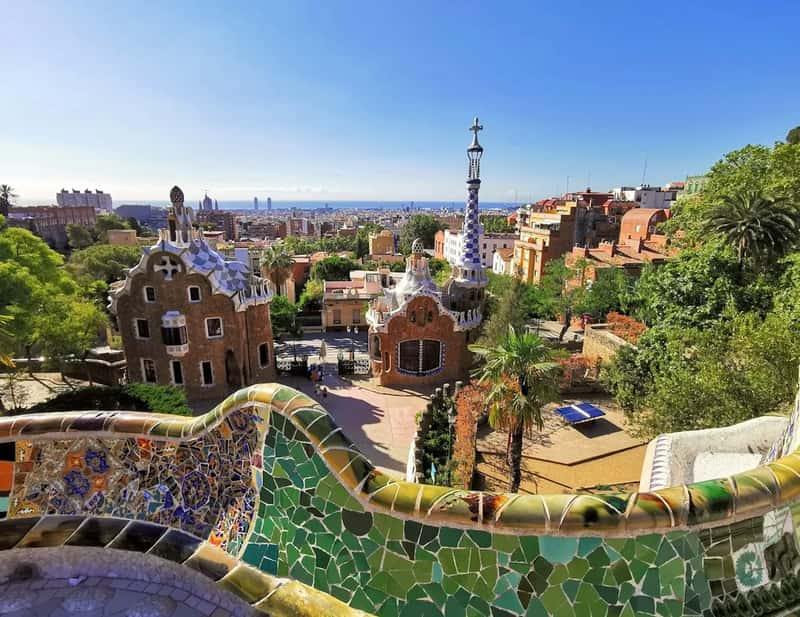
Gaudí’s hillside park shows how a once-free landmark can turn into a ticketed, capped one. One overview reports that Park Güell, formerly free, began charging admission and limiting the number of visitors to 800 per day[10]. Treat that figure as a reported number and check the official site, since entry quotas can be adjusted.
Barcelona is part of a wider Spanish pattern. Reports say destinations including Barcelona, Mallorca, Ibiza, the Canary Islands and Seville are implementing or expanding policies aimed at reducing congestion[13]. For visitors, the practical lesson is simple: reserve a time slot early.
The common thread across all seven is that caps, timed tickets and fees are replacing open access. Outright closures remain unusual. Still, the direction of travel is clear, and the places that already limit entry rarely loosen their rules once visitor numbers stay high. If a landmark is on your list, book early and read the official rules before you leave. A little planning beats standing outside a gate that has already closed for the day.